The phone in your pocket is now the camera you shoot with most, and for a growing number of working photographers it is quietly becoming a second body rather than a snapshot toy. A 2026 flagship carries a one-inch or near-one-inch main sensor, a periscope telephoto that reaches past 100mm, and 10-bit log video that grades alongside footage from a cinema camera. What separates the best phones from the merely good ones is no longer whether they can take a sharp picture in daylight, because all of them can, but how they behave in the situations that actually expose a camera: a backlit portrait, a concert at 10x, a handheld night street scene, a raw file you intend to push hard in an editor.
Three things decide this purchase. The first is hardware, the physical sensor size and lens reach that no amount of processing can fake. The second is computational photography, the software pipeline that turns nine frames into one clean image, and this is where Google and Apple still pull ahead of raw spec sheets. The third is the thing photographers forget until it bites them: availability and workflow. The most capable camera phones on the planet right now come from vivo, Xiaomi, and OPPO, and none of them is officially sold in the United States.
We have organized this guide around who you are and where you live, flagged every import clearly, and picked across price tiers. Phones run on a brutal annual cycle, so every pick below carries a plain note about where it sits in that cycle. Paying full price six weeks before a successor lands is the most common way photographers waste money on a phone. And unlike the cameras and lenses we test at length, only one of these handsets, the iPhone 18 Pro, has been through a hands-on Fstoppers test, so most entries are built from verified manufacturer specs and each phone's documented camera hardware. Prices move constantly through carrier deals and trade-in credits, so treat every figure as a starting point.
At a Glance
- Best Overall: Apple iPhone 18 Pro Max
- Best Android Phone: Samsung Galaxy S26 Ultra
- Best for Everyday Point-and-Shoot: Google Pixel 11 Pro XL
- Best for Zoom and Telephoto: vivo X300 Ultra
- Best for Enthusiasts: Xiaomi 17 Ultra
- Best Value: Google Pixel 11
- Best Compact Flagship: Apple iPhone 18 Pro
Best Overall: Apple iPhone 18 Pro Max
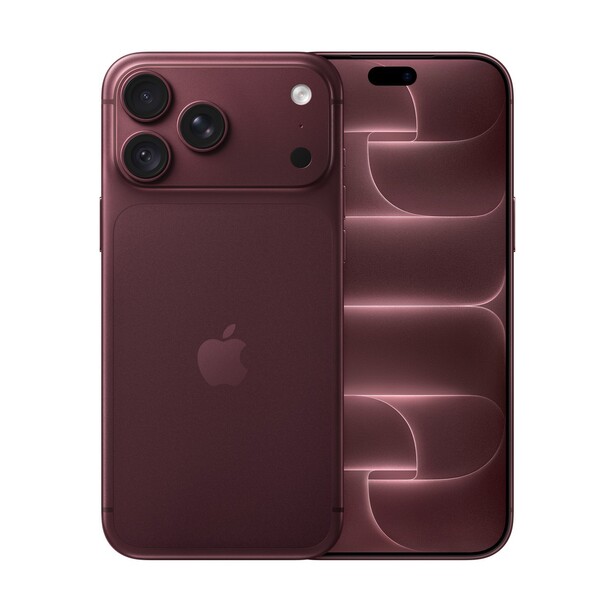
- Main camera: 48 MP Fusion, 24mm, variable aperture (f/1.48, f/1.8, f/2.8, f/4), second-generation sensor-shift OIS
- Ultra wide: 48 MP Fusion, 13mm, f/2.2, 120 degrees
- Telephoto: 48 MP Fusion, 100mm (4x), f/2.8, 3D sensor-shift OIS, plus 12 MP optical-quality 8x at 200mm
- Front camera: 18 MP Center Stage, f/1.9
- Video: 4K Dolby Vision up to 120 fps, ProRes up to 4K/120 to external storage, ProRes RAW, Apple Log 2
- Display: 6.9-inch OLED, ProMotion to 120 Hz
- Chip: A20 Pro
- Weight: 249 g
- Price: See current retail price
The Apple iPhone 18 Pro Max wins the overall slot on the strength of consistency and video, not because it takes the single most spectacular still photo you can get from a phone. It does not. What it does is give you three 48-megapixel cameras that behave predictably in every situation, a video pipeline no competitor matches, and, new this year, a main camera with a real variable aperture. Six blades move its 24mm lens between f/1.48, f/1.8, f/2.8, and f/4. The 100mm f/2.8 tetraprism telephoto and the 13mm ultra wide carry over from the iPhone 17 Pro Max, and our nine months with the 17 Pro Max found that telephoto excellent at 4x and its 8x crop at 200mm good enough to stop feeling like a gimmick.
For anyone who shoots video alongside stills, the decision more or less ends here. The phone records 4K Dolby Vision up to 120 fps, shoots ProRes and ProRes RAW, and captures Apple Log 2 that drops straight into a Final Cut or DaVinci Resolve timeline. Apple's Final Cut Camera app now lets you dial in the new aperture directly or shoot in aperture priority or shutter priority mode, and the A20 Pro sits on a redesigned vapor chamber that Apple credits with up to 40 percent more sustained performance than the previous generation. It also has the deepest accessory ecosystem and the widest app support for photographers of any phone.
Stills shooters get new Pro controls in the Camera app itself: manual aperture, shutter speed, and white balance, plus a histogram for catching clipped highlights before you press the shutter. In the opt-in Reference mode, the new main sensor signs the pixel data it captures for Apple Reference Image, which develops a signed, unalterable reference copy of the frame that an editor can compare with the version you publish.
The new aperture changes less than its spec line suggests. Wide open at f/1.48, it gathers about half a stop more light than the 17 Pro Max's fixed f/1.78, but on a sensor this small, depth of field stays deep across the whole range. The main sensor also has less to work with than the one-inch-class chips in the import flagships, so in very low light, the best Android phones still pull ahead. And it is the heaviest phone in this guide at 249 g, 16 g more than the 17 Pro Max and a real brick after a long day of one-handed shooting.
Where it sits in the cycle: early. Apple introduced the iPhone 18 Pro Max on September 9, 2026, and it reached stores on September 18. If you already own a 17 Pro Max, the shared telephoto, ultra wide, and video formats make this a modest upgrade. For everyone else, check the current price of the Apple iPhone 18 Pro Max at Apple. If it feels too big, the compact iPhone 18 Pro further down has the identical camera system.
What We Like
- A variable f/1.48 to f/4 aperture on the 48 MP main camera
- The best video system on any phone: ProRes RAW and Apple Log 2
- Real 48 MP telephoto with usable 200mm reach
- Pro controls for aperture, shutter speed, white balance, and a histogram
- Apple Reference Image can prove what the sensor saw
What Could Be Better
- The aperture changes depth of field only slightly on a sensor this small
- Main sensor is smaller than the one-inch import flagships
- The heaviest phone here at 249 g
Best Android Phone: Samsung Galaxy S26 Ultra
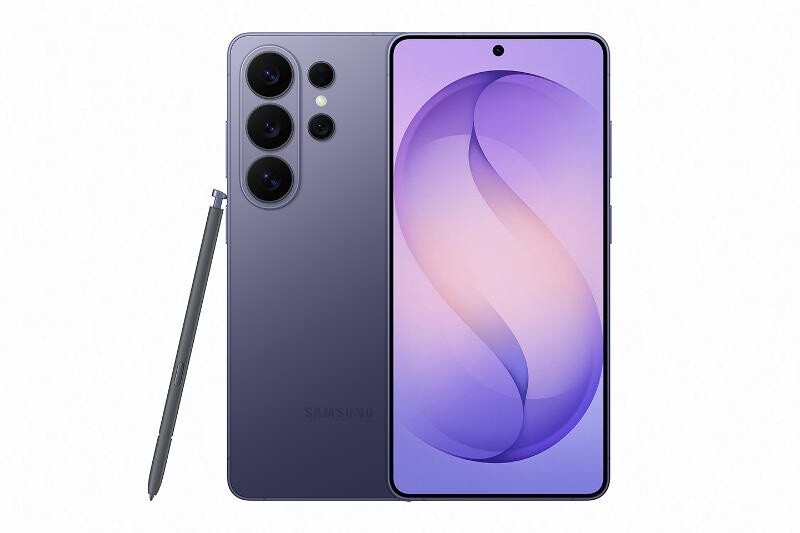
- Main camera: 200 MP, 1/1.3-inch, 23mm, f/1.4, OIS
- Ultra wide: 50 MP, 13mm, f/1.9, 120 degrees
- Telephoto: 10 MP, 69mm (3x), f/2.4, OIS, plus 50 MP, 111mm (5x), f/2.9, OIS
- Front camera: 12 MP, f/2.2
- Video: 8K/30, 4K/120, Samsung Log with LUT preview, APV codec
- Display: 6.9-inch
- Chip: Snapdragon 8 Elite Gen 5 for Galaxy
- Weight: 214 g
- Price: See current retail price
Where the iPhone gives you three cameras that do everything well, the Samsung Galaxy S26 Ultra gives you four and the most complete focal-length spread of any phone you can buy in a US store. You get a 200-megapixel main sensor, a 50-megapixel ultra wide, a 10-megapixel 3x, and a 50-megapixel 5x periscope, which means there is a native optical camera at 23mm, 69mm, and 111mm rather than a single tele you crop into. The headline change this year is the main lens dropping to an f/1.4 aperture, the brightest on any flagship, alongside a 5x telephoto that widened to f/2.9. Samsung claims a 47 percent brightness improvement on the main camera. That is a manufacturer figure rather than a measurement we have made, but the wider f/1.4 aperture lets the main camera pull in appreciably more light than the previous generation.
This is the phone for the photographer who wants options and controls. The Expert RAW app gives you full manual exposure, a proper histogram, and 50-megapixel raw capture from the main sensor, and the four-camera array means you rarely have to fake a focal length with digital zoom. Samsung's Space Zoom pushes the marketing to magnifications that are novelty rather than tool, but usable reach out to around 10x is genuinely strong, and horizon-lock stabilization keeps handheld clips level.
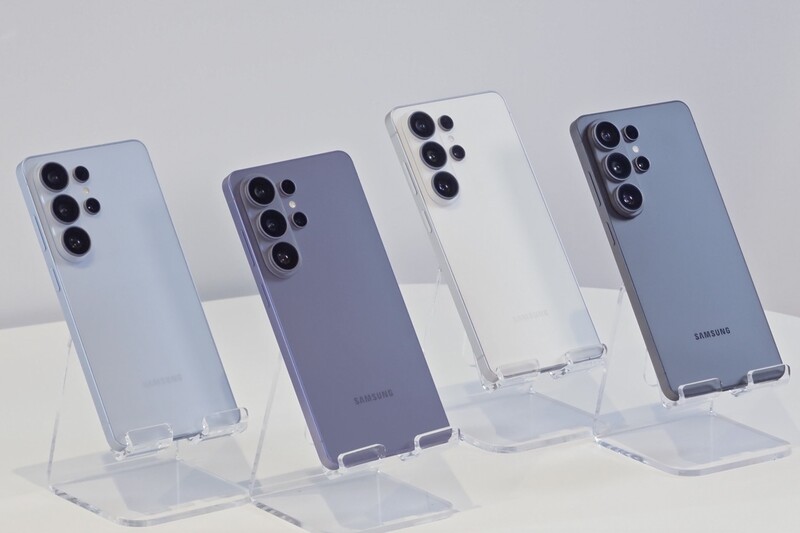
The catch is Samsung's processing, which leans cool and contrasty at the expense of the natural look Apple and Google chase, and the 10-megapixel 3x camera is the weak link in an otherwise premium array.
Where it sits in the cycle: early, and this is the pick to buy without hesitation on timing. The S26 line landed in March 2026 and Samsung's next Unpacked is not due until early 2027. For an Android shooter who wants the widest set of real optical tools and the deepest manual control on a phone sold openly in the States, nothing else is close, so check the current price of the Samsung Galaxy S26 Ultra at B&H.
What We Like
- Four real cameras spanning 13mm to 111mm
- Bright f/1.4 main sensor and improved low-light output
- Expert RAW gives full manual control and 50 MP raw files
- Horizon-lock video stabilization for handheld clips
- Early in its product cycle, with no successor due until 2027
What Could Be Better
- Cool, contrasty processing that can look less natural
- The 10 MP 3x camera is the weak point of the array
- Space Zoom magnifications past 10x are mostly marketing
- The APV log workflow is new, with thinner editing support than Apple's ProRes pipeline
Best for Everyday Point-and-Shoot: Google Pixel 11 Pro XL
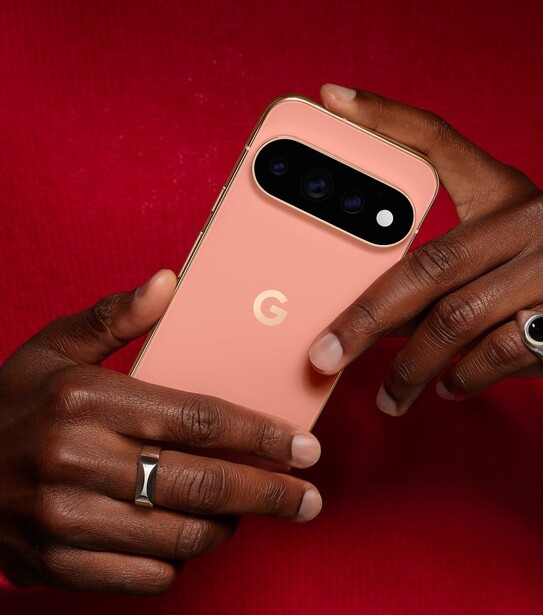
- Main camera: 50 MP, 1/1.3-inch, f/1.68, OIS
- Ultra wide: 48 MP, f/1.7, 123 degrees, with macro focus
- Telephoto: 48 MP, 1/1.95-inch, 5x optical, f/2.8, OIS
- Front camera: 42 MP with autofocus, 103 degrees
- Video: 8K/30 with Video Boost, 4K/60
- Display: 6.8-inch
- Chip: Tensor G6
- Weight: 226 g
- Price: See current retail price
If you want the phone that gets the shot with the least thought, this is it. Google's advantage has always been the processing pipeline, still the best in the business at handing a non-specialist a finished, believable image in one tap, but this year the hardware moved as well. The Google Pixel 11 Pro XL gets a new 1/1.3-inch main sensor and a redesigned 48-megapixel 5x telephoto on a larger 1/1.95-inch sensor, which Google rates at 30 percent more light sensitivity. Point it at a hard backlit scene, a group of moving kids, or a dim restaurant, and it makes the exposure and color decisions a photographer would make, then hands back a file worth posting unedited.
The headline software feature is Pro Zoom, which leans on Tensor G6 and Google's imaging models to reach 120x. Past the 10x that Google rates as optical quality, the detail comes from those models rather than the lens, so treat it as a tool for a phone screen, not for print or a client. Portrait Mode now works at 5x, a more flattering focal length for faces, and Night Sight captures up to 4.5 times faster, by Google's figures. The 42-megapixel autofocus front camera covers a 103-degree field of view, the widest of any Pixel selfie camera with autofocus.
This is a computational camera, so shooting raw and expecting to override its decisions is not the point. Video trails the iPhone in codec options, since Google's spec sheet lists HEVC, H.264, AV1, and VP9 recording, with no ProRes or log profile. The price also climbed with the hardware: $1,299 at launch, $100 more than the Pixel 10 Pro XL.
Where it sits in the cycle: early. Google introduced the Pixel 11 Pro XL on August 12, 2026, and it reached stores on August 20. If you want a camera that thinks for you and rarely misses, check the current price of the Google Pixel 11 Pro XL at Amazon.
What We Like
- The best one-tap image processing of any phone
- New main sensor and a larger 48 MP telephoto sensor
- Portrait Mode at 5x and faster Night Sight
- 42 MP autofocus front camera with a 103-degree view
What Could Be Better
- Pro Zoom past 10x relies on Google's imaging models, not optics
- No ProRes or log video, so serious video still favors the iPhone
- Launch price rose $100, to $1,299
Best for Zoom and Telephoto: vivo X300 Ultra
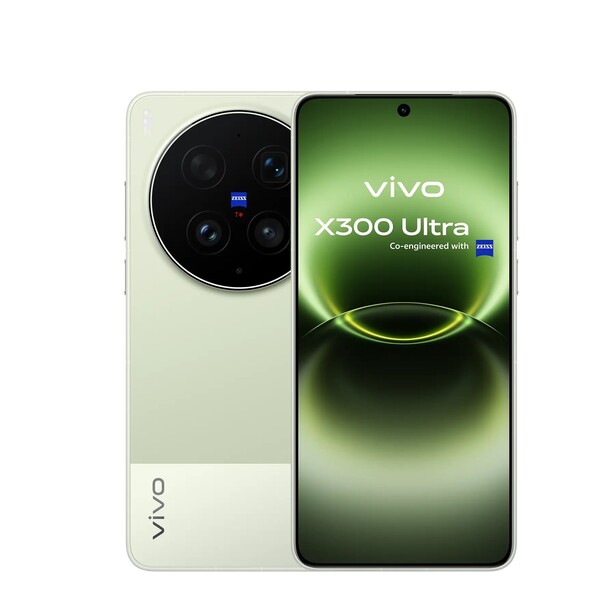
- Main camera: 200 MP Sony LYT-901, 1/1.12-inch, 35mm, f/1.9, gimbal OIS
- Ultra wide: 50 MP, 1/1.28-inch, 14mm, f/2.0, 116 degrees, OIS
- Telephoto: 200 MP, 1/1.4-inch, 85mm (3.7x), f/2.7, Zeiss APO, OIS
- Front camera: 50 MP, f/2.5, autofocus
- Video: 8K/30, 4K/120 in 10-bit log, Dolby Vision
- Display: 6.82-inch
- Chip: Snapdragon 8 Elite Gen 5
- Weight: 232 g
- Price: See current retail price
Nothing else sold anywhere in the world reaches like this. The vivo X300 Ultra puts a 200-megapixel periscope on a 1/1.4-inch sensor behind an 85mm f/2.7 Zeiss APO lens, which is to say its telephoto uses a chip larger than the main sensor in most phones. That is the whole argument. Ordinary phone telephotos ride tiny sensors that collapse the moment light drops, which is why your concert shots at 5x look like watercolor. This one holds detail at the long end where a Galaxy or an iPhone would fail at the same focal length, and it sits alongside a 200-megapixel main camera on a huge 1/1.12-inch Sony LYT-901 with gimbal stabilization.
Then there is the part that turns it from a phone into a system. Vivo sells an optional photography kit with a grip, a 2,300 mAh battery, physical controls, and two screw-on Zeiss APO teleconverters: one that takes the 85mm to a 200mm equivalent, one that pushes it to 400mm. A 400mm equivalent on real glass rather than an upscaling algorithm is a wildlife and stage focal length, and no other handset offers anything comparable. Video is equally serious, with 4K at 120 fps in 10-bit log across focal lengths.
We have not shot this one ourselves, and its caveats are worth taking seriously. Vivo buries exposure compensation inside each color style rather than exposing it as a universal control, an irritating decision if you shoot manually. Its super-telephoto enhancement mode leans on AI hard enough that scenes tip into an over-rendered, painted look, so it wants turning off. Highlight clipping shows up on flames and bright skin. The phone is heavy at 232 g before you attach anything.
The bigger wall is availability. Vivo does not sell the X300 Ultra in the United States, so a US buyer is importing a global model, accepting patchy carrier-band compatibility and no local warranty. That is a real cost, not a footnote, and it is the reason this phone does not take the overall slot. Where it sits in the cycle: early, on sale in China from March 2026 and globally from April, so an importer buying today has a long runway.
If you shoot concerts, wildlife, or sports on a phone and you are outside the US, or you are willing to import with eyes open, check current import pricing on the vivo X300 Ultra and buy the teleconverter kit with it. Also consider the cheaper vivo X300 Pro, which keeps a 200-megapixel 85mm Zeiss APO telephoto without the Ultra's 200-megapixel main or teleconverter support, or the OPPO Find X9 Pro, whose 200-megapixel 70mm Hasselblad telephoto takes an optional 230mm teleconverter of its own.
What We Like
- A 200 MP periscope on a 1/1.4-inch sensor, the best long lens on any phone
- Zeiss APO teleconverters reach a real 400mm equivalent
- 200 MP, 1/1.12-inch main sensor with gimbal stabilization
- 4K/120 in 10-bit log with Dolby Vision
- Early in its cycle, released globally in April 2026
What Could Be Better
- Not officially sold in the US; import only, with patchy carrier-band support and no local warranty
- Exposure compensation is buried inside color styles rather than offered as a universal control
- The AI super-telephoto mode can render scenes into an over-processed, painted look
- Heavy at 232 g, and heavier still with the grip attached
Best for Enthusiasts: Xiaomi 17 Ultra
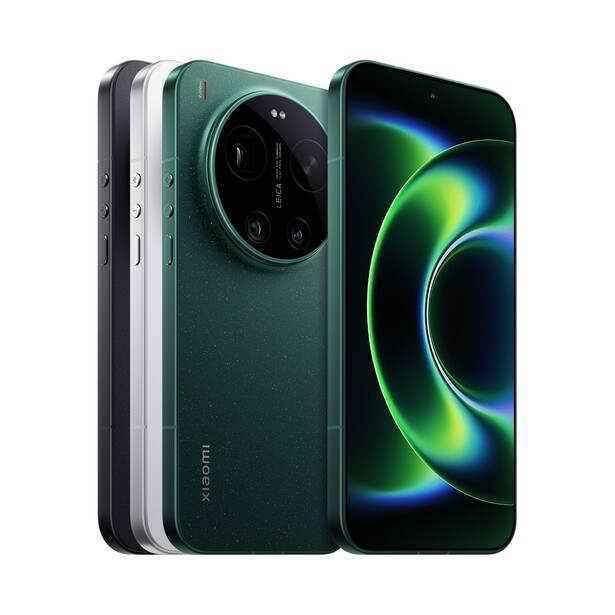
- Main camera: 50 MP one-inch Light Fusion 1050L, f/1.7, LOFIC HDR, Leica
- Ultra wide: 50 MP, 14mm, f/2.2, Leica Summilux
- Telephoto: 200 MP, 1/1.4-inch, 75-100mm (3.2-4.3x), f/2.4-3.0, Leica APO
- Front camera: 50 MP, f/2.2, autofocus
- Video: 8K/30, 4K/120 in log, LOFIC HDR
- Display: 6.9-inch
- Chip: Snapdragon 8 Elite Gen 5
- Weight: 218.4 g (glass back)
- Price: See current retail price
Sensor size is the one advantage software cannot manufacture, and the Xiaomi 17 Ultra leans hardest on it. Its main camera is a true one-inch, 50-megapixel unit, the largest chip in any handset, and the LOFIC HDR pipeline built around it holds highlights and pulls shadows closer to a dedicated camera than anything else here. Behind it sit a 200-megapixel Leica APO telephoto with a continuous 75-100mm zoom range, unusual on a phone, and a 50-megapixel Leica Summilux ultra wide. The Leica color profiles produce a look you either love or switch off, but it has real character rather than the sanitized output of the American flagships.
What pushes it into enthusiast territory is the optional Photography Kit Pro, a grip case that adds a physical two-stage shutter release, a control dial, and extra battery, turning the phone into something you hold and operate like a compact camera. Combined with full manual controls, raw capture across all four focal lengths, and Leica's processing, it is the closest a phone comes to replacing the camera you would otherwise pack. If your priority is reach rather than sensor size, the vivo above is the stronger tool and the Xiaomi is the more pleasant one to shoot.
We have not put this one through an Fstoppers review, and two weaknesses are clear from the specs. The 75-100mm telephoto is shorter reach than the periscopes on the vivo and the Galaxy, so this phone rewards a photographer who lives between 14mm and 100mm rather than one chasing distance. The software also carries more preinstalled clutter than a Pixel or an iPhone.
The same import wall as the vivo applies, and the global version commands a premium through resellers. Where it sits in the cycle: early, with the global Leica Edition released in March 2026. For the enthusiast who prioritizes sensor size and shooting feel over convenience, check current import pricing on the Xiaomi 17 Ultra and budget for the grip.
What We Like
- True one-inch main sensor with strong LOFIC HDR
- 200 MP telephoto with a continuous 75-100mm zoom range
- Photography Kit Pro grip makes it handle like a camera
- Characterful Leica color profiles and full raw control
- Early in its cycle, released globally in March 2026
What Could Be Better
- Not sold in the US; import only, at a reseller premium
- Shorter telephoto reach than the vivo or the Galaxy periscopes
- Carrier-band and support compromises as an import
- More preinstalled software clutter than rivals
Best Value: Google Pixel 11
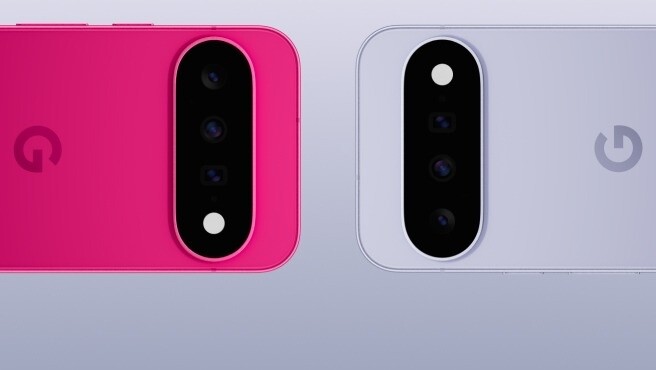
- Main camera: 48 MP, 1/1.56-inch, f/1.7, with macro focus
- Ultra wide: 13 MP, f/2.2, 120 degrees
- Telephoto: 10.8 MP, 1/3.2-inch, 5x optical, f/3.1, OIS
- Front camera: 10.5 MP, f/2.2, with autofocus
- Video: 4K/60 (no 8K)
- Display: 6.3-inch
- Chip: Tensor G6
- Weight: 197 g
- Price: See current retail price
One feature earns the Google Pixel 11 this slot: it keeps a real 5x optical telephoto for $400 less than the Pixel 11 Pro XL. That 10.8-megapixel telephoto matches the Pixel 10's on paper, at f/3.1 on a 1/3.2-inch sensor, and you still get three genuine focal lengths with the same class-leading processing that makes the pricier Pixels so forgiving. The upgrade this year is the main camera, which moves to a larger 1/1.56-inch, 48-megapixel sensor that Google rates at 56 percent more light sensitivity than the Pixel 10's.
The compromises against the Pro models land exactly where you would expect. The main and ultra wide sensors are smaller and lower resolution, the telephoto is a modest 10.8 megapixels rather than the Pro's 48, Super Zoom stops at 30x, and there is no 8K capture, no Pro Zoom, no Pro controls, and no 42-megapixel front camera. In good light, none of that shows in a share-size image, because the processing does the heavy lifting.
The honest limit is light. That f/3.1 telephoto on a 1/3.2-inch sensor is a daylight lens, so night and indoor shots at 5x are where it struggles, and anyone who wants to push raw files hard should spend up. Price is the other catch: the Pixel 11 launched at $899, $100 more than the Pixel 10 did, and Google still sells the Pixel 10, with the same telephoto on paper, for less.
Where it sits in the cycle: early. Google introduced the Pixel 11 on August 12, 2026, and it reached stores on August 20. If you want reach and reliable images without paying Pro prices, check the current price of the Google Pixel 11 at Amazon. Also consider the base Apple iPhone 17, which Apple still sells alongside the 18 Pro models, if you want the same value logic inside the Apple ecosystem, though it has no dedicated telephoto at all.
What We Like
- A real 5x optical telephoto for $400 less than the Pro XL
- The same forgiving Pixel processing as the flagships
- A larger main sensor with 56 percent more light sensitivity
- Compact and easy to carry at 197 g
What Could Be Better
- Smaller, lower-resolution sensors than the Pro models
- The f/3.1 telephoto is a daylight-only lens
- No 8K, no Pro Zoom, no Pro controls, and a basic front camera
- Launched at $899, $100 more than the Pixel 10
Best Compact Flagship: Apple iPhone 18 Pro
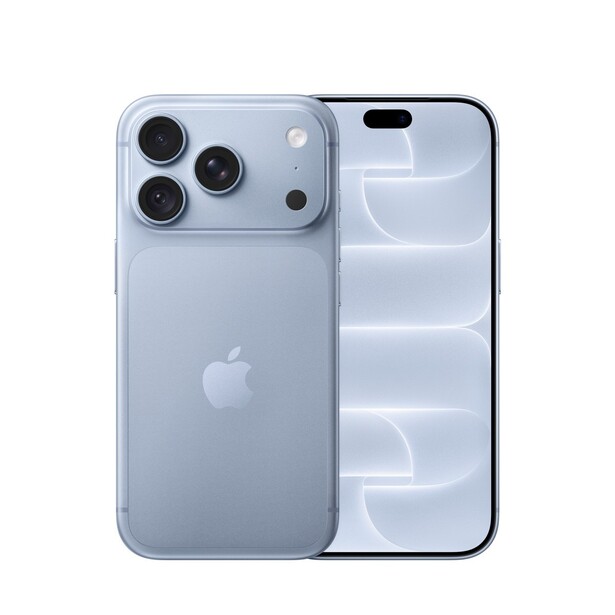
- Main camera: 48 MP Fusion, 24mm, variable aperture (f/1.48, f/1.8, f/2.8, f/4), second-generation sensor-shift OIS
- Ultra wide: 48 MP Fusion, 13mm, f/2.2, 120 degrees
- Telephoto: 48 MP Fusion, 100mm (4x), f/2.8, plus 12 MP optical-quality 8x at 200mm
- Front camera: 18 MP Center Stage, f/1.9
- Video: 4K Dolby Vision up to 120 fps, ProRes, ProRes RAW, Apple Log 2
- Display: 6.3-inch OLED, ProMotion to 120 Hz
- Chip: A20 Pro
- Weight: 211 g
- Price: See current retail price
Not everyone wants a 249-gram slab the size of a paperback. The Apple iPhone 18 Pro exists for the photographer who wants flagship cameras in a phone they can use one-handed. It carries the same triple 48-megapixel system as the Pro Max, including the variable-aperture main camera and the 100mm telephoto with 8x reach, plus the same A20 Pro chip and the same ProRes RAW and Apple Log 2 video. You are trading screen size and battery life, nothing optical. Apple rates the 18 Pro at up to 24 hours of typical use against the Pro Max's 30, and the 38 g you save is the kind of difference that stops mattering on a spec sheet and starts mattering at hour nine of a shoot.
It is also the one phone in this guide we have tested hands-on. Lee Morris shot the 18 Pro side by side with the 17 Pro at every aperture and zoomed to 400 percent in Lightroom. Wide open at f/1.48, the center of the frame held up far better than our reviewer expected, with only the corners going softer, and f/4 showed none of the diffraction Morris had predicted. Morris would pick f/2.8 as the best setting, but all four apertures land close enough together that nobody will spot the difference in a real photograph. In ordinary light, the 18 Pro takes essentially the same picture as the 17 Pro.
The bigger change is software. Apple finally put manual shutter speed, aperture, and white balance in the stock Camera app, which keeps the multi-frame processing that a third-party manual app gives up, and none of it came to the 17 Pro. ISO stays automatic, because the phone still blends several exposures into every shot. The aperture earns its keep at close focus, but watch for the phone quietly handing you off to the ultra wide as you move in, which takes the aperture out of play. For video, holding a 180-degree shutter outdoors still takes a neutral density filter, exactly as on every earlier iPhone.
Where it sits in the cycle: early. Apple introduced the iPhone 18 Pro on September 9, 2026, and it reached stores on September 18. Morris advises 17 Pro owners to keep the phone they have. If you are coming from an older iPhone, find modern flagships absurdly large, and refuse to accept a camera downgrade to get a smaller one, check the current price of the Apple iPhone 18 Pro at Apple.
What We Like
- Identical cameras and video to the Pro Max in a smaller body
- Genuinely one-hand friendly at 211 g
- Full ProRes RAW and Apple Log 2 support
- Same 4x and 8x telephoto reach
- Manual aperture, shutter speed, and white balance in the stock Camera app
What Could Be Better
- Rated for 24 hours of typical use, against the Pro Max's 30
- 6.3-inch screen is tighter for on-device editing
- Little image-quality gain over the 17 Pro in ordinary light
- ISO stays automatic, even with Pro controls
How to Choose a Camera Smartphone
Start with the platform, because it is the decision you are least likely to reverse. If you are already invested in iCloud, iMessage, and a Mac editing workflow, the iPhone 18 Pro or Pro Max is the natural choice, and its video pipeline is a genuine reason for hybrid shooters to prefer it regardless of ecosystem. If you are on Android and want the widest set of optical tools sold in a US store, the Galaxy S26 Ultra is the answer. If you want the phone that simply makes the best decisions for you, the Pixel line is unmatched at that job.
Then be honest about whether you will ever import a phone. The uncomfortable truth in 2026 is that the best camera phones for pure image quality, the vivo X300 Ultra, the Xiaomi 17 Ultra, and the OPPO Find X9 Pro, are not sold in the United States. Importing one means accepting spotty carrier-band support, no local warranty, and software not tuned for US networks. For photographers outside the US those phones are straightforward recommendations. For US buyers they are a real commitment, and the practical answer for most people remains the iPhone, Galaxy, or Pixel.
Match the hardware to how you shoot. A large sensor buys you low-light quality and shallow depth of field that processing cannot fully fake, which is why the import flagships lead there. Computational processing, where Google and Apple dominate, buys you consistency in hard light. Reach comes only from a real periscope telephoto, so if you shoot concerts, wildlife, or sports, weight the telephoto heavily and treat any zoom figure past the optical steps as marketing. The spec that matters more than people think is the telephoto's sensor size, which almost nobody advertises and which is the entire reason the vivo's long end works where a rival's turns to mush at the same focal length. The one that matters less is the main sensor's top-line megapixel count, because a 200-megapixel phone bins down to 12 or 12.5 megapixels for its everyday shot anyway.
Time the purchase. Buying a flagship in the eight weeks before its replacement is announced is the most expensive mistake in this category. Apple lands in September, Google in August, Samsung in the winter. If your pick is late in its cycle, either wait or hold out for the discount that always follows.
Finally, be realistic about where a phone still loses. If you need shallow depth of field that is optical rather than computed, autofocus that tracks a bird in flight, or files you can print large, no phone here replaces a camera, and our compact and point-and-shoot camera guide covers the pocketable bodies that do. If a phone is your step toward a first real camera, our beginners guide is the natural next stop, and our main cameras guide covers the full-size bodies worth owning. Whatever you buy, plan to shoot raw, because every phone here bakes heavy processing into its default JPEG or HEIC. A phone raw responds to the same tools as any other file, so a workflow built around something like Mastering Adobe Lightroom translates directly to what comes off these sensors.
What We're Looking For
Our picks weigh sensor hardware and lens reach, the quality of each phone's computational pipeline, video capability and thermal endurance, and the practical realities of living with the phone, including US availability, carrier support, and where the model sits in its release cycle. We give real weight to whether a phone is sold openly in the States, because a spectacular camera you cannot reliably use on your network is not a spectacular camera for you. Every specification here was verified against current manufacturer sources at the time of writing, and where a figure is a marketing claim rather than an independently confirmed measurement, we say so. Most picks in our camera and lens guides come from gear our writers have used and reviewed hands-on. Phones are mostly the exception. Among the picks, only the iPhone 18 Pro has had a hands-on Fstoppers test: Lee Morris shot it side by side with the 17 Pro. Our nine-month review of the iPhone 17 Pro Max also covers the telephoto and ultra wide that the 18 Pro Max carries over. The other entries are built from verified specs and each phone's documented camera hardware.
Frequently Asked Questions
Is a Phone Good Enough to Replace a Real Camera in 2026?
For many uses, yes. A 2026 flagship with a one-inch sensor and a real periscope telephoto covers travel, family, street, and social work at a quality most people cannot distinguish from a mirrorless camera at share sizes. It still falls short for demanding low light, fast action, large prints, and shallow depth of field.
Which Phone Has the Best Zoom?
The vivo X300 Ultra, by a wide margin. Its 200-megapixel 85mm periscope sits on a large 1/1.4-inch sensor that stays clean where smaller tele cameras fall apart, and its optional Zeiss APO teleconverters take it to a 400mm equivalent on real glass. The OPPO Find X9 Pro is next. Among phones sold in the US, the Samsung Galaxy S26 Ultra leads with its 5x periscope, usable to around 10x.
Why Are the Best Camera Phones Not Sold in the US?
Xiaomi, vivo, and OPPO never established US carrier and retail distribution, and ongoing trade and regulatory friction keeps them out. You can import a global model, but you accept incomplete carrier-band support, no local warranty, and software not optimized for US networks. That is why our US-facing picks lead with Apple, Samsung, and Google.
Should I Shoot Raw on My Phone?
If you care about image quality, yes. Every flagship here applies heavy processing to its default files, and the raw or ProRAW file gives you back control over color, highlights, and shadows. It takes more storage and requires editing, so for casual sharing the processed file is fine, but for photos that matter the raw is worth capturing.
Is the iPhone or the Galaxy Better for Video?
The iPhone, though the gap narrowed this year. The 18 Pro and Pro Max shoot ProRes and ProRes RAW, record Apple Log 2, and cool the A20 Pro with a vapor chamber Apple redesigned for sustained performance. The Galaxy S26 Ultra now records Samsung Log with a real-time LUT preview and adds the Ultra-exclusive APV codec, but APV editing support is still thin, and ProRes drops into a Final Cut or Resolve timeline with less friction.
Should I Wait for the Next iPhone or Pixel?
No. The next iPhone and Pixel are already here, and the Apple and Google picks in this guide are those new models: Google introduced the Pixel 11 line on August 12, 2026, and Apple introduced the iPhone 18 Pro and 18 Pro Max on September 9, 2026. Every pick here is early in its cycle and safe to buy today. If price matters more than the newest hardware, look for a discount on an outgoing iPhone 17 Pro or Pixel 10.
Fstoppers may earn a commission from purchases made through links in this article. Our picks are made independently by our editorial team.