
Three Ways to Use a Reflective Umbrella
In this simple lighting tutorial, I discuss three different ways to create softly lit and dramatic images with a single reflective umbrella.
Below are the most bookmarked articles by our members.
In this simple lighting tutorial, I discuss three different ways to create softly lit and dramatic images with a single reflective umbrella.
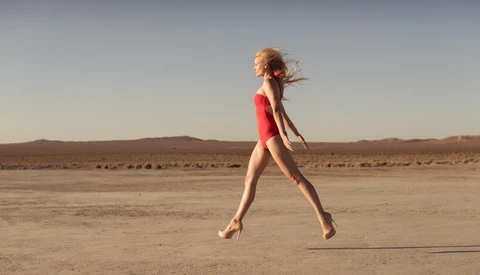
For those trying to balance their passion with their paycheck, here's a quick word on the joys of taking the leap, and the sweet taste of being unemployed. Well, sort of.
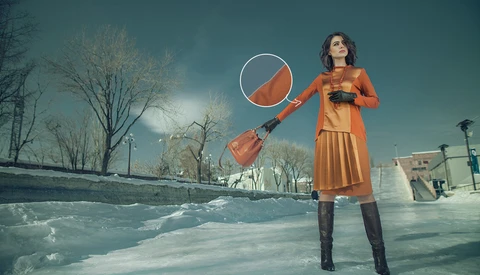
I love shooting on location and am passionate about deep blue skies. Usually I would use CPL and ND filters to get the best skies to my taste. A detailed article about how to get dramatic skies is described in my previous article, "The Ultimate Guide to Dramatic Skies in Portrait Photography." After the shot is taken I always play with the luminosity and saturation values of the blue tones. One issue I often face while darkening the skies via luminosity is having a white outline appear around my model. Today I will take you through a short tutorial of how to get rid of that quickly and effectively, without the need to compensate on your luminosity.
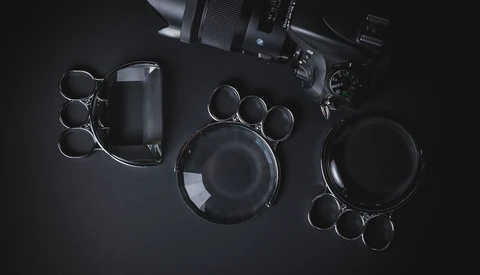
Prism photography isn’t exactly a new thing. In fact, many photographers have been taking advantage of the unique, light bending properties of glass and clear resins to add an artistic flare to their images for some time now. The issue previously had been finding a prism that would work for you and fit neatly into your kit. Fractal Filters has recently released their latest set of prisms designed specifically for photographers that meet the need for convenient photo-prisms.
If you are a shooter or video producer, you know that there are many things that go into creating great video. Sure, using the right gear is key. Composition and lighting are key. But after the video is shot, shot selection, pacing, and color correction have to be considered for the edit. Then there are graphics. Titles, lower thirds, transitions, and the like have to be designed and animated. There are tons of parts that go into making one complete, great-looking video. And it’s hard to master every aspect of video production – not to mention the fact that time and budget constraints make things even harder.
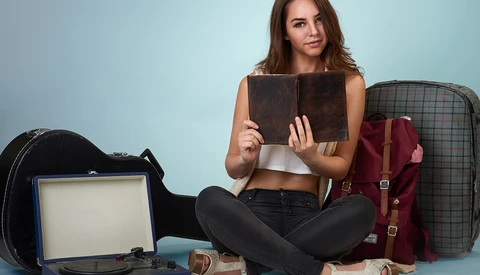
I began my journey as a portrait photographer quite obsessed with the premise of blasting large studio strobes through giant modifiers. It was my workflow for years. In studio, I'd usually be washing my model with giant waves of light and on location I'd lug big, powerful strobes along with huge lengths of extension cords so that I could plug in and not bother with heavy battery packs. About a year and a half ago I stopped using my big strobes completely and eventually ended up selling them in favor of completely switching to small flash.
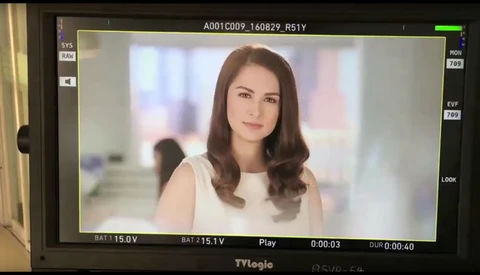
Shooting a beauty video is not quite the same as shooting beauty portraits. While in still photography there is a single frame, in video you can use the power of the moving image to tell a superior story. Here are three cool techniques that help to create this beauty video clip all in camera.
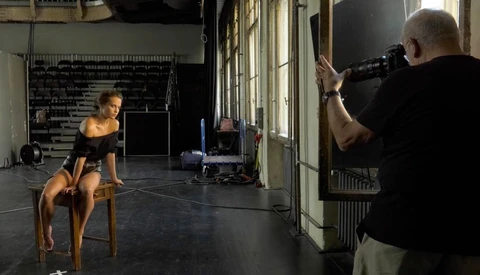
So many photographers dream of shooting the Pirelli Calendar, but so few make it. German Photographer Peter Lindbergh shot the 2017 edition, and he’s probably someone we can all learn from. There must be a reason as to why he is working with all the big names in the cinema and modeling industry. For those like me, who love watching other photographers at work to learn, you must watch this hour-long behind the scenes video of his work for Pirelli.
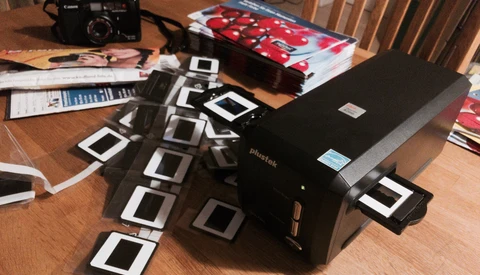
Lately I've cottoned to the film beat quite a bit here. I've written about Super 8 and about film stock options for analog photography, about the revival of Ektachrome, and about instant photography. I love it all, but I'm also aware of the fact that we very much live in the twenty-first century. We live on computers and we live online, and if photos don't exist in these spaces, they may as well not exist at all. So what can be done about getting photos taken on film, old or new, into a form fit for such a universe? Let's talk about film scanning.
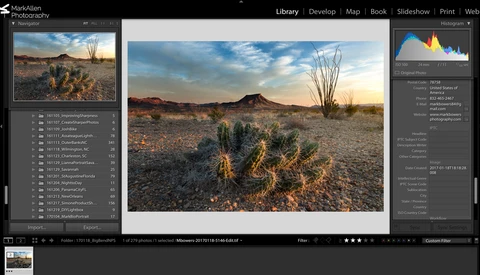
Aside from being a catchy acronym, Digital Asset Management is an incredibly important concept in the world of digital photography that is too often overlooked.
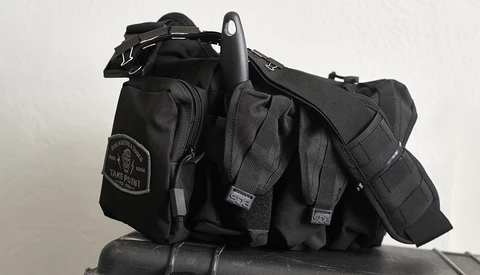
For the majority of my life, I was a soldier in the United States Army. As a part of military life, I learned how valuable it was to be prepared for all the things that could go wrong. Many soldiers will build a bug-out bag, also known as a go-bag. A bug-out bag is essentially a bag full of items one might need when in a pinch. Now as a photographer, my bug-out bag is full of all the little items I often am asked if I have or things that can make any shoot go easier. These things have often meant the difference between success and failure on a shoot. Here is the list of stuff I put in my bag.
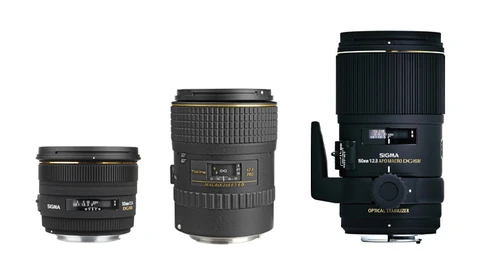
As photographers, many of us are obsessive gear heads always on the hunt for the holy grail of glass. No lens is good enough, we have this mysterious idea of a perfect lens in our imagination that no company could possibly ever actually create. There are, however, a ton of fantastic lenses out there that many photographer would never give a second thought that are more than capable of bringing magic to your next shoot. In this post I'm going to cover three of my favorites.
There comes a time where you need to cut ties with other artists who are not blending well with your company. Makeup artists are very hard to come by in my small town and when one failed to show for more than one appointment it was time to say our goodbyes. But what happens to the session that was a no show? While your client is waiting in that chair, with her excitement starting to wane, it is time to take action. If you are prepared this will be a breeze.

Time-lapse photography has quickly become one of the most popular forms of creative expression in the past year. A ton of expensive gear and advanced methods exist to produce cinema quality videos like the opening sequence in "House of Cards," but this shouldn’t deter you from getting out and trying it on your own.

Beauty retouching isn’t anything new, yet it can be a long and tedious process that may not be so easy to pick up right away. If you are looking into doing it yourself versus contracting it out but are not sure were to start, you can find yourself going through plenty of tutorials and videos that cover this editing process. Where do you begin?
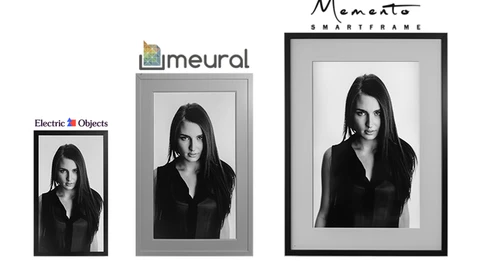
Photography has come a long way since my 35mm high school days. We've seen it go from film, to prohibitively expensive, low-resolution digital, to stunning high-res cameras in every phone. But the method of viewing digital images has been limited to print and computer screens. Since my very first Canon 5D I've been on the hunt for a digital picture frame that could display images with the same brilliance as print.
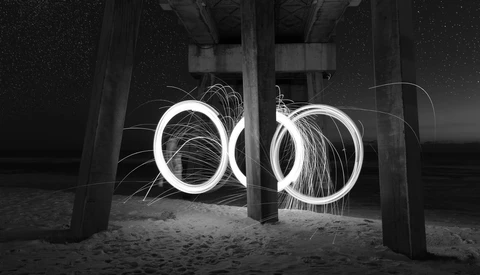
Creating selections in Photoshop can be a painstaking process, oftentimes with mixed results. I learned about luminosity masking by way of exposure blending for landscapes, but its applications are varied.

Internationally acclaimed time-lapse film maker and photographer Rob Whitworth brings magical Cappadocia alive in his flow-motion hyperlapse film for Turkish Airways. The visually stunning clip, which highlights the tourist attractions in the region, took six weeks to shoot over the course of two months and two seasons. The effortless blending of multiple photography techniques and precise After Effects work culminates in a breathtaking finished product which pushes boundaries and leaves no doubt as to why Whitworth's videos have over 9 million online views.
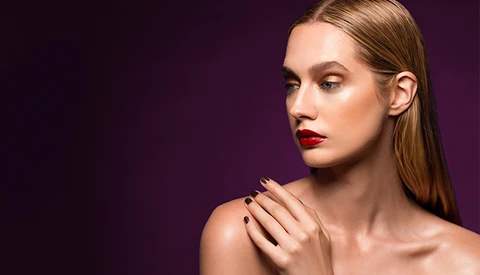
While I’ll always try my best to get the shot right in camera, there're occasions, like when I photographed this beauty editorial, when that’s not always feasible. In this short tutorial, I'll show you how to change your background in a few short steps.
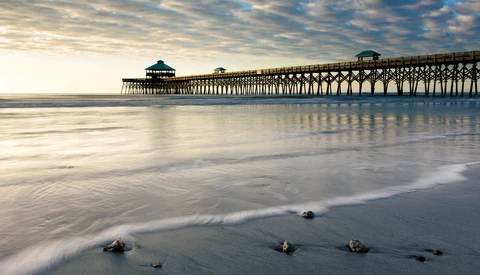
Something I get asked often is how to add color tones to your images. Often the easiest option is to use filters either in Lightroom or with a plugin software such as Google Nik. However, as you delve deeper into the world of color grading you will eventually become curious how to create your own effects.
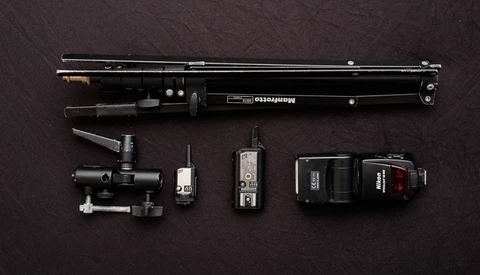
Off-camera flash is a great way to augment your existing photographs. There are so many times when existing light just doesn't give you the result you desire, and that flash could be a solution to creating the image you have in your mind. When you first start, however, the options can be quite overwhelming and it can be difficult to know exactly what you'll need. Let's look into a simple but versatile kit that will allow you to stay mobile and work in many different situations.

Being a long time Lightroom user has helped me have a well polished workflow for my photography projects. So why should I bother trying Capture One Pro?

Macro lenses are fun to play with, and besides they are essential for most photographers, in terms of their versatile usage areas. The Sigma 105mm f/2.8 EX DG OS Macro HSM is one of Sigma’s long-termed produced lenses, and I had a chance to review this lens before the “Art” version comes out.
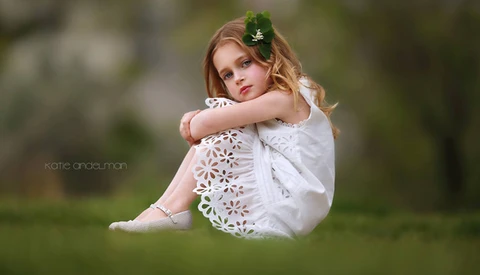
Have you ever wondered how to create portraits with those dreamy watercolor backgrounds? In the following tips, I’ll give you a few tricks on how I achieve this whimsical, ethereal look in my work.