

Insurance is the part of running a photography business that nobody warns you about, nobody teaches you, and nobody finds interesting until the day they need it. Then it becomes the most important conversation of your career, usually too late. Most photographers buy a policy because a venue asked for one, sign whatever the broker recommends, and never think about it again until something breaks, gets stolen, or generates a lawsuit.
By then, the gaps in the policy are not theoretical anymore. They are financial. Here are nine things I wish someone had told me before I bought my first photography insurance policy, so you do not have to learn them the way I did.
1. Your Homeowner's or Renter's Insurance Does Not Cover Gear Used for Paid Work
This is the most common and most expensive misconception in photography. Your standard homeowner's or renter's policy will cover your camera if it is stolen from your home, but only if the camera is used for personal purposes. The moment you take money for a photography session (any session, even one), most policies classify your gear as "business property" and exclude it from coverage entirely.
You can have a $15,000 collection of cameras and lenses fully covered by your renter's insurance, take one paid headshot session, and discover after a theft that the entire claim is denied because the gear was being used commercially. The insurer does not need to prove you were using the specific lens at the moment of theft. They only need to prove that the gear was part of a business operation, and if you have a website with pricing on it, that proof is trivial. Once you take any paid work, you need a dedicated business policy. Full stop.
2. You Need Two Types of Insurance, Not One
Photography insurance is actually two completely different products that get bundled in conversation but sold separately. The first is gear insurance, also called inland marine insurance, which covers your physical equipment against theft, damage, and loss. The second is general liability insurance, which covers you if someone gets hurt at your shoot, if you damage a venue, or if your light stand falls and breaks something expensive. They are not the same policy, and most photographers only buy one of them.
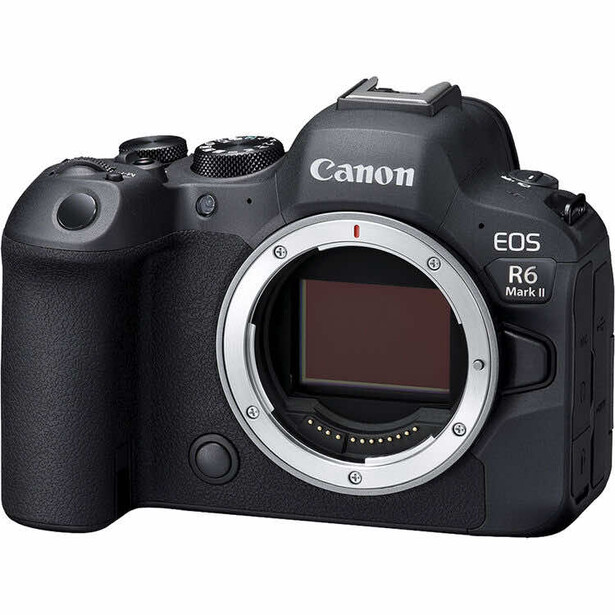
Here is the part that catches photographers off guard: when a venue asks for "proof of insurance" before letting you shoot on their property, they are almost never asking about your gear coverage. They are asking about your general liability policy, because what they care about is whether you are covered if a guest trips over your tripod and breaks an ankle. Showing them your gear insurance certificate accomplishes nothing. You need both policies, and you need them as separate, named coverages on a certificate of insurance you can send to venues on request. If you want a business framework that covers insurance alongside the rest of the operational infrastructure photographers need, Making Real Money: The Business of Commercial Photography walks through the contracts, policies, and business systems that turn a photography hobby into an actual business.
3. PPA Membership Is the Cheapest Path to Coverage for Most Photographers
The Professional Photographers of America membership runs around $300 a year and includes equipment insurance up to a meaningful coverage cap, plus indemnification trust coverage that functions similarly to general liability for many photography scenarios. For working photographers shooting in the lower-to-mid-range gear category, the PPA membership often costs less than a standalone equipment policy and provides additional benefits (continuing education, contract templates, printed materials) that have nothing to do with insurance.
This is not the right answer for every photographer. Photographers with very expensive gear (above the PPA coverage cap), specialized commercial work, or specific liability needs will benefit from dedicated policies through providers like Hill & Usher or Full Frame Insurance. But for the photographer just starting out and trying to figure out the cheapest legitimate path to coverage, the PPA bundle is almost always worth pricing out before committing to a standalone policy.
4. The Deductible Will Make Most Small Claims Not Worth Filing
The deductible on most photography insurance policies sits between $250 and $1,000. That means if your $400 lens gets damaged, the math on filing a claim is actually negative: you pay the deductible, the insurer pays the difference, and you have still lost money on the claim plus the time it took to file it. Many photographers do not realize this until they have a small loss and run the numbers.
The implication is that insurance is not really there for the lens you broke. It is there for the catastrophic loss: the stolen camera bag with three bodies and five lenses inside, the fire that destroys your home studio, the theft of your entire kit from a hotel room. Buy the policy for the disasters, not for the small inconveniences, and adjust your gear handling habits to absorb the small losses yourself.
5. Filing One Claim Can Raise Your Premium for Years
Even when a claim is worth filing, it carries a hidden long-term cost: your premium will go up at the next renewal, sometimes significantly, and the increase persists for several years. Insurance companies treat any claim as a risk signal, even small ones, and they price future coverage accordingly.
This means the calculation for whether to file a claim is not just "deductible vs. payout." It is "deductible plus the next three years of premium increases vs. payout." Run that math before you file anything small. For larger losses, the claim is obviously worth it. For borderline cases, the long-term cost of the premium increase often makes paying out of pocket the cheaper option.
6. Document Your Gear Before the Loss, Not After
Every insurance policy I have ever read requires documentation of the gear being claimed. Serial numbers. Original receipts. Date of purchase. Proof of ownership. The policy says this in language that is easy to skim past until the day you need to file a claim and discover you cannot remember the serial number on the body that just got stolen, you do not have the receipt from the lens you bought three years ago, and the insurer is asking for documentation you cannot produce.
Build a gear inventory the week you buy your first policy. Include the make, model, serial number, purchase date, purchase price, and a photo of each item. Update it every time you buy or sell something. Store it in two places, ideally a cloud service and a local external SSD or USB flash drive, so the document survives the same disaster that destroys your gear. This takes one afternoon. It will save you thousands of dollars and weeks of stress when you finally need it.
7. Drones Require Their Own Insurance
Almost every standard photography insurance policy explicitly excludes drones. The exclusion is in the fine print of the policy you signed, and it surprises drone-flying photographers regularly when they try to file a claim for a crashed or stolen drone and discover the policy never covered it.
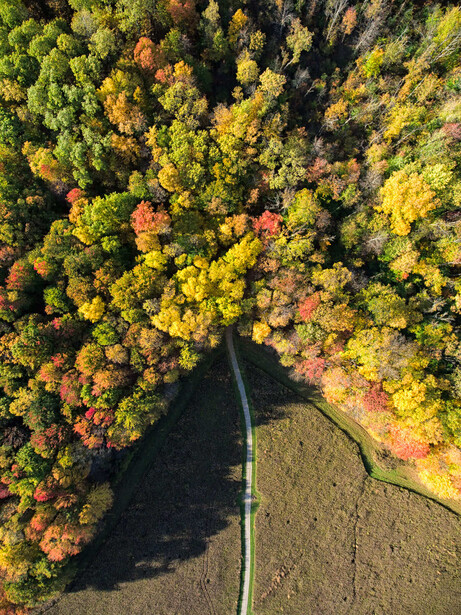
If you fly a drone for paid work, you need a separate drone insurance policy (or a rider added to your existing policy) that specifically covers aerial equipment. Providers sometimes offer per-flight policies that work well for occasional drone shoots, while photographers who fly regularly should consider an annual policy. And if you fly commercially without insurance and crash into someone's car, the financial liability is yours, personally, with no business policy to fall back on. Drones are not optional to insure if you fly them for money.
8. Gear Left in a Vehicle Is the Most Common Claim Denial
Read the exclusions section of your policy carefully and you will find a clause about vehicle theft. Most policies will not cover gear stolen from an unattended vehicle, period, or will only cover it under very narrow circumstances (locked trunk, hidden from view, vehicle parked in a secured location). This is the single most common reason photography insurance claims get denied.
The insurer's reasoning is that gear in a vehicle is an avoidable risk: you could have brought it inside, stored it in a hotel room safe, or left it at home. The fact that you ran into a coffee shop for ten minutes and your camera bag was visible in the back seat is, from the insurer's perspective, a choice you made, and they will not pay for the consequences of that choice. The practical implication is that you cannot leave your gear in a car ever, even briefly, and expect insurance to cover it if something happens. If the gear matters, it travels with you, which means the camera bag you choose actually matters: it needs to be comfortable enough to wear into a coffee shop, a gas station, and a hotel lobby without thinking twice.
9. "Actual Cash Value" vs. "Replacement Cost" Is the Difference of Thousands of Dollars
Buried in your policy is a single phrase that determines whether a claim payout will rebuild your kit or leave you significantly short. Some policies pay "actual cash value," which means the depreciated value of the gear at the time of loss. Other policies pay "replacement cost," which means what it would cost to replace the gear with a new equivalent today.
The difference is enormous. A camera you bought for $2,500 four years ago might have an actual cash value of $900 (because the body has depreciated), while its replacement cost is still $2,500 or more (because that is what an equivalent new body costs). Under an actual cash value policy, you get $900 minus your deductible. Under a replacement cost policy, you get $2,500 minus your deductible. Across an entire kit, the difference can easily exceed $10,000. Always, always, always buy replacement cost coverage if you can afford the slightly higher premium. The gap between the two is the gap between rebuilding your business and rebuilding part of it.
Insurance is not the most exciting topic in photography, but it is one of the few decisions you make once that affects your business for years. Get it right early, and the policy sits in a drawer doing nothing until the day you desperately need it. Get it wrong, and you discover the wrong thing at the worst possible moment, when a claim is denied, a venue refuses entry, or a payout falls short of what you needed to keep operating.
Spend an afternoon on this. Read your current policy if you have one. Get quotes from a specialized photography insurance broker if you do not. Ask the questions in this article. The boring conversation about what is covered and what is not is the conversation that will save your business when something goes wrong, and something always, eventually, goes wrong.


Join the Fstoppers community for free
-
Post comments and join in the discussions
-
Browse the site ad-free
-
Share your work and get featured in the community
-
Compete in the photo contests for fun and prizes
1 Comment
really solid list of things to consider