
How to Sharpen Your Images in Photoshop Like a Pro
Whether you’re working with portraits or textured scenes, sharpening helps guide the viewer’s eye to key elements. Here's how to do it like a pro using Photoshop.
Whether you’re working with portraits or textured scenes, sharpening helps guide the viewer’s eye to key elements. Here's how to do it like a pro using Photoshop.
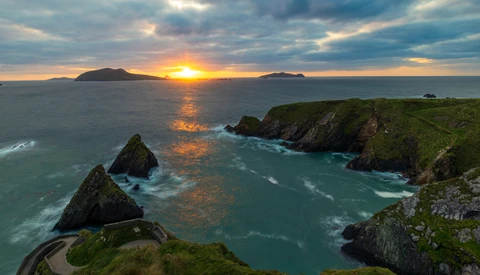
Composition is one of the most crucial elements in photography. It’s what gives your images balance, depth, and impact. Even the most stunning landscape can look flat and uninspiring without good composition. In this article, I will go into the fundamentals of composition and explore how I use different techniques to create visually captivating landscape photos.
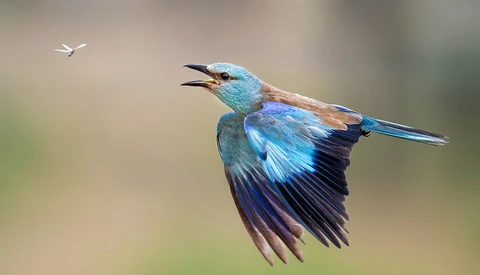
Wildlife photography often demands a significant investment in gear, especially when choosing between two of the most versatile telephoto lenses: the 400mm f/2.8 and the 600mm f/4. Each has its strengths, but finding the right fit depends on your shooting style, subjects, and typical distances.
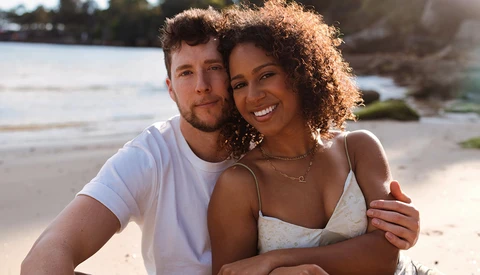
Thoughtful posing, combined with attention to emotion and movement, creates images that feel genuine. Here is a range of poses sure to help you improve your images.
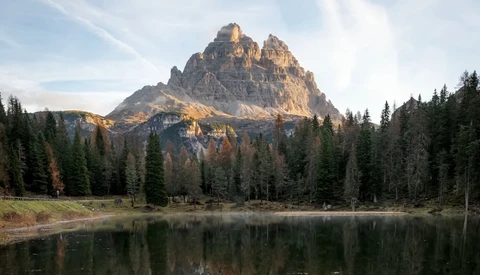
Editing photos can feel overwhelming when you’re just starting out. With so many tools available, deciding where to begin often leads to trial and error. If you’ve ever struggled with this, a clear workflow can make all the difference.
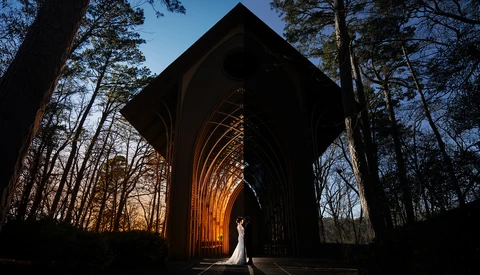
When it comes to digital photography, I think editing is as important as the darkroom was for film photography. But now, we have a lot more tools at our disposal.
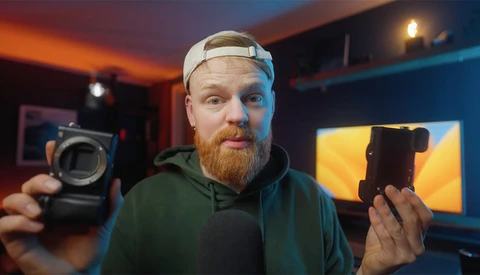
There are so many times I've asked myself: If I were starting fresh, would I end up within the same system of gear that I'm using now? When I started photography, Sony wasn't even a player in the DSLR game, and so inertia has invariably led me to (mostly) Canon and Nikon over the years. But today's new photographers are spoiled for choice. Which way to go?
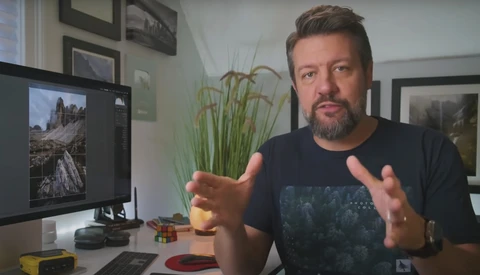
Composition in photography can be challenging. It involves a series of rules that some say are to be followed, others say to be broken, and some say to be bent. What exactly are you looking for in a composition? How do the rules play together? Not wasting space in the frame is a great way to start.
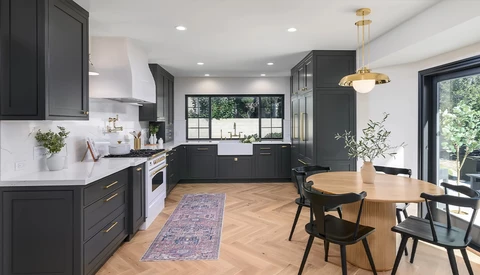
Real estate photography is evolving, and staying ahead of trends can give you an edge. From storytelling techniques to advancements in editing, adapting to these trends could redefine how you approach your work.
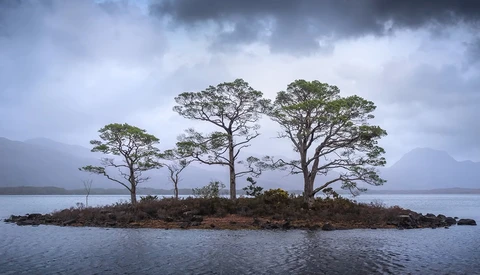
Photography is about more than just capturing a scene; it's about preserving the feeling of a moment. Emotional connection often sets apart a compelling image from a forgettable one. It’s not about perfection or rigid rules but about creating photos that resonate on a deeper, personal level.
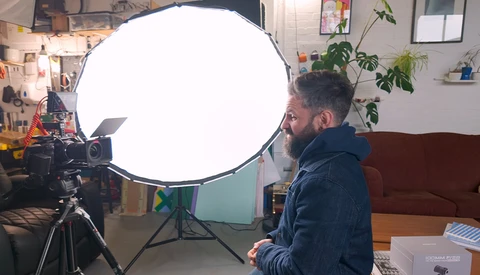
YouTube can be a fascinating but challenging platform for anyone looking to merge their passion for photography with content creation, as t he platform offers opportunities to showcase work, share knowledge, and even generate income. However, navigating finances, sponsorships, and audience expectations isn't as straightforward as it seems.
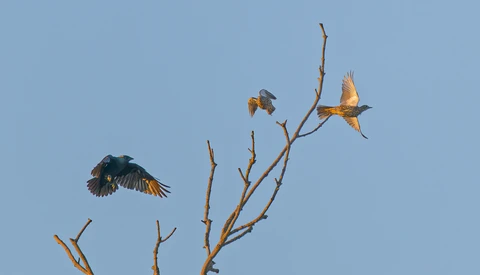
The interplay between composition and exposure is crucial. Understanding how these elements work together allows us to create images that are not only technically accurate but also emotionally compelling.
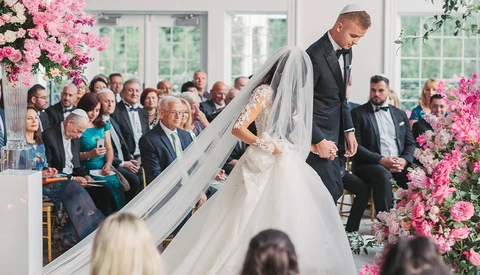
Wedding photography doesn’t require a mountain of gear. The key is knowing what’s essential to deliver great results while staying focused on capturing the day. Simplifying your kit can help you stay present, especially if you’re just starting out.
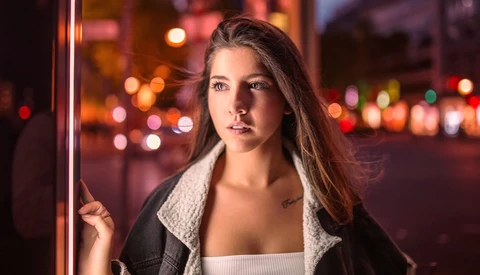
Making colors pop in your photos doesn’t have to be overwhelming. With a few straightforward adjustments, you can make your images vibrant and polished, whether you’re working in Photoshop or Lightroom.
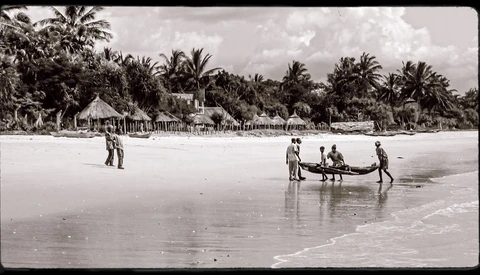
The marketing battle between the big camera manufacturers is irrelevant. A far older and more important disagreement that has raged since the dawn of our art is as relevant today as ever. Where do you stand?

Light can transform a portrait from ordinary to stunning. Using modifiers and positioning effectively allows you to create drama, texture, and depth.
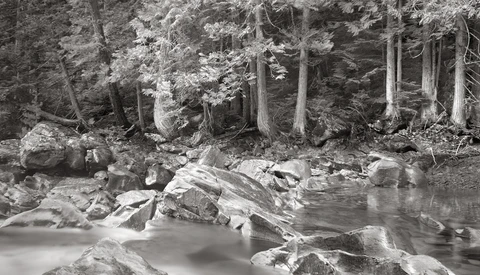
My photographs are hardly ever representative of objective reality, but they are representative of my vision, my artistic interpretation of the scene. In this article, I will talk about why I made a particular photograph, what was done in the camera, and then what I did in the darkroom to realize the finished image—or at least the image as it is right now.
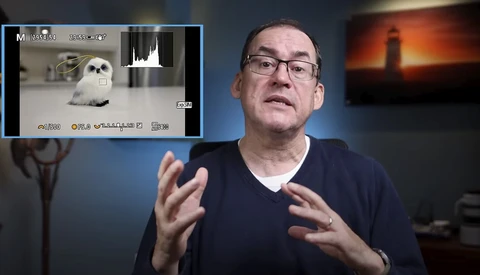
Whether you are new to photography, an experienced pro, or somewhere in between, we start configuring our cameras a certain way and then stop once we think we have it perfected. This can cause a photographer to miss some very helpful settings that can make them more efficient in the field.
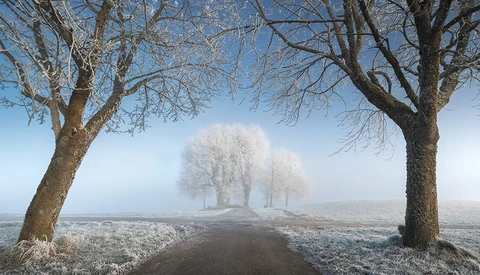
Creating crisp, visually striking photos often requires more than just a great shot. Thoughtful Lightroom adjustments can help you refine details, enhance sharpness, and bring out the best in your images.
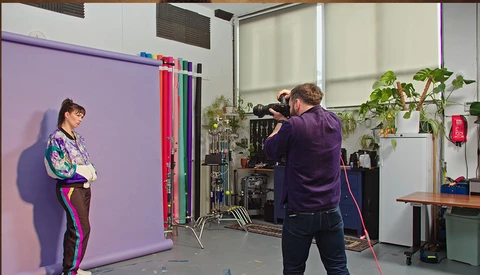
Knowing when to hand over raw files and when to keep them can be a critical factor in how you’re perceived professionally. It’s not always as simple as saying “no.” In some situations, sharing your raw files can be a necessity, while in others, it could be a mistake.

Lighting can make or break your photos. It’s one of the most important elements to get right, yet it’s also one of the most common areas where mistakes happen. By understanding a few key missteps, you can improve your results quickly and avoid some of the pitfalls that hold many people back.
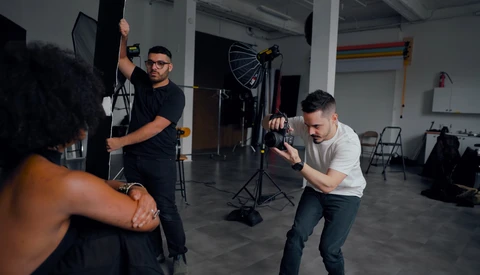
Figuring out how to price your services can feel overwhelming when you’re starting out. Whether you’re handling photography, videography, or broader social media content, knowing what to charge is a skill that can simplify your process and boost your confidence.
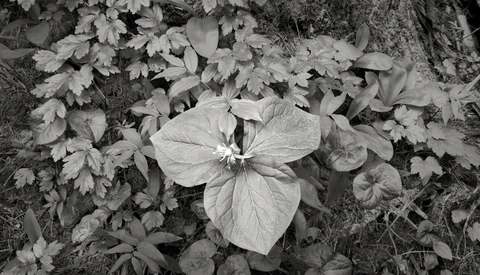
When I began photographing the landscape, the only option was using film, either black and white or color. When using black and white film, most of us used the Zone System or a derivation of it. Even those who cursed it as being too constrictive—it is not—or some kind of voodoo (again, it is not) were using this type of system in some way.
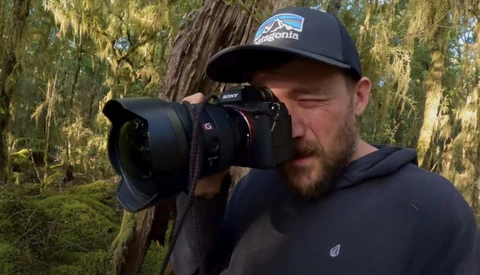
Woodland photography can be one of the more challenging environments for landscape photography. The trees and undergrowth create scenes of chaos that can be hard to organize into compelling images. Follow along as two landscape photographers wander through a rainforest, making photographs.
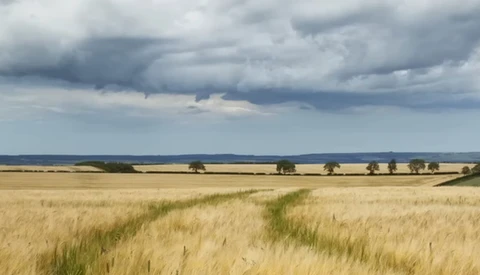
Shutter speed plays a huge role in how your images turn out, but it’s easy to fall into default habits like 1/125 of a second. Moving beyond those defaults opens up creative possibilities, whether you’re capturing motion blur or freezing fast action.
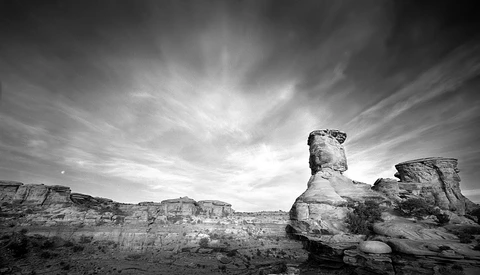
Photographing the landscape can be hard work, at times very hard work. It entails rising well before daylight in most cases and working in sometimes very harsh conditions. Most of the time, you will be out in the woods until well past dark, waiting for just the right moment, which may not come—even after your most valiant efforts.
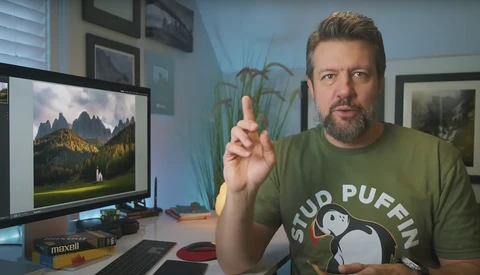
Do you find yourself getting frustrated with your photography in the field? It is easy to fall into routines and practices that could hamper your photography and stifle your creativity. Are you looking for a way to break out of that as we move into 2025? This video provides a practical tip to help!
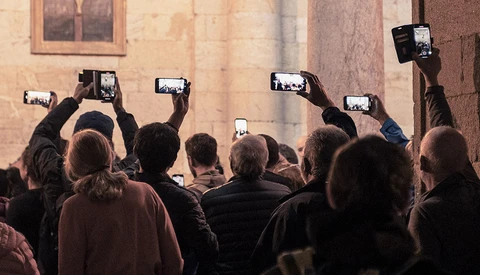
You’ve got your new upgraded camera, maybe a new lens, and Santa delivered a cool new magnetic filter kit. Now you’re all set this year to take sharper photos, faster, without reflections. But is this enough to help you become a better photographer in 2025? Spoiler: No. It may actually make you a worse photographer.
Street photography thrives on strong composition and purposeful framing. Creating images that captivate often comes down to how effectively you use the space within your frame.
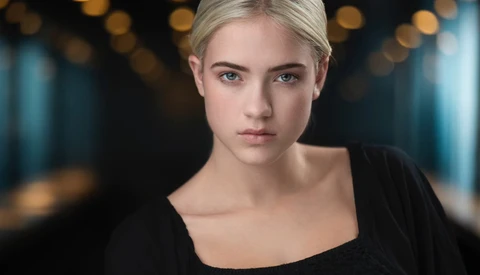
With more clients seeking unique, standout images, digital backdrops could give you a creative edge and make your work more efficient.
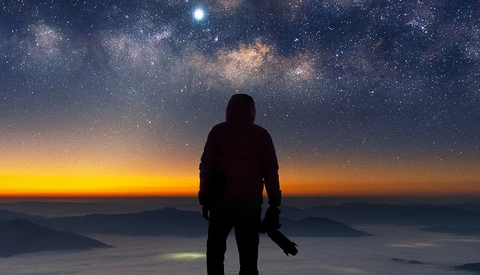
As photographers grow more familiar with their gear and solidify their preferred approach, it’s easy to fall into comfortable, well-trodden patterns. We often return to the same focal lengths, shoot the same subjects, rely on the same post-processing techniques, and compose images according to established habits.
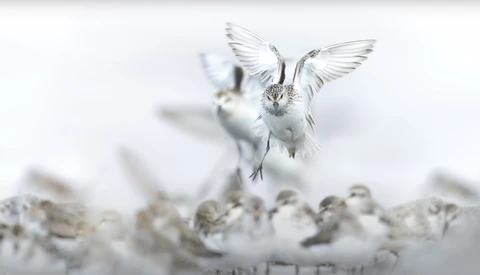
If you approach the scene you are photographing thinking in 2D, you may have difficulty transforming your image from just a snapshot to something visually interesting and intentional. Learning to think in 3D will help you approach scenes more dynamically and create more compelling images.
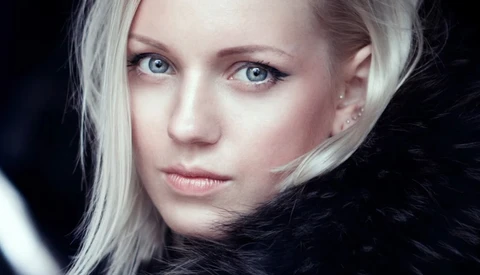
Natural light portrait photography demands a nuanced understanding of how light interacts with the environment. By learning to read and work with available light, you can transform challenging conditions into opportunities for creating captivating portraits that stand out from the crowd.
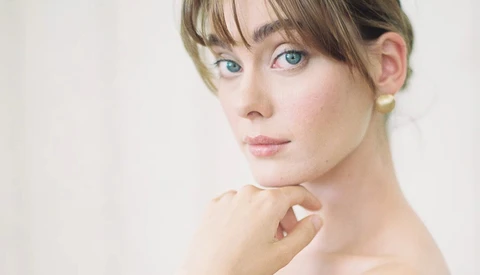
Setting ambitious goals in photography requires more than just dreaming - it demands consistent, deliberate action to transform those aspirations into reality. Whether you're looking to start a wedding photography business or launch a creative project, understanding how to effectively bridge the gap between vision and execution can make all the difference in your success.
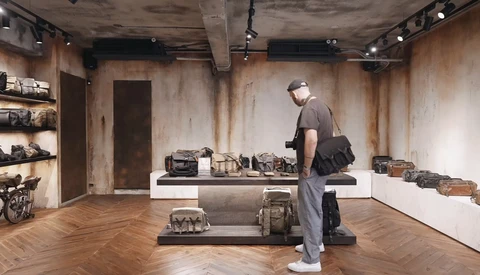
Feeling stuck in your photography journey can be frustrating, especially when it's easy to think new gear will solve your problems. Instead of relying on temporary fixes, it’s a good time to rethink your approach and rediscover your creative spark.
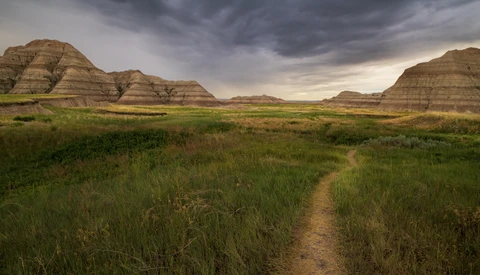
Isn't it great to have a crystal ball to tell us our future and what's around the next corner? Unfortunately, there is no such thing, and we must live life, make mistakes, and move on. I wish I had one, especially when I started my photography journey. Here are five things I had to learn the hard way.
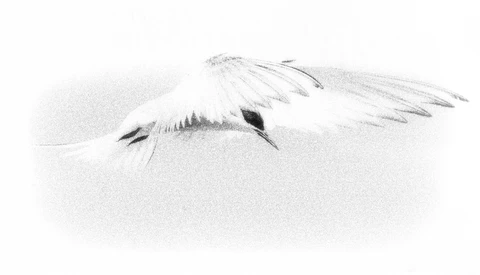
Creativity is often tied to a photographer's success. Many approach it incorrectly and wonder why their photography fails. Here's how to approach creativity, freeing yourself from the mundane images everyone else shoots.
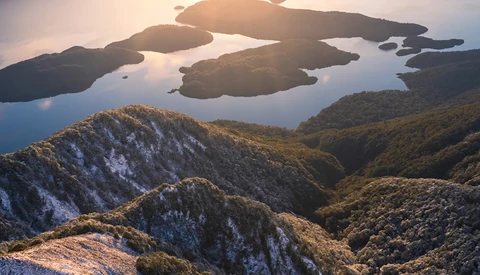
Even with the best gear, a stunning location, and perfect light, your photos can still fall flat. The key lies in composition. It’s a skill that evolves over time and one you’ll always have room to improve.
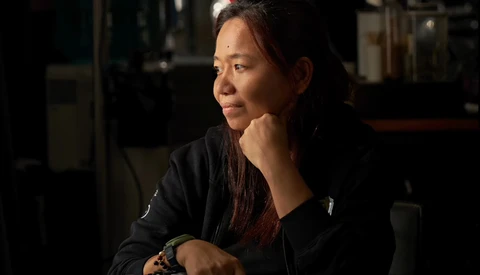
Balancing ambient and artificial light is one of the most valuable skills you can develop. Understanding how to control light gives you more flexibility and precision in your work.
Hard work can often outpace natural talent in photography. The learning curve may seem steep, but dedication to developing skills and creativity can open doors that talent alone won’t.
Photographing a place with a rich history or unique features forces you to approach it with fresh eyes. The struggle to avoid clichés and create something original is what makes these moments so rewarding.
Reflecting on your work and setting intentions for the future can transform the way you approach photography. With a new year comes an opportunity to refine habits, focus your energy, and work toward meaningful progress in your craft.
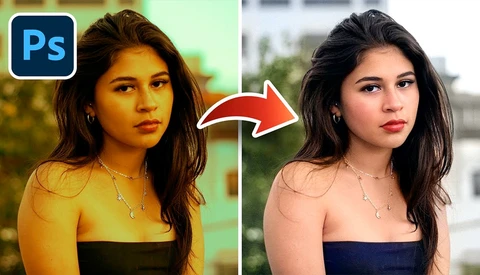
Correcting challenging skin tones can be one of the most frustrating parts of photo editing. Here's how to get reliable results every time.
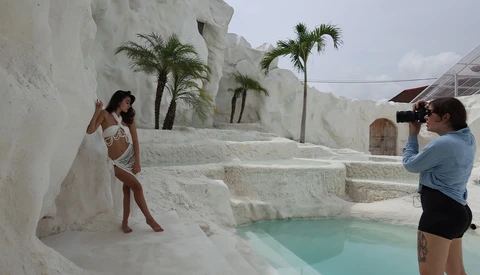
Unseen photo shoots can offer a rare glimpse into the challenges and unpredictability of creating compelling images, shedding light on the realities of managing expectations, conditions, and results.
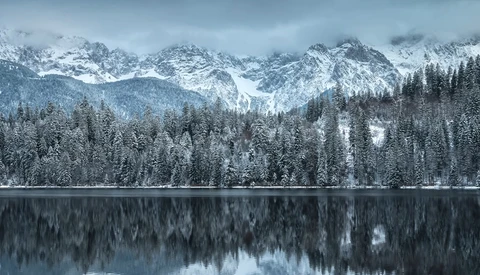
White balance is a tool for shaping the mood and tone of your image. Whether it’s the chill of a winter morning or the warmth of a glowing sunset, white balance offers control over how your viewers feel when they look at your work.

It’s not just about owning better gear—it’s about developing technical expertise, refining your style, and mastering the intangible qualities that set advanced photographers apart.

Sometimes the best results come from unexpected challenges. A seemingly wrong gear choice at a wedding shoot turned into a lesson in creativity, pushing boundaries and proving the value of adapting to your circumstances.
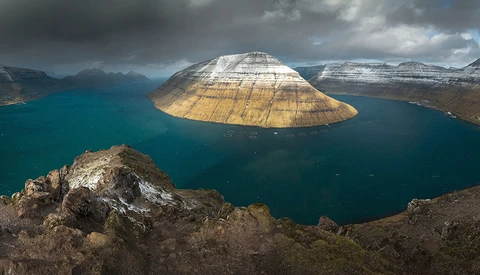
Creating depth in your images can transform a flat photograph into something visually compelling. Here's how a good Lightroom edit can do that.
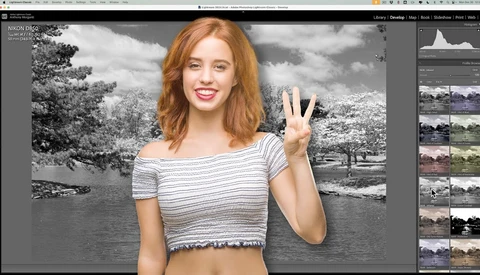
Converting color photos to black and white can highlight textures and contrasts in ways color cannot. Here's how to do it in Lightroom.
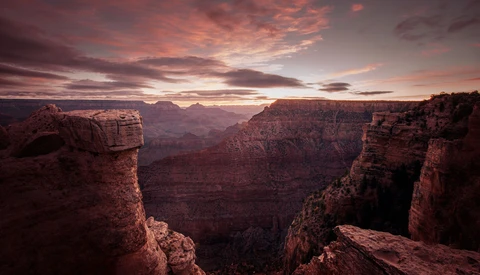
I’ve noticed that dramatic photos, full of bright colors from a sunset or a scenic view, get the most likes on social media. People aren’t liking the photographer’s skillful technique; they’re liking what they’re seeing—the colors, the location, etc. Of course, many of these photos are taken by photographers solely because of the colors or the view, with no other reason.