
A Step-by-Step Guide to Editing Tricky Event Photos
Mixed lighting and uneven exposures are challenges you’re bound to face, especially in event photography where lighting conditions are unpredictable. Here's how to fix them in Lightroom.
Mixed lighting and uneven exposures are challenges you’re bound to face, especially in event photography where lighting conditions are unpredictable. Here's how to fix them in Lightroom.
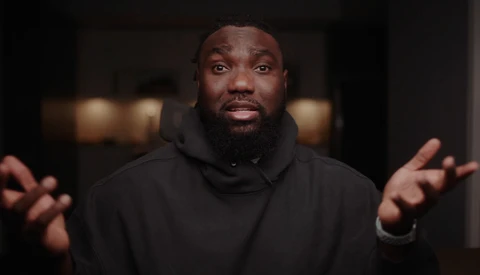
The photography industry has changed dramatically over the past decade, and 2025 has brought new challenges that many are struggling to overcome. With trends shifting, technology advancing, and the market becoming more competitive, it’s crucial to adapt to the evolving landscape if you want to stay ahead.
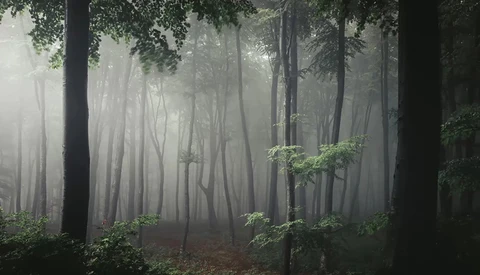
Understanding how light interacts with shadow can transform your landscape images. The ability to recognize and capture high-contrast scenes gives your images depth, drama, and visual impact.
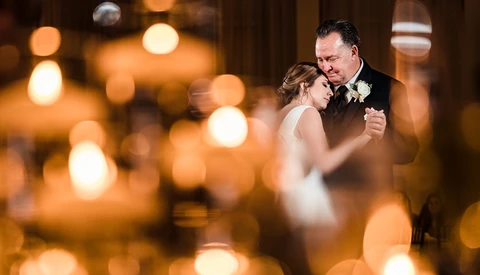
Under the umbrella of wedding photography stands an approach to documenting weddings known as wedding photojournalism. While part of the wedding genre, wedding photojournalism leans more into its photojournalism roots, offering a more "hands-off" approach to capturing the moments of the wedding day.
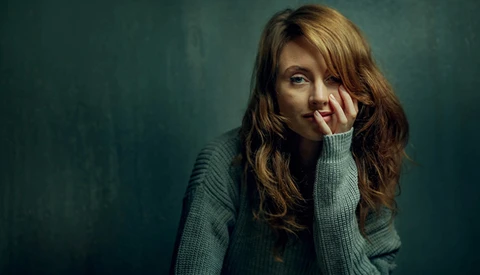
When it comes to improving your portrait photography, having the right tools can make all the difference. The right gear can elevate the quality of your images, improve your workflow, and help you experiment with techniques that refine your craft and creativity.
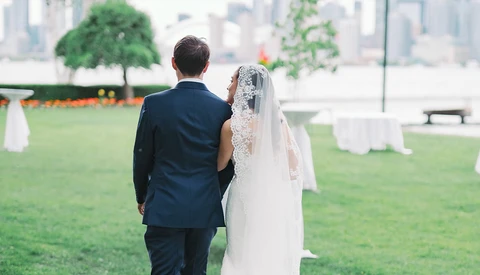
Running a successful wedding photography business requires constant evolution and reflection. Staying competitive means revisiting your work, refining your approach, and understanding your clients better.
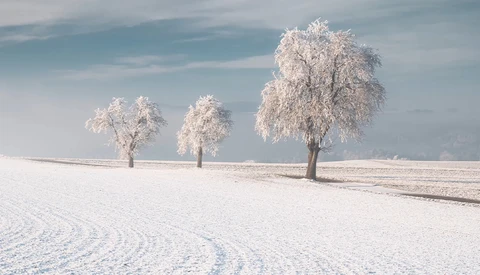
The tone curve in Lightroom is a powerful tool for adjusting the exposure and tonal balance of your photos. Mastering this feature can help you achieve more refined edits, creating a polished, professional look.
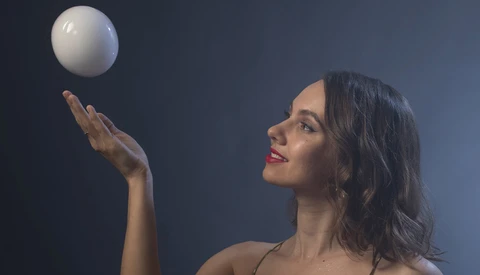
Handheld smoke machines have changed the way you can create dramatic, cinematic portraits. They give you the ability to add depth, texture, and atmosphere to your images with ease. It’s a powerful tool to elevate the storytelling in your portraits.
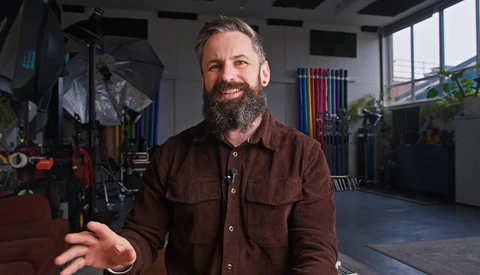
Understanding how to manage the business side of your creative career can make the difference between struggling and thriving. From finances to networking, mastering a few key principles can save you years of frustration and help you build a more sustainable career.

Modifiers are essential tools for shaping light, and knowing how to use them can dramatically affect the look and feel of your images. These tools allow you to control the quality, direction, and intensity of light, which is crucial whether you’re shooting portraits, products, or events.

Understanding how key sliders in Lightroom work can transform your approach. Sliders like Texture, Clarity, and Dehaze are powerful tools that shape how details, edges, and light appear in your photos. Learning their nuances helps you make informed decisions when enhancing your images.
Building a successful creative business is about more than just technical skills. It requires adopting strategies that help you grow, adapt, and build meaningful connections in your field.
Improving your portraits doesn’t always mean investing in expensive gear. Sometimes, a simple tool like a reflector can make a world of difference. Reflectors are versatile, cost-effective, and easy to use.
When it comes to improving your photography, working on targeted projects can be transformative. They help you focus, push your creative boundaries, and refine your personal style.
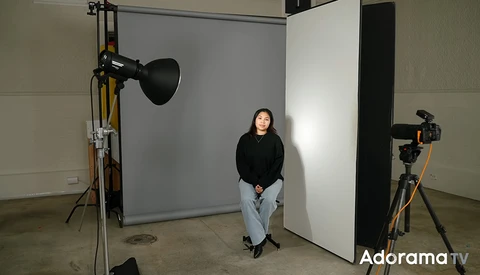
Light control is one of the most important aspects of photography. Whether you’re lighting a subject or creating mood through shadows, tools like grids can shape how your final image looks. But not all grids are the same, and subtle differences can affect the results in ways you might not expect.
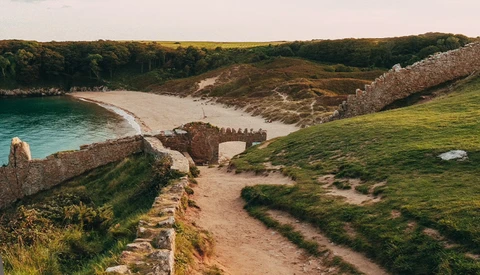
Making digital photos look like film is something many people are interested in, but achieving authentic results can be tricky. One area that often gets overlooked is the appearance of grain. Getting it right can significantly enhance your images by mimicking the subtle imperfections that define film.
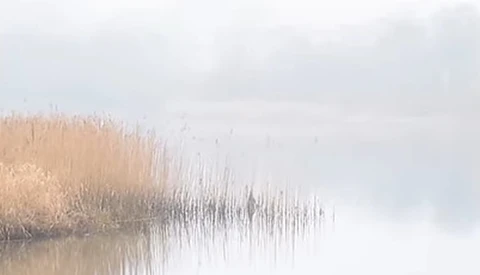
Whether dealing with snow-covered scenes or foggy mornings, knowing how to make the most of unpredictable conditions can help you create better images and enjoy the process more.
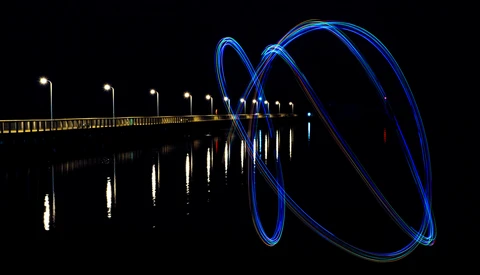
The Mere Exposure Effect is a principle first proposed back in the 1960s. It’s an important consideration for any photographer who wants to produce either popular images or push the boundaries and appeal to a smaller, more discerning audience. Your stylistic choice will impact the broadness of your photos’ appeal.
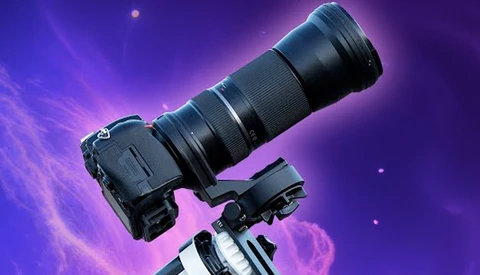
Star trackers can transform your astrophotography by enabling longer exposures without star trails, allowing you to capture more detail in the night sky. Understanding their intricacies, however, is essential, as they can be finicky and require practice to master.
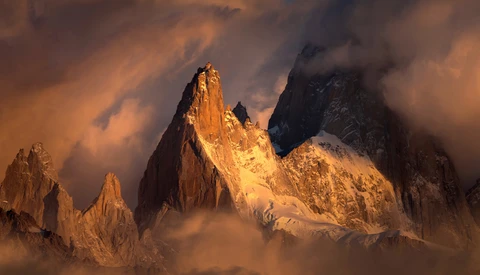
Staying motivated in photography can be challenging, especially when you hit a creative slump. Without a clear sense of direction or purpose, it’s easy to feel adrift, and that lack of vision can make even picking up your camera feel like a chore. Vision isn’t about gear or technical skills—it’s about having something to strive for, a destination to guide your creative energy.
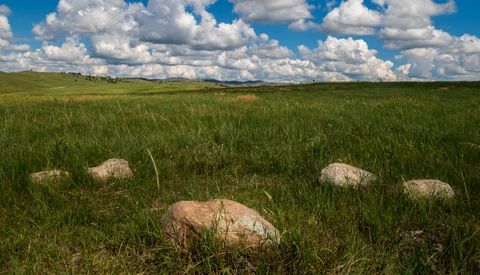
We’re no Michelangelo, and I mean, we're photographers, not sculptors. Photographers have a tough job with our medium; we work with a 2D medium. Creating depth in our images can be challenging, but we can create depth with these five tips.
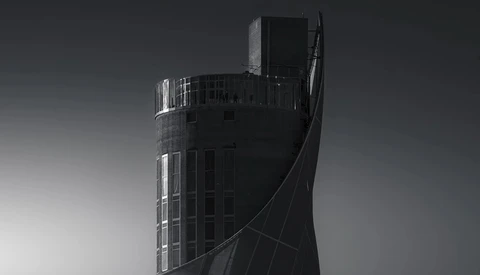
Black-and-white photography has a way of emphasizing the relationship between light and shadow in ways color photography often cannot. Transforming an ordinary photo into a striking black-and-white image requires a blend of technical precision and creative decision-making.
The debate over “straight out of camera” photos often stirs strong opinions, but how much control do you really have before the shutter clicks? This video explains why the phrase might not mean what you think and digs into the reality of digital image processing.
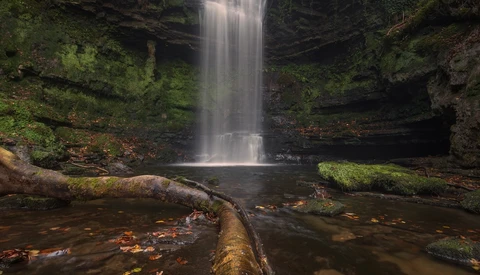
Waterfall photography is often described as one of the most mesmerizing forms of landscape photography. The challenge of capturing the motion of flowing water, along with the contrast of the surrounding still landscape, can create some stunning visual effects. The use of specific camera settings, lenses, and filters plays a huge role in the final result.
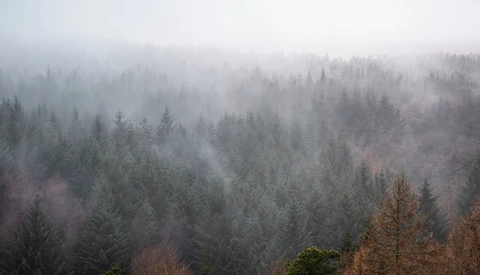
Getting stuck in the cycle of overconsumption can hold back your creativity. Watching endless tutorials or reading gear reviews might feel productive, but it can leave you overwhelmed and unable to take meaningful action. For anyone struggling with this, finding the balance between learning and doing is key to moving forward.
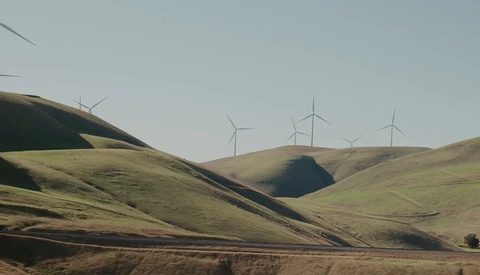
If you're navigating your creative journey, staying inspired and finding success can feel overwhelming. In this video, a seasoned freelance photographer shares valuable lessons from his decade-long career.
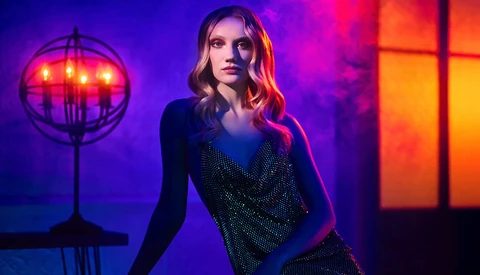
Lighting can transform even the most boring locations into compelling, visually engaging scenes. You don’t need an elaborate setup or a perfectly styled space to create interesting photos. The secret lies in how you use light to add depth, atmosphere, and dimension to your shots.
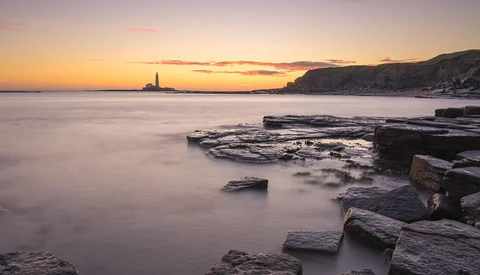
Exploring your local area for landscape photography can be a surprisingly effective way to sharpen your skills and experiment with new techniques. While traveling to new, exotic locations often feels more rewarding, the familiarity of your home patch offers unique opportunities to grow and refine your approach.
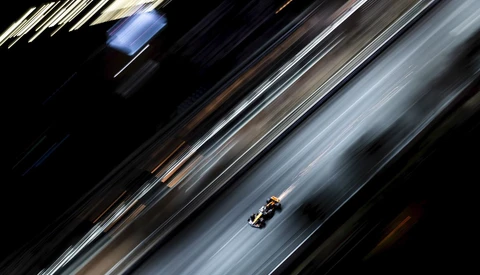
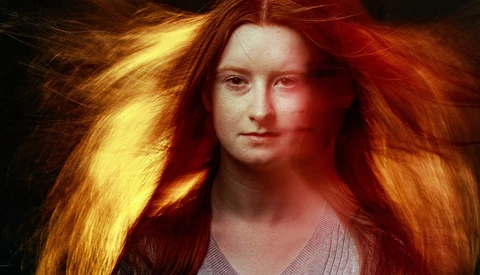
Self-doubt can creep into any creative process, but in photography, it has a way of growing unchecked. That inner critic can leave you questioning your abilities, even if you’ve won awards or spent decades honing your craft. It’s not a lack of skill that fuels this doubt—it’s often how you compare yourself to others and how you view your own work.
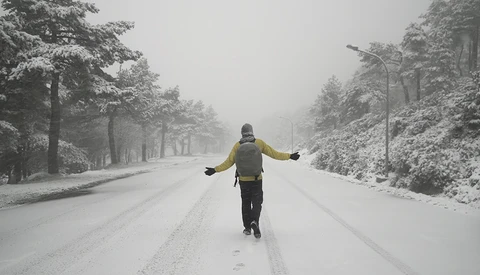
The decision to turn photography from a passion into a profession is a leap many dream about but few take. It’s a deeply personal journey, shaped by ambition, risk, and the challenges of balancing creative freedom with financial stability. For outdoor photography, in particular, the realities can be even more complex.
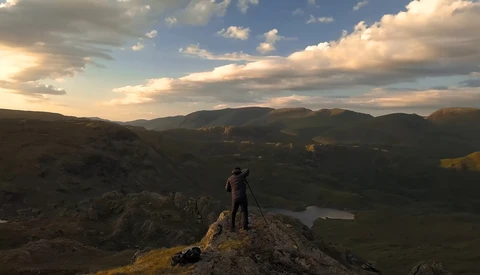
Mistakes are part of growth in any craft, including photography. For landscape photography, where conditions and circumstances can change in an instant, even experienced professionals find themselves relearning old lessons. These missteps aren’t just frustrating—they’re also opportunities to adjust your approach, improve, and refine your process.
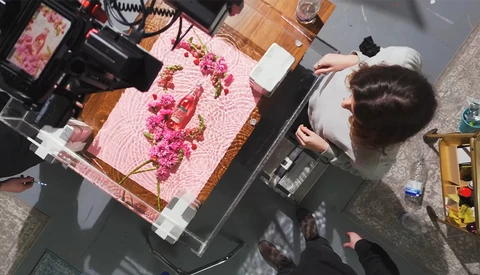
Lighting is one of the most powerful tools you can use to shape your images. Yet, there’s a lot of confusion surrounding it. Understanding these nuances can make or break how your shots come together.
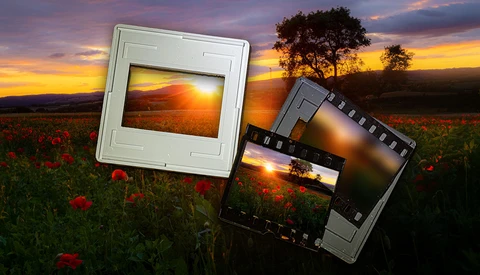
The Orton effect brings a dreamy appearance to an image. This effect, named after photographer Michael Orton, is nearly always added in post-processing. Wouldn’t it be wonderful to add this effect in-camera? This can be accomplished with a double exposure.
Editing your images is about more than just making them look good; it’s about using tools effectively to achieve the results you envision. Understanding how the basic adjustment panel and the tone curve in Lightroom work together can significantly improve the dynamic range, contrast, and tone of your images.
Straightening your photos and adjusting their composition can make a huge difference in the final look of your images. With Photoshop’s tools, you can fix crooked horizons, add missing details, and even enhance composition with precision and ease.

Understanding what elevates a good image into a truly great one isn’t just about having the right tools. It’s about refining your approach to light, composition, and the story behind every frame. By breaking down these concepts, you can start to see meaningful improvements in your work.
When you think about improving your photography, you might picture buying new gear or chasing perfect light. But some of the biggest improvements come from small adjustments to technique and mindset. Addressing these common challenges can not only improve your photos but also make the process more enjoyable.
Photography isn’t just about taking pictures; it’s a long-term process that requires consistency and a mindset focused on growth. Whether you’re shooting in the streets, capturing travel memories, or experimenting with landscapes, adopting the right habits can make all the difference.
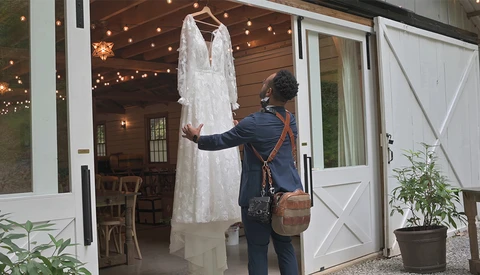
Planning is critical on wedding days, and having a clear timeline isn’t just for planners. Writing your own timeline ensures you know exactly when and where you need to be to capture key moments. It also helps the couple stay informed and makes the entire day run more smoothly, leaving you free to focus on creating memorable photos.
There’s a lot of debate about whether high-end gear leads to better photographs. While modern cameras offer convenience and reliability, it’s worth questioning if they actually improve your artistic output or just make the process easier.
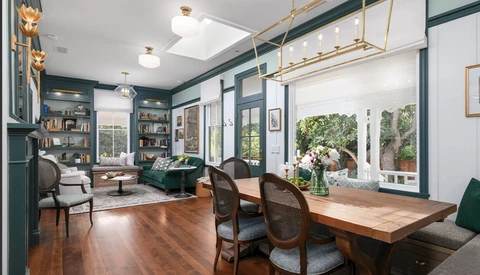
Real estate and architectural photography might seem similar, but they serve distinct purposes and cater to different markets. Understanding these differences can help you better tailor your approach and work effectively with clients.

Finding the extraordinary in simple scenes is a skill every photographer should develop. A minimalist approach not only creates striking images but also pushes you to think creatively about composition, light, and negative space.
The constant chase for the next photo, location, or achievement can lead to burnout. Balancing your passion with a slower, more reflective approach not only improves your work but also makes the process far more fulfilling.
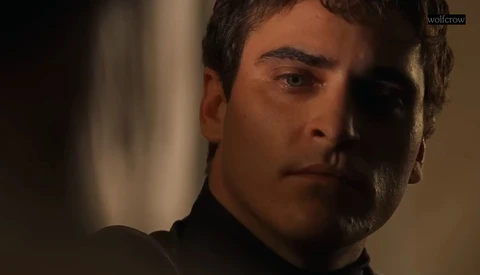
The opening battle of Gladiator remains a memorable moment in modern cinema. Its combination of layered storytelling, technical precision, and visceral energy still holds its own more than two decades after the film’s release.
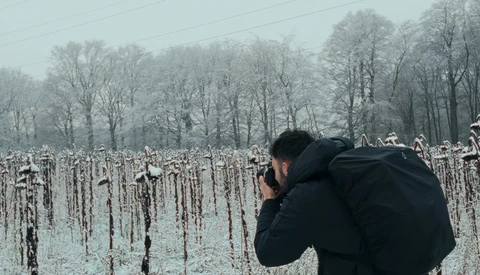
Pushing through self-doubt and finding purpose in photography can be a challenge. When you're out capturing moments, it’s easy to wonder what it’s all for. Yet, reminding yourself of why you love photography can reignite your passion and keep you inspired.
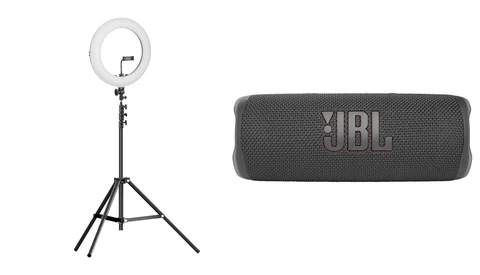
It’s easy to feel nervous about the logistics of a corporate team shoot—what will the space be like? How do you light each person consistently? The reality is that the lighting in an office can be harsh and unflattering—overhead strip lighting is no one’s friend! And space can be really tight. So, I always bring some extra lighting in case we can’t use window light and some compact equipment.
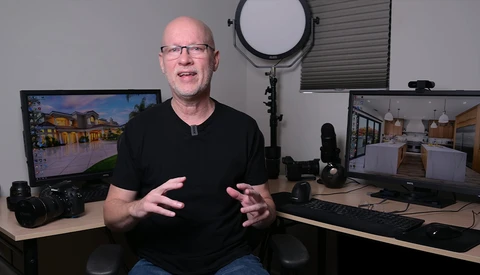
As Zillow pushes its Showcase platform to brokerages, real estate media professionals face new challenges and opportunities. Understanding how this platform works and its impact on listings is key to staying ahead in a competitive market.
Creativity is often sparked by unexpected sources. For some, it’s visual art or literature, but for others, it’s music.
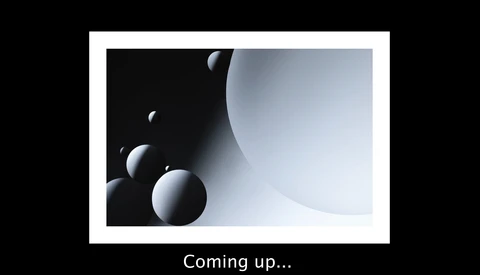
Macro photography projects can be some of the most creative ways to experiment with textures and colors at home. One fascinating technique involves using oil and water to create mesmerizing patterns, offering infinite possibilities for unique shots. It’s a simple setup, yet it delivers results that can rival more elaborate methods.