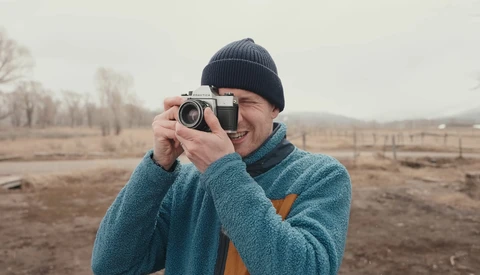
Essential Tips for Starting Photography
Choosing photography gear can feel overwhelming, but it doesn't have to be. Focusing on the basics first sets you up for long-term success more effectively than obsessing over equipment.
Choosing photography gear can feel overwhelming, but it doesn't have to be. Focusing on the basics first sets you up for long-term success more effectively than obsessing over equipment.
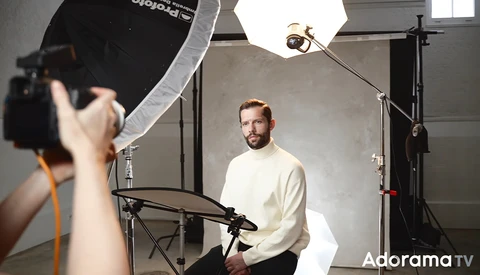
Creating professional headshots doesn't mean you need expensive or complex lighting setups. Umbrellas, though often overlooked, can deliver beautifully flattering light with simplicity and versatility.
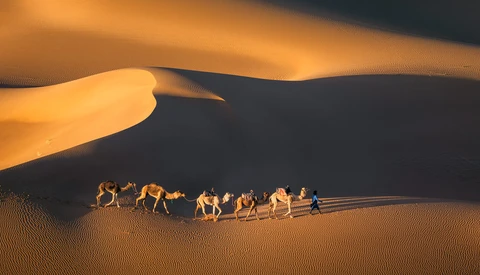
In this article, I will show you one of the most critical skills a landscape photographer must have. It helped me take the title photo and many of the best images in my portfolio.
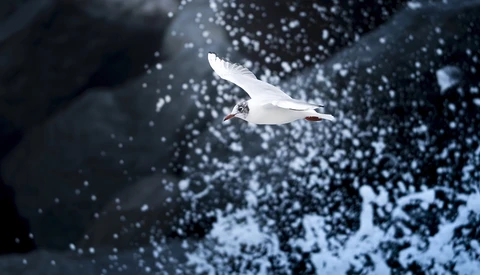
Turning a simple photo into something visually striking often involves a careful balance of color and contrast. Mastering these subtle yet impactful adjustments can help you create images that stand out.
Most photographers start by focusing on technical skills and aesthetics, but there's another critical factor that often goes unnoticed. Recognizing this overlooked element can significantly change the quality and meaning of your photos.
The way you handle natural light shapes your landscape photography, determining whether an image feels captivating or merely ordinary. Knowing when and how to harness specific types of light is key to transforming your shots from standard captures into something more meaningful.

Fewer people are engaging with photo content, and many who once pursued it seriously are struggling to maintain the same level of enthusiasm. Economic factors, shifting social media trends, and technological changes all play a role in why photography is in a slump.
Noise in images is often seen as something photographers should avoid, but intentionally embracing it can lead to more compelling and expressive photographs. Understanding when and why to let noise into your work can shift how you create.
Knowing how to quickly and effectively adjust your photos in Lightroom can significantly improve your final results. Getting the basic sliders right means your images look natural, realistic, and closer to what you saw when taking the shot.
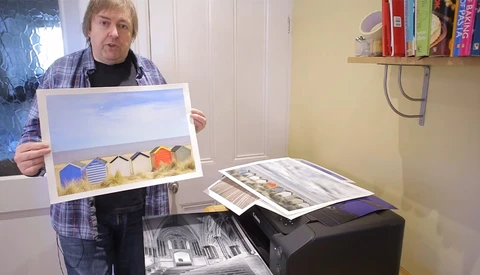
Selling prints seems straightforward, but it's tougher than you expect. It's more than snapping good photos and hanging them in an online shop; it's a careful blend of understanding your customer and knowing what makes a print sell.
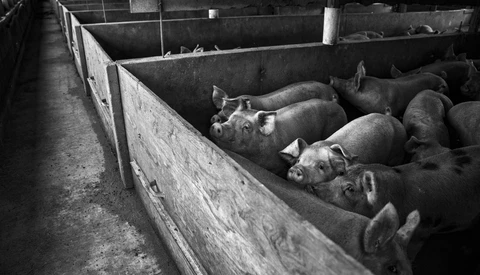
We all have that box—tucked away in a closet or buried in the basement—full of camera accessories we once thought were game-changers but turned out to be dead weight. In this article, we’ll cut through the clutter and highlight the five accessories every photographer uses (and a few you can leave in that box where they belong).

A beauty dish offers ways to elevate portrait photography through dramatic and defined illumination. Mastering this modifier unlocks fresh creative options, particularly if you've typically relied on softer lighting.
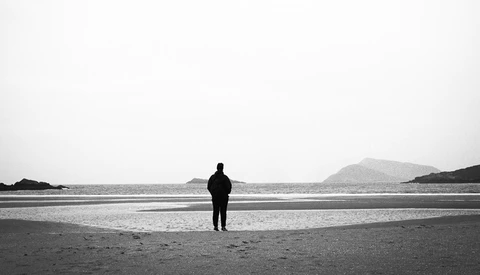
Music and photography share deeper connections than you might first imagine. Understanding these subtle ties can shift the way you approach composition, framing, and storytelling through your photographs.
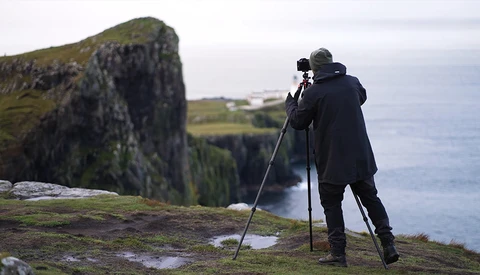
You’re probably making manual mode harder than it needs to be. Many people struggle with exposure settings, unsure of how to balance aperture, shutter speed, and ISO. The key isn’t memorizing numbers—it’s understanding how these choices interact in real-time.
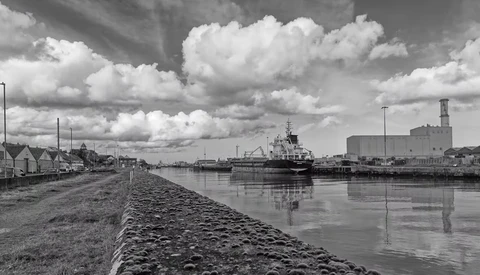
Camera settings can be a distraction. Many people fixate on the perfect aperture, shutter speed, or ISO, thinking they hold the key to great images. They don’t. What truly matters is understanding your subject and how you want to capture it. No universal setting will guarantee a compelling photo.
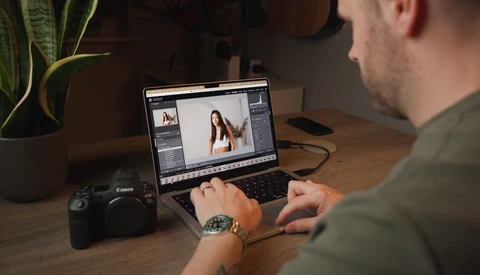
Editing portraits is about more than adjusting sliders—it's understanding how subtle choices shape your final image. Getting comfortable with Lightroom can make your portraits look more intentional and polished.

Taking a long walk to photograph nature can feel creatively liberating. It clears your mind and pushes you to slow down, helping you see scenes you might otherwise overlook.
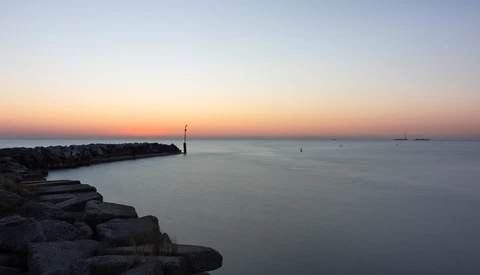
Photography, like any artistic pursuit, needs to be cultivated. You have to invest in it. And while cameras, lenses, and accessories are often the focus of photographic investment, what can really elevate your craft is putting more of yourself into your work.
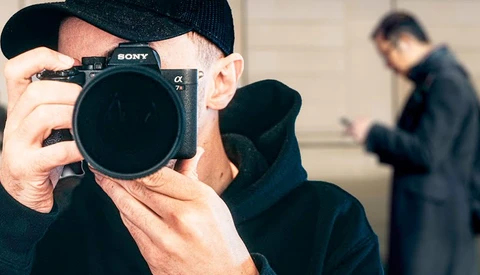
Street photography can feel intimidating if you're naturally introverted or shy around strangers. Overcoming that initial fear matters, because without it, you might miss capturing compelling moments that happen right in front of you.
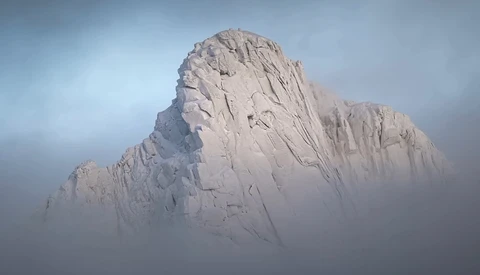
Photo editing can seem complicated, with endless techniques and software tools competing for your attention. Yet, at its core, successful editing comes down to mastering foundational skills that simplify your process and elevate your results.
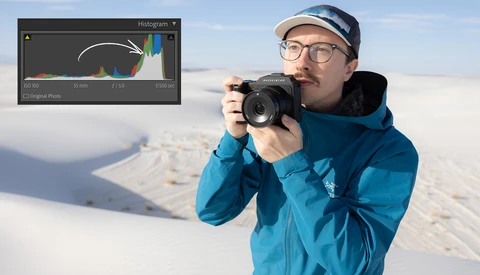
Photography can be simplified down to the art of capturing light, and we all learn to capture that light correctly for perfect exposure. But what if that is actually hurting our creativity and work? This advice changed how I take photos.
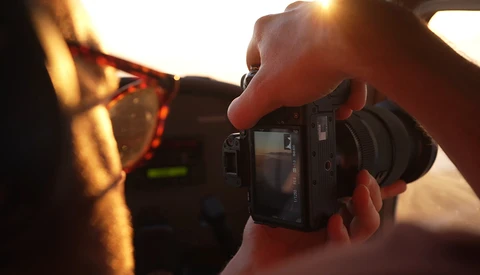
Travel photography is more than packing your camera and booking flights. How you plan your trip and what you focus on once you arrive can significantly affect the quality of your images.
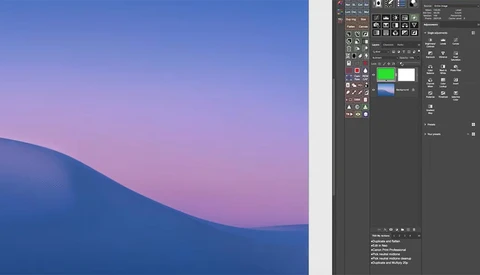
If you want to learn how to get better colors in your photos, then this video by Todd Dominey is for you.
He shows several color grading techniques you can use in Photoshop to improve the look of your images. All of them use layer blend modes, so you will learn not only how to enhance your photos but also how blend modes work.
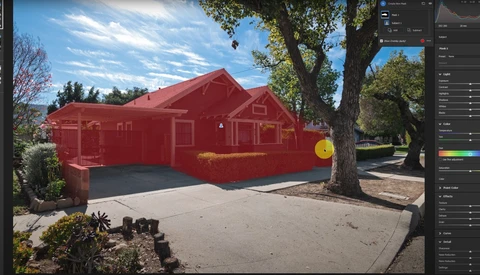
When we think of AI editing tools, it’s easy to get caught up in flashy features like Generative Fill or the Remove Tool. But did you know there’s a whole world of lesser-known AI-powered tools in Photoshop and Lightroom?
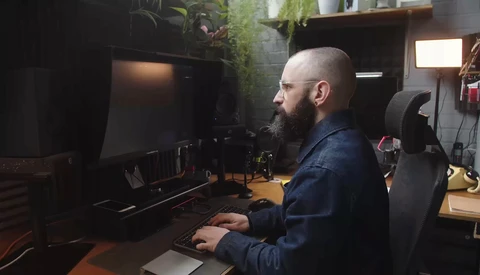
Mastering the technical side of photography is easy. Learning how to expose an image, use lighting, and compose a shot is all just mechanics. You can study the inverse square law, diffraction, and the rule of thirds, but none of that will make you stand out. The difference between a technically proficient photographer and a great one is not something you can learn from a tutorial.
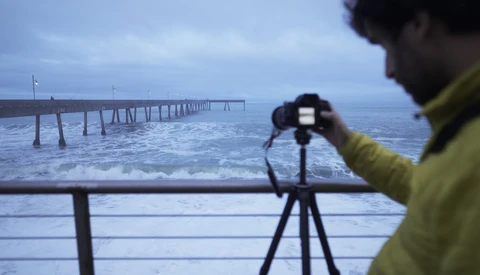
Flat, gray skies might seem uninspiring, but they offer a unique advantage. Instead of working around harsh shadows and strong highlights, you control the final image. The light is soft and even, allowing for more creative flexibility, especially in black and white photography.

Knowing when to stop editing a photo is one of the biggest challenges in photography. With endless tools at your disposal, it’s easy to push an image too far. Colors become unnatural, skin loses texture, and the final result can feel more artificial than real. Understanding when to stop isn’t just about technical limits—it’s about maintaining authenticity in your images.
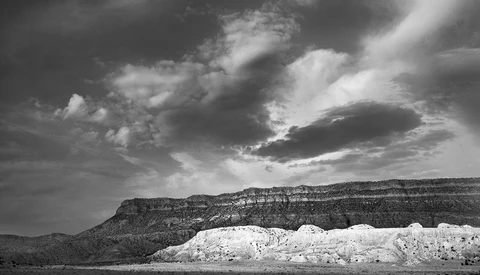
As you may guess, I am not a fan of rules, and the question I often ask is, "Who made the rules, and why do they think they can tell me what to think?" In fact, I may get a T-shirt made that says in large letters, "Screw the rules and screw the horse they came on!" So there, I've said it. And if that sets your teeth on edge... just read on!
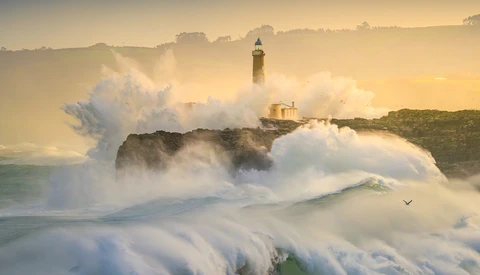
Strong landscape photography isn’t just about finding a beautiful location—it’s about how you compose, frame, and time your shots to create something extraordinary. Weather and light can be unpredictable, but knowing how to work with what you have can make all the difference.
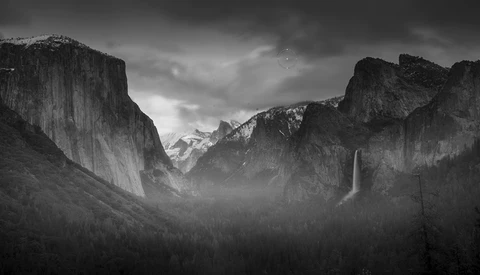
Adding atmospheric elements like fog can transform a flat image into something more dramatic and immersive. Lightroom Classic now offers better tools to create and control fog, allowing you to shape the mood of an image without needing perfect weather conditions.

Macro photography opens up a world of detail that often goes unnoticed. Small subjects like fungi, moss, and intricate textures can turn into striking images when framed properly. But working at this level presents its own set of challenges, from finding the right focal length to dealing with distortion in certain lenses.
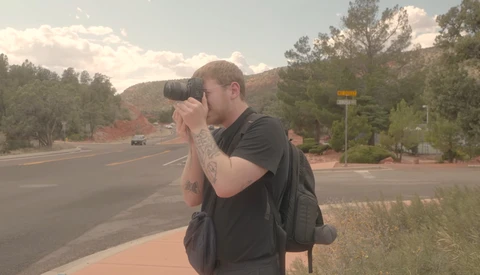
Confidence in photography isn't just about skill—it's about feeling comfortable with your camera, your surroundings, and yourself. Many people struggle with nerves when shooting in public or taking portraits, but overcoming these fears can lead to better work. Understanding how to build confidence can make a significant difference in your photography.
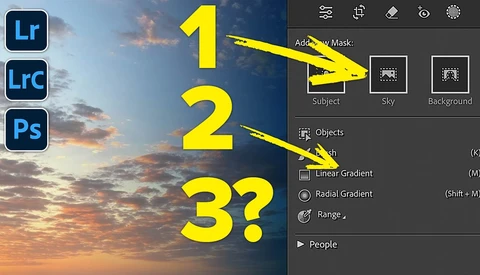
Sky selection is often one of the most important steps in editing landscape and outdoor images. Whether you’re adjusting exposure, enhancing colors, or replacing the sky entirely, getting a clean selection makes all the difference. Automated tools help, but they don’t always get it right, so knowing how to refine a mask is essential.
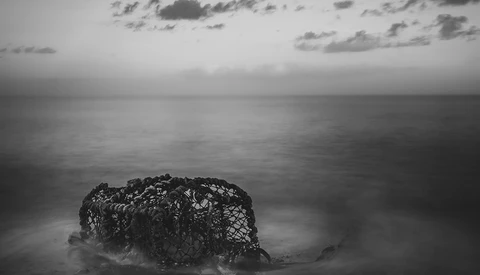
Long exposure photography transforms everyday scenes into something surreal. But pulling off the perfect long exposure shot isn’t as simple as setting a long shutter speed. Conditions, composition, and even patience play a huge role in making it work.
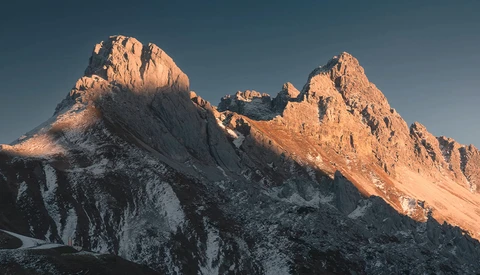
Changing the mood of an image doesn’t always require elaborate setups or complex software. A few strategic adjustments in Lightroom can completely transform a photo, shifting colors, reshaping light, and creating a more dramatic effect. This kind of editing isn’t about correcting mistakes—it’s about making the image match your vision.
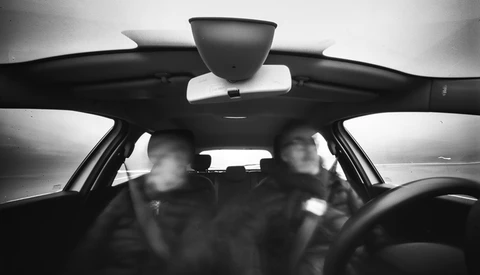
Simplicity in photography can be both freeing and frustrating. When you strip away complex tools and techniques, all that’s left is light, time, and a bit of luck. Shooting with a pinhole camera pushes that idea to the extreme. No lens, no moving parts—just a box with a hole, a piece of film, and a whole lot of patience.

A legendary and elusive creature in the world of photography, autofocus can feel almost mythical to some. For beginners—and even some intermediate photographers—its modes, functions, and best uses often remain a mystery. Look no further; let’s break it down and explore how to make the most of autofocus.
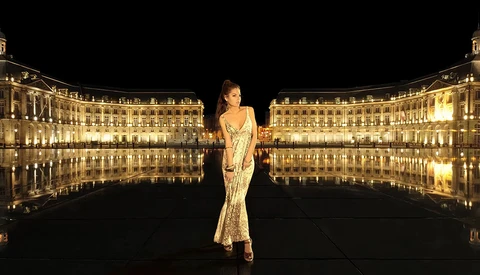
Shooting in a busy public space at night brings a unique set of challenges. Crowds, moving traffic, mixed lighting, and time constraints all make it difficult to get a clean, well-composed image. Add in a model, reflections, and a three-minute window to capture the perfect shot, and the difficulty level skyrockets.
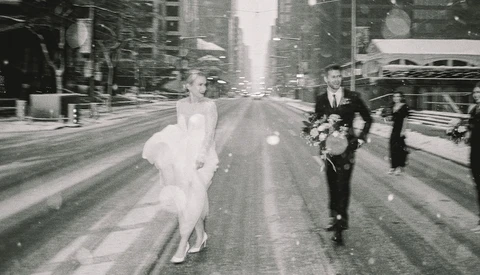
Lighting can make or break a shot, and sometimes, bouncing flash or relying on ambient light isn’t an option. Dark venues, black ceilings, and outdoor night scenes demand a different approach. Knowing how to use direct flash ensures you’re never stuck in a situation where poor lighting ruins your images.

The way your subject dresses changes how an image feels and where the viewer’s eye goes. Bright colors, bold patterns, and high-contrast elements all compete for attention, sometimes pulling focus away from where you want it. Understanding how to control this effect can give you more control over your compositions.
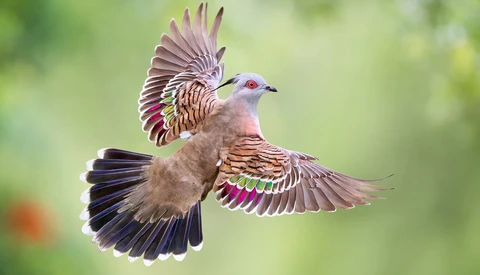
Great autofocus performance isn’t just about pressing a button. While modern cameras are advanced, they still need your help to lock onto a subject quickly and accurately. Small tweaks in your shooting technique can dramatically improve your results, especially when tracking fast-moving subjects.
Being a skilled photographer isn’t enough if no one sees your work. Talent alone won’t bring clients or make a living. If you want to turn photography into a business, you need marketing. Without it, even the best photos won’t generate income.
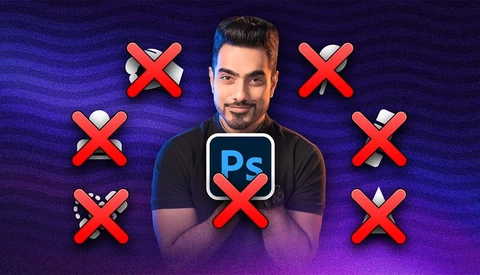
Seven Photoshop tools that were once essential are now facing competition from AI. The latest updates in Photoshop bring powerful automation, making once-manual processes significantly faster. But does AI truly make these classic tools obsolete, or do they still have a place in your workflow?
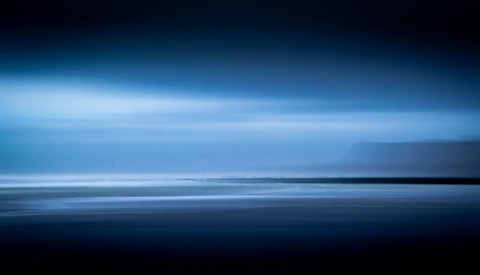
I’ve been practicing intentional camera movement occasionally for some years now. This technique, better known by its abbreviation, ICM, involves deliberately moving the camera during exposure. It turns out to be much more difficult than regular photography. You have to take movement into the equation.

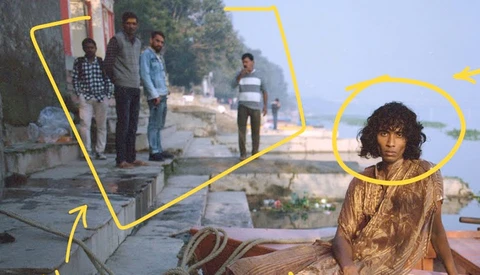
Great composition makes a photo compelling, guiding the viewer’s eye to what matters most. Strong images don’t happen by accident. The best photographers use contrast, color, and balance to create photos that hold attention and tell a story.
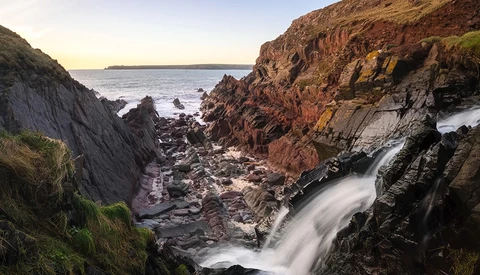
New camera gear can be exciting, but the novelty wears off fast. If you’ve ever bought something new only to feel uninspired after a few weeks, you’re not alone. Better photos don’t come from better gear; they come from better habits. Developing the right habits can improve your work more than any new camera or lens ever will.
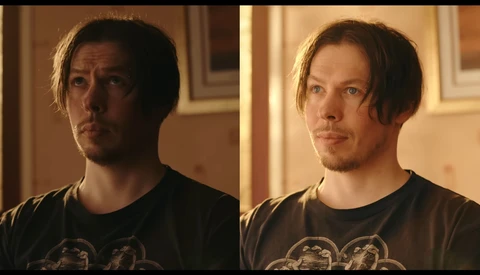
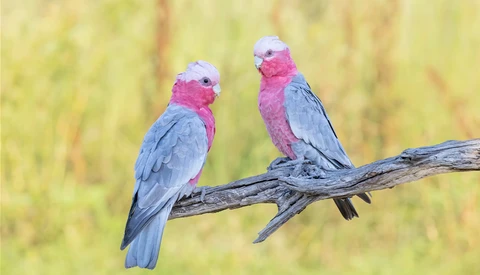
Finding the right location can be the difference between frustration and incredible shots. Birds and wildlife follow predictable patterns, but if you don’t know where to look, you’ll miss out.
Have you ever had a brilliant photography idea but didn’t know where to start? Planning a photography project isn’t just about taking great pictures—it’s about crafting a vision, telling a story, and making your work unforgettable. If you’re ready to turn your creative spark into a masterpiece, this guide will show you how to bring it together with these eleven steps.