Photography Education

Whether you just picked up your first camera or you've been shooting for years and hit a plateau, there's always more to learn. This section is where Fstoppers publishes educational content aimed at genuinely improving your photography — not just gear tips, but the foundational understanding of light, composition, and visual thinking that makes the difference between a competent photographer and a compelling one.

The Secret to Successful Photography Projects: An 11-Step Guide

Have you ever had a brilliant photography idea but didn’t know where to start? Planning a photography project isn’t just about taking great pictures—it’s about crafting a vision, telling a story, and making your work unforgettable. If you’re ready to turn your creative spark into a masterpiece, this guide will show you how to bring it together with these eleven steps. 
Stop Collecting Lenses and Start Creating Images

The misconception that you need every possible focal length to succeed is costing you thousands in unnecessary gear purchases. Building the perfect lens kit isn't about owning everything - it's about finding the focal lengths that define your unique creative vision. 
This Slow Shutter Technique Is Worth Trying

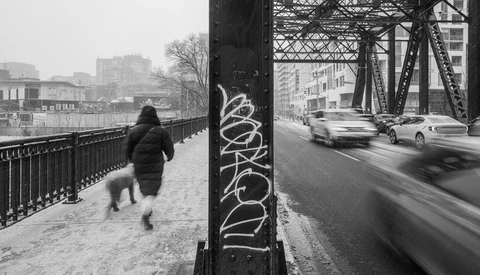
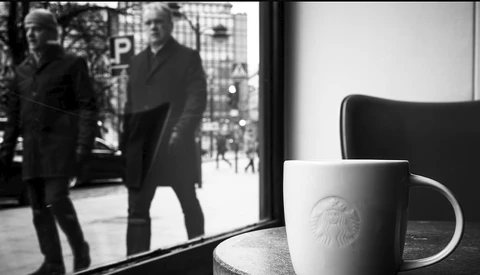
If you want to improve your photography, experimenting with new techniques to achieve more creative and interesting results is the way to go. I did just that recently while out doing street photography by playing with a slow shutter speed while shooting handheld. 

How AI Is Revolutionizing Movie De-aging Effects

The evolution of digital de-aging in films has transformed from crude experiments to sophisticated AI-driven techniques in less than two decades. What started with X-Men: The Last Stand in 2006 has become a powerful storytelling tool that allows actors to portray their characters across decades of life with unprecedented realism. 

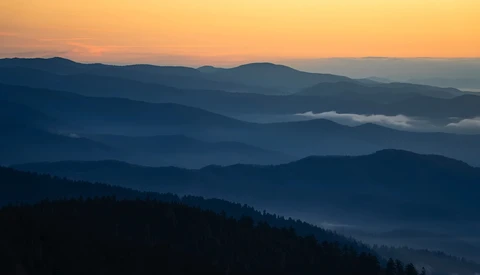
How Winter Storms Transform Yosemite's Most Famous Views

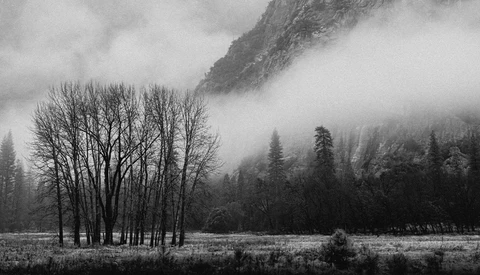
Winter storms create unique opportunities for dramatic landscape shots that most never get to capture. The combination of rain, fog, and shifting weather patterns transforms familiar vistas into ethereal scenes, offering fresh perspectives on even the most photographed locations. 

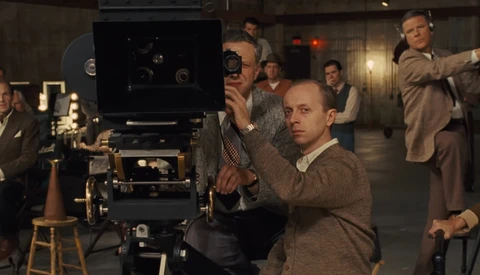
How Goodfellas Reinvented Crime Films Through Camera Work

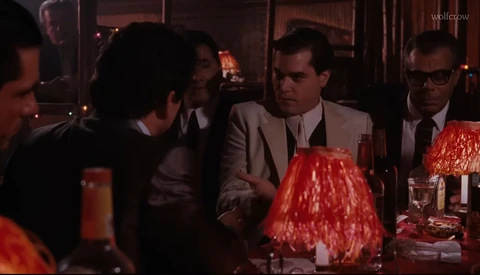
Crime films were once defined by mobsters, shootouts, and flashy action. Then Goodfellas changed everything. It introduced gangsters who obeyed their mothers, cracked jokes that made you uneasy, and self-destructed in their paranoia. More than three decades later, it still stands as a masterclass in visual storytelling. 

Unlimited Depth of Field at Any Aperture

What if you could control perspective distortion and focus with pinpoint accuracy at any aperture? Dive into the world of tilt/shift lenses and learn how pros use the Scheimpflug Principle to create stunning images. 

Using Lightroom to Give Your Flat Images More Zing

We’ve all had that experience of eagerly opening what seemed like a promising image in Lightroom, only to be disappointed when we discover that it lacks a certain something. Here’s a short tutorial demonstrating the use of masks and tone curves in Lightroom to bring more impact to your images. 

Three Simple Lightroom Edits to Make Your Subject

Making your subject stand out in an image can be as simple as adjusting light, contrast, or depth. The right edits guide the viewer’s eye without making the changes look obvious. When done correctly, these techniques enhance an image without feeling overprocessed. 

How to Adapt When the Weather Ruins Your Shot

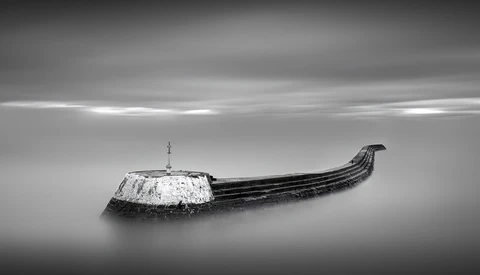
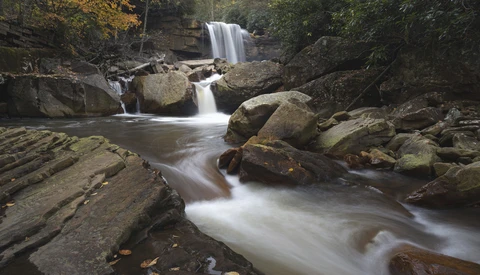
Long exposure photography transforms water and sky into something almost surreal, turning movement into soft streaks and blurring away distractions. If you shoot seascapes, finding the right balance between exposure time, composition, and conditions can be the difference between a flat image and a striking one.

Mastering Foggy Forest Photography: A Simple Approach

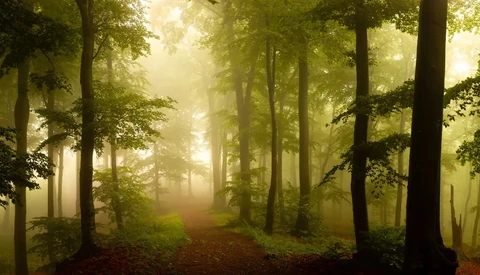
Finding the right conditions for photographing forests can make or break an image. Fog, light, and composition all play a role in transforming a chaotic scene into something visually compelling. If you’ve ever struggled to create strong forest images, focusing on these elements can help. 

Simple Lightroom Adjustments to Rescue Dark Images

Restoring underexposed files can seem like a challenge, but Lightroom has the tools to bring back lost detail without sacrificing quality. A properly exposed image captures more dynamic range, but when that’s not possible, knowing how to recover shadows without ruining the final result is essential. 

The Truth About Competition in Photography

Some people believe that photographers who share industry secrets do so because they can’t make enough money from photography alone. The argument is that no one running a successful business would willingly give away valuable knowledge unless they needed another income stream.

Why Choosing the Right Profile Matters in Editing

Choosing the right profile before editing can change the way your image looks and how much control you have over the final result. Different profiles apply varying levels of contrast, saturation, and tonal adjustments, making them a critical first step in post-processing. 

Minimalist Winter Photography

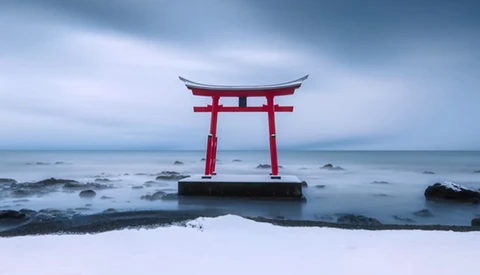
The stark contrast of winter between the white snow and dark skies brings out compositions that wouldn’t be possible in other seasons. If you’re drawn to clean, simple images, this kind of environment offers an opportunity to refine your eye and experiment with composition in new ways. 

Signs You’re a Better Photographer Than You Think

It's easy to underestimate your own skills. You compare your work to others, feel stuck, or convince yourself you’re not improving. But there are clear signs that show you’re better than you think. Recognizing them can help build confidence and keep you moving forward. 

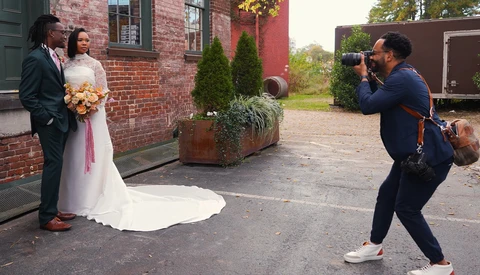
The Gear and Planning You Need for Wedding Photography

Wedding photography requires more than just showing up with a camera. From securing bookings to planning for lighting conditions, every step before the wedding day impacts your results. The right preparation ensures a smooth experience, minimizes surprises, and helps you capture meaningful images. 

Do These 5 Things Instead of Buying New Gear

We are bombarded with videos and articles talking about the latest and greatest gear. No wonder we, as photographers, start to think we need new or better gear to improve our photography. But instead of buying gear, start practicing these five things to really improve your landscape photography. 

Why Social Media Is Making Your Photography Worse

Social media rewards predictable photography. Popular trends get likes, shares, and engagement, but they don’t necessarily make you better. If you want to improve, you need to stop repeating the same shots that flood Instagram and start thinking more critically about what you create. 

Why Telephoto Lenses Can Improve Your Landscape Photography

Wide angle lenses dominate landscape photography, but they aren’t the only option. Telephoto lenses offer a different perspective, bringing compression, depth, and new composition possibilities. They let you isolate details, enhance layers, and create a more immersive feel in vast environments. 

How to Avoid Airline Hassles With Photography Equipment

Traveling with camera gear can be stressful. Security checks, weight limits, and the risk of lost or stolen equipment add to the challenge. The right strategies can make a huge difference in avoiding unnecessary hassles. 

What Really Makes Video Cinematic

Making your footage look cinematic isn’t just about lighting. It’s a combination of elements—camera settings, lens choice, composition, motion blur, and color grading—all working together. You might have the right gear, but if the image lacks depth, movement, or the right tone, it won’t have that polished, film-like quality. 

Signs You’re Becoming a Better Photographer

Self-doubt is a constant in creative work. You might question whether your images are any good or if your work stands out. That uncertainty isn’t unique to you—many struggle with it, even experienced professionals. The challenge is defining what makes a good photographer when taste, style, and subjectivity play such a big role. 

A Smarter Way to Capture Street Photos Without Constant Walking

Walking 20,000 to 40,000 steps on a photo walk isn’t always practical. Sometimes, you need a way to capture compelling images without constant movement. A method called the "fishing technique" offers an alternative, letting you stay in one spot and wait for the right moment instead of chasing subjects. 

Mastering Black and White Photography: Essential Techniques

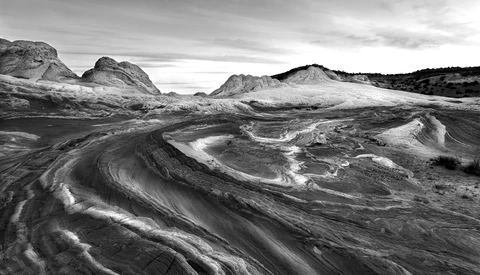
Black and white photography forces you to see light, texture, and form in ways that color photography doesn’t. Stripping away color makes you focus on contrast and composition, helping you create images with depth and mood. If you’ve never spent a day shooting only in black and white, it’s a great way to train your eye. 

Adaptive Profiles in Lightroom: A Look at the Latest Update

Lightroom’s newest update introduces Adaptive Profiles, a tool that changes how you can approach editing. Instead of applying a standard profile, these profiles intelligently adjust to your image, giving you a different kind of automatic enhancement. If you rely on auto settings, this could be an alternative worth exploring. 

15 Tips That Will Instantly Improve Your Photos

Mastering composition, light, and perspective can elevate your photography in ways that gear alone can’t. Whether you’re just starting out or looking to refine your skills, understanding these elements makes a difference. 

How to Improve Your Landscape Photos

In this video, Markus Albert describes three essential ingredients for appealing landscape photos. 

In a recent article, I shared my opinion about what makes a great photo. I explored the importance of light and composition and tried to answer which of the two is more important.

How to Capture Fog Like a Pro

Fog transforms a landscape, softening edges and adding depth, but photographing it requires careful planning. Light, shutter speed, and composition all play a role in how the final image turns out.  

Why Your Wildlife Photos Look Soft (It’s Not Your Lens)

Heat haze ruins sharp images, and you might not even realize it’s happening. You can have the best lens, perfect settings, and great timing, but if you’re shooting through too much turbulent air, your images will come out soft. Wildlife photography is especially vulnerable to this problem, and if you’re shooting at long distances, the effect is even worse. 

Shifting From Photographer To Videographer: Where Do You Start?

You’ve been a photographer for many years, and you’re curious about making videos. After all, your camera likely has some amazing video capabilities. But moving to video is daunting; there’s so much more involved than still photography. Here are a few thoughts to help you get started. 

The Secret to Consistent Lighting in Headshots

Getting consistent results in headshots can be a challenge, especially when you're shooting in different locations with varying lighting conditions. If you've ever had to match headshots taken in different offices or on different days, you know how tricky it can be. The right approach ensures your clients get the consistency they expect without unnecessary stress. 

Why Letting Go of Judgment Will Transform Your Photography

Curiosity is essential in photography, but there’s something even more fundamental that often gets overlooked. Without it, curiosity doesn’t take root, and creativity becomes a forced process instead of something natural.  

How to Make the Most of Flat Winter Light

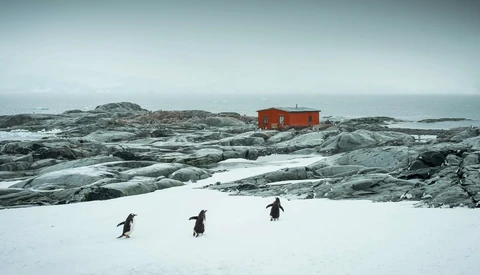
The winter landscape doesn’t have to be dull. It offers a unique palette of muted colors and soft light that can create striking images. However, capturing the subtlety of these scenes requires attention to tone, contrast, and composition.  

7 Tips to Simplify Your Landscape Compositions

One of the best things you can do as a landscape photographer to improve your photographs is to master your compositions. For many, working on composition is difficult, with the pieces never quite coming together, even after watching videos and reading articles. These seven tips aim to change that. 

Why Some Landscapes Make Bad Photos

Not every beautiful scene makes a good photograph. Learning to recognize what works and what doesn’t is an essential skill. Composition, lighting, and focus all play a role, but understanding how to control these elements is what separates strong images from forgettable ones. 

Why Breaking Into Photography Is Harder Than Ever

Photography is harder to break into than ever. The cost of living is up, gear is expensive, and opportunities often go to those with connections. If you’ve struggled to get a foothold in the industry, you’re not alone. Many talented creatives find themselves stuck, not because they lack skill or dedication, but because the system favors those with financial backing. 

Six Lessons That Will Change How You Shoot

Buying a new camera won’t make you a better photographer. Improvement comes from consistent practice, not from having the latest gear. If you want to capture great photos, you need to put in the time to understand how light, composition, and timing work together. 

A Smarter Way to Edit Landscape Photos in Lightroom

Editing landscape photos can feel overwhelming with all the tools available, but you don’t need to use most of them. The key is knowing which adjustments actually make a difference. A few simple changes can turn a flat raw file into something that reflects the scene as you remember it. 

A Simple Photoshop Trick for Better Light and Atmosphere

Sometimes, a small edit can bring a photo to life. Adjusting light, enhancing atmosphere, and directing attention can make a huge difference, especially when working with images that feel flat or lack impact.  

The Greatest Force That Is Ignored by Photographers

There is a hidden force that can elevate your photography massively. I know about it because, after 35 years in photography, I stumbled upon it accidentally. And I get goosebumps just thinking about it. 

Inside a Professional Hotel Photography Shoot

Advertising photography isn’t just about taking nice pictures. Every shot needs to sell an experience, blending technical skill with storytelling. That’s why planning and execution are crucial.