Photography Education

Whether you just picked up your first camera or you've been shooting for years and hit a plateau, there's always more to learn. This section is where Fstoppers publishes educational content aimed at genuinely improving your photography — not just gear tips, but the foundational understanding of light, composition, and visual thinking that makes the difference between a competent photographer and a compelling one.

Easily Create Custom Lightroom Presets With ChatGPT

Artificial intelligence has rapidly expanded what you can do in photography, and now it's stepping into Lightroom presets. Creating custom presets that match the editing style of images you admire can be tricky, but using AI could make this process simpler and faster. 
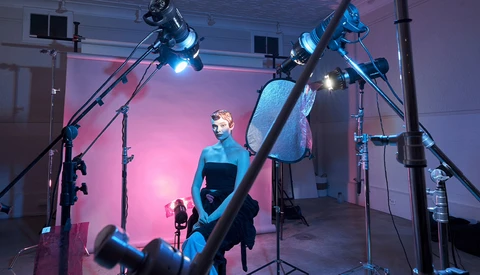
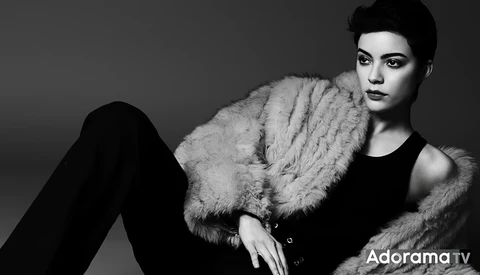
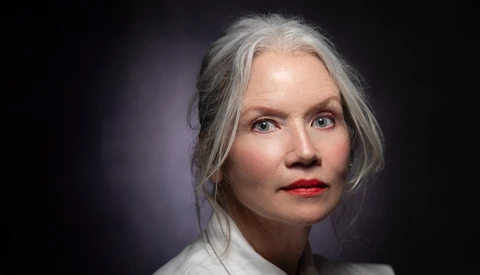
Secrets Behind a Dramatic Multi-Light Beauty Setup

Lighting setups for beauty photography often lean toward simplicity, but there are times when complexity pays off significantly. Advanced lighting allows you to create highly detailed, dramatic, and eye-catching images that simple setups might not achieve. 

How to Precisely Adjust Colors in Lightroom

Mastering color in Lightroom is about knowing the right tool for the job. Two key features, the Color Mixer and Color Grading tools, each handle color differently, and understanding their unique roles can significantly improve your editing. 

Advanced Masking Secrets for Better Lightroom Edits

Advanced masking in Lightroom gives you precise control over your edits, letting you target specific areas in your photos. Knowing how to combine different masking tools effectively helps you achieve professional results and enhances your creativity. 

Coming to you from Aaron Nace with Phlearn, this detailed video teaches advanced masking techniques beyond the basics. 

Why the Best Travel Photos Aren’t on Your Itinerary

You’ve booked the trip, packed your gear, and mapped out every perfect shot—but what if the best photos are the ones you never planned for? The magic of a photo trip isn’t just in the locations; it’s in the unexpected moments, the wrong turns, and the stories that unfold when you stop chasing perfection.

The Elements of Great Landscape Photos

Creating truly captivating landscape photos doesn't come from random luck or a quick edit. To consistently capture images with genuine visual impact, you need a solid approach built around a few essential principles. 

Make Editing Faster: Master Lightroom’s Batch Editing

Batch editing in Lightroom saves you significant editing time by allowing quick adjustments across multiple images. Instead of manually correcting each photo one at a time, you edit one photo, then apply those settings to many others. 

5 Practical Tips for Photography Beginners

Getting started with photography means making some practical choices that directly affect how often you'll pick up your camera. Selecting gear and understanding basic techniques early on makes a real difference in how quickly you grow as a photographer. 

Essential Lightroom Techniques for Editing Portraits

Portrait editing is about guiding the viewer's attention directly to the subject’s face, and Lightroom Classic has powerful tools specifically designed for this purpose. Learning how to subtly enhance facial features and manipulate backgrounds can significantly elevate the visual impact of your portraits. 

Five Mistakes to Avoid When You're a Second Photographer at Weddings

Second shooting at weddings is an excellent way to learn, gain experience, and build a portfolio—but if you make certain mistakes, photographers won’t keep hiring you. Knowing exactly what pitfalls to avoid is crucial for developing a solid reputation. 

There's More to Shutter Speed Than You Might Expect

Knowing what shutter speed does is vital for controlling your images. That’s not just how it affects exposure, but changing the shutter speed has a knock-on effect that can dramatically alter the look of a photo. Here’s an explanation and some exercises for you to try. 

Why Every Photographer Should Consider Licensing Their Work

Photography is often seen as an active profession—booking clients, traveling to locations, and spending hours editing images. But what if your past work could continue making money long after the shoot? That’s where licensing comes in. 

Introduction

Licensing allows photographers to sell usage rights to their images, providing a steady stream of passive income.

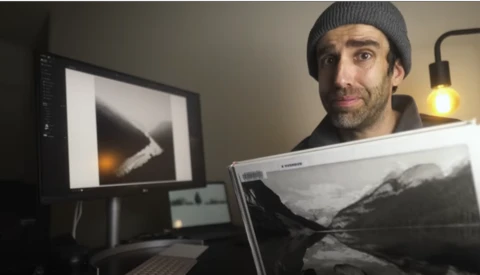
What Happens When a Photo Book Disappoints?

Photo books provide a curated, immersive experience that allows viewers to engage with photographs at a slower and more deliberate pace. So what happens when one challenges your perspective on your own photography? 

Easy HDR Techniques for Better Photos

Creating an HDR image isn't just about capturing a wider range of light—it's about achieving control over detail and exposure that your camera can't manage in one shot. Whether you're working in challenging lighting situations, like interiors with bright windows or landscapes with intense contrasts, HDR blending can significantly improve your final images. 

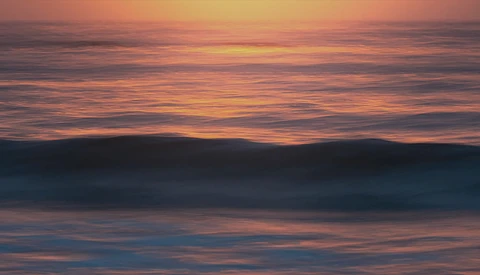
How to Create Stunning Coastal Images Without Fancy Gear

Capturing compelling seascapes involves more than pointing your camera at pretty waves and waiting for good light. Getting powerful images at the coast comes down to timing, perspective, and understanding how the water interacts with your camera settings. 

Understanding Rolling Shutter: Practical Insights

Rolling shutter is one of those camera specs everyone mentions but few fully understand. Knowing exactly how rolling shutter impacts your shooting can significantly improve the quality of your footage. 

Bring Your Photos to Life: Easy Lightroom Color Tips

Color can transform your images from flat captures into vibrant, eye-catching scenes. Knowing how to use simple yet precise Lightroom adjustments to enhance color and detail can significantly elevate the impact of your photos. 

Quickly Remove People and Objects in Lightroom

Removing unwanted objects from your photos is now easier than ever thanks to Lightroom's new AI-powered removal tool. Knowing how to properly use this tool can quickly elevate your editing skills and save you significant time during post-processing. 

Astrophotography Advice for Beginners

You've probably wondered whether investing in a specialized lens for astrophotography will significantly boost your results. According to this veteran, however, there's something else far more important that beginners should focus on first. 

Retouch Skin Like a Top Pro (And Get Paid Like One)

People may be scrambling to find the automated AI holy grail of one-touch, realistic, high-end skin retouching, but you can have my dodge and burn technique when you pry it from my cold, dead Wacom tablet. 

Granted, it’s not the right tool for every project, and yes, it takes time, but if you want unimpeachable quality, this dinosaur of techniques is still the way to go.

Back Button Focus: Still Necessary or Outdated?

Back button focus was once the default choice for photographers shooting fast-moving subjects, but advanced subject detection technology has some questioning its relevance today. Is it still useful? 

Three Steps to Better Color Grading in Lightroom

Adjusting colors in your images can transform a good photo into one that's genuinely striking. Mastering the art of color grading allows you to personalize your photos, making them stand out with intentional style. 

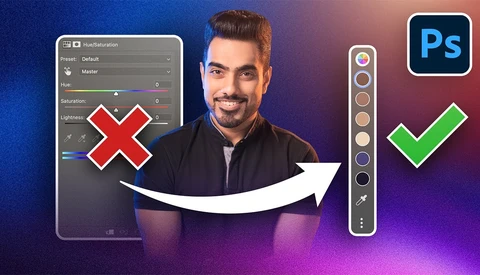
Take Control of Your Colors With Photoshop’s Latest Update

Photoshop just got a powerful update, particularly useful if you regularly work deeply with colors. The revamped Hue/Saturation adjustment now provides a significantly smoother way to isolate and adjust colors directly within your images. 

Common Beginner Mistakes in Landscape Photography

Landscape photography is often about knowing what not to do as much as knowing what works. Avoiding common pitfalls can help you produce stronger, clearer images right from the start. 

Why a Telephoto Lens Should Be in Your Landscape Photography Kit

Telephoto lenses aren't always the first thing you think of when photographing landscapes, but they're crucial if you want to simplify scenes and highlight what's truly compelling. Landscapes aren’t just wide, sweeping vistas—they’re also about selecting elements that tell a clearer story. 

A Simplified Workflow for Fine Art Photography

Fine art photography isn't just about capturing images; it’s equally about how you shape those images afterward. This type of editing transforms your work from ordinary captures into striking, artistic visuals that truly stand out. 

How to Edit Landscapes: Realistic Results in Lightroom

Editing landscapes in Lightroom involves multiple techniques, but understanding how to combine these steps effectively is where the real improvement happens. Seeing a complete edit, start to finish, helps clarify how these individual tools actually work together. 

Is Having a Photographic Style Holding You Back?

Developing a photographic style is often treated as a critical milestone, but it's worth questioning whether having a defined style actually benefits your photography. Photographers frequently chase consistency, yet sometimes variety or unpredictability might be exactly what's needed to keep your creativity fresh. 

Master Your Composition by Embracing a Single Focal Length

Improving your photography often involves mastering composition by limiting yourself to a single or narrow range of focal lengths. Committing to a consistent focal length encourages you to engage more actively with your subject and surroundings, transforming how you see potential photographs. 

Quickly Perfect Complex Masks with Lightroom's Hidden Gem

Lightroom’s Object Selection Mask dramatically simplifies complex edits, saving you from hours spent meticulously brushing or correcting adjustments. For anyone editing landscapes, particularly those with intricate details or multiple layers, this tool can make your workflow more precise and efficient. 

Perfect Your Crop and Straighten Technique in Lightroom

Cropping, straightening, and transforming images might seem basic, but mastering these techniques can significantly boost the quality of your photographs. These adjustments are crucial because they ensure your compositions look deliberate, professional, and visually appealing. 

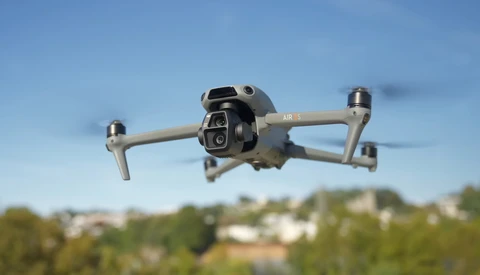
Master Your Drone: Practical Advice for Better Flight

Getting better with your drone involves more than basic flying skills—small details matter. Adjusting settings, planning for safety, and preparing for the unexpected can significantly improve your results. 
How to Edit Your Photos Precisely With Lightroom Masks

Learning how to use masking in Lightroom Classic unlocks precise editing possibilities, allowing you to enhance specific parts of your images independently. It’s a practical skill that transforms your workflow and improves photo quality. 

A Practical Beginner's Guide to Using Aperture Effectively

Aperture isn't just about controlling how much light enters your camera; it’s a powerful creative tool that directly shapes how your images look. Getting comfortable using aperture correctly lets you decide exactly what stands out sharply and what's gently blurred. 

Effective Strategies for Better Landscape Images

Improving your landscape photography often involves a combination of strategy and persistence. Simply owning quality equipment isn't enough—success also depends heavily on how you approach a location and manage your gear. 
Master Your Composition: 3 Tools for Better Photos

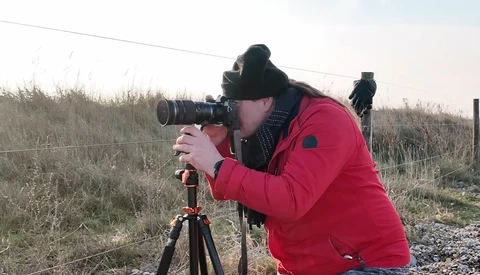
Composition is more than following rigid rules or ticking boxes on a checklist. Understanding composition means expanding your toolkit, so you can intuitively capture striking images in any scenario. 
How to Create a Dramatic Metallic Effect in Lightroom

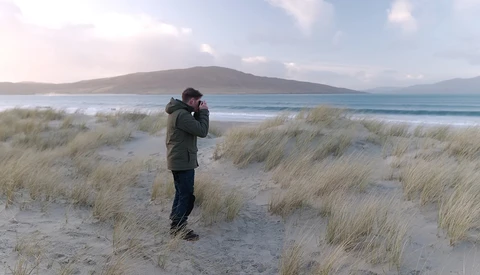
Giving your photos a striking and moody style isn't complicated if you use Lightroom effectively. In this tutorial, Möhrle shows you exactly how to achieve a dark silver look—a cool, dramatic effect that emphasizes your subject while adding depth to the image.  

If in Doubt, Crop It Out

They say a picture is worth a thousand words, but sometimes, a few of those words need to be cut. Cropping isn’t just about trimming an image—it’s about sharpening the story you want to tell.