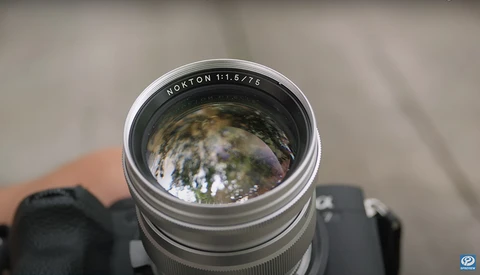
Can This Adapter Turn Manual Focus Lenses Into Autofocus Ones?
If you asked many photographers what magical device they would love to have, an adapter that turns manual focus lenses into autofocus ones would probably be near the top of many lists.
If you asked many photographers what magical device they would love to have, an adapter that turns manual focus lenses into autofocus ones would probably be near the top of many lists.

Investing in a camera system is a costly business. Once you are tied to a particular brand, you seem stuck with it. Changing is a big decision, but there can be good reasons both to and to not swap systems.

Why would you get a hard case instead of a backpack? This review of the Nanuk 935 Hard Case will make you think differently about how you store and get your gear from point A to point B. There are other hard cases out there, but this one has a lid organizer, which in my opinion, sets it apart.
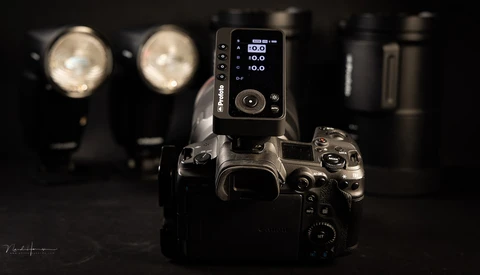
A couple of years ago, I got a chance to review the Profoto B2 flash with the AirTTL trigger. Although I loved the flash, I had some doubts about the trigger. Now, there is the new Profoto Connect Pro trigger. Is it worth the upgrade?
An 85mm lens with a wide maximum aperture is one of the most popular options on the market, particularly useful for portrait and wedding photographers who want a flattering focal length and narrow depth of field. That being said, such lenses can cost well north of $2,000. This is what makes the Meike 85mm f/1.8 so compelling, with a sub-$200 price tag that still includes autofocus.

The people and websites that sell the most products make the most money, but at what cost?
Most of the time, a worthwhile lens is going to cost you at least several hundred dollars, if not somewhere in the thousands. So, the prospect of a $69 lens is certainly intriguing. Can it produce worthwhile images, though? This excellent video review takes a look at the TTArtisan 50mm f/2 and the kind of performance and image quality you can expect from it in real-world usage.

Simplicity is the name of the game when it comes to powering your video system.
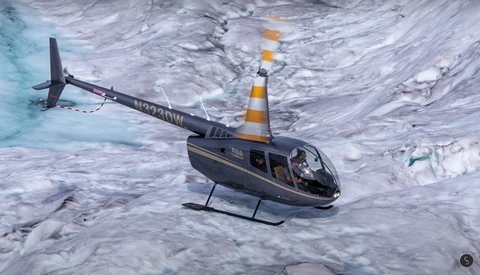
The Sony a1 mirrorless camera is, by far, one of the most capable and versatile cameras ever released, with just about every feature you could ever want for any photo or video need you might have. This excellent video review takes a look at the camera and the sort of performance and image quality you can expect from it in usage.
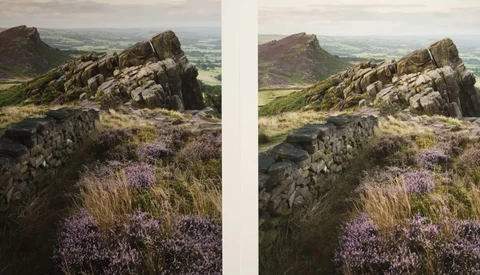
Aside from the price, often in the vicinity of thousands and thousands of dollars, can you actually tell the difference between an f/2.8 lens and an f/4 lens?
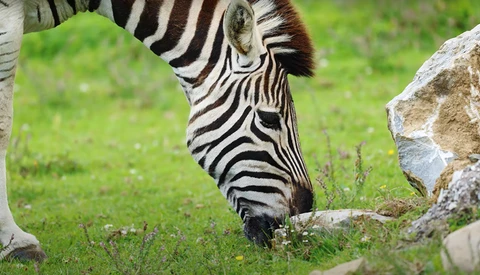
Usually, if you want to use a supertelephoto prime lens for things like wildlife or sports photography, you have to use first-party options. However, Sigma offers a rare exception to that rule, the 500mm f/4 DG OS HSM Sports, and it offers that combination of extra-long focal length and wide aperture sought after by many professionals at a significantly more affordable price.
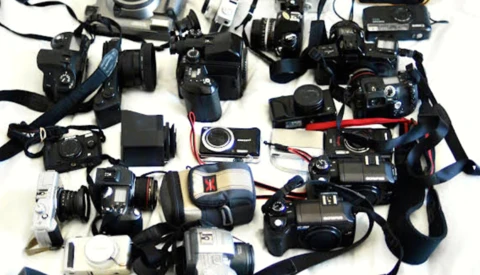
Digital camera technology has reached a point where even our phones can produce images that can be mistaken for a “real camera” to the untrained eye. Photographers have never had more affordable access to image-making tools that can produce crisp, high-resolution images, rivaling those of professional gear from not very long ago.

When you want to travel light but still have a quality camera in hand, you often have to make some difficult decisions and settle for regrettable compromises. But what if a light, pocketable camera solved many of those problems?

Sony has recently released a lightweight, compact power zoom lens that is perfect for all types of creators regardless of whether you shoot stills or video. What's not to love?
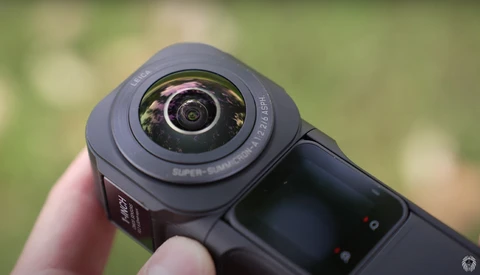
Consumer 360 cameras have come quite a long way in the last few years, and you can now get professional-level video and photos from many models.
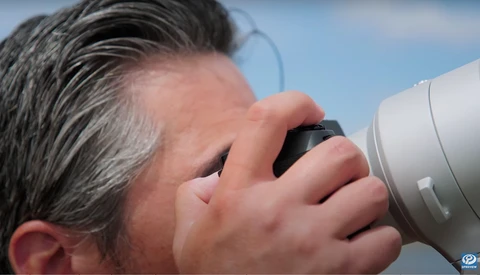
The Fujifilm X-H2S is the company's newest mirrorless camera in the renowned X Series, and it comes with a variety of new features and improvements over its predecessor. If you are interested in the camera, check out this great video review that takes a look at the performance and image quality you can expect from it in practice.
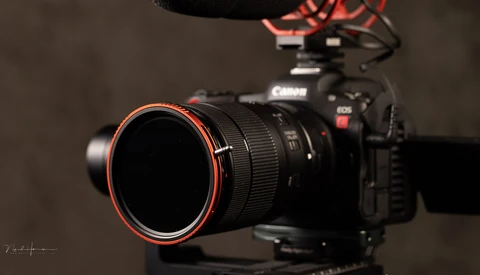
A variable neutral density filter can be very handy. You only need one filter that covers multiple strengths. Haida released the CPL VND Pro II, a variable neutral density filter that works also as a polarizing filter. Haida asked me to review this new variable ND filter with polarization abilities.

In the world of influencers and competition for social media gravitas, it's no small feat to amass 217,000 followers. That tells me they must have something good to offer. So, when this photographer shared which filters he uses, I took notice. You should too.

The 50mm lens is one of the most common lenses out there, and yet, it can be a weirdly challenging one to use. Why is it so difficult to master, and how can you create better photos with one? This excellent video takes a look at the 50mm lens, why it is tough to work with, and what you can do to improve your shots.
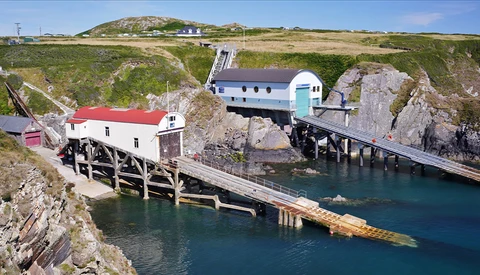
35mm lenses with wide maximum apertures are some of the most popular and versatile out there, suitable for a huge range of applications, from events coverage to portraits, astrophotography, and more.
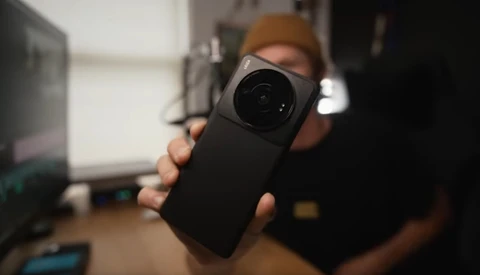
How big can sensors get on a phone's camera? Leica has done a collaboration with a rather surprising company to give you a glimpse of the future.

While the ports on modern laptops are enough for most users, photographers and filmmakers have much higher connectivity demands than the average person. A portable hub can be a lifesaver for a creative on the go. In this review, we take a look at the Anker 555 USB-C 8-in-1 Hub and if it can provide both the ports and performance a demanding workflow requires.
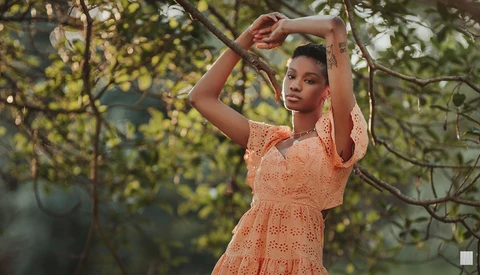
Sigma's Art series of lenses features some of the most highly regarded options in the industry, offering impressive image quality at prices that often significantly undercut those of first-party options. The 105mm f/1.4 DG HSM Art is the longest focal length in the lineup with an f/1.4 maximum aperture, making it an intriguing option for portrait and wedding shooters.

Canon's RF lens library has been steadily growing, with a wide variety of standard lenses and more extreme options for a range of photographers' needs. Nonetheless, there are still a few lenses that professionals are looking for, and thankfully, another one will likely be on its way soon, with some major improvements in tow.

An 85mm lens with a wide maximum aperture is the tool of choice for countless portrait and wedding photographers, offering a classic, flattering focal length in tandem with shallow depth of field and plenty of low-light capabilities. Such lenses run a wide gamut of prices, however.

Choosing the right tripod often means finding the balance between portability and durability. How does a tripod with no center column add more flexibility to your setup?

A 35mm lens with a wide maximum aperture is useful for a huge range of applications, including portraits, landscapes, astrophotography, events coverage, and more. However, such a lens can easily cost over $2,000. As such, at $799, the Samyang 35mm f/1.4 AF II is quite an intriguing option.
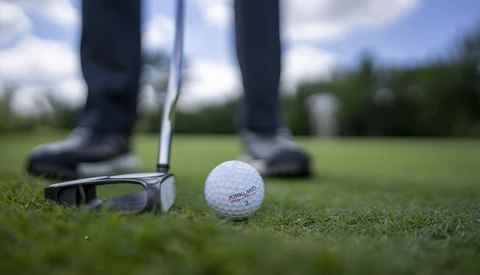
Sigma's latest two lenses, the 20mm f/1.4 DG DN Art and 24mm f/1.4 DG DN Art, continue the Art series custom in that they provide sharp and impressive image quality while significantly undercutting the prices of many first-party options.

When it comes to getting around with my primary camera, collection of lenses, filters, and miscellaneous lighting accessories, I’m a backpacker all the way. But what about those instances when you already have your hands full, but still want a capable camera to bring with you and don’t want to haul out the production-ready camera bag?

It's been nine months since I started to live a nomadic life and do full-time travel and photography. To stay productive on the road, I had to exchange my old and trusty desktop PC for a portable solution. I'm a Windows user and decided to go with the Dell XPS 9510. In this article, I explain why and share how it held up over the past months.
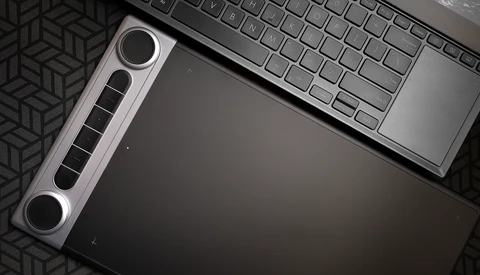
It’s one thing to have a dedicated graphic tablet for editing and a whole world of convenience to have a versatile editing console. Let’s check out why the Inspiroy Dial 2 can be considered more than just a tablet.
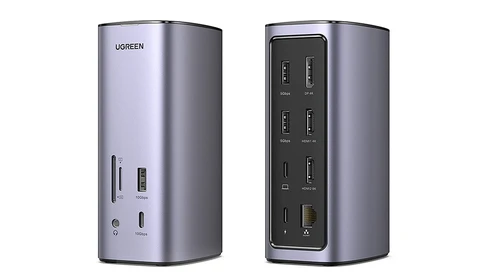
Laptops are more powerful than ever, easily capable of replacing a desktop for many creatives. However, when it comes to the needs of creatives, the ports on most laptops simply aren't enough to cover everything. Enter the docking station.
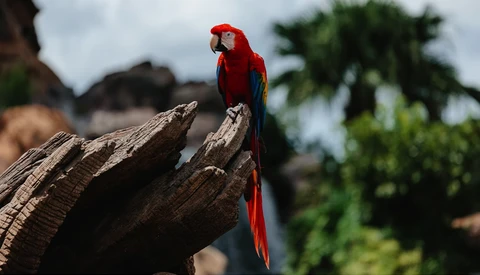
The Canon EOS R3 is the most advanced camera the company has ever created, offering some incredible features, like a 195 fps continuous burst rate, making it a compelling option for a wide range of creative applications, particularly sports and wildlife work.

When it comes to mirrorless cameras, there are normally a few specifications and features that capture all the headlines — things like frame rates, sensor resolution, and autofocus. And while those are important, every camera comes with little features that might not capture those top headlines but that make a significant difference in your day-to-day usage.

It is common today to find professional photographers eager to embrace new equipment offerings from manufacturers. I recall a time when things were different and professionals were content to stick with gear that was adequate for their current needs.
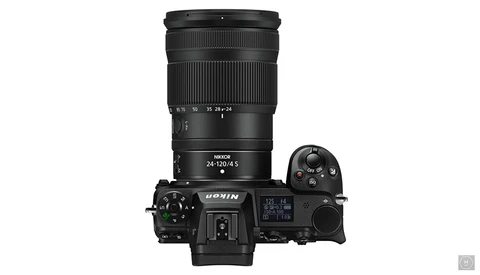
The 24-70mm f/2.8 lens is the workhorse you will find in a ton of photographers' bags, as it provides a useful zoom range in tandem with a wide maximum aperture. That being said, such lenses are generally rather expensive. If you do not need that wide aperture, you can save a lot of money and get more reach by opting for a lens like the NIKKOR Z 24-120mm f/4 S.
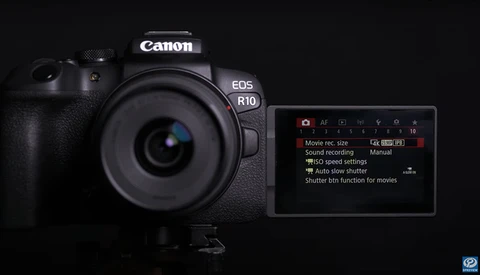
Mirrorless cameras have come quite a way in the last few years, offering some incredible technology. As awesome as all that tech is, not all of us want to spend a ton of money on a camera. Canon's EOS R10 packs a lot of the company's advanced features into a body that sits below $1,000, making it quite the intriguing option.

Anybody of a certain age remembers the ViewMaster, a favorite childhood toy that read circular reels through a bright red stereoscopic viewfinder, rendering images from those reels in vivid, 3D detail. If nothing else, the color of Kandao’s new QooCam EGO viewfinder gives away that someone at that company has fond memories of the ViewMaster.

Bird photography is a genre that requires long focal lengths, wide apertures, and fast shutter speeds, making it a nightmare scenario for consumer zooms. So, can you still get good photos in challenging low-light situations? This great video takes a look.

Whether you have a full-time production studio, only shoot on location, or just do a little landscape or bird photography for fun on the weekends, you should own at least one of these first aid kits possibly even 2 or 3 of them. Everyone has some sort of box or drawer full of first aid items either at home or in their office. Maybe you even have a roadside kit in your car.

Canon has done quite well in rounding out its full frame mirrorless camera lineup, offering models like the ultra-affordable EOS RP, the do-everything EOS R5, and the top-shelf EOS R3, with a few other models spread in between. Now that the line is well established, the time to start replacing older models is just about here, and that will begin in just a few months.

Do you have Shiny Object Syndrome? Do you conduct self-control litmus tests when the weekly B&H newsletter drops in your inbox? Do you try to rationalize snagging the new Profoto strobe when you know very well that your savings account is plummeting faster the engagement for photos on Instagram? If so, you may want to take a hard pass on this article.

Shooting 360 video in low-light has never been easy, but larger sensors that are popping up in cameras like the Insta360 ONE RS 1-Inch 360 Edition Camera are increasing possibilities for night shooting. Here are a few tips to make the most of whatever 360 camera you've got for low light.
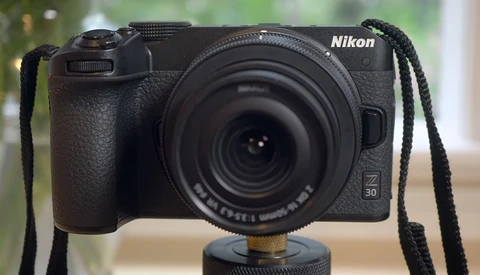
As far as modern mirrorless cameras go, Nikon's Z30 is one of the most affordable, priced at just $706, or just a bit more with one or two lenses. So, what do you get at that price point? This excellent video review takes a look at the camera and the sort of performance and image quality you can expect from it in practice.

Auto ISO is one of those features that I ignored for a long time, considering it not much more than a gimmick. It wasn’t until recently that I decided to try auto ISO, and I quickly realized that I was missing out on a valuable and practical feature.
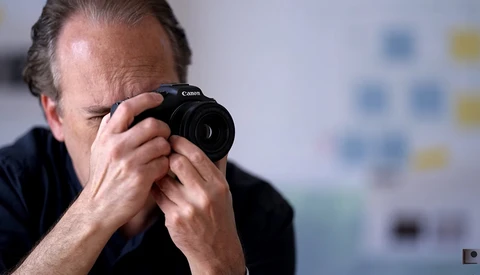
The Canon 7D and 7D Mark II were two of the most popular cameras of the DLSR era, giving photographers the chance to use a lot of the technology in Canon's upper-level full frame bodies at a significantly lower price. The EOS R7 continues that tradition into the mirrorless space, and it brings with it a nice range of improvements and new features.

About two years ago, my long search for a new camera backpack ended as I stumbled upon a company called NYA-EVO. In this article, I review their biggest backpack, the Fjord 60-C. After two years of heavy use for traveling and hiking, I feel competent enough to share why I think it's the perfect camera backpack.
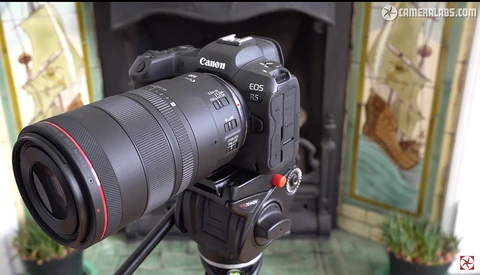
Canon's EF 100mm f/2.8L Macro lens was one of the most respected lenses in the company's lineup, offering 1:1 macro performance, impressively sharp rendering, a capable hybrid image stabilization system, and more, endearing it to anyone from macro photographers to portraitists and wedding photographers.
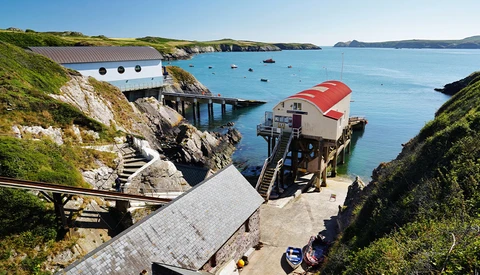
Sigma recently announced two new lenses, the 20mm f/1.4 DG DN Art and 24mm f/1.4 DG DN Art, both of which offer impressive image quality combined with very wide apertures, making them intriguing options for landscapes, astrophotography, and more.

My career as an elitist prime glass snob has come to an end after real-world professional work using an unexpected lens choice showed me the error of my ways.