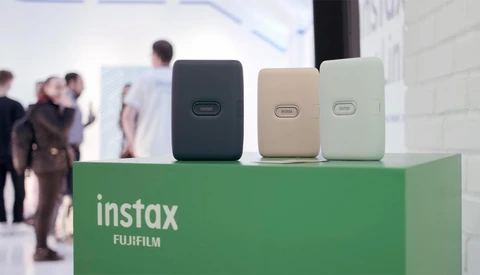
Fujifilm Instax Launches Mini Link Smartphone Printer: First Look and Impressions
Intuitive and compact smartphone printer to appeal to the social generation? Take a look at Fujifilm instax latest product in instant photography field.
Intuitive and compact smartphone printer to appeal to the social generation? Take a look at Fujifilm instax latest product in instant photography field.
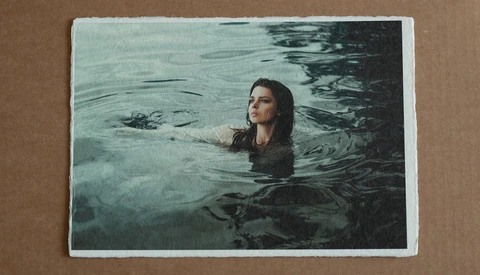
When it comes to a handmade fine art paper, this is one that absolutely does not mess around, and with the right image, it can stop a viewer dead in their tracks. In fact, it's so serious that this paper is sold by the individual sheet.
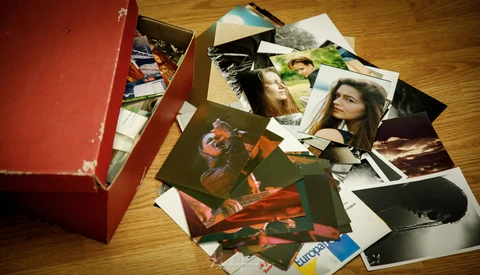
Digital photography has changed the way we take pictures. We care able to shoot, and shoot, and never run out of storage space. But at the other hand, it did not change the way we treat all those photos. So I wonder: what are you doing with all the photos you took over the last year? It used to be so simple.
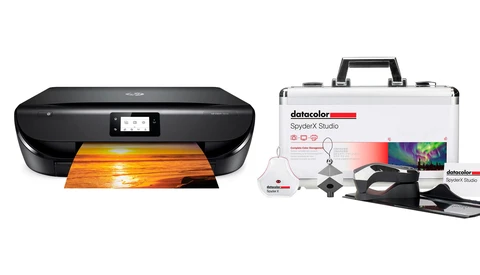
I am a big advocate of calibrating equipment. For this reason, I regularly make sure my monitors, cameras and, lenses are calibrated and working correctly. Printers, on the other hand, are a device that I've never done anything beyond using the factory settings. I figured it might be a good idea to reconsider that.
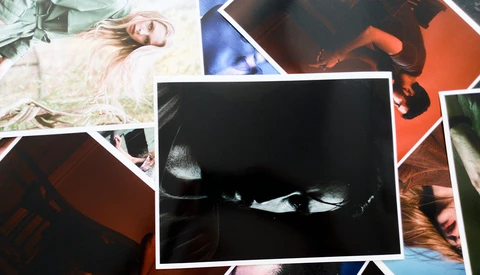
Canon released the Canon Pixma Pro-10 around 2014 and changed prosumer printing. Even though it was released over five years ago the Pro-10 (and the Pro-10S) is still one of the the flagship models until you reach into professional level territory.
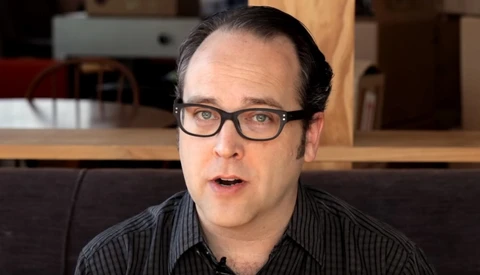
Lately, I've found myself really thinking a lot about portfolios, in both physical and digital form. This throwback video helps with the most basic question: how do you choose the work for your portfolio?
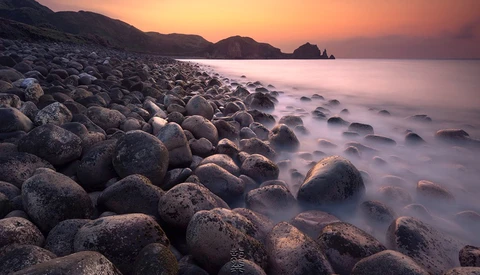
The Batanes group of Islands sit on the northern most tip of the Philippines. The archipelagic province is 408 miles away from the country's capital of Manila and 120 miles south of Taiwan. At 04:16 AM of July 27, 2019, Batanes was hit by a 5.4 magnitude earthquake followed by another 6.4 at 07:38AM.
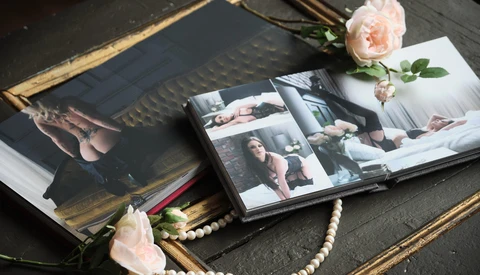
To make a living as a photographer, you have to do more than take great pictures. You have to be a photographer, a supply-chain management expert, an entrepreneur, and, perhaps most importantly, you have to be great at selling — selling both yourself and selling your product.
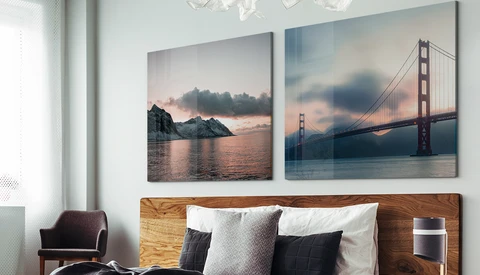
Printing your photos is one of the best things any photographer can do for themselves. There are lots of reasons why you should be printing and it gets brought up here on Fstoppers all the time. In my opinion, one of the best reasons is because a decent sized physical print really brings your work to life and gives it a presence.
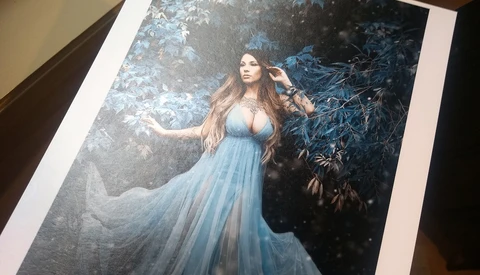
When you've decided to print your work and you're looking for the right paper, your options are near endless. If you know that you're wanting strong contrast and rich color representation, then take a look at this paper from Hahnemühle.
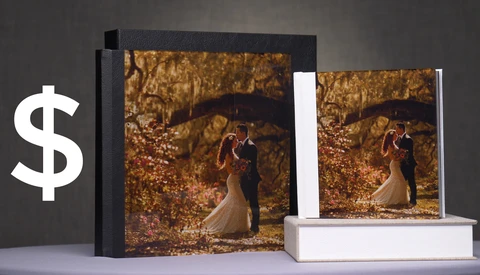
Recently, I teamed up with Ted Linczak to discuss a simple source of revenue that many wedding photographers fail to utilize well: wedding albums. Ted adds tens of thousands of dollars to his business every year with a few simple workflow and sales techniques. In this video, he shares some of his tips.
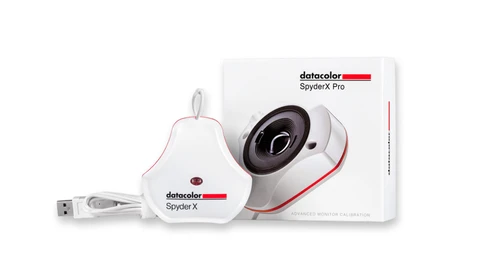
I once tried to color calibrate my monitor... It was a disaster.
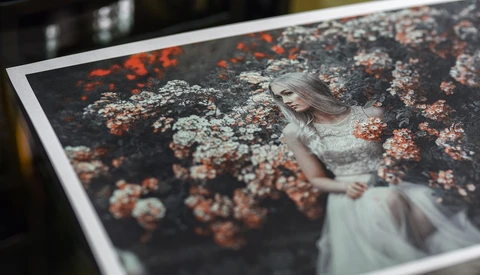
As we've been discovering over the past few months, there are many options and choices when it's time to print your artwork. Today's paper is a rock star when it comes to unique yet subtle texture and really works wonders with your muted color palettes, so let's check it out.
Once again, a small personal moment has caused me to reflect on a larger picture.
I cleaned my house this weekend. And, yes, I realize the previous statement doesn’t quite qualify me to be knighted by the Queen. But, as a confirmed bachelor and well known indiscriminate sock thrower, it was quite an accomplishment.
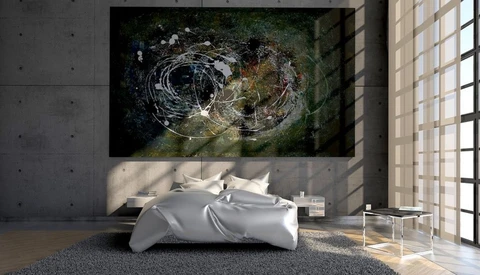
As photographers we are artists, so what we display on our own walls, in our own living spaces, should be of paramount importance to us. What do you display for others to see?
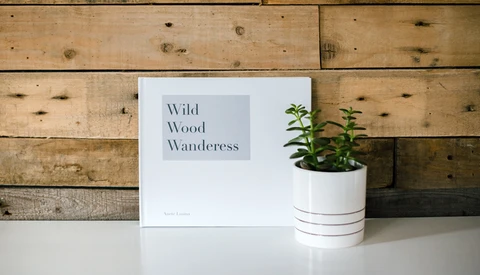
Do you keep forgetting to do your photographs justice and print them in books? Well, no excuses now because Blurb offers an easy way to design your photography books straight in your Lightroom Book module through its built-in plugin.
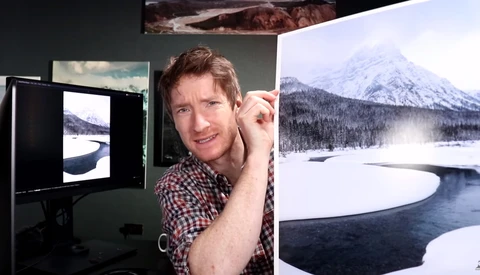
Prints are where landscape photography truly comes to life. Should you own a printer or outsource the work? Check out this great video to learn more.
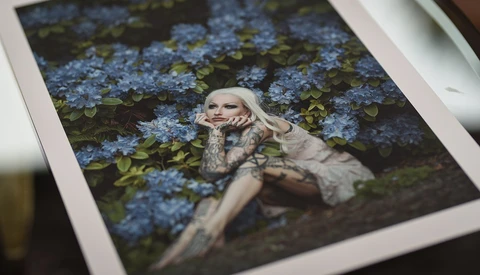
When I'm looking for a fine art paper with a crisp, clean, and beautifully tactile feel to it, one of my first thoughts is to turn to the William Turner paper from Hahnemühle. This is without question one of my top five papers that I've seen and printed on thus far, have you tried it yet?
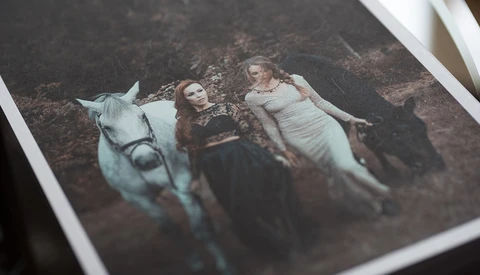
When you're looking to print something that can really stand out and be unique, you may be wanting something more than a traditional matte or glossy paper. That's where Moenkopi Washi Unryu 55 comes in with a gorgeous texture and feel for your fine art prints.
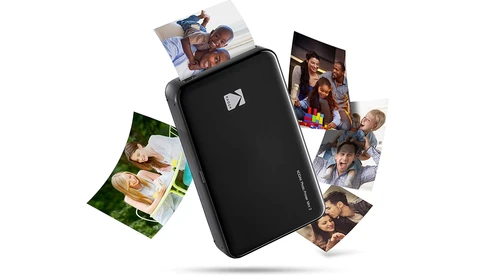
Have you ever wanted a pocket-sized printer so you can hand out personal prints everywhere you go? Then Kodak's newest mobile printer might be for you.
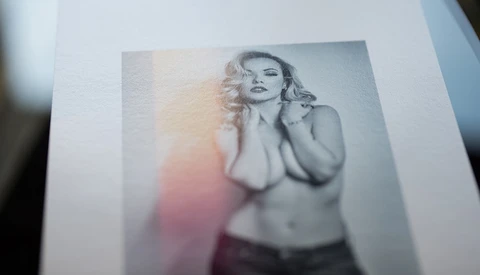
If you've explored the world of fine art paper and printing even the tiniest bit, then you've no doubt heard the name Hahnemühle. Today, I'll be taking a hands-on look at one of their newest papers in the FineArt line, the Photo Rag® Metallic.
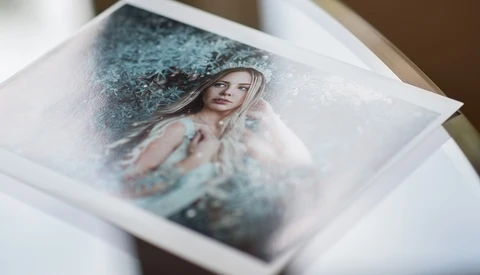
It turns out that every different kind of paper out there isn't going to be the right choice for every shot that you have. Sometimes, you'll make the wrong choice and the content won't make sense on the type of paper.
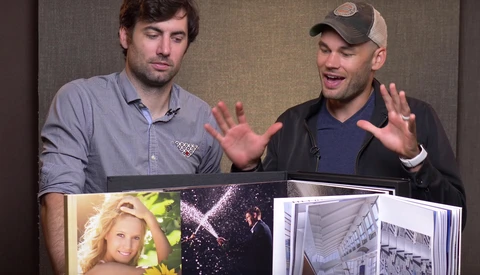
Every photographer today has a digital portfolio of some kind but only a very few have spent the time to create a printed book. In this video, we look into three very differently designed printed portfolios.
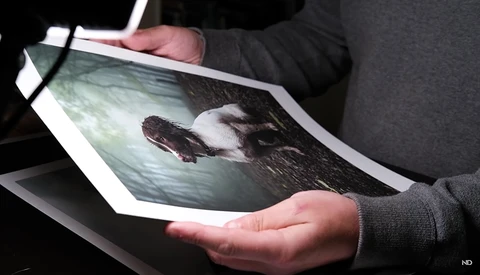
Printing your own photos is one of the most satisfying ways to enjoy the fruits of your hard work as a photographer, but doing so comes with its own set of rules and considerations to make sure your prints are just right. This great video will give you a straightforward guide to properly managing color from camera to print.
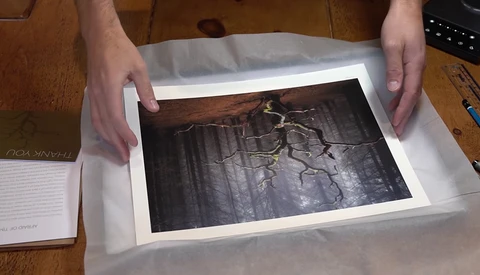
Now that we're firmly in the digital age, printing photos has been relegated to an optional step in the photographic process, one that many photographers rarely (if ever) take advantage of. This great video talks about why one photographer feels printing photos is so important (even in this age) and how he goes about it.
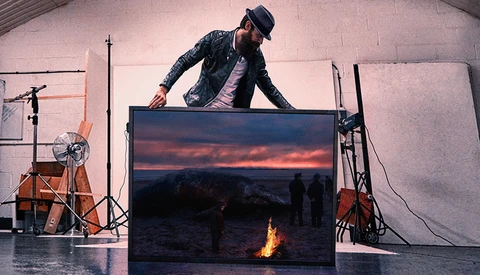
Getting your prints to look exactly how they should is a constant battle for many photographers. Minimize the amount of time and money wasted on reprinting by downloading these free templates and using a traditional technique borrowed from the darkroom.
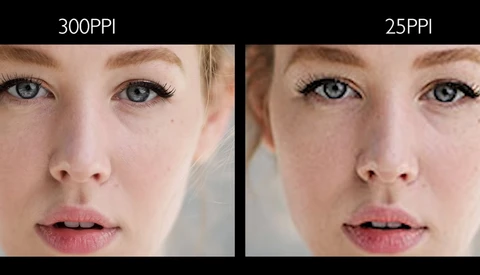
Everyone likes to see their images in print, but what about printing them significantly bigger: what do you need to know?
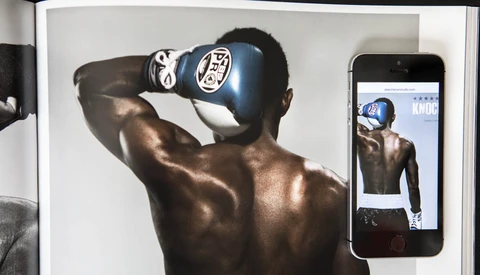
Every photographer out there needs a portfolio, but times have changed, and with digital technology growing at a fast pace, the way people look at our work is changing too. Does this mean that the printed portfolio is dead?
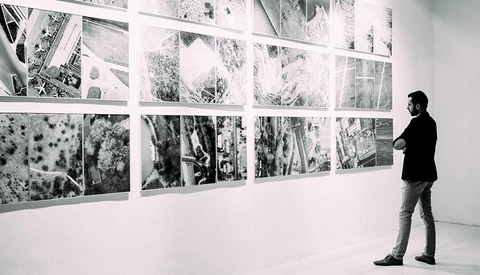
Printing isn't something most of us do when we're first starting out, but as our careers develop it becomes more and more important to deliver the highest quality images to clients for them to print and use for advertising in magazines, posters, and maybe even billboards. But does size really matter?
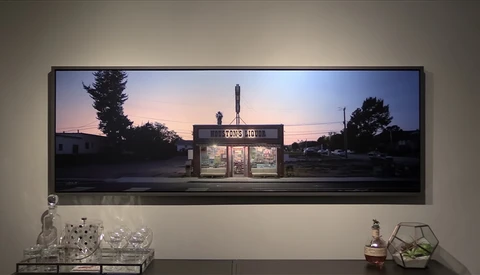
I know that many of us get caught up looking for the next piece of gear to buy or searching for our next portfolio shot, but it's possible the most satisfying thing you can do in photography is to print your own work.
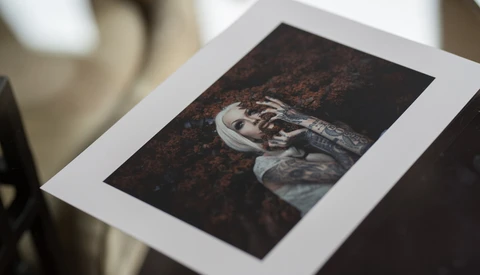
Welcome to the second official entry in my exploration of fine art printing, paper, and why we're meant for more than cell phone screens. In this entry, we're looking at a paper that absolutely blew my mind from the very first test print I ran.
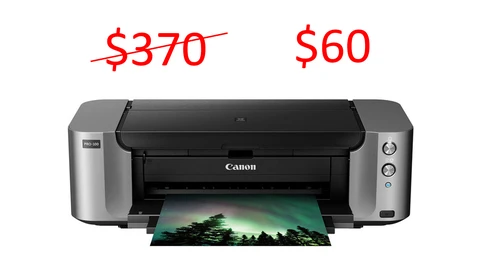
We own two Canon PIXMA Pro 100 printers at the Fstoppers office and love them. They print fantastic looking prints, are dependable, and for a limited time they are being sold for only $60.
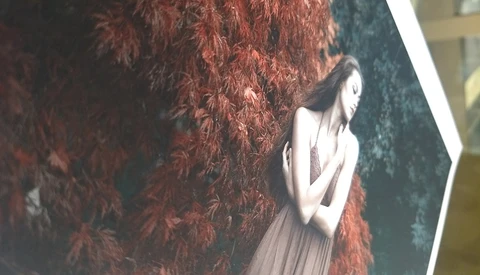
Your work is greater than a Graham cracker sized cell phone screen and you know it. When it comes time to select which paper you print on, you've got a lot of options. Let's take a closer look at a few things to consider when making your choice and examine one example up close.
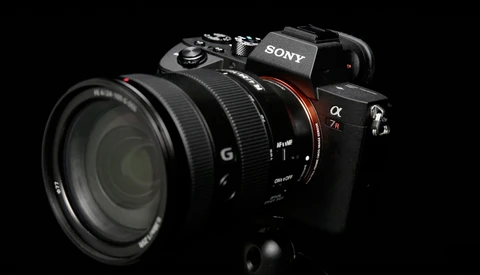
Do you really need all those megapixels in that shiny just-released camera, or is your current 20-something-megapixel camera still just as good as the day you bought it? Let's talk a little about why the megapixel race is great for some photographers and might not even matter for others.
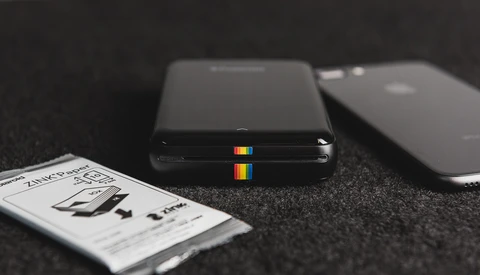
If you’re anything like me, you love to print your photos. The Polaroid ZIP is an inkless photo printer that is ultra portable and easily fits inside your pocket, but is it really worth the price it's selling for?
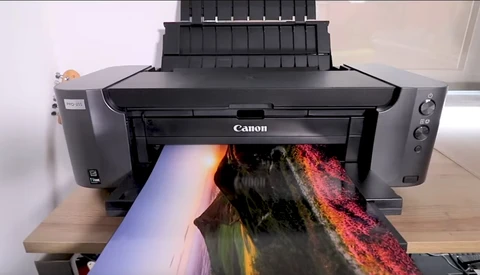
Photographer Adam Karnacz is a landscape photographer who loves seeing his work come to life on print. No really, listen to him! May we all be this passionate about something.
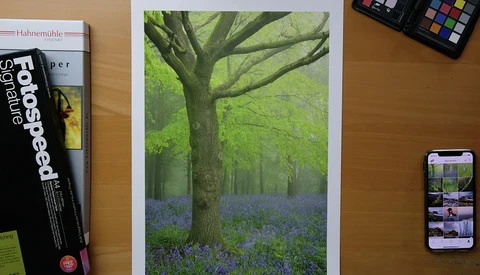
The digital age has pushed some of us away from printing our photos, but at the same time, better technology and cheaper prices has made it more possible than ever to make your own high-quality prints at home. This helpful video will give you some tips to help and mistakes to avoid in the process.
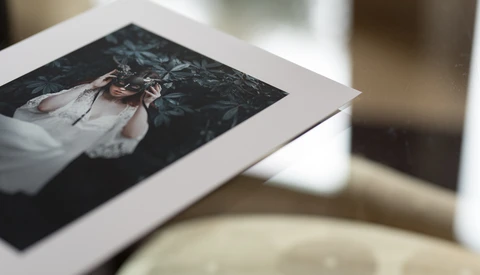
Ask yourself a pretty simple question: how hard do you work? If your honest answer is that you work pretty darn hard then it's important to come to grips with the idea that social media will never be able to showcase that hard work; you need to be printing your images.
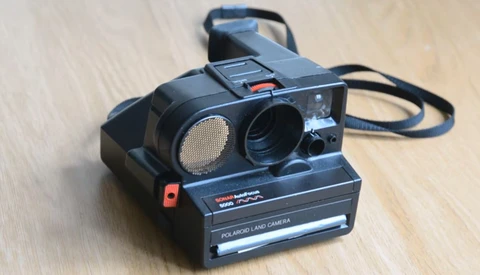
If you're into tinkering gear and customizing things to the way you like them then this might be your kind of video.
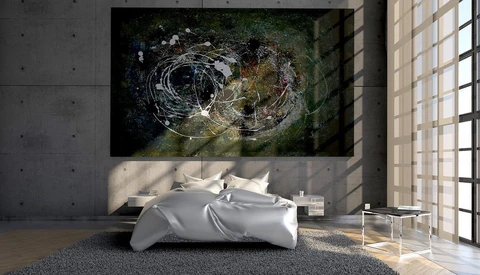
You've used your inkjet to print edge-to-edge A4s and A3s, then wanted to upsize, so you went to an online printer for a canvas or a poster. They get pretty big at 45" by 30". Wanting to go bigger? Try a wall covering!
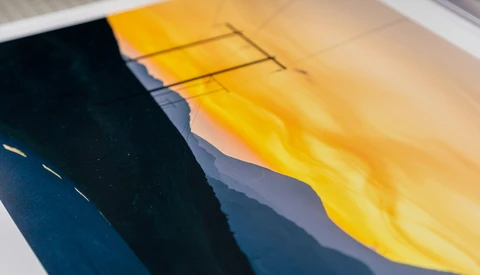
There's nothing quite like holding a high-quality print of your own work in your hands. Except, maybe when it's something that you've printed yourself.
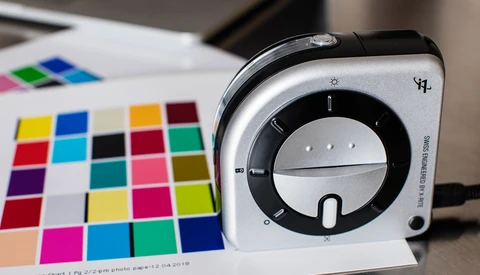
Color calibration is a necessary step in getting the very best results in your photography, yet many photographers avoid it altogether, leaving the final color edits to their printing lab, and basically turning over the outcome of an entire session to a complete stranger who knows nothing about your editing style or desired end result.
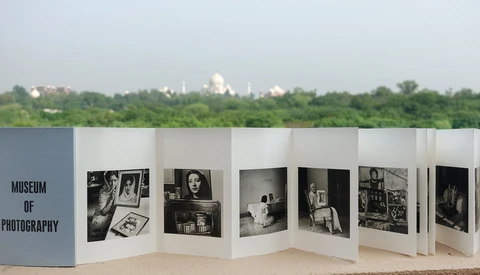
It is well known that if your client can hold the photograph, whether in an album or print, they are more likely to purchase it. They can feel it in a much more intimate way than just being on a computer screen.
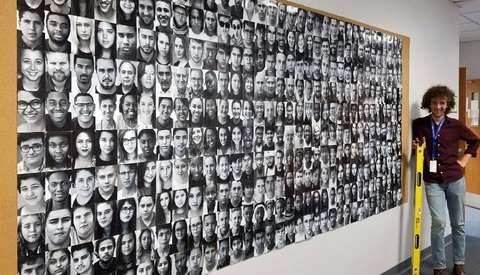
Have you ever wondered what it took to make your vision come to life? In this personal project, in the last four weeks of my senior year, I captured 365 portraits of my high school class and brought together an entire community through the portraits.
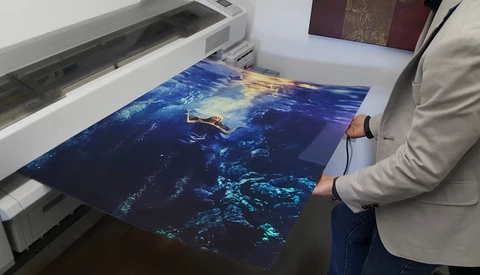
In the digital world it may almost seem as though selling albums or wall art would be a thing of the past. The majority of clients will want to post their session to social media and go about their day. As photographers, it is up to us to educate the client about the importance of having a physical piece of art as well as the right type of art for their home.

Around two weeks ago, Lee and I made a bet over my image, "Atlas and the Sun." In a limited 50 print run the goal was to sell 49 in ten days and make Lee buy the last one to place above his desk. The photo that I'm referring to, which I've titled "Atlas and the Sun," has been a source of controversy in the Fstoppers' office for a couple years.
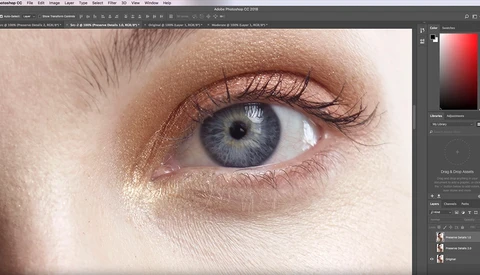
With the new Adobe Photoshop CC 2018, a new image enlargement algorithm, “Preserve Details 2.0,” came as an improvement over the previous upsampling algorithm that had been in place since 2013.

Almost a year and a half ago, I undertook the most technically challenging photo shoot of my career. I was fairly proud of the results and the community rallied around it but Lee and Patrick have publicly criticized the image. This will hopefully settle the debate between us.
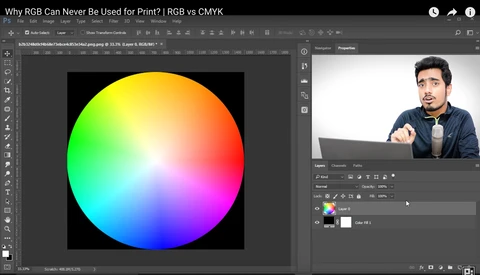
Have you ever wondered why magazine publishers and other printed material producers ask you to submit your images in CMYK color space instead of sRGB or Adobe RGB? If you haven’t thought much about the “why” before now, you might be interested in the tidbit of info in this video.
Are you starting to print your photography? Are you looking to sell prints for the fans of your work? This new video gives a great rundown of colorimetry, papers, and the value of the print.