
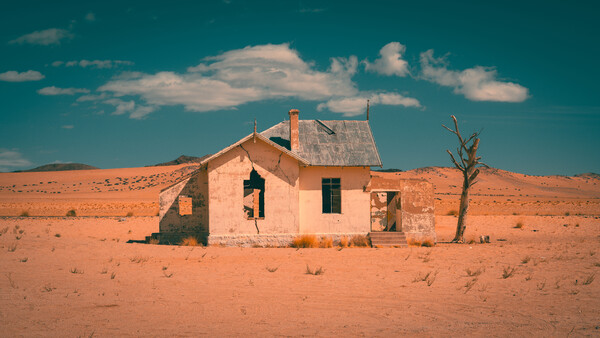
The article emphasizes the importance of slowing down and reconnecting with the joy of photography by creating a series of images of simple things that we admire. Let's look at photos of a remote Namibian railway station that show the beauty of decay and history through intentional composition.
While traversing the vast Namibian desert to reach the small town of Lüderitz on the west coast, I stopped to take photos many times during a 600-mile drive. Distances are long in Namibia; some might call the long roads "emptiness," but for me, admiring oryxes, wild horses, foxes, the expanse of the dunes, storms, and the remains of old, tiny railway stations was quite fascinating along the way.
The highway I drove ran alongside a train track built in 1906 by the Germans, and this article showcases one railway station in the middle of nowhere that fascinated me and slowed me down, giving me a few photography lessons I needed to remember.
Creating a Mini Photography Project
Let's have a look at the images. I walked around this building and took my time to compose in the desert's harsh light. This is a type of exercise I would recommend all beginner photographers do, but every seasoned photographer must take on from time to time. I had the following aims:
- Create a series of images to learn storytelling in photography.
- Use only one lens. I chose a 24-70mm f/2.8 lens; had I brought my 50mm prime lens, it would have been my first choice.
- Shoot the ruin from various angles and see how light and shadows affect the results.
- Shoot small objects in and around the ruin.
Before you read further, ask yourself a question: "When last did I take on such a project?" Maybe this question is more directed toward myself. I often get caught up in client projects or implementing concepts I believe will bring me more work. I stopped at this location to remind myself why I picked up the camera in the first place: to document the things I admire.
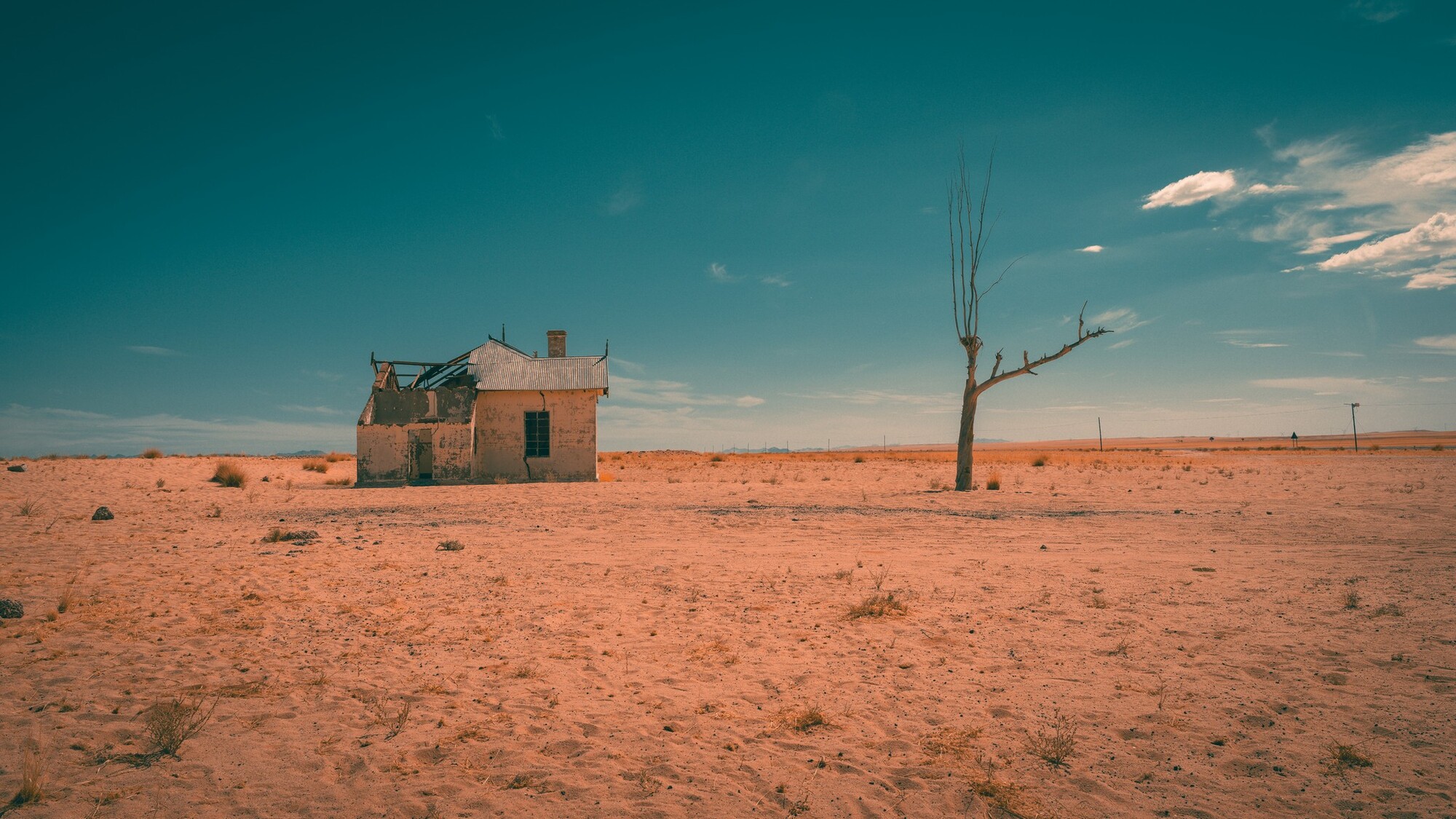
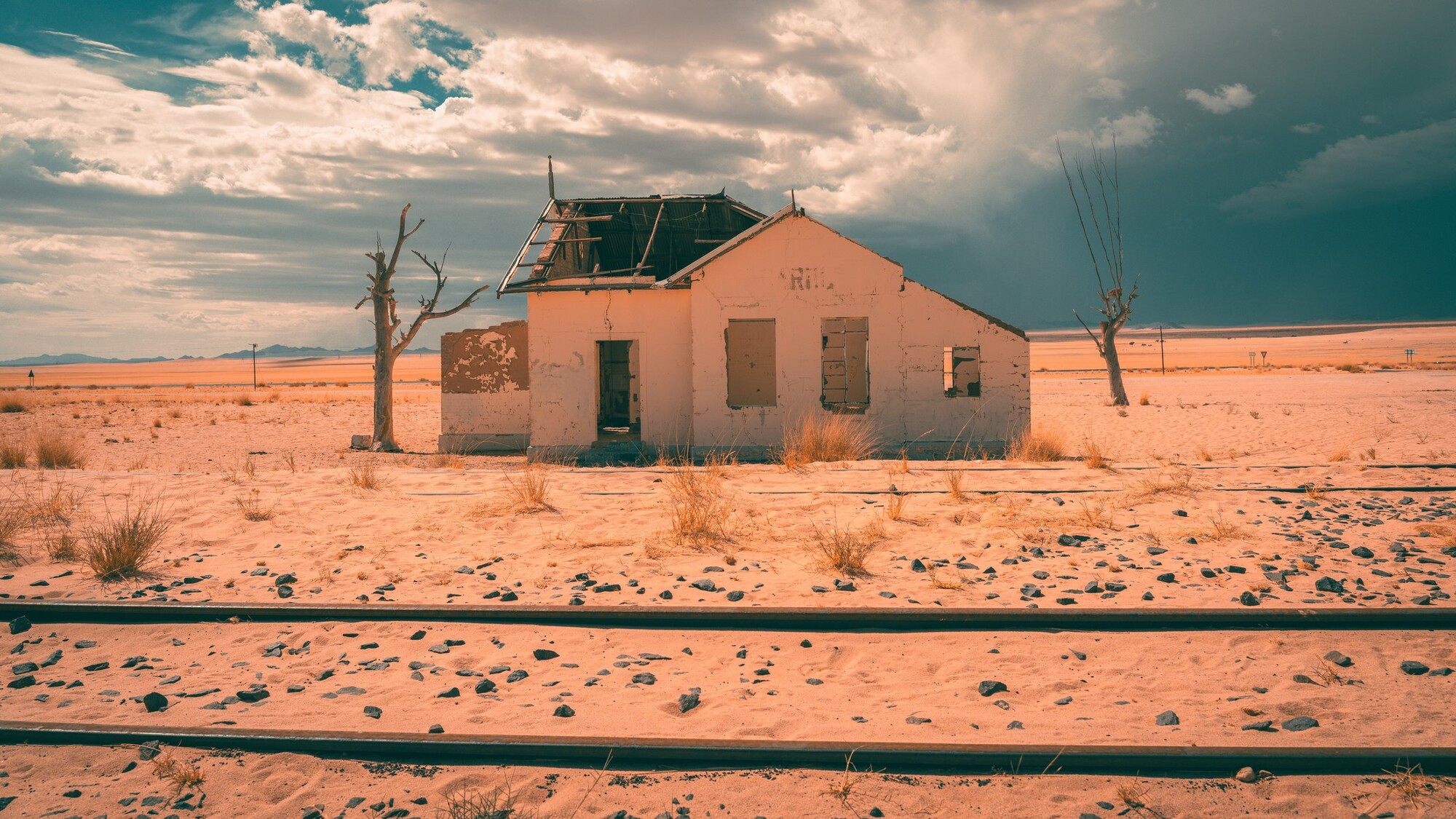
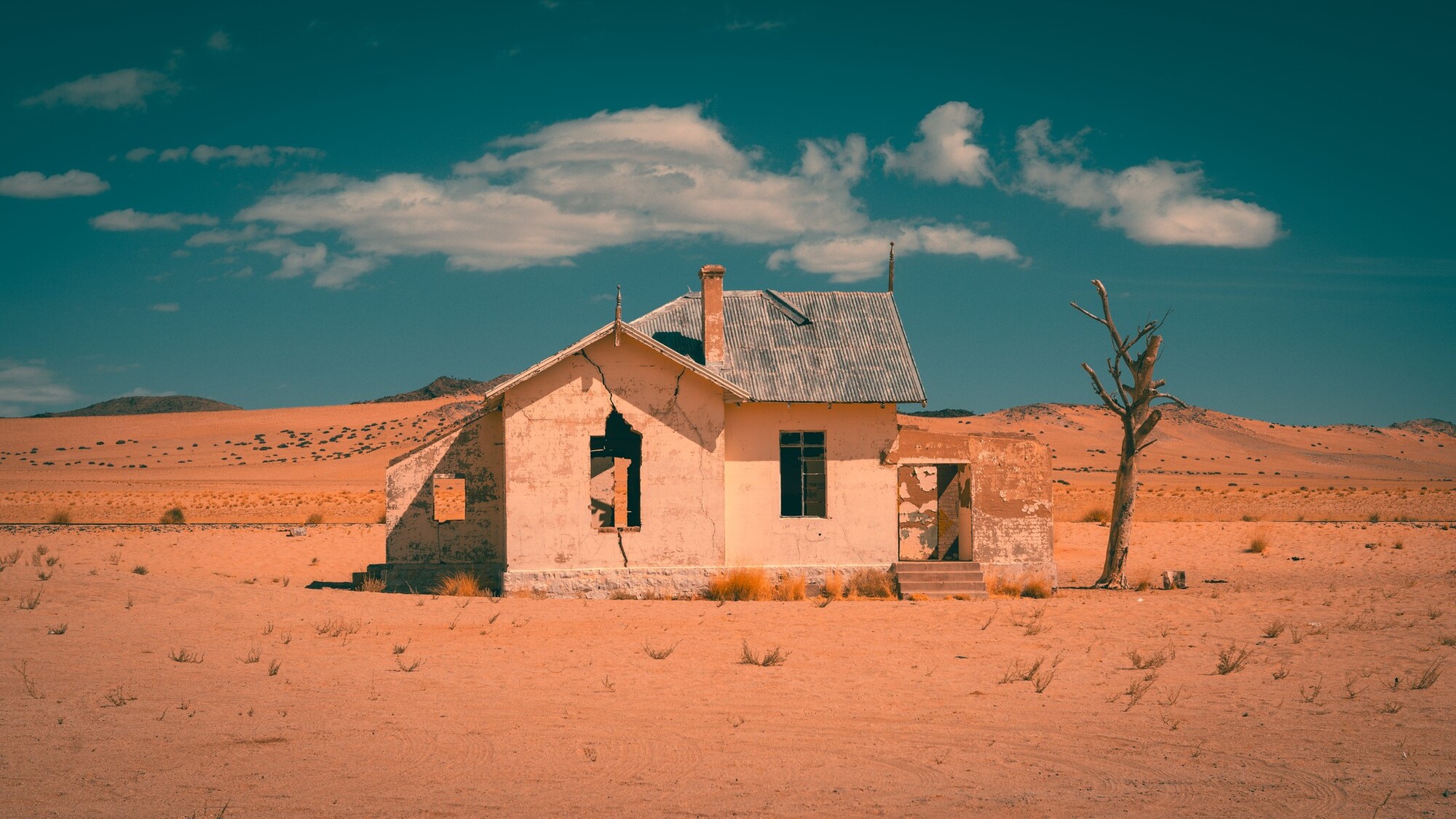
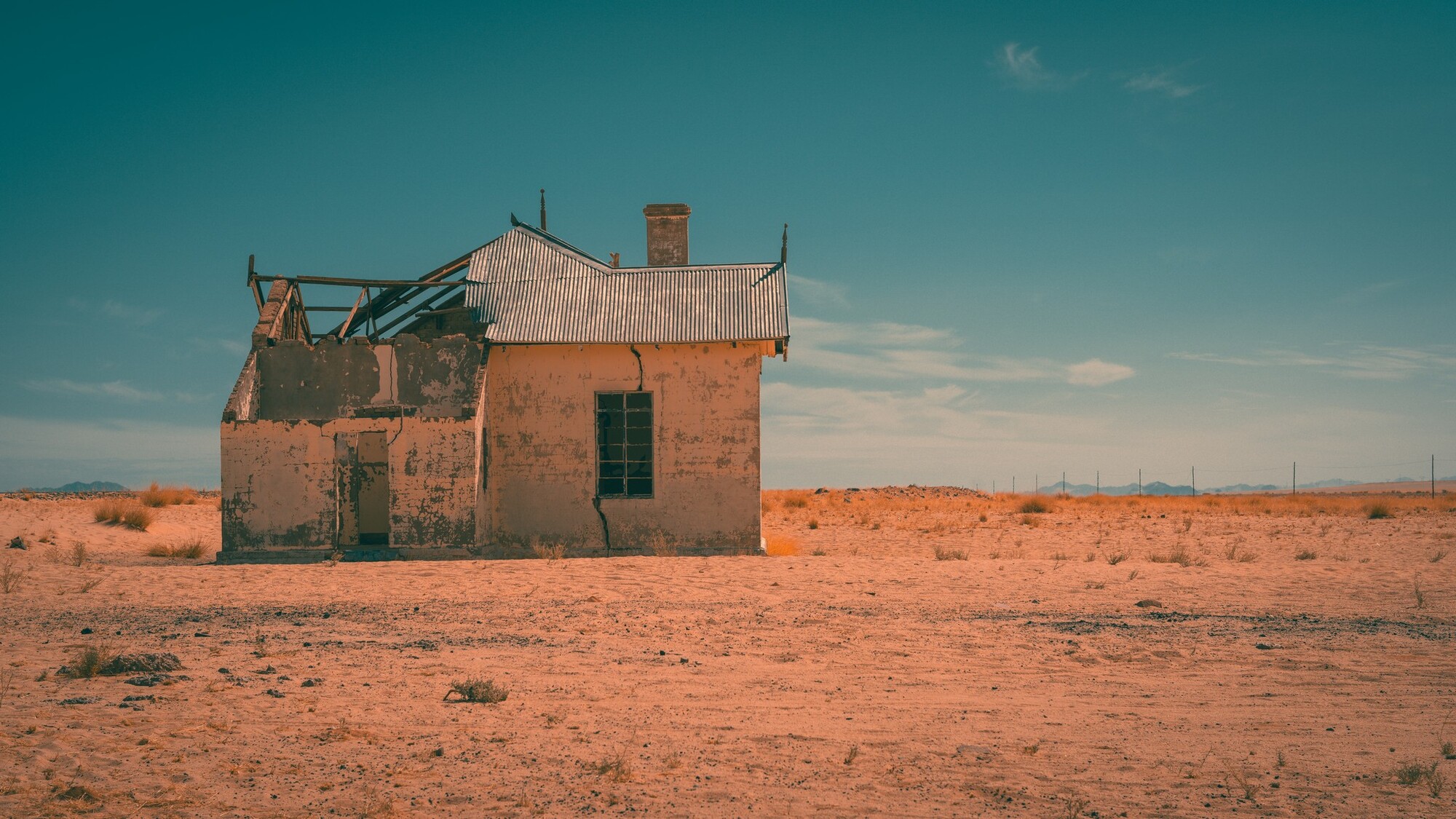
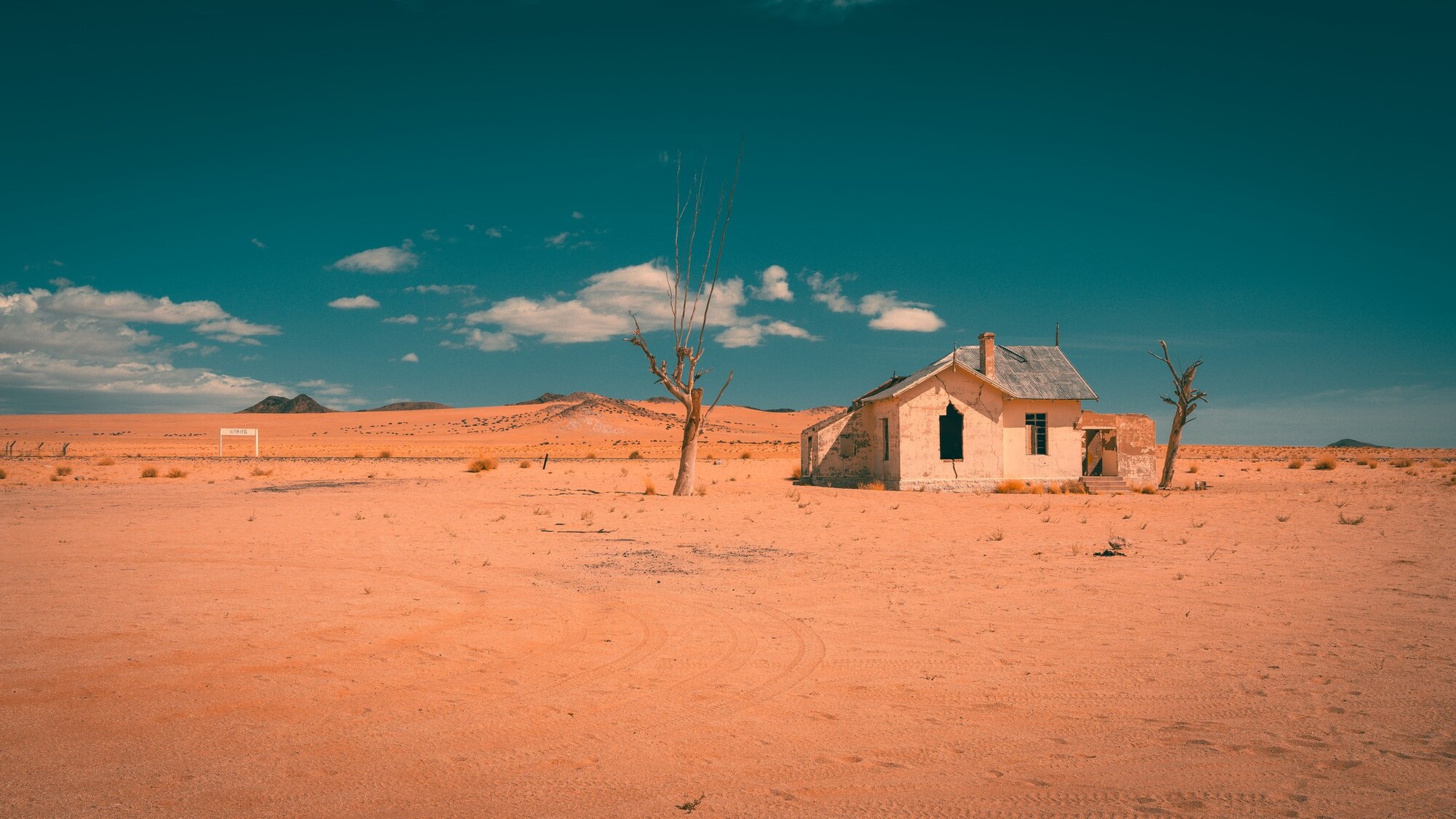
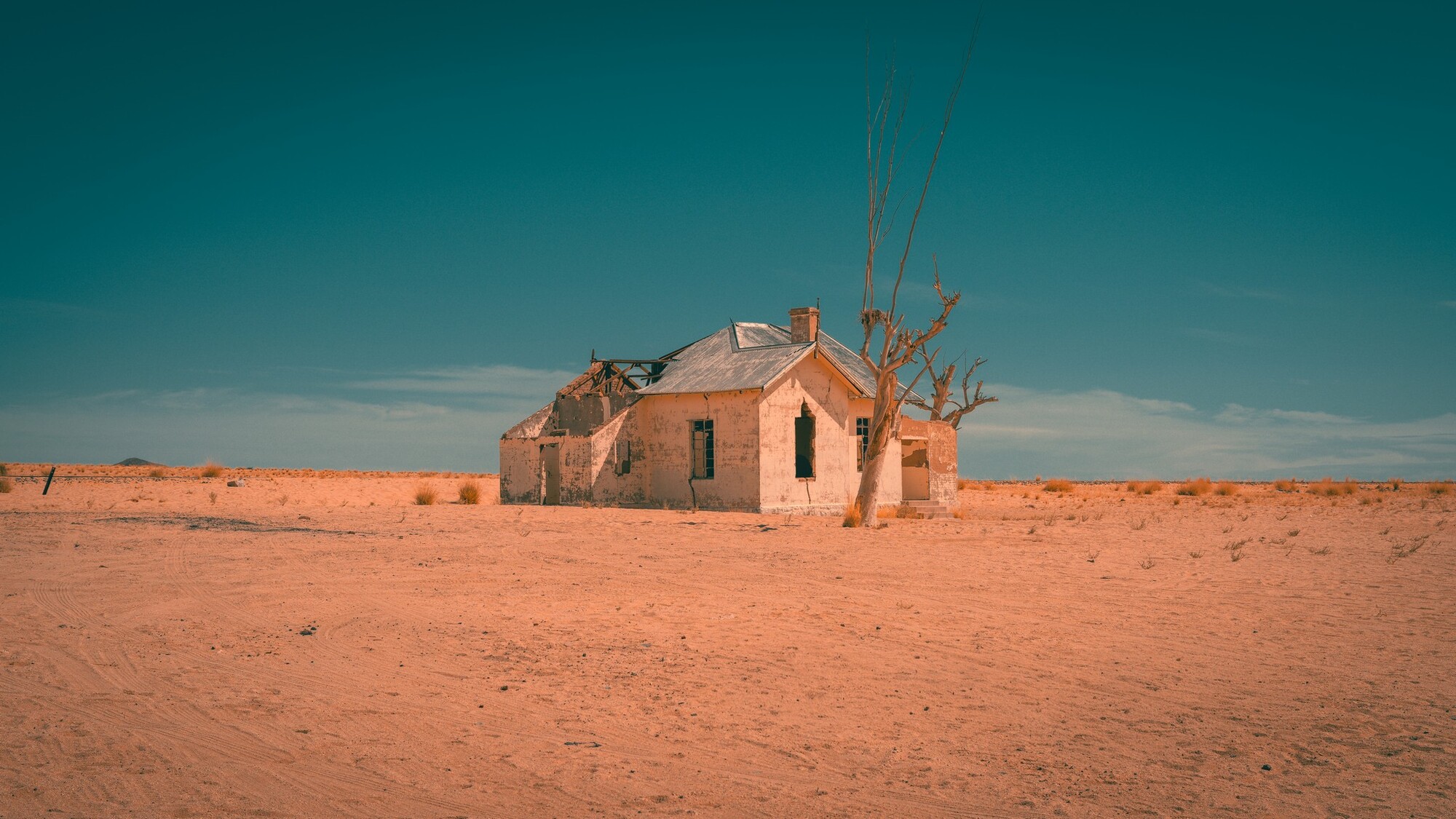
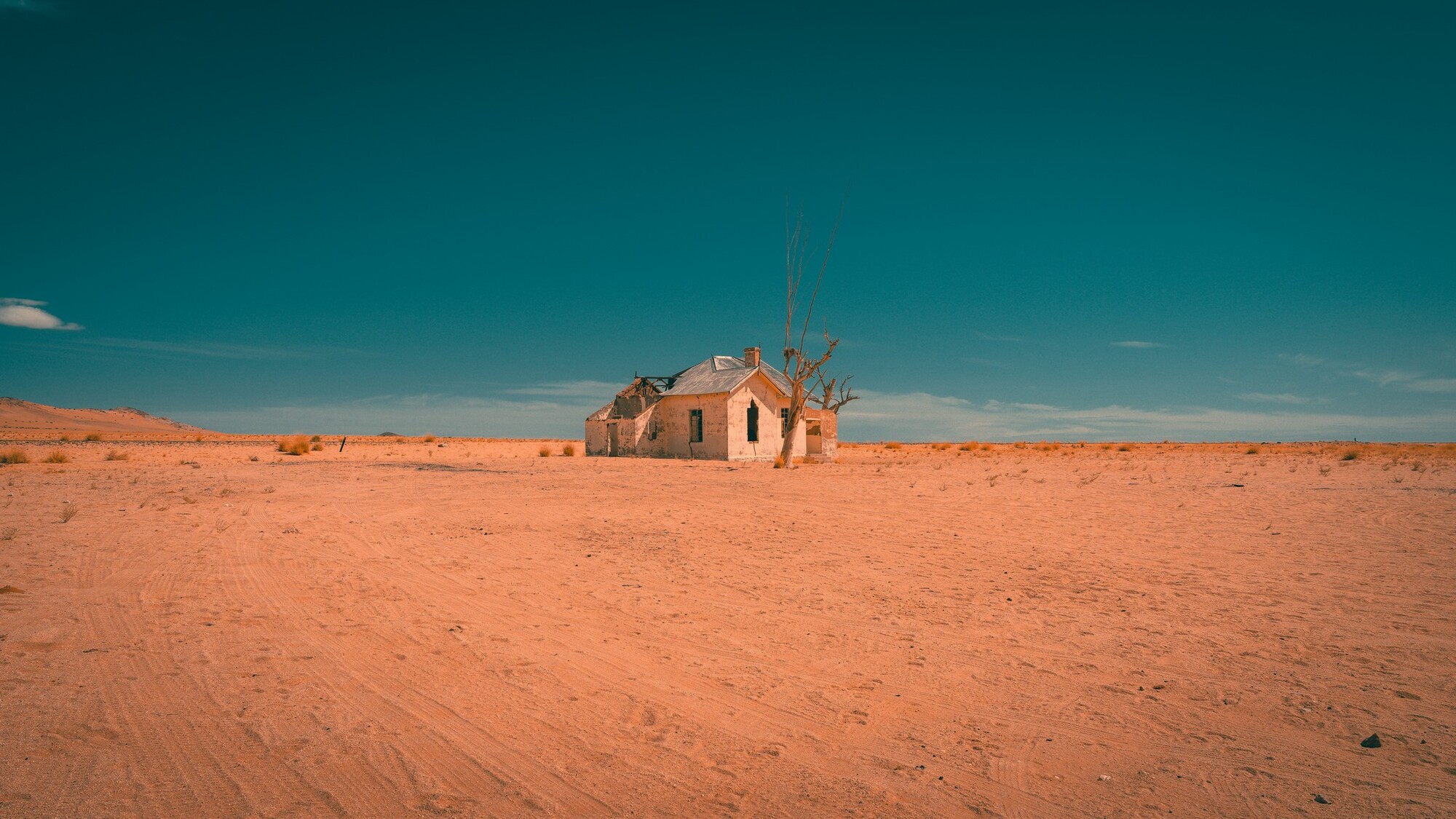
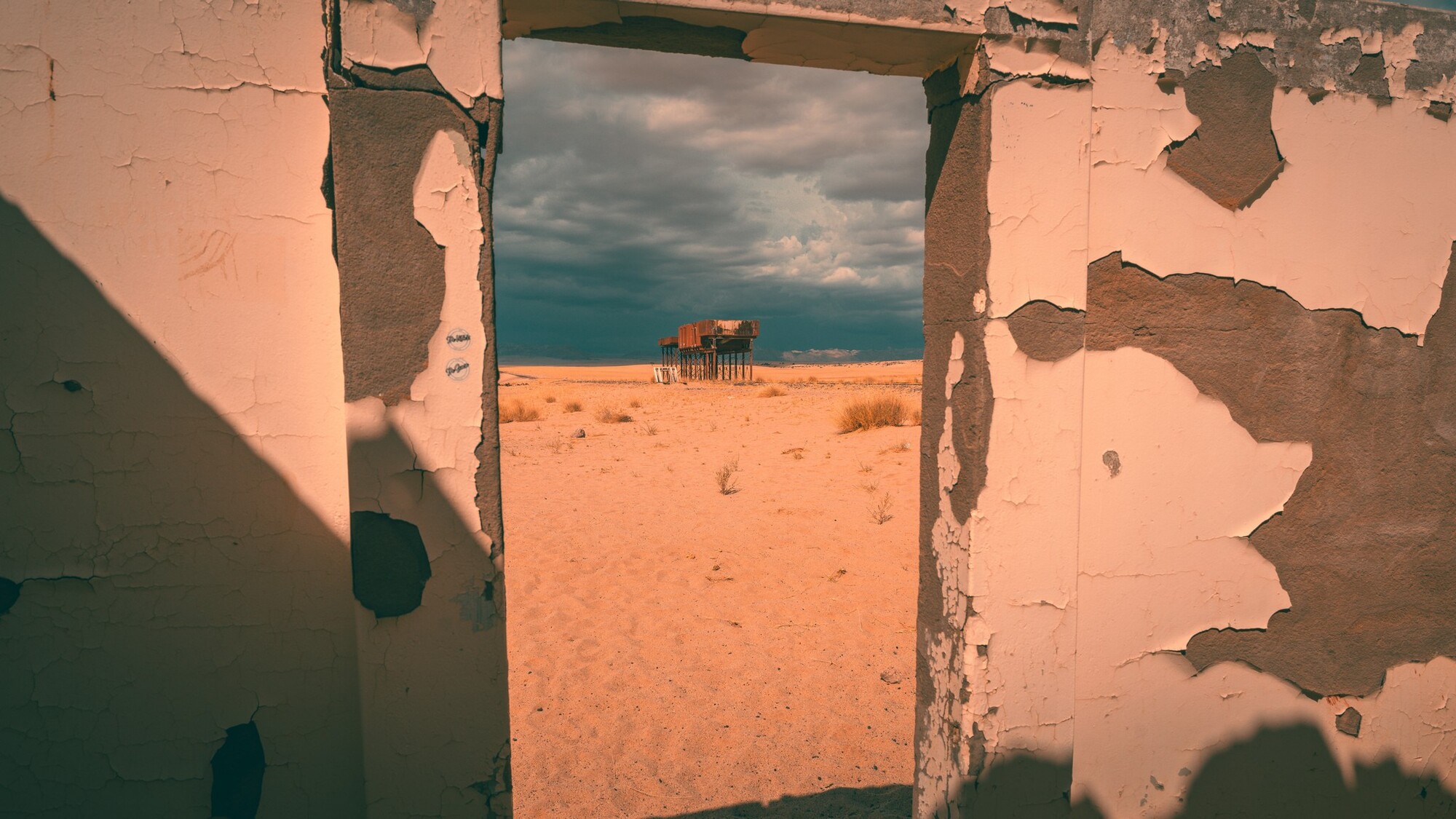
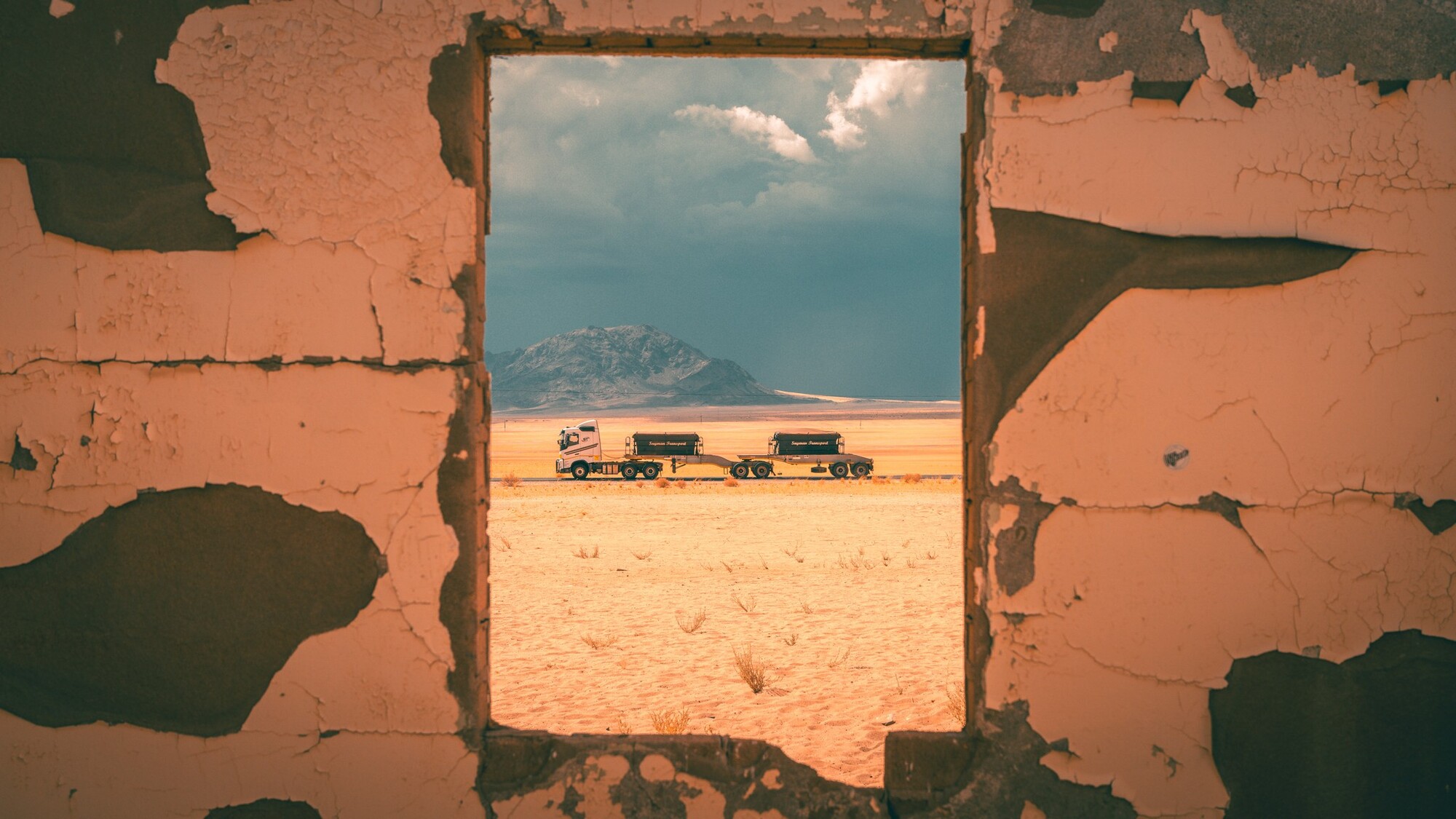
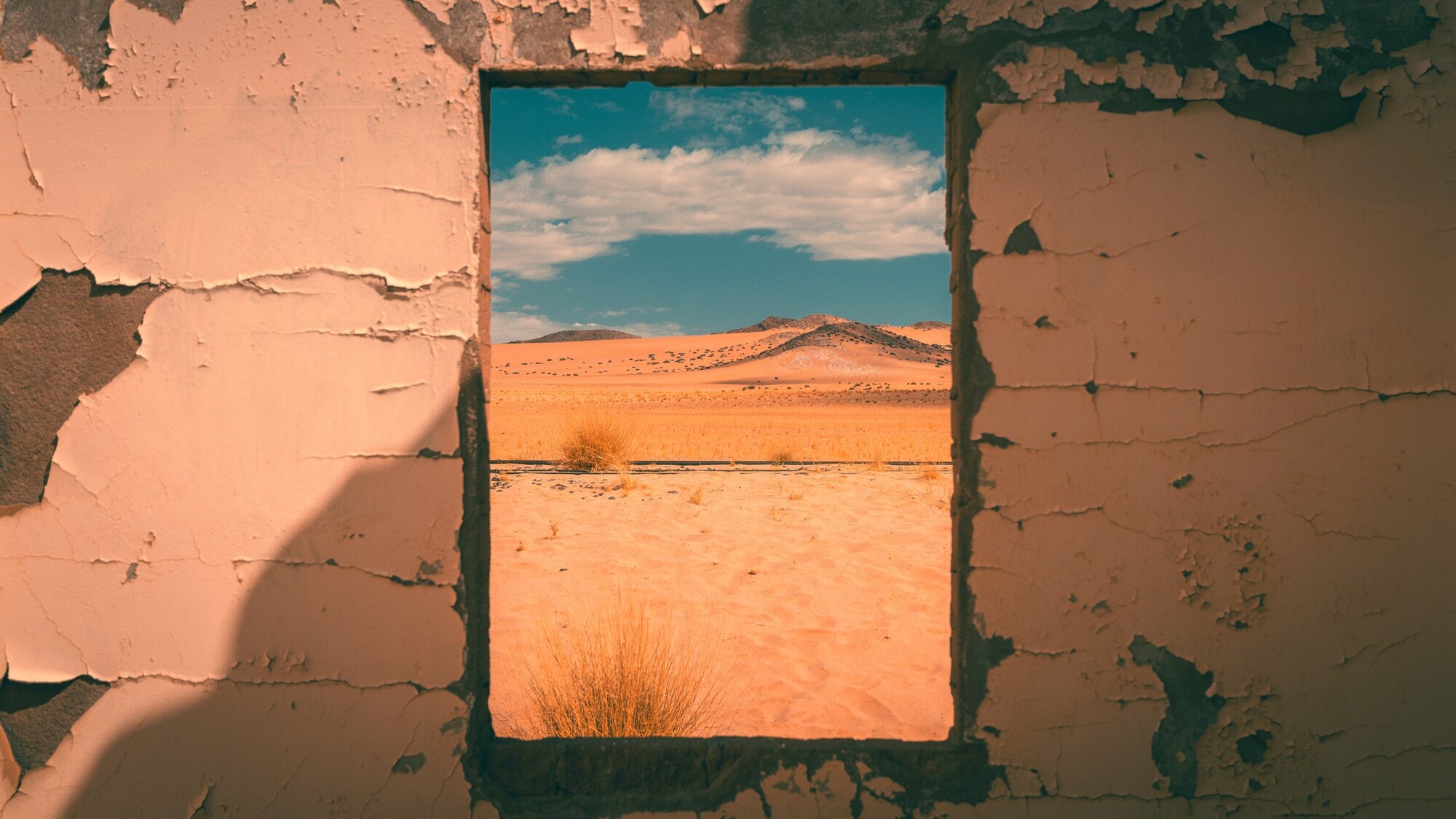
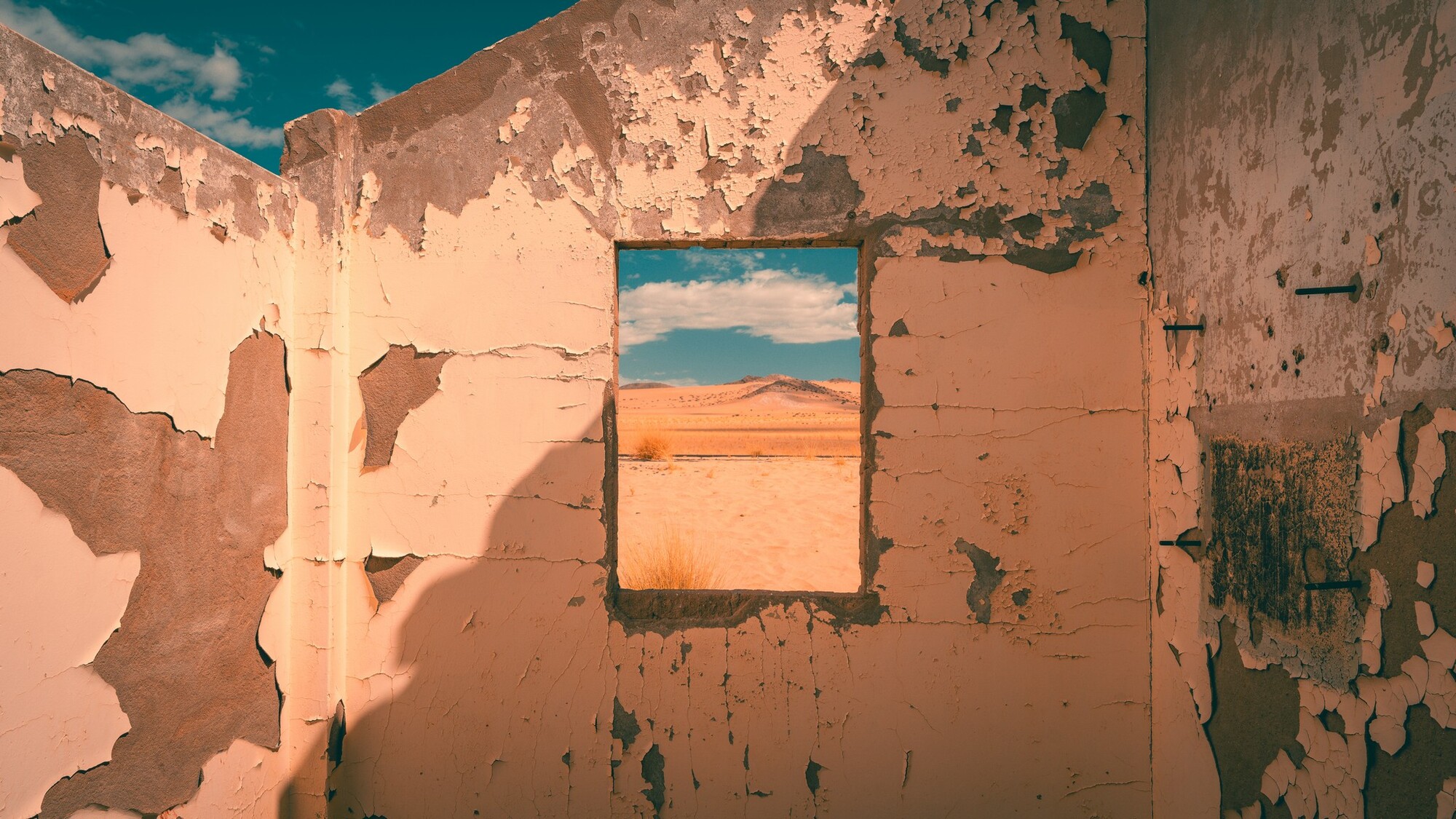
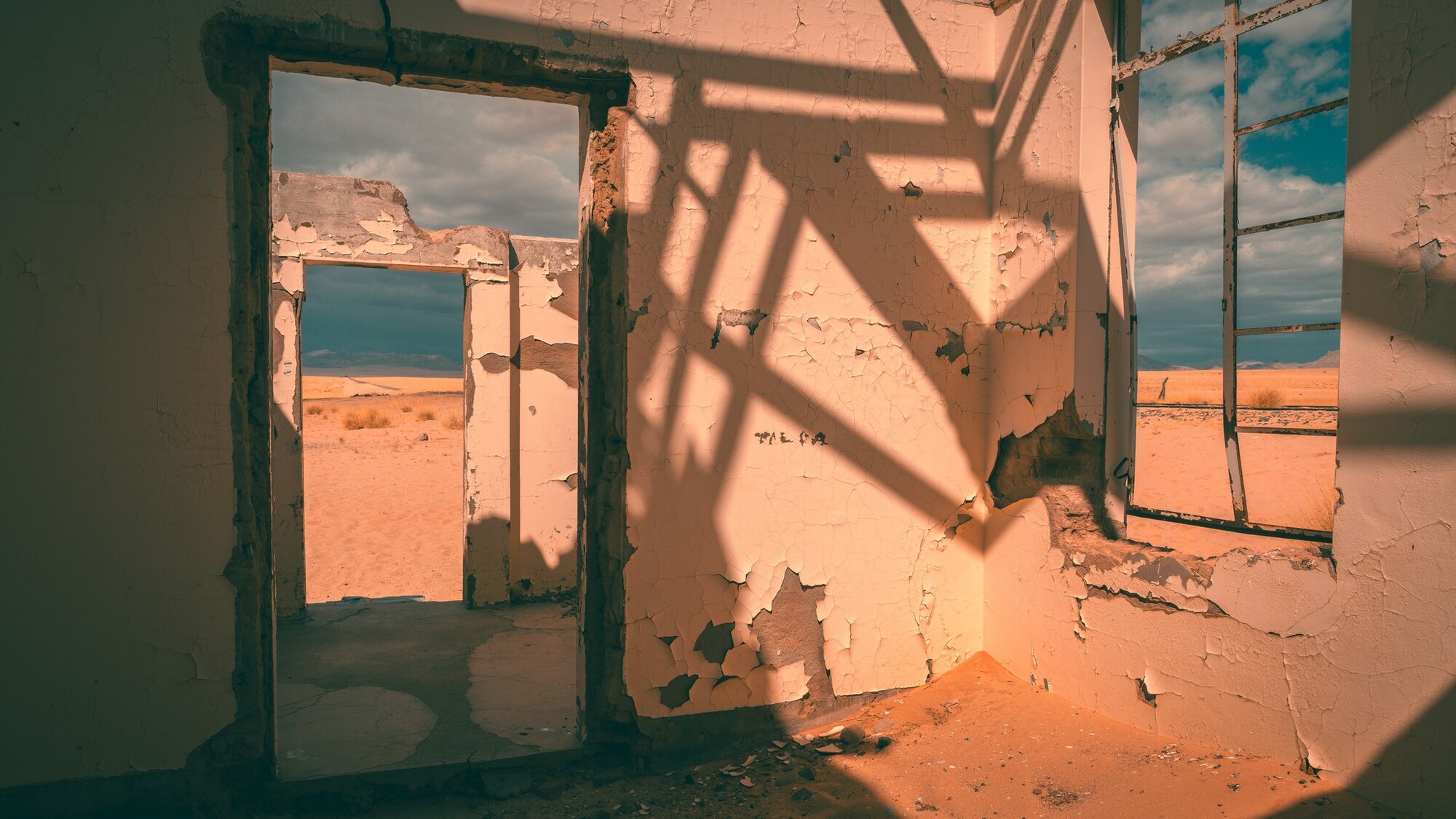
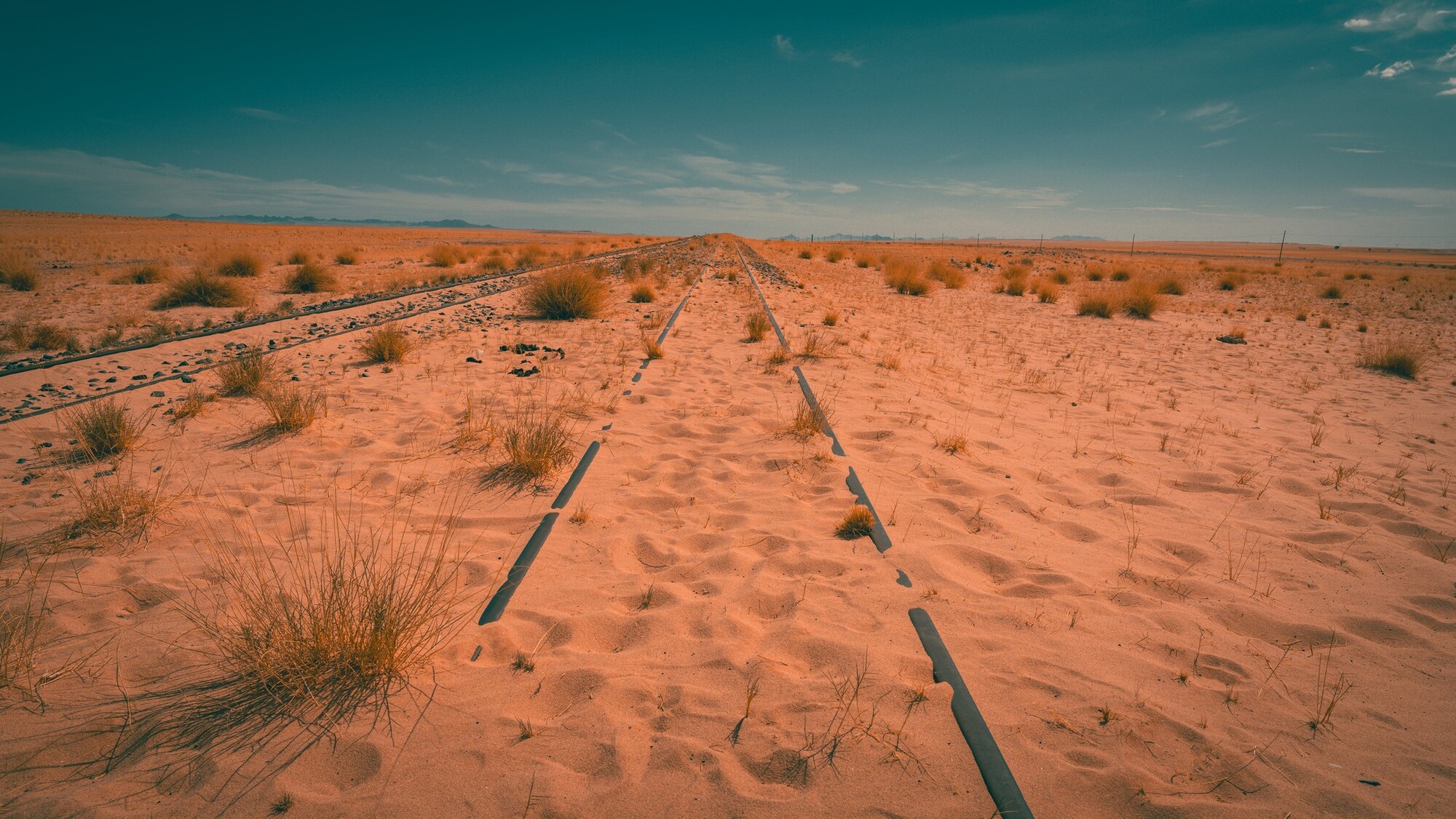
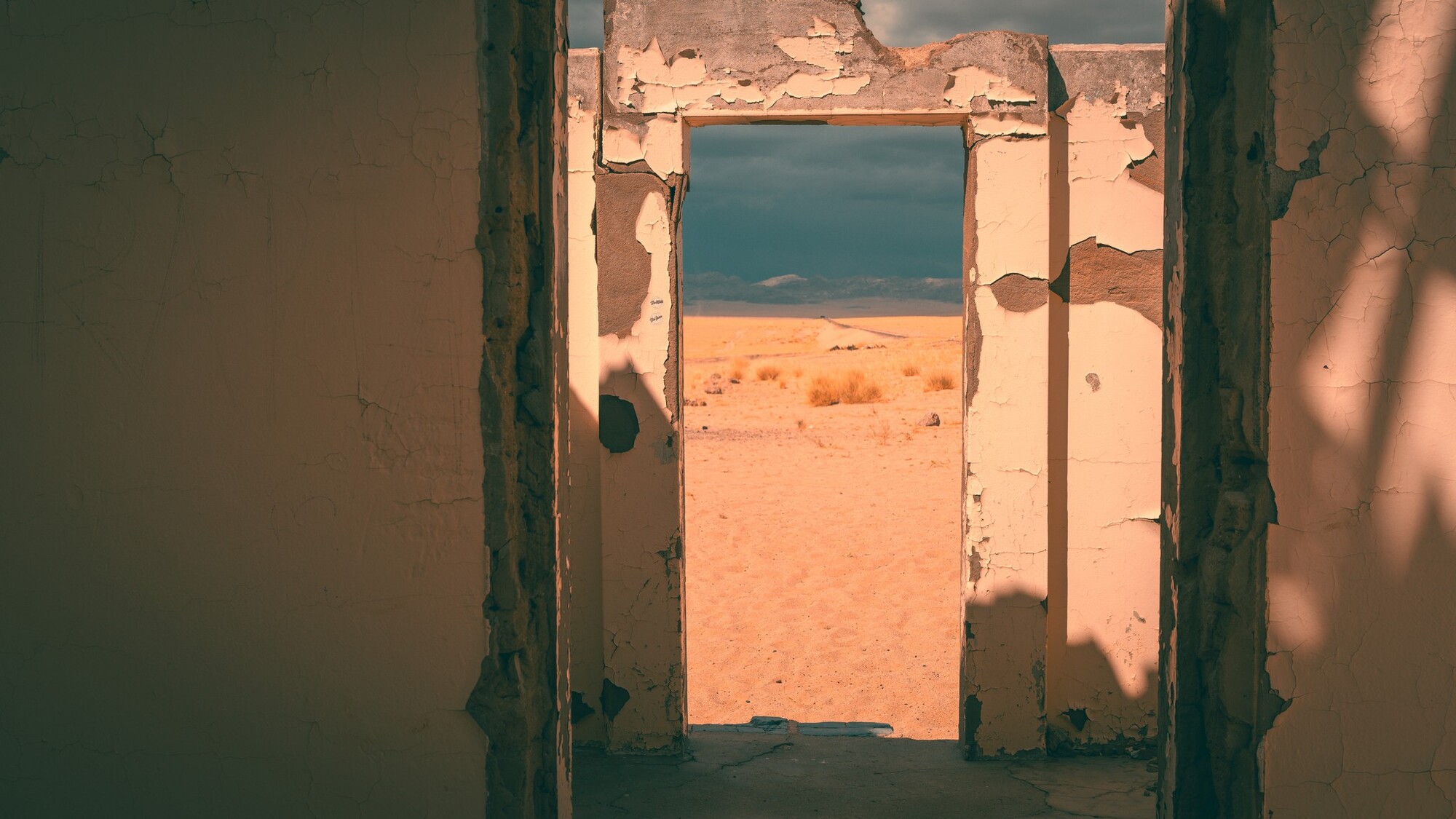
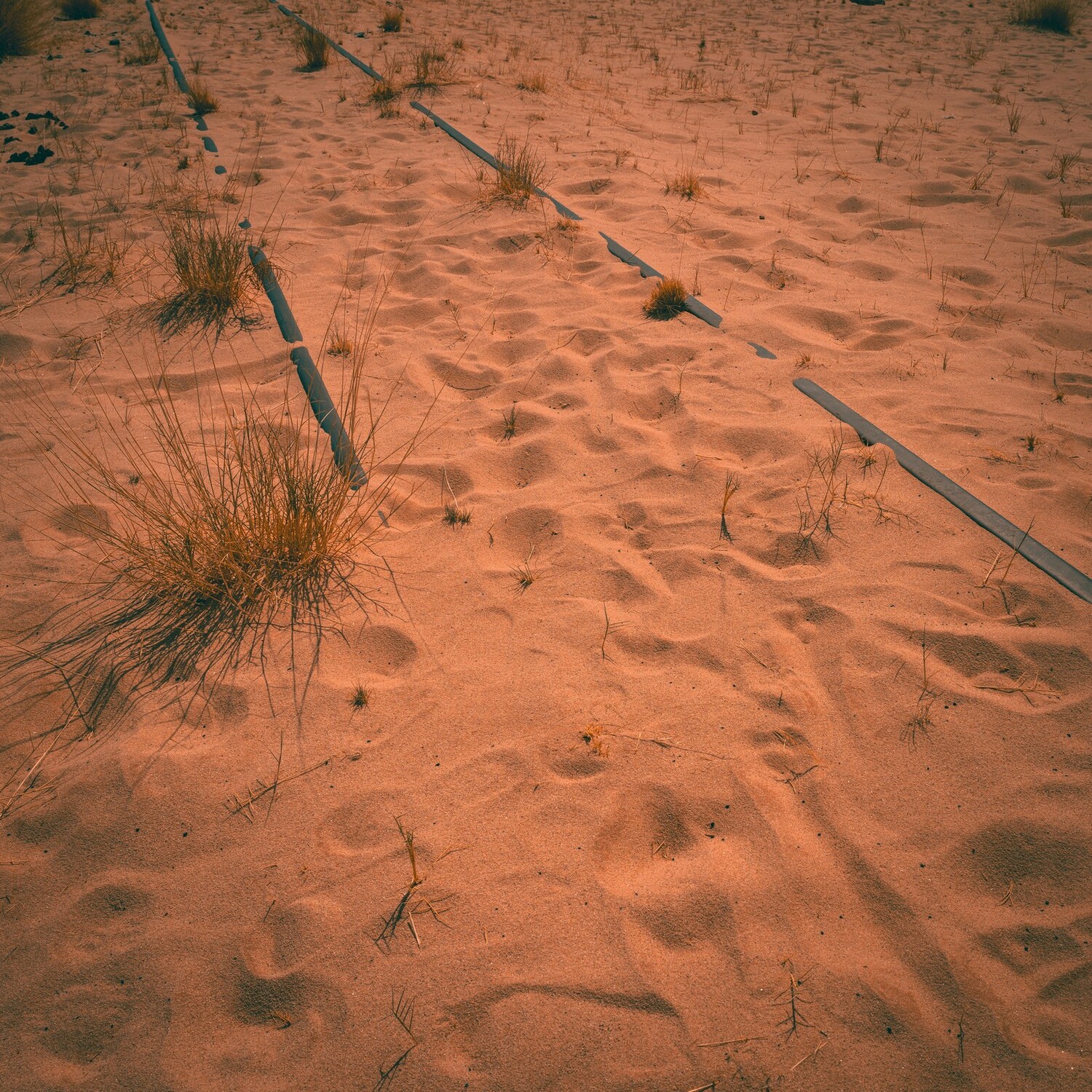
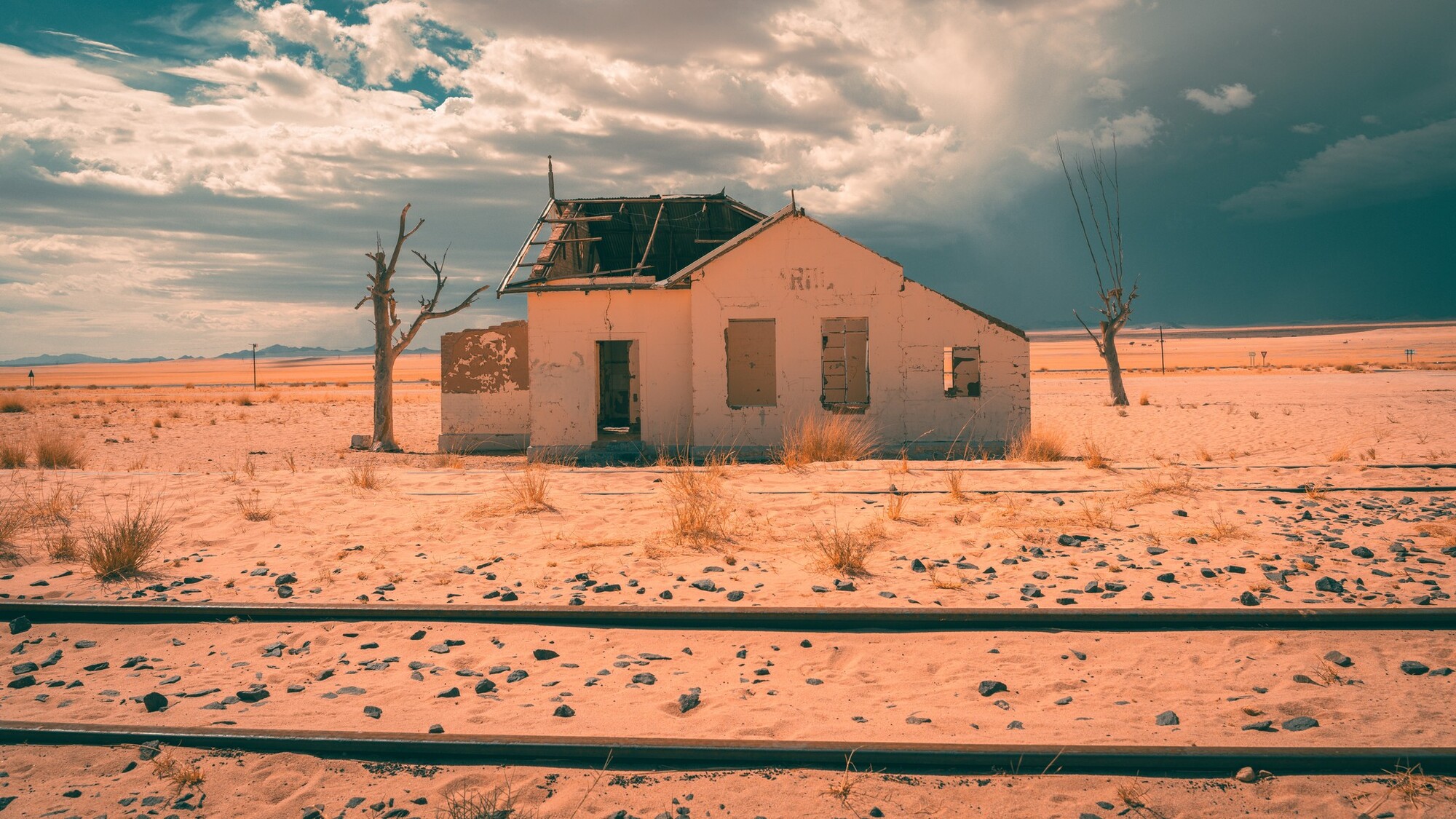
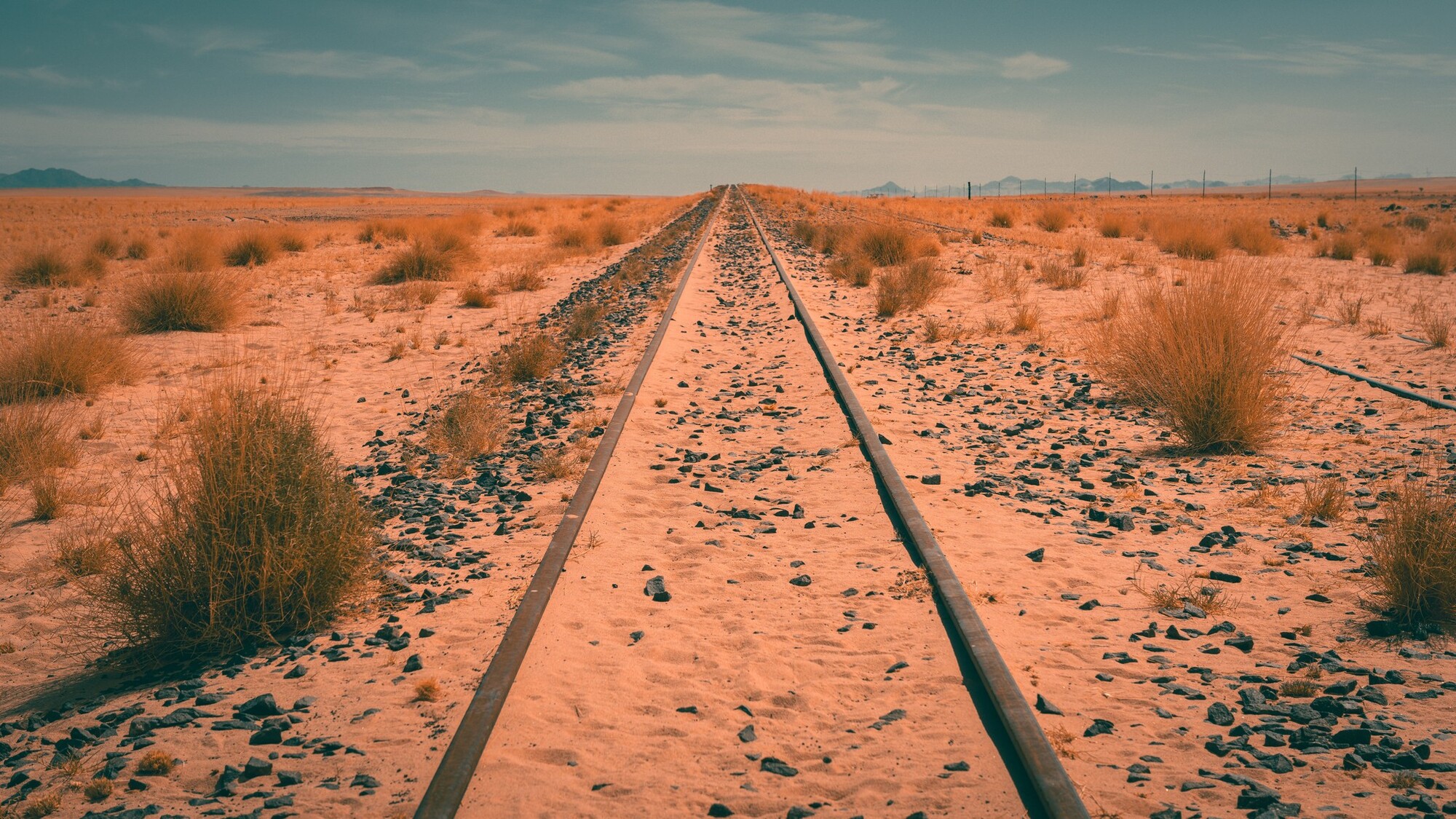
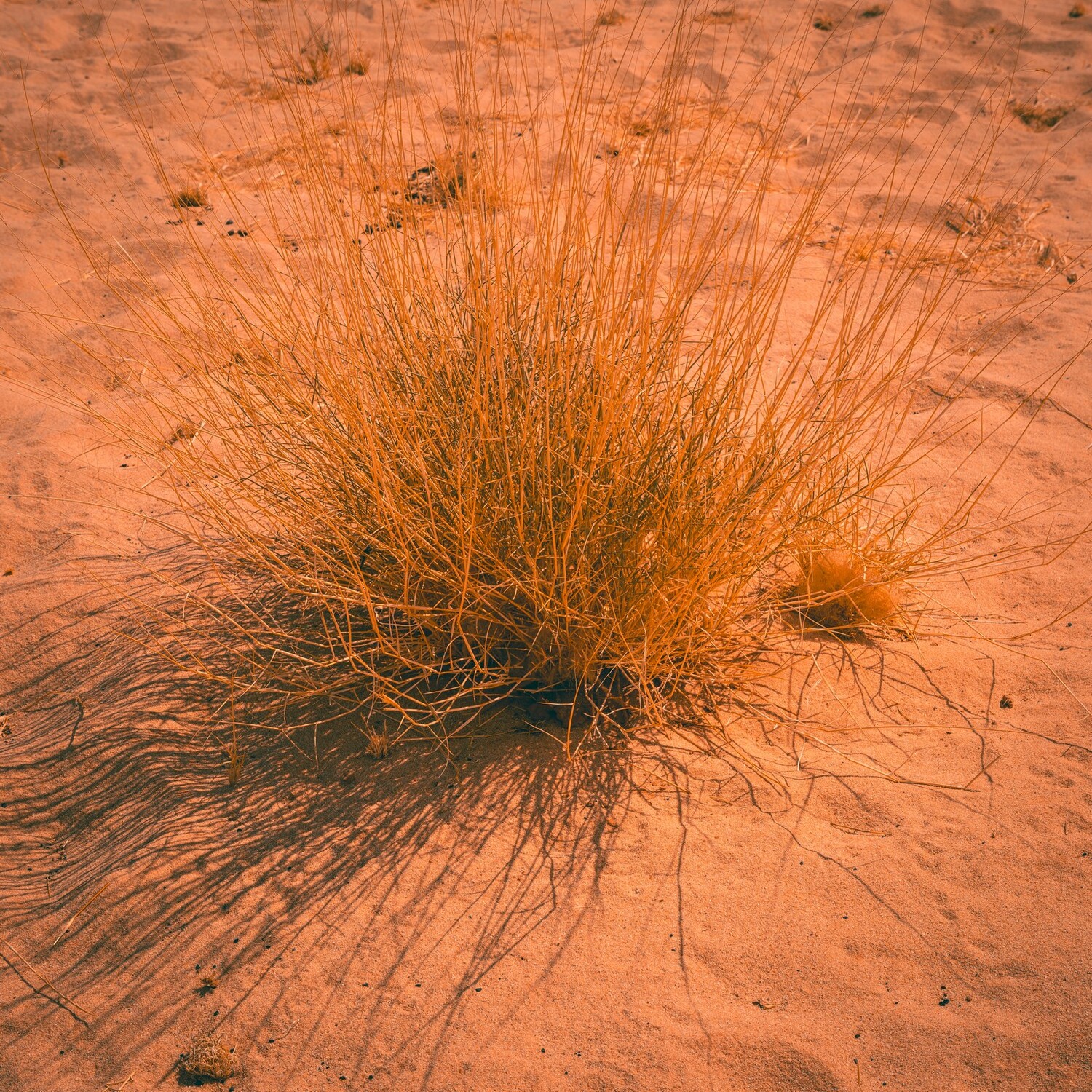
A gallery of the images I took of this old ruin from various angles. Ignore the banding in the sky; I compressed the images to a smaller size for the web.
Camera Settings and Compositional Choices
I wanted to focus more on composition, so I shot the images in Aperture Priority mode at f/9; that's it.
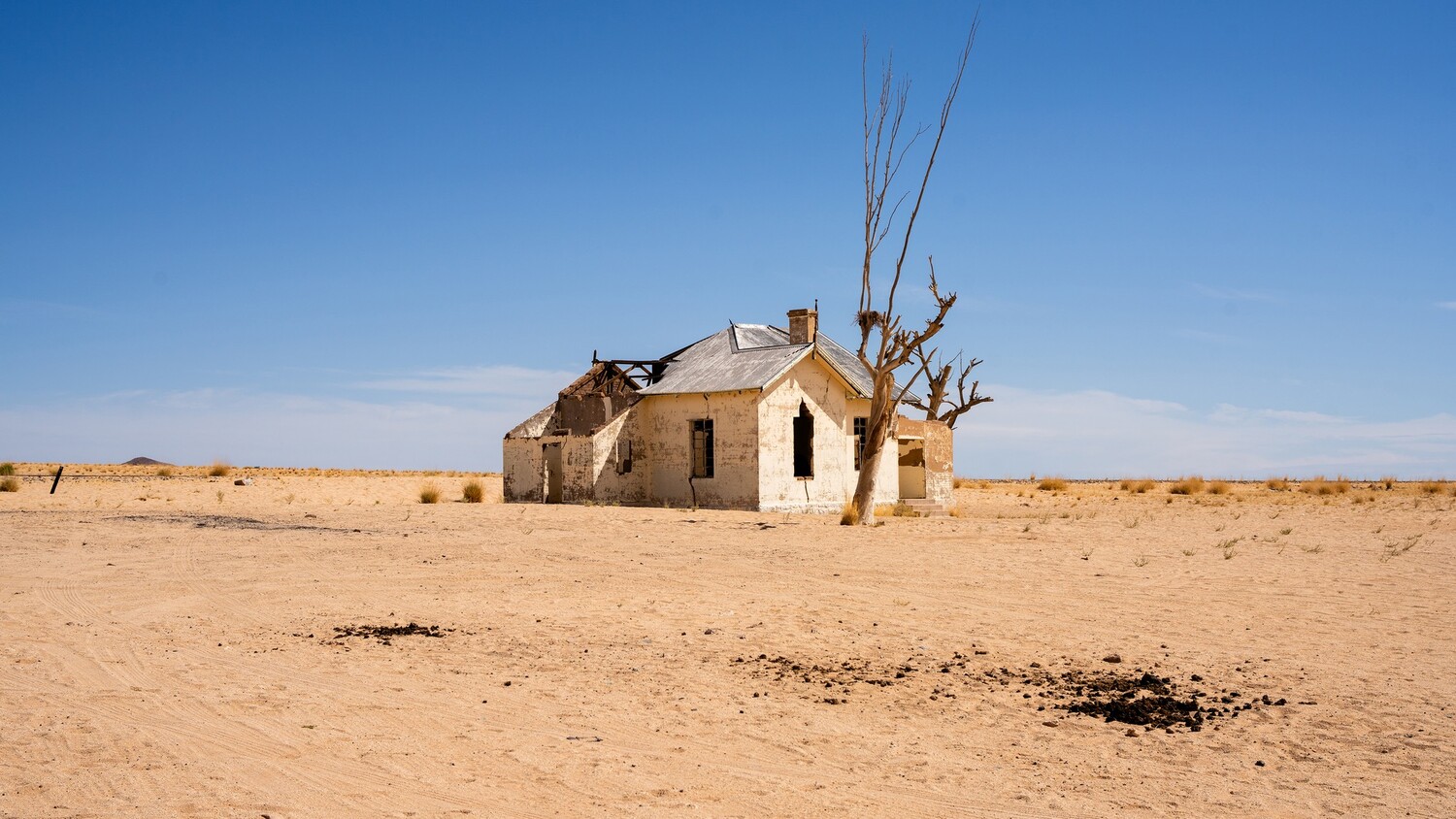
The station was shot at a wide angle first, then I zoomed in for tighter shots or walked a little closer. The goal was to show the man-made element standing alone in the vast stretch of sand, where no life seems possible, and then close-ups to show the passage of time through the decay of the crumbling walls.
- Center Alignment: Most images were composed with the subject centered with negative space on each side. This was intentional, so the emphasis is on the lone building.
- Light vs. Shadow: The compositions considered the light and the shadow side. Some images show the side of the building where a wall is completely in shadow, while others show only the bright side where the sunlight is hitting it from the front. My personal favorites are those with bright walls, because the eyes appreciate the contrast between the brown sand and the yellow paint tones.
- Windows of Time: From within the ruin, the sands of time were shown both literally and figuratively. The cracks on the wall, the paint peeling off, dust and bricks on the floor, and the view from the window of the dried bush and brown sand tell a tale of the passing of humans through the desert and the nature gradually taking over.
Who stayed here once? They must have looked toward the horizon every day, waiting for the train to arrive, and their ears must have been tuned to the sound of the steam engine. How did they spend their time? Why were they based in this place? How did the food arrive here? My mind was asking these questions as I drew closer to my subject, and I hope I have evoked similar feelings through my images.
Photo Editing
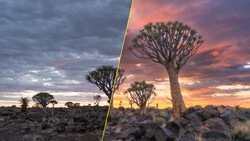
All images were given a vintage look. After trying a few combinations, I settled on teal and orange because the muted sky tones bring the focus to the old house, its tin roof, and the textures of time. The bright blue sky and the bright building would have otherwise competed, and the blue would have dominated the composition. Also, I cropped most of the wide angle shots at a 16:9 ratio.
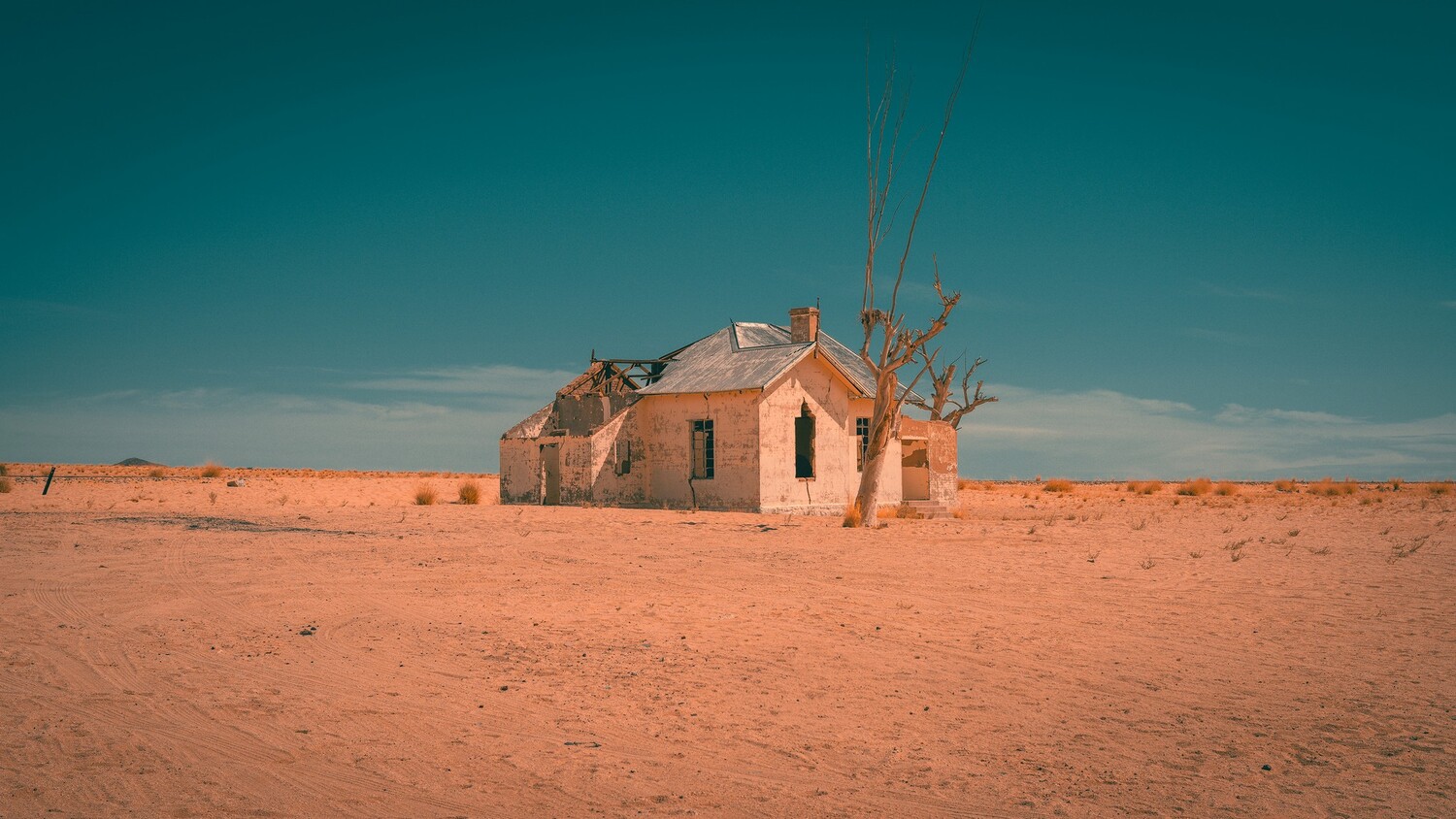
Before and After: Teal and Orange look given to the image.
Final Remarks: Why Mini Photography Projects Should Excite You
Things do not have to be extraordinary to be beautiful; by paying attention, especially by slowing down, we can enjoy the art we so much love and create a series of images from the simple things we witness. These projects help us make deliberate choices that are not tied to any client pressure or demands, but only to our own creative freedom and fulfillment.
The only step remaining in my mini project now is to print some of these images, frame them, and hang them on my wall to truly bring it to life. If you'd like to dive deeper into intentional landscape work, the Photographing the World: Landscape Photography and Post-Processing tutorial is a strong companion to this kind of personal project.
Join the Fstoppers community for free
-
Post comments and join in the discussions
-
Browse the site ad-free
-
Share your work and get featured in the community
-
Compete in the photo contests for fun and prizes
7 Comments
You forgot the evening/morning and a couple of Milky Way images or even Moon rises/sets. Night captures under the stars to me are memorizing. In the now digital age of photography the main tool works great at night making a night capture looking like a day capture but with stars above. Think you drove 600 miles to a empty place with only building to capture as your main subject. When I find myself at a disserted spot or even in a local area the story is "See What YOU Missed" while you sat in front of the boob tube for 3 to 4 before doing another 6 to 8 hours of sleep.
You spent the time getting there and only got mid day captures if you would have just planed for a new moon time for a Milky Way show or even a full moon time of the month and captured it the day before so you would of got the setting sun light that would light up the station building in the foreground with blue hour light and stars above. Also behold you could also drive some distance maybe a mile and using a long lens of 600mm to capture a blaze red (dirty atmosphere) moon behind it rising and also go to the other side the same thing for a setting blaze red moon setting. Also you could plan a crescent moon with sun below the horizon with earth shine glowing shinning on the dark part of the moon with a shiny white crescent. and again doing from a distance for a very large crescent with earth shine.
All this always goes through my mind at most places. You could have brought a RV with solar panels and spent a month to cover all of these options.
Ever go to old forts that were out in never never ness areas where people lived and maintained life for years and with nothing but some books to read if that but what was seen in the cool of the nights or maybe that was the time for working.
Example: I traveled some 10 hours going from up state Mississippi back to east Florida basically going the way before big highways, nice without a lot of cars and fast driving not able to justify a stop. It was cloudy the whole way and it was just an overnight stop but I was dreaming of some milky way captures. After a little sleep and having all gear ready and batteries charged I opened my motel door and I could see the MW star groupings. I spent two more night at this dark sky cloudless place St. George Island as a blessing to photography. So many subject foregrounds and so few nights. Also let this also show you do night need to head to the dark skies out west, just look outside while others watch TV or are sleeping for nature has a show at night also.
where i captured a all the phases of a lunar eclipse.
Love your project! And your editing choice is primo for the shoot
Thank you :-)
Great project. I have been wanting to travel to Namibia and photograph at night for quite a few years now.
You must go there, Ken. It is a different planet. Go there in the stormy season, you will not be disappointed.
Very interesting, and excellent results. I particularly like the bold changes to hues, which really separate the subject and make the picture.
Thank you, Robert. Editing was quite a lot of fun.