Stop losing shots to tiny, avoidable mistakes. Backgrounds, angles, framing, and light choices can quietly sabotage portraits even when exposure and focus look fine.
Coming to you from Jason Vong, this practical video walks through seven mistakes that creep into everyday shooting and shows quick fixes you can apply on the spot. The first demo tackles “flat” backgrounds that make subjects blend into walls. Step your subject away from the backdrop to add depth, then place them where the background stretches behind them. Zoom to around 50mm for tighter perspective, or go longer to compress and clean up the scene. Hallway-like spaces amplify the effect with natural leading lines and framing that guide the eye straight to the person.
Vong also shows how lens choice changes separation. You see the jump going from a kit zoom at f/5.6 to a fast short-tele prime. On APS-C, a 56mm at f/1.4 creates crisp subject isolation without needing a studio. A popular pick is the Sigma 56mm f/1.4 DC DN Contemporary, which delivers an 85mm-ish field of view, while full frame shooters often lean on an 85mm. The compact Sony FE 85mm f/1.8 keeps weight down and bokeh pleasing. Fast glass isn’t mandatory, but it widens your options when space and backgrounds are messy.
Another recurring problem is cutting off limbs in awkward places. Mid-body portraits feel natural when you crop around the waist or mid-thigh, not at knees or shins. Keep fingers and hands inside the frame or clearly out of it rather than grazing the edge. Leave enough headroom so the frame doesn’t feel cramped. When unsure, step back a touch and refine during the edit, since you can remove extra but you can’t add what’s missing. This saves you from the “almost perfect” shot that dies on a fingertip.
Aspect ratio awareness prevents surprises when posting. Cameras default to 3:2, but Instagram favors 4:5 for verticals. If you compose too tight in 3:2, the platform will clip edges on upload. Enable a 5:4 guide if your camera offers it, or compose a bit wider so you can crop to 4:5 later without losing key details. This small habit preserves hands, hair, and framing that otherwise would be chopped by the feed.
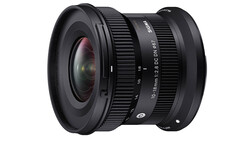
Perspective is another easy win. Eye-level shots read as routine because phones nudge you into that height. Drop low and tilt up to add presence and make subjects look stronger. This is effective for people, buildings, and pets. If your camera has a flip screen, use it to compose from the ground without guessing. For extra punch, pair the low angle with an ultra-wide angle lens to exaggerate lines and scale.
There’s more in the video, including how to keep your kit ready so a missing card doesn’t end an outing before it starts, how to better use light, plus a repeatable way to turn drab scenes into dimensional portraits without buying a bag of new gear. Check out the video above for the full rundown from Vong.




Join the Fstoppers community for free
-
Post comments and join in the discussions
-
Browse the site ad-free
-
Share your work and get featured in the community
-
Compete in the photo contests for fun and prizes
No comments yet