Modern cameras can produce a stunning image in minutes, which makes the darkroom look like a relic worth skipping. That assumption deserves a second look, because the skills a darkroom demands carry straight back into the field, whether you shoot film, digital, or both.
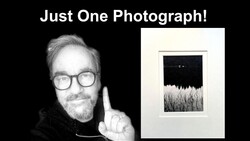
The case for the darkroom as photography's best teacher comes from Michael Scott, who argues that today's cameras are excellent at taking photographs while the darkroom teaches you how to make one. Printing forces you to track where light falls on every area of a print, and dodging and burning under an enlarger is far harder than doing the same work in Lightroom or Photoshop. A mask in software is often a single click. In the darkroom, you visualize the adjustment, sketch its shape by hand, cut it from paper, and hold it under the enlarger with a steady hand while you count exposure times. Every movement leaves a mark, and Scott makes the point that this slow work retrains how you see when you're back out shooting.
Pre-visualization runs through the whole argument. Without an LCD to check, film pushes you to picture the finished print in your mind before you release the shutter, and Scott treats that as a learned skill rather than a gift. He describes standing in the field thinking about shadows, highlights, and tonal relationships because he's already imagining the print. A single image, a passage in a book, or someone's description of a place can spark a clear vision of a photograph you want to make. He also draws a plain line between shooting habits: film's cost makes you selective, so each exposure gets more thought than a digital frame that costs nothing to take.
The darkroom's timing is worth sitting with, because the craft is landing back in front of new audiences right as AI-generated images flood every feed. Film sales have climbed for years, Kodak has brought back stocks it once discontinued, and companies keep announcing new cameras and scanners aimed at people who never grew up with a negative. Against that backdrop, the discipline Scott describes reads less like nostalgia and more like a counterweight. When a smartphone can invent a scene that never existed, the ability to pre-visualize real light and then commit to it becomes a genuine separator. You can borrow the principle without a darkroom: shoot a frame, imagine the final print instead of watching the screen, and let that mental image drive your exposure. The habit sharpens how you read tonal transitions, from deep blacks to clean whites and every gray between, and that carries into any editing software you already own.
Patience is the other thread. Landscape shooters already wait for the right cloud or the right light, and Scott says the darkroom demands even more of it. Test strips, refinements, careful focus on the easel, and the occasional sheet of paper tossed in the trash after a small mistake all add up. He compares the mood of the darkroom to the twilight hour before sunrise, both places built on standing in the dark and trusting that light will reveal something. He's candid that giving up sounds tempting when Lightroom sits a few feet away, and he calls the process tedious as often as he calls it therapeutic.
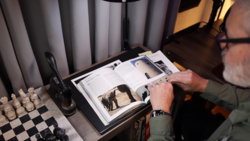
The payoff, in his telling, is a tangible object. A print has weight and texture, it doesn't need electricity, and you can hold it. He contrasts that with the millions of smartphone photos that live and die as forgotten pixels on a hard drive or in cloud storage, never printed, never seen. No two darkroom prints come out truly identical, which makes each one an original. He frames the finished print as closure, the moment every hike, early morning, missed shot, and carefully judged exposure comes together under the safe light and an image slowly emerges on paper.
Scott is clear that he isn't campaigning against digital, and he shoots both. His point is that great photographs never happen by accident, and film's refusal to preview the shot forces you to understand light rather than simply capture it. Watch the video above for the full walkthrough of how his darkroom work changed the way he sees in the field.


Join the Fstoppers community for free
-
Post comments and join in the discussions
-
Browse the site ad-free
-
Share your work and get featured in the community
-
Compete in the photo contests for fun and prizes
2 Comments
"Film forces you to understand light"... which is because the learning curve is expensive; however, digital enables you to learn faster, in my opinion. I can fully understand and appreciate someone such as the author of this video embracing film and darkroom photography to the day of their last breath. His passion is infectious, and he’s undoubtedly invested decades in the process. I wouldn’t give that up either.
It makes less sense though that a beginner would go down the film path without a truck load of disposable cash. I’ve never been terribly selective since digital experimentation is essentially free, but I think we can learn to be more intentional as one grows with skill and experience. A lot of people think photography is easy, but whichever path of film or digital you take, there’s no substitute for analytic practice.
I will counter the popular opinion that digital is the way to start out. Film teaches trigger discipline since it is expensive to use and, if you process it by hand, as I do, you also have to learn how exposure and processing work hand in glove to produce the image you are wanting to get. Film forces a photographer to work on vision and technique at the same time, and those two things are essential. If someone desires to only create vacation memories with their camera that is one thing, and doesn't require the same commitment to learning the craft and developing vision to make art that a "serious photographer" might need to do. If I were designing a photographic curriculum for an art school or a university the basic foundation would be that the students take two full semesters of photography using film and hand printing their images before we got into digital methods at all.