
The biggest hurdle many photographers face when jumping into off-camera flash isn't the gear or the settings; it's the "where." We often find ourselves in a beautiful location with boring light, and we struggle to know how to fix the issue. If you've ever looked at a scene and felt stuck because the lighting didn't match your vision, the solution isn't more gear. The solution is learning how to "see" light patterns and then recreating them from scratch.
Stop Guessing and Start Seeing
Most photographers approach lighting by simply pointing a flash at a subject. But the "secret" to truly epic results, the kind that look cinematic and intentional, is a technique I call "Seeing the Light." And this all started because when I first learned off-camera flash, the technical aspect came easily for me. But once I learned how to use the flash, I didn't know where I should actually put that light, or how to modify that light, in order to create unique and interesting images. So what I started to do was just observe interesting natural light in my surroundings. When I saw light I liked or found it intriguing, I asked myself why? Was it the shape? The texture? The color? And once I had the answer to those questions, I'd ask myself what was causing the light? Was it the sun through a window? A car headlight reflecting off a mirror? Lastly, when I had those answers, I'd ask myself how I'd recreate the light if the natural light was no longer there. I'd analyze how high and far the light needed to be. I'd analyze if the light needed to be warm or cool, soft or hard. If you want to go deeper on the foundations, Fundamentals of Lighting is a great place to start.
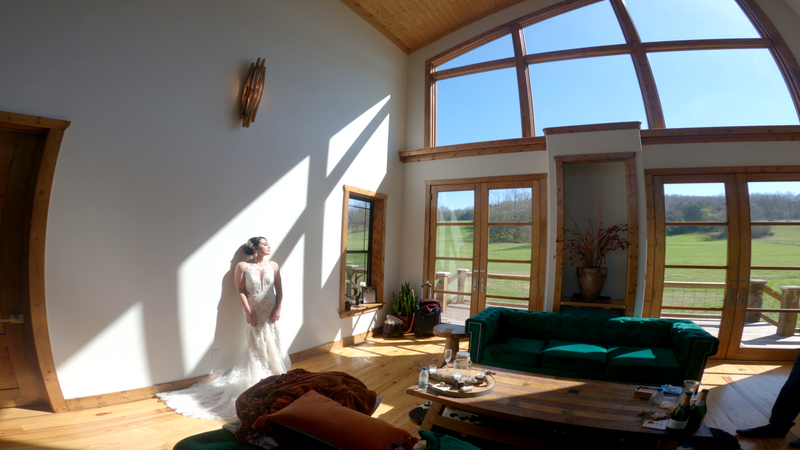
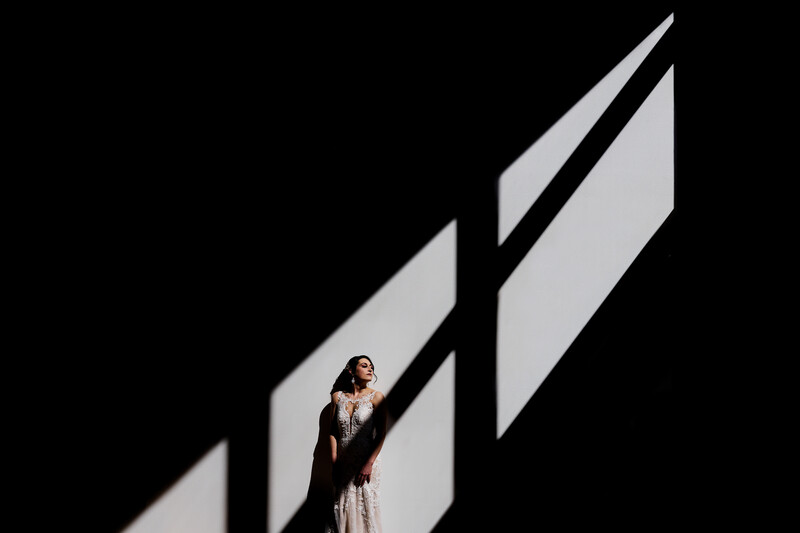
The more you do this, the bigger your toolbox becomes. So now, when you walk into a room or enter a new location, you can not only look for interesting light and composition, but you can also start looking for interesting light potential.
From Boring to Dramatic: A Case Study
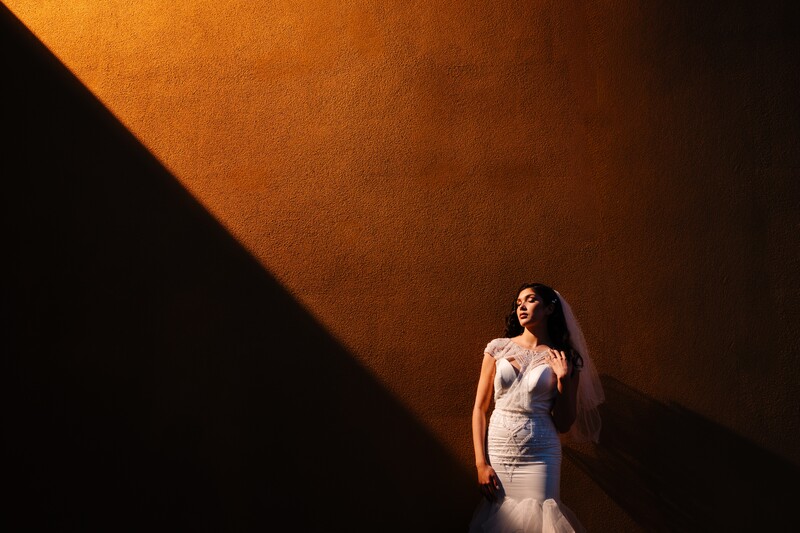
In the video above, we take a look at a real-world example during a WPPI photo walk. The location was a simple, minimalist hotel exterior. I saw some interesting natural light and noticed how part of the texture was caused by some tree shadows and another part was caused by how there was a small wall blocking the light. This wall caused a hard-edged shadow to run through the frame.
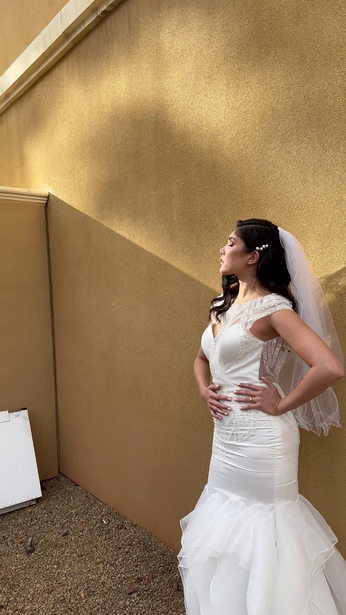
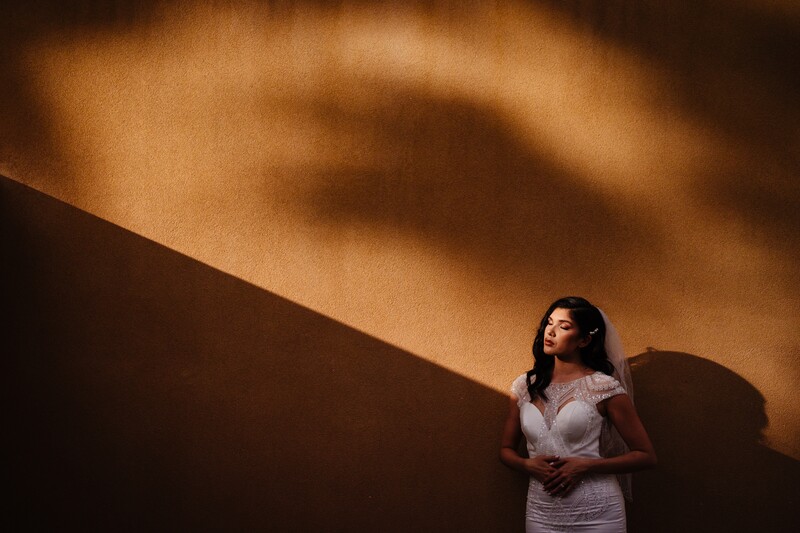
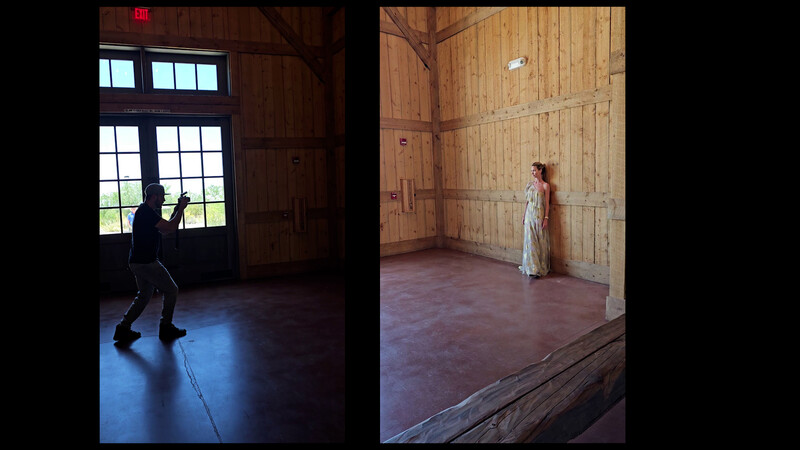
Now with this initial idea locked away in my toolbox of interesting light, I later found myself in the below situation.
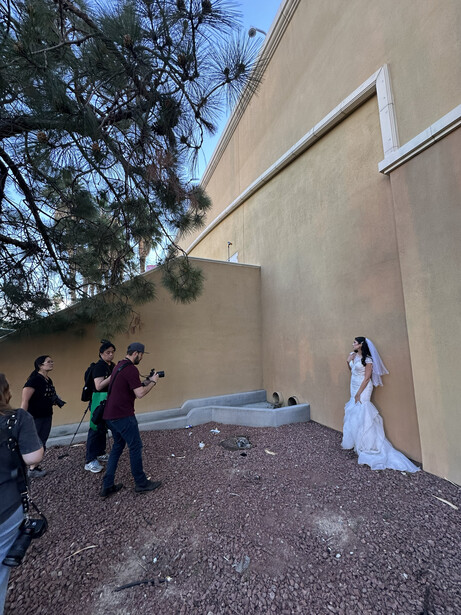
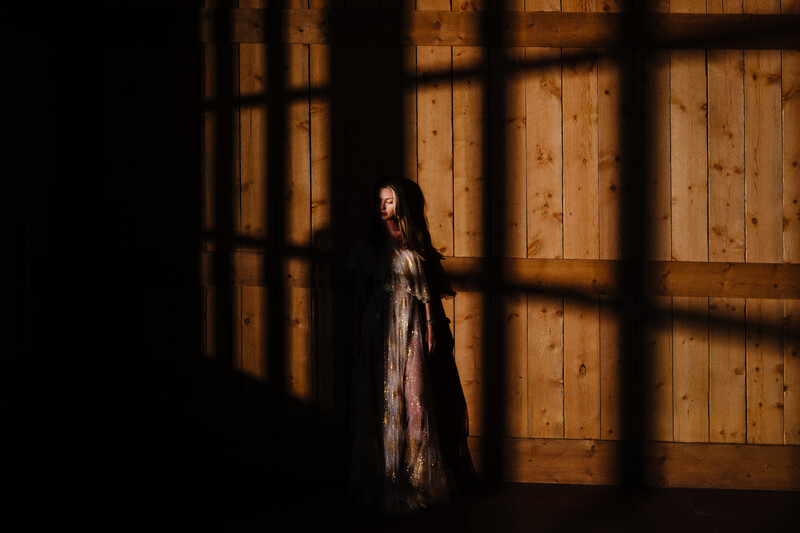
What you'll notice is that while the light here is boring and flat, we have essentially the same pattern as the previous example. There is a nice blank wall for our background, and to my left, there is another shorter wall that we can use to "cut" our light. And if you look closely, you can see where I placed my flash in order to recreate the same type of light (minus the tree shadows) found in the first example. The light used here was a Godox AD200 Pro with a Magmod Full CTO gel. The light was also on a Cheetah Stand mini, extended as high as it could go.
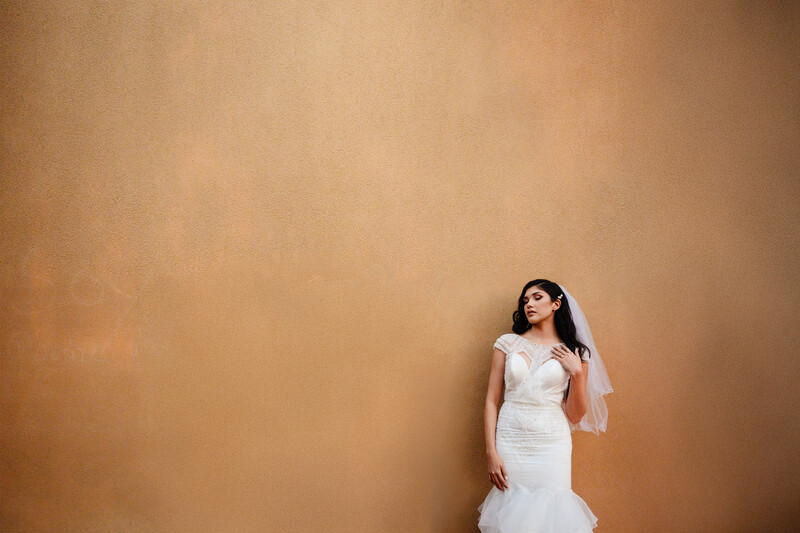
Conclusion
The secret to creating epic light anywhere is first knowing how to use off-camera flash in the first place, but second, knowing where to actually place that light. And we can learn the "where" simply by observing the interesting natural light of our surroundings, figuring out how that light is being made, and adding the knowledge to an ever-growing toolbox of ideas and patterns.




No comments yet