Flash photography has a surprisingly short list of things that will quietly ruin your shots, and most beginners hit several of them before they even realize there's a problem. Knowing what those mistakes are before they cost you time, money, or a shoot you can't redo is worth more than most gear upgrades.
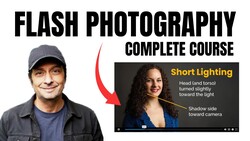
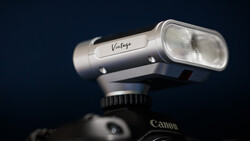
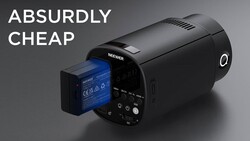
Coming to you from Ed Verosky, this practical video covers the most common flash mistakes beginners make and how to fix them. Verosky starts with gear selection, which might seem obvious, but most people get it wrong in at least one way. Compatibility with your camera's TTL system is non-negotiable, and so is having a flash head that tilts and rotates. If your flash can't bounce, you're stuck with direct flash forever, and that flat, harsh look is one of the hardest things to fix in post. Verosky also points out that you don't need to buy Canon, Nikon, or Sony branded units, recommending third-party options like the Godox systems as solid, affordable starting points.
Direct flash is the next mistake, and it's one most people make simply because it's the default configuration when a flash is mounted to a camera. Pointing the flash straight at your subject produces harsh light, unflattering shadows, and sometimes red eye. Bouncing the flash off a ceiling or wall, or using a modifier like a diffuser, changes the angle of the light and produces a much more natural result. Verosky also covers TTL reliance, which is a subtler problem. TTL works well for fast-moving situations like event photography, but it's making decisions for you, and those decisions aren't always right. Learning manual flash mode gives you repeatable, precise control, especially once you start working with off-camera setups.
High-speed sync is where a lot of beginners run into a frustrating and confusing problem: a dark band appearing across part of the frame. This happens when your shutter speed exceeds your camera's sync speed, typically around 1/250th of a second, and the shutter starts sweeping across the sensor in sections rather than opening fully. The flash burst is too short to cover the whole exposure, so part of the image goes dark. High-speed sync solves this by converting that single burst into a longer, sustained pulse of light, letting you shoot at speeds up to 1/8,000th of a second with flash. The tradeoff is reduced flash power, but it opens up the ability to shoot wide apertures outdoors in bright light while still using fill flash.
The video covers a few additional points on each of these mistakes that are worth watching, especially around TTL versus manual and how high-speed sync actually behaves in practice across different gear combinations. Check out the video above for the full rundown from Verosky.



Join the Fstoppers community for free
-
Post comments and join in the discussions
-
Browse the site ad-free
-
Share your work and get featured in the community
-
Compete in the photo contests for fun and prizes
1 Comment
Great video of info for getting and using a flash. Some months ago I got a Godox flash for Sony for macro capture but the learning curve is slow. Your info on TTL helps a l have been a Sony user since 2014 and only used the basic little flash for hummingbirds and it did good even using with a telephoto lens 200-600mm some distance away. Other than that have never had the need.
The one thing learned with hummingbirds photography is you need a food trap and several flashes and a remote for the shutter. Walking around hand holding in the mourning or evening with a long lens tracking the many flying around is not good.