Platon has photographed presidents, dictators, and pop stars, sometimes with 30 seconds and a single frame, using the same Hasselblad, the same white seamless, and the same apple box for decades. How he works inside those short windows explains why a portrait session can fall apart the moment your attention drifts from the person to the gear.
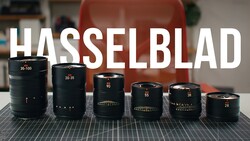
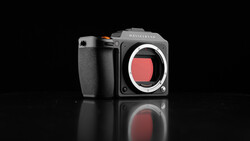
Ted Forbes of The Art of Photography sits down with Platon in his studio. The conversation starts where his photography started. He was a dyslexic graphic design student at Central Saint Martins who struggled with typography, and one day in the school's photo studio, someone handed him a Hasselblad with an 80mm lens. He photographed a college friend with it, and he calls the result magical. Holding that camera reminded him of drawing as a boy in a small village in the Greek mountains, where he sketched his neighbors sitting outside their white houses, his first white backgrounds. He has stayed with Hasselblad ever since and names each body Savage 1, Savage 2, and so on, with old tin letters fixed to the front. His current Hasselblad 907X is Baby Savage, and for him the name stands for the raw, messy honesty he wants from a sitting.
His approach to digital is stricter than most. He doesn't tether, doesn't put a screen in the room, and doesn't look at his own frames during the shoot, because reviewing images turns a session into constant self-editing. When a subject asks to see, he says no, and he says it to heads of state too. That refusal only works because he earns trust in other ways. He goes first, telling sitters honestly how he feels that day so they can meet him halfway. If you've ever lost momentum by turning the camera around to show someone a frame, his reasoning will land quickly.
Platon also makes a broader argument: as AI erodes trust in what people see, real human experiences become more valuable. Camera makers are working on the technical side of that problem. In 2023, the Leica M11-P became the first camera to embed Content Credentials, a signed record showing where an image came from and how it was edited. Sony has since added C2PA-based authenticity features to several of its bodies for news organizations, and Photoshop and Lightroom can attach Content Credentials on export. Those tools prove a file wasn't fabricated. They can't make a viewer feel that two people actually connected in a room, and that feeling is what Platon builds his whole method around. As provenance becomes a standard feature, the emotional credibility of a portrait will still come from how you behave during the session: your pace, your attention, and whether you let the subject see you as a person first.
He describes reading people like tuning an old radio. Some days the signal is clear, and other days there's static from whatever the sitter, or Platon himself, has been through. Before a shoot, he pushes his concentration as high as he can while dealing with publicists, delays, and sometimes hours of waiting. His stories show what that concentration buys. Hugo Chávez gave him about 30 seconds at the United Nations, and Platon got one frame. Adele brought her newborn son to a shoot, set him on the carpet at her feet, and gave Platon three seconds, and her face changed the moment the baby squeezed her ankle. The baby isn't in the frame, but he's there in her face. For Time's Person of the Year cover, Platon waited six hours at Mar-a-Lago while Donald Trump's 2,000-song personal playlist played, and once the session began, Trump acted out each song in front of the camera. The cover frame came during Frank Sinatra's "My Way," with Trump's hands crossed on his leg, one covering a bruise from shaking hands at rallies. He explains how he works without a shared language, too, using gesture and slow, deliberate movement, which is the same way he and his team behave around heads of state.
The constant setup has a purpose. The apple box, white seamless, light positions, and camera stay the same, so the only thing that changes is the person, and you can compare a dictator's eyes with those of the activist he imprisoned. On set, his decisions are about the subject. If the eyes carry the story, he moves in close. If it's posture or the way someone holds their hands, he goes wide. An aura that feels loving or chilling might call for color, while coarse denim or a wiry beard pushes him toward black and white.
Platon met Richard Avedon once, on the floor of the 2004 Republican National Convention, where Avedon, frail by then, was at work on his final New Yorker project. Platon asked him to pass him the torch. Avedon said nothing, hugged him in silence for about two minutes, and walked off, and he died weeks later. Four years after that, Platon was given Avedon's contract at The New Yorker, though he says he soon realized there is no torch to hand over, only the one you find in yourself.
The full conversation runs just over an hour, so take advantage of the chapter markers.



Join the Fstoppers community for free
-
Post comments and join in the discussions
-
Browse the site ad-free
-
Share your work and get featured in the community
-
Compete in the photo contests for fun and prizes