Getting better wildlife photos doesn't require buying anything. The gap between forgettable shots and compelling ones almost always comes down to technique, not equipment.
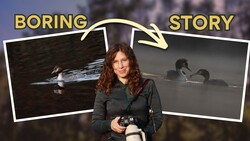
Coming to you from Chiara Talia – Wildlife Photography, this practical video breaks down eight concrete things you can do right now across four areas: your body position, your framing, your eye for light and story, and your edit. Talia starts with something deceptively simple: get eye level with your subject. Shooting from standing height puts the viewer above the bird, and that creates psychological distance. Drop to the ground, and the dynamic shifts entirely. The viewer is in the scene, meeting the animal as an equal, and the background gets smoother almost automatically. From there, Talia walks through how to actively manage your background before you press the shutter, including when to move, when to wait, and why a blurred background isn't always the right answer.
The section on light is where the video gets genuinely useful. Talia makes the case that reading light is the single most important skill in wildlife photography, and she breaks it into two variables: the type of light and its direction. Golden hour gets a lot of attention, but Talia pushes back on treating it as the default. Harsh midday light can be graphic and dramatic. Overcast light works well for portraits. Blue hour produces a mood that most people never even try to capture. Each condition has its own visual language, and limiting yourself to sunrise and sunset also limits your practice time. Since you can't move the sun, the more controllable variable is where you stand relative to the light, and Talia explains exactly how front light, side light, and backlight each affect the final image.
Subject placement and storytelling take up a significant chunk of the video, and Talia's point about going too tight in the frame is one most people will recognize immediately. Cropping close feels safe in the moment, but it traps the bird and removes any sense of space or movement. Leaving room in the direction the subject is looking or moving changes the feel of the image entirely. Beyond composition, Talia argues that shooting only static portraits means you're documenting appearance rather than telling a story. Behavior, interaction, and environment are the three categories she identifies as ways to add narrative weight to an image, none of which require different gear.
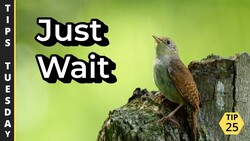
The video also covers a framing technique that uses environmental elements like branches or rocks to create a secondary frame around the subject, how staying in one spot instead of constantly moving produces better results than covering more ground, and how editing bridges the gap between what your camera captures and what you actually saw. Talia's point about editing deserves particular attention: shooting in raw produces a flat, dull file by design, and the edit is where your creative intent becomes visible. Pick one piece of software and actually learn it. Check out the video above for the full breakdown from Talia.
Join the Fstoppers community for free
-
Post comments and join in the discussions
-
Browse the site ad-free
-
Share your work and get featured in the community
-
Compete in the photo contests for fun and prizes
No comments yet