Most people assume their favorite focal length is their best focal length. Those are two different things, and conflating them is quietly holding back a lot of work.
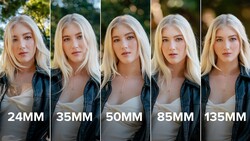
Coming to you from Martin Castein, this sharp, opinion-driven video challenges one of the most common pieces of advice given to people trying to develop a stronger shooting style. Castein argues that going into Lightroom and identifying your most-used focal length is generally bad advice, because frequency of use reflects comfort, not quality. His analogy is blunt: plenty of terrible songs reach number one. Popular doesn't mean best. The same logic applies to focal lengths. Until you actually look at your best images and identify what they were shot at, you don't really know which focal length is working for you.
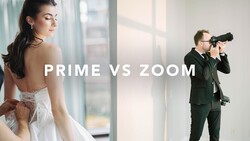
A significant portion of the video focuses on the real cost of zoom lenses, and it's more nuanced than the usual prime-versus-zoom debate. Castein's point isn't that zoom lenses are bad. He's specific about when he uses them himself, including landscape work and, when he was shooting weddings, a 24-70mm that he describes as a "cheat code." The issue is cognitive. When you shoot with a zoom, you're always aware of the full range available to you, even if you're trying to stay at one focal length. That awareness changes your decision-making in ways that quietly undermine your growth. A 35mm prime, by contrast, removes the option entirely, which forces a different and more productive kind of thinking.
Castein makes a thought-provoking hypothetical worth sitting with: give one person a lens range covering 14mm to 400mm and give another person only a 35mm prime, then let them shoot for a year under identical circumstances. He's confident the prime shooter comes out the better of the two. The implication he draws from that is uncomfortable but worth taking seriously: the gear you're planning to buy might actually be making your photography worse, not better. He extends this into a broader point about aesthetic consistency, arguing that a prime lens isn't just a focal length. It's a way of seeing, because it locks you into a consistent distance from your subjects and forces your eye to find images within that constraint rather than adjusting the lens to fit whatever is in front of you.
The video also covers how Castein personally decides between zooms and primes depending on the situation, and what he thinks separates people who are happy with their work from those who aren't. That part is worth hearing directly from him. Check out the video above for the full breakdown from Castein.


Join the Fstoppers community for free
-
Post comments and join in the discussions
-
Browse the site ad-free
-
Share your work and get featured in the community
-
Compete in the photo contests for fun and prizes
No comments yet