

When a medium format camera claims the number one sales position on Japan's Yodobashi Camera rankings and breaks into Map Camera's top 10, it's worth noting. The Hasselblad X2D II 100C achieved exactly that following its August release, securing first place on Yodobashi's rankings in the first half of September 2025 and maintaining a prominent position in the months that followed. The camera also broke into Map Camera's top 10 in August. For a premium medium format system to reach this level of visibility in a competitive market is notable.
Behind these numbers lies Hasselblad's cultivated positioning of the X2D II 100C. But not solely down to the X2D II 100C itself, over the years, Hasselblad has created X and V series that appeal to distinct photography communities, each with clear, purposeful positioning, which continuously enhanced consumers' recognition of the brand and its products — making the success of the new X2D II 100C no coincidence.
Shared Excellence: The Foundation of Both Systems
While the X and V series serve different audiences with different priorities, they share fundamental excellence that defines Hasselblad's medium format proposition.
The latest cameras of both Hasselblad systems utilize leaf shutters, a technical choice with significant practical benefits. Unlike focal plane shutters limited to sync speeds around 1/200th of a second, leaf shutters synchronize with flash at all speeds. Illya Ovchar discovered this advantage during his studio work, noting how switching to leaf shutter mode enabled full flash synchronization with his Profoto packs. For location work with flash, particularly outdoors in bright conditions, this capability proves transformative.
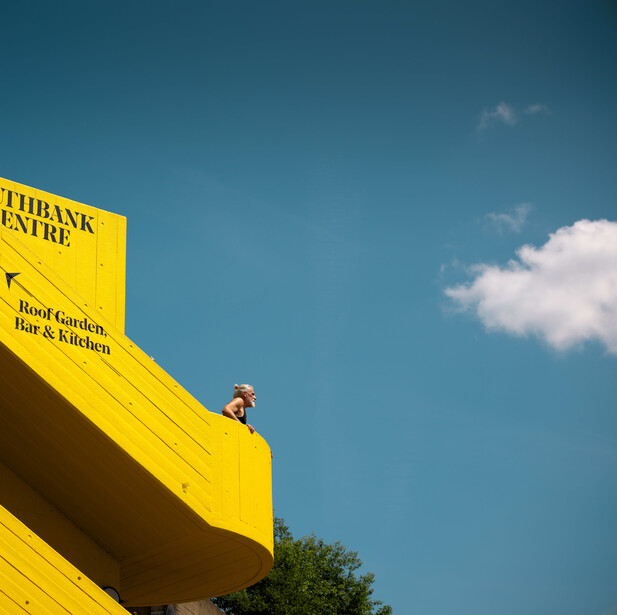
The shared 100-megapixel sensor delivers extraordinary resolution with exceptional color science. As Ovchar noted, "The color, clarity, and detail are just phenomenal... The resolution is amazing, and the large sensor delivers that creamy bokeh and shallow depth of field that a full frame sensor just can't do."
Vachek agreed: "This is a $7,400 medium format camera from Hasselblad. Spectacular image quality is a given... the truth is that very few consumer cameras on the market currently come close."
The latest cameras of both systems also feature that crucial 1 TB built-in SSD, a forward-thinking decision that eliminates the anxiety of forgotten memory cards. Illya Ovchar appreciated this practical touch: "Another great feature the camera has is a built-in 1 TB SSD for your photos. This way, you will never worry about forgetting your memory card."

The X Series: Modern Medium Format Redefined
The X system represents Hasselblad's vision of what contemporary medium format photography should be. When we reviewed the X2D II 100C, our experience confirmed this positioning. As Ondřej Vachek noted in his review: "One thing nobody can deny Hasselblad is the stunning design of the X2D 100C II—a masterclass of merging both premium form and function." The camera delivers an aluminum chassis with sharp edges, a deep comfortable grip with captivating texture, and buttons that feel substantial and tactile.

Perhaps most impressively, the X2D II 100C features 5-axis, 10-stop in-body image stabilization. This makes it the most stabilized medium format camera currently available. This represents a massive leap forward for handheld medium format photography. "I was able to hold some pretty long exposures, even with 100 megapixels of uncompromising resolution," Vachek noted in his review.

The X2D II 100C also extends creative possibilities beyond the camera itself through enhanced mobile integration. Phocus Mobile 2 allows photographers to edit HDR images on iPhone or iPad, adjust exposure, reduce noise with Hasselblad Natural Noise Reduction, and even wake the camera remotely for image transfer. This seamless workflow between camera and mobile devices reflects modern photographers' expectations.
These features combine to create a camera system that appeals to working professionals who need reliability, speed, and cutting-edge technology in a portable package. The X series says "yes" to the question of whether medium format can keep pace with modern photographic demands.
The 907X & CFV 100C: Honoring Heritage While Embracing Innovation
While the X series looks forward, the V series looks backward and forward simultaneously, which is a remarkable balancing act that has captured the imagination of photographers seeking something beyond purely functional tools.
The 907X body paired with the CFV 100C digital back represents what Illya Ovchar called "one of the best cameras I've tested" in his July 2024 review. But what makes this system special isn't just performance. It's philosophy. The 907X evokes the iconic Hasselblad 500CM, bringing vintage film camera aesthetics into the digital age while offering genuine versatility through its modular design.

Robert Wagner captured the emotional appeal perfectly in his February 2021 review of the system's predecessor: "I fell in love with the idea of this camera the second I saw the Hasselblad press release... a fully modern camera with a vintage feel and look with Hasselblad image quality." He described holding the camera for the first time: "I was kind of star-struck by it."
This emotional connection matters because the V series targets photographers who view their cameras as more than tools. They're instruments of creative expression with inherent character. The silver and black body, the waist-level shooting option, the deliberate pace it encourages: these aren't bugs, they're features for a specific audience.
But the V series doesn't sacrifice modern capabilities for vintage aesthetics. The CFV 100C digital back delivers the same exceptional image quality as the X series cameras: 100 megapixels, PDAF autofocus with face detection, and that crucial 1 TB built-in SSD. The modular design offers remarkable versatility: the back works with the 907X for modern XCD lenses, attaches to classic Hasselblad V-system film cameras, and even integrates with technical cameras for architectural and product photography.

Ovchar echoed this sentiment: "Sometimes, I think I shoot a lot because I'm afraid I won't get the shot if I don't have 100 versions of it. But when I used this camera, I was forced to craft instead of hope for an image I liked."
The V series thus appeals to a distinct photographic sensibility, one that values the craft of image-making, appreciates design heritage, and seeks cameras with soul. It's a passionate and growing community of photographers who demand something special.
A Dual Strategy That Works
The success of both the X and V series demonstrates the wisdom of Hasselblad's dual-track approach. Rather than forcing all medium format photographers into a single vision of what these cameras should be, Hasselblad has recognized that the medium format community contains multitudes.
Some photographers need the X2D II 100C's modern feature set: the advanced autofocus, extreme stabilization, HDR workflow, and cutting-edge technology housed in a premium but practical body. They're working professionals who need reliability and performance without compromise.

Both groups get 100 megapixels, both get Hasselblad's legendary color science, both get leaf shutters and 1 TB storage and build quality that justifies the premium price. But they get these advantages wrapped in packages designed specifically for their needs and preferences.
This clear positioning has allowed Hasselblad to compete effectively in a medium format market increasingly dominated by more affordable alternatives. The Hasselblad X2D II 100C's sales performance in Japan suggests that when positioning is clear and execution is excellent, photographers will invest in tools that truly serve their vision. Over years of development, Hasselblad has moved from being primarily a heritage brand to becoming a vital, growing force in contemporary medium format photography. The X and V series don't compete with each other; they reinforce a larger narrative about choice, quality, and the acknowledgment that different photographers need different tools.
In an industry where many cameras share similar approaches, Hasselblad's willingness to maintain two distinct identities represents both courage and vision. The market response, particularly the X2D II 100C's remarkable sales performance, validates this approach and solidifies Hasselblad's position as a brand that understands not just what photographers need, but who they are and what they value.
The result is a foothold in medium format photography that feels not just secure, but strengthened by diversity of vision. This is a recognition that excellence comes in different forms for different people, and that both deserve to be served with equal dedication to craft and quality.
Lead image X2D 100C + XCD 3,4/75P (© Irene Rudnyk)





Join the Fstoppers community for free
-
Post comments and join in the discussions
-
Browse the site ad-free
-
Share your work and get featured in the community
-
Compete in the photo contests for fun and prizes
No comments yet