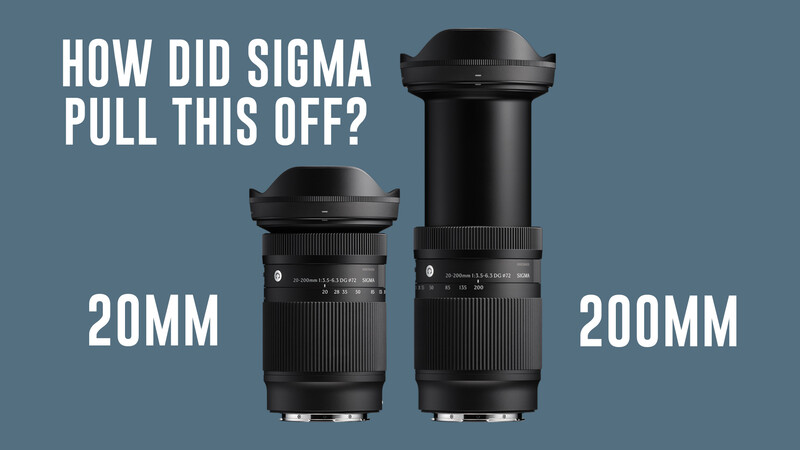
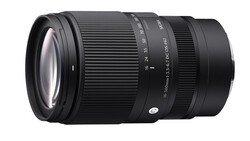
A couple of weeks ago Sigma sent me their brand new 20–200mm f/3.5–6.3 DG DN Contemporary lens. At first glance, I thought it had to be for APS-C cameras because it was so small. When I realized this little thing was actually a full-frame superzoom that started at 20mm, It seemed too good to be true.
Build Quality and Handling
This is a consumer-grade lens, and you feel that right away. It’s light, compact, and made of plastic. But Sigma does a better job with their plastics than most — the finish feels a step above your typical kit lens. It has a metal mount, weather sealing, a zoom lock, and AF/MF switch. The zoom ring is smooth enough, though not really designed for video zooms. It's so small and light that it’s extremely easy carry around; certainly easier than carrying an ultra wide, medium, and telephoto zoom like I currently do.
Aperture and Autofocus
It’s a variable aperture lens; f/3.5 on the wide end, stopping down to f/6.3 past 85mm. Not fast, not pro-level, but that’s not the point. With longer focal lengths, you can still get plenty of subject separation, and with modern sensors, ISO performance is sensitive enough that I never felt too limited, at least for daytime shooting.

Autofocus
Autofocus uses Sigma’s linear HLA motor, and I was impressed. For stills it’s snappy and reliable. For video it’s smooth and quiet. Focus breathing is nearly nonexistent at 200mm, which is fantastic but is extreme at 20mm.
One of my favorite features of this lens is it's mimimum focusing distance of 9.8 inches at 100mm. This lens can focus so close that it can handle 99% of small subjects. Insect photographers will still want a dedicated macro lens, but for everyone else, this lens is enough.
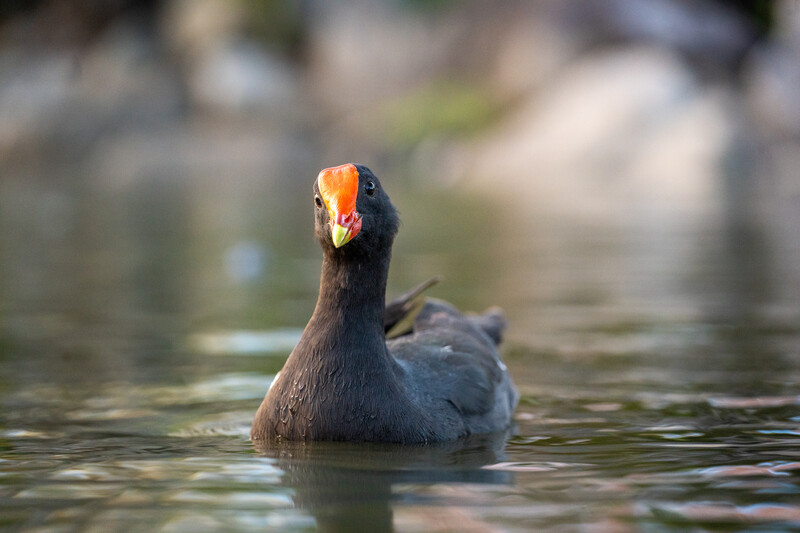
Image Quality
Let’s be clear: this is not a Sigma Art lens. It’s not perfectly sharp across the frame, distortion is heavy at 20mm, and vignetting wide open is hilariously strong. Corners are soft, especially at wide angles. Flare resistance could be better too.
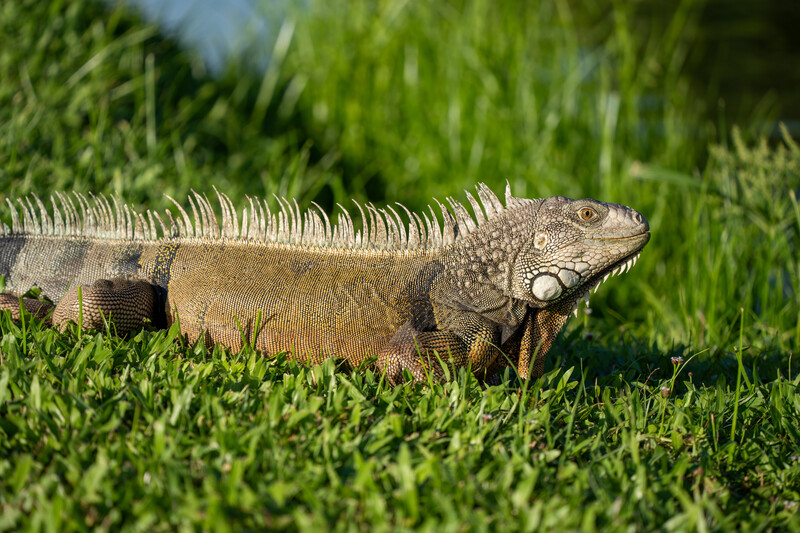
And yet… in practice, the pictures looked really good. The center sharpness is there, colors and contrast look solid, and the bokeh is surprisingly nice for a lens that tops out at f/6.3. At the end of the day, unless you're shooting pictures of a flat brick wall, nobody is zooming into the edges of their pictures to check for detail.

Real-World Use
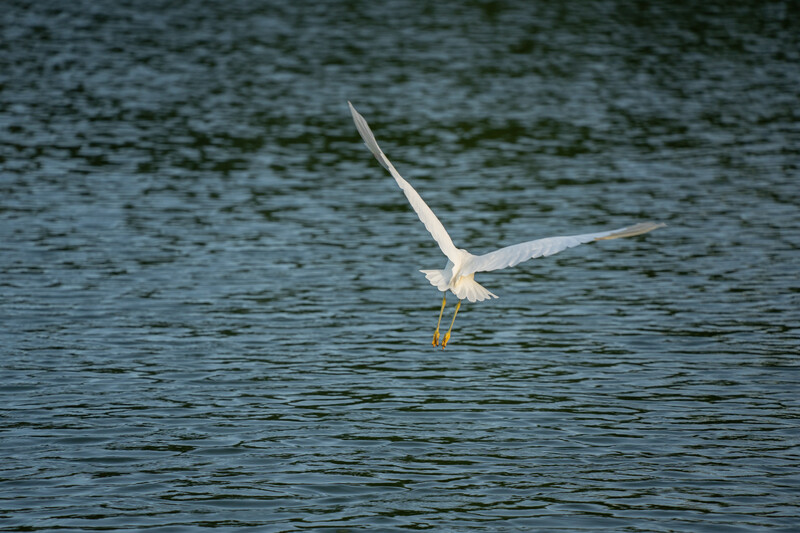
This is where the 20–200mm shines. Having 20mm on the wide end makes it dramatically more useful than Tamron’s 28–300mm or Sony’s 24–240mm for the way I shoot. At 20mm, you can shoot interiors, group shots, street photography, or vlog yourself without needing a separate wide lens. At 200mm, you can shoot sports, wildlife, or compress a landscape.
But it really comes down to what you personally shoot. Do you really need 20mm? If I was shooting landscapes, I'd prefer to zoom in and shoot multiple images for a higher resolution pano. But, if I were filming myself (which I do a lot) 20mm is fantastic. If however I was shooting wildlife, 200mm may not be enough reach and I'd probably choose the Tamron.
Price and Competition
The Sigma comes in at about $999 (around £799 in the UK). For comparison:
- Tamron 28–300mm: $900, more reach but not nearly as wide.
- Sony 24–240mm: $1,300, a bit more range but bigger and pricier.
The Sigma is the only full-frame 10x zoom that starts this wide. That makes it unique and worth considering, even if you already own other zooms.
Conclusion
The Sigma 20–200mm f/3.5–6.3 isn’t perfect. The optics won’t blow you away, it’s slow in low light, and there’s no optical stabilization. But it’s small, versatile, and sharp enough. You aren't buying this for optical perfection, you're paying for convenience, and it's probably the most convenient lens I've ever used.
If you want maximum image quality, stick to pro zooms and primes. But if you want a do-it-all travel lens that will actually stay on your camera, this is an excellent choice.





Join the Fstoppers community for free
-
Post comments and join in the discussions
-
Browse the site ad-free
-
Share your work and get featured in the community
-
Compete in the photo contests for fun and prizes
No comments yet