
Seven years ago, I made a decision that has shaped the way I photograph wildlife ever since I bought the Sigma 150-600mm lens. It was for one specific purpose: to finally get closer to the action during the annual red deer rut in Ireland. Does it still stack up?
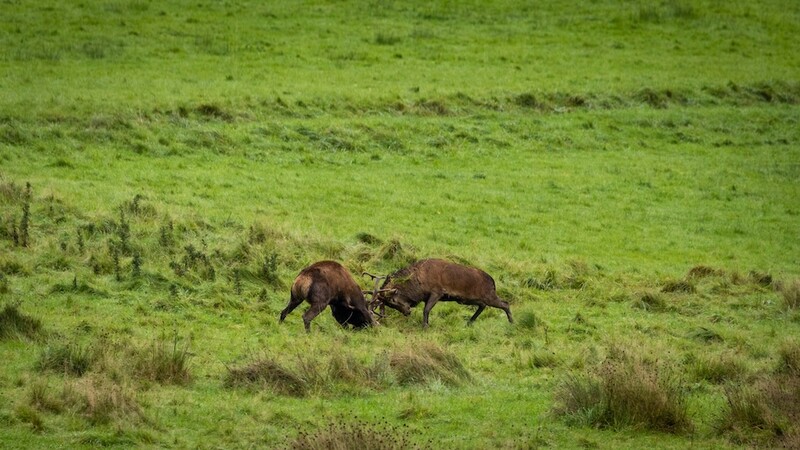
I had tried using my trusty 70-200mm on that shoot once, thinking I could get by with what I had. Within minutes, I quickly realized that it simply was not up to the task. I was not close enough, and more importantly, I was not willing to put myself in the middle of a herd of rutting stags just to get the shot. There is only so much adrenaline I am willing to risk for a photograph. That day, it became very clear I needed reach, and I needed it fast.
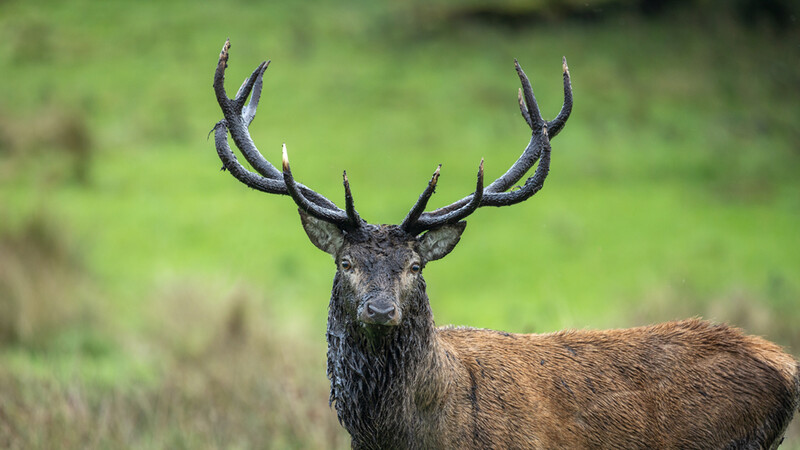
The Sigma 150-600mm stepped into that gap perfectly. At that time, it was not the newest lens on the market, but it offered something that few other lenses in its price range could: the ability to get close without physically getting too close. The idea of photographing wildlife from a safe distance while still filling the frame had always been appealing, but now it became a necessity. From that first rutting stag captured from the edge of the forest, I knew this lens was going to be more than a tool; it was going to be an extension of my photographic vision.
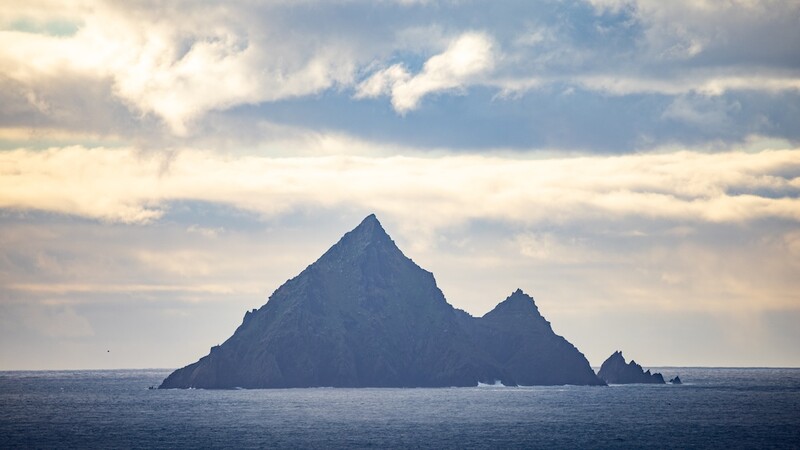
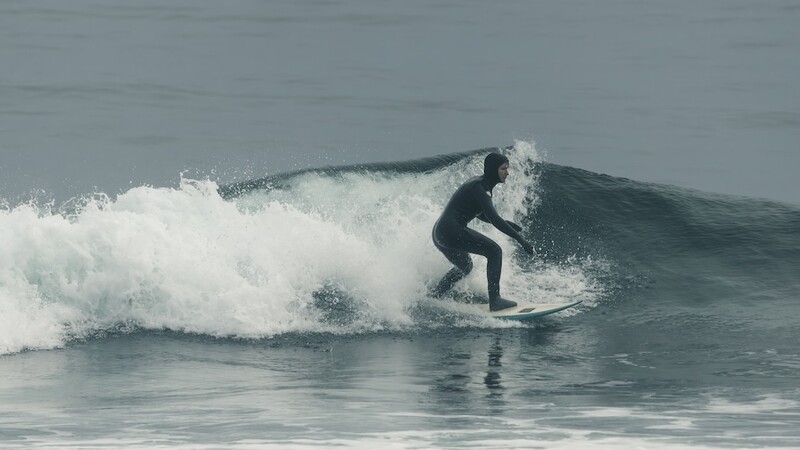
Since then, the 150-600mm has never left my van. I have used it far beyond its original purpose. It has helped me capture distant islands off the coast of Ireland. It has let me fill the frame with waves crashing against rocks in ways that a shorter lens simply could not achieve. I have even tried my hand at bird photography with it, though, in truth, I lack the patience for the long waits that truly successful birding demands, but the lens has handled everything I have thrown at it. The versatility of the 150-600mm means it is not just a wildlife lens; it is a long-reach landscape tool, a distant action-catcher, and a lens that rewards careful observation and timing.
The contemporary version of the lens, the one I currently own, is impressive for a number of reasons. It offers a focal range of 150-600mm, giving you the flexibility to capture wide environmental shots at 150mm and still zoom in on the finest details at 600mm. It has an optical stabilizer that makes handheld shooting possible, even at full zoom, which is invaluable when photographing moving subjects in variable light. It is compatible with teleconverters, which means you can push even further if needed, though at some cost to autofocus speed and aperture. Build quality is solid; this is not a delicate lens that demands constant, careful handling. It feels robust and ready for the unpredictable environments that wildlife photography often throws at you.
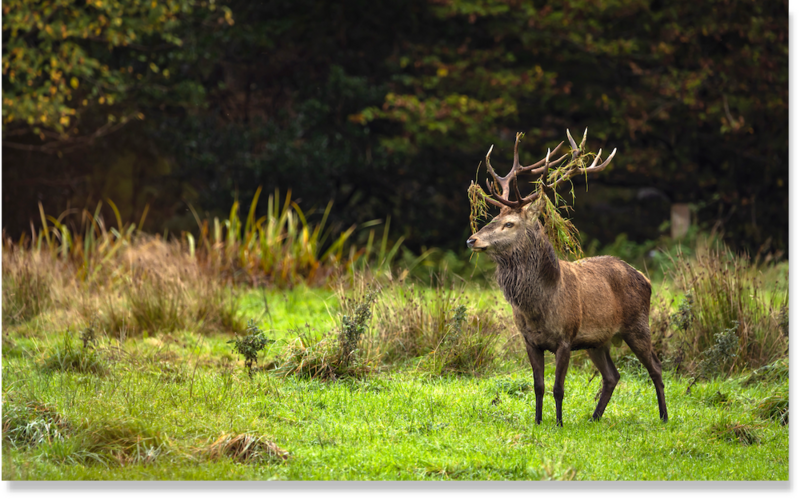
Autofocus is another area where the contemporary version shines. It is not the fastest lens on the market for sure, but it is accurate and reliable, which is what counts when you are working with unpredictable wildlife. You do not want a lens that hunts endlessly while a stag moves through the forest or a gull swoops past the cliff edge. It strikes a balance between speed and precision, and that is why I continue to reach for it on every wildlife trip. The contemporary Sigma also features special coatings to reduce chromatic aberration and improve contrast. In practical terms, this means the images it produces are sharp, vibrant, and capable of holding their own against far more expensive alternatives.
For those who demand even more performance, Sigma, of course, offers a Sports version of this lens. I do not own it personally, but from what I have seen and tested on loan, it is a step up in several key areas. Build quality is more rugged, designed to withstand the rigors of use in extreme conditions. Autofocus seemed faster and more reliable in continuous shooting situations, which makes it ideal for sports, birds in flight, or any subject that moves unpredictably. Optical performance seemed slightly improved, with better edge-to-edge sharpness across the entire zoom range; however, that is not really noticeable if I am honest. For someone whose photography revolves around action, wildlife, sports, or birds, the Sports version could be a worthy investment. That said, the contemporary version, the one in my kit, remains more than sufficient for the type of work I do, balancing performance and cost without compromise.
Features of the lens that make it so compelling for wildlife photography include:
- Versatile zoom range
- Optical stabilization
- Compatibility with teleconverters
- Strong optical performance
The lens is not particularly light, but it is not unwieldy either, and the tripod collar is well balanced for both handheld and supported shooting. It is weather-sealed to a degree, so light rain or sea spray is not going to immediately become a concern. For wildlife photographers, that combination of reach, image quality, and reliability is rare at this price point.
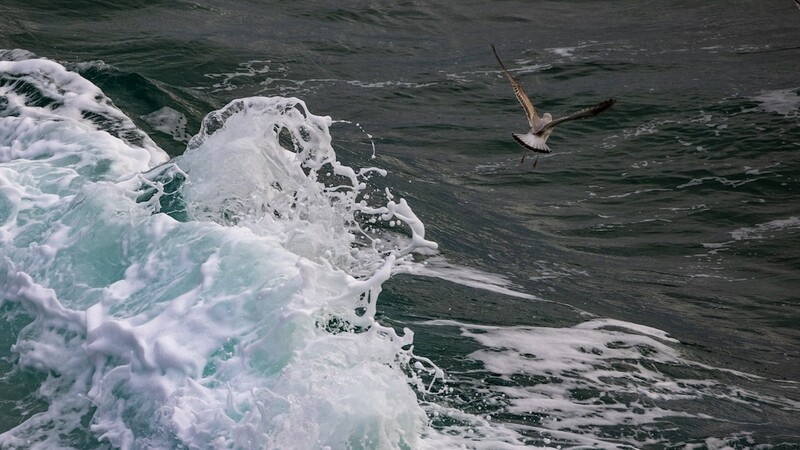
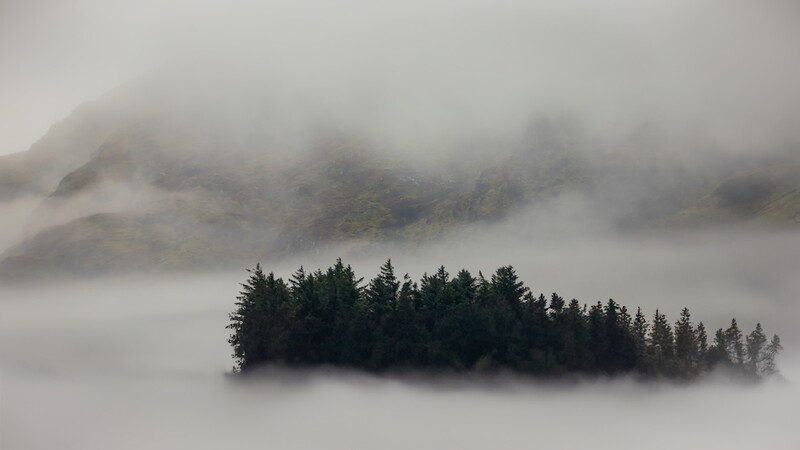
In practical use, the 150-600mm has proved its worth in countless situations. During the rut, it allowed me to capture stags in full display, catching every detail from the curl of their antlers to the intensity in their eyes, without ever putting myself in danger. On coastal trips, it lets me isolate distant islands or crashing waves, bringing subjects that seem far away up close in the frame. Even in more mundane shoots, like mist on a distant mountain, it remains the lens I instinctively reach for, simply because it delivers consistent results without fuss.
It is rare to own a lens that does not just perform well but becomes an almost constant companion. The Sigma 150-600mm is always in my bag, ready to be used. I have had it for over seven years, and yet, each time I take it out, it reminds me why I bought it in the first place. It is not flashy, it is not lightweight, and it is not necessarily the fastest lens out there, but it does exactly what I need it to do. For wildlife photographers, particularly those working in Ireland or similar environments, it strikes an almost perfect balance between accessibility and performance. You can shoot from a safe distance, capture detail-rich images, and explore creative compositions that shorter lenses simply do not allow.
If you are considering investing in a long-range zoom for wildlife, sports, or even distant landscape work, the Sigma 150-600mm remains one of the best options on the market. The contemporary version offers excellent reach, stabilization, and image quality at a price that is approachable for serious enthusiasts. The Sports version elevates those features further, but for many photographers, the contemporary lens is more than sufficient. Seven years on, it remains in my bag, and it is a lens I would recommend without hesitation. The combination of versatility, reliability, and image quality is hard to beat, especially for those of us who need to capture subjects from a safe distance without compromising on impact.
I often get asked about the lens I use when I post wildlife or coastal images. It is no secret: the Sigma 150-600mm. It is the lens that allowed me to photograph the red deer rut safely, the lens that lets me isolate distant islands, the lens that captures waves and movement with precision. It is not the lens for every situation, and if your work is strictly bird photography or high-speed sports, the Sports version might be the better choice. But if you want reach, flexibility, and reliable image quality in one lens, the contemporary Sigma 150-600mm is still one of the best investments a photographer can make.
In the end, it is not just a lens, it is a companion, really. It is the tool that has enabled me to push my photography further without ever feeling the need to take unnecessary risks. Over seven years, it has proved itself time and again across wildlife, coastal, and landscape photography. And it will continue to do so for years to come, always in my bag, always ready to capture whatever unfolds in front of me.
Have you used this lens? I would love to hear your thoughts in the comments below, good or bad.


Join the Fstoppers community for free
-
Post comments and join in the discussions
-
Browse the site ad-free
-
Share your work and get featured in the community
-
Compete in the photo contests for fun and prizes
8 Comments
If only Sigma had delivered this lens with a 82mm filter size (instead or 95mm) it would have been a perfect addition to the landscape kit. I went with the Tamron 150-500 instead.
That’s an interesting point for sure, the tamron seems to be also popular for its weight difference. I’ve seen similar Nikon lenses with over 100mm lens diameters which is monstrous IMO
I use a very similar lens - the Sigma 60-600mm f6.3 Basically the same thing as you're using except it goes a bit wider.
While you approached this from the standpoint of wanting more reach, it was the opposite for me ... I used to use the Sigma 300-800mm, but decided that I could get by with less reach.
One thing I especially appreciate about my Sigma xx - 600mm zoom is it's really close minimum focus distance. This makes it a really useful close-up lens for subjects like butterflies, flowers, toads, etc
That’s another interesting point Tom, at 300mm I can see the challenge for sure, have you used the sigma 70-200 BTW?
I've not used that particular 70-200mm. I had the Canon L f4, and barely ever used it. It was never wide enough, never long enough, and never focused close enough. After a couple years I realized that the 70-200mm focal length just wasn't for me. Not even 3x zoom is just not nearly flexible enough for a lens that's in-between short and wide focal lengths. So I got an old Canon L series 50-200mm and found that a bit more useful, albeit with noisy, archaic autofocus.
I have this lens and absolutely love it. Still figuring out out though. 😀
its a great choice for sure, thanks for your comment
I'm interested in knowing what it is that you're still trying to figure out. Usually when a lens takes time to figure out, it is some sort of specialized lens like a 5x macro, or a tilt/shift design. This 150-600mm seems very straightforward, so if there's something about it that takes time to figure out, I would like to know what it is.