The body a working wedding photographer relied on five years ago now changes hands for a fraction of its launch price, and in most cases it still outshoots the entry-level camera a beginner would buy new for what that used body costs today. That is the quiet advantage of the used market. Depreciation is brutal for the first owner and a gift to the second, and the cameras that took the steepest fall are often the ones professionals happily shot weddings and commercial jobs on a few years ago. Buying one generation back, in good condition, from a dealer that stands behind it, is the smartest value move in photography right now.
We built this guide around value propositions rather than a simple ranking, because the right used body depends entirely on what you shoot and which lenses you already own or plan to buy. The decision turns on a few axes: full frame or APS-C, mirrorless or DSLR, how much resolution you actually need, and how deep and affordable the lens catalog is behind the mount. Condition matters as much as the model. A shutter count under 30,000 on a body rated for hundreds of thousands of actuations means you are buying most of the camera's life for a small share of its price.
Every pick below is sold used, so the price you pay is set by condition and by which reseller you buy from rather than by a figure on a retail shelf. Each entry links to B&H, where used stock rotates through constantly, and to MPB and KEH, both of which inspect, grade, and warranty what they sell. If you would rather buy new, our budget cameras guide covers what the same money buys with a full manufacturer warranty attached, and our beginners guide is the better starting point if this is your first real camera.
Our Picks
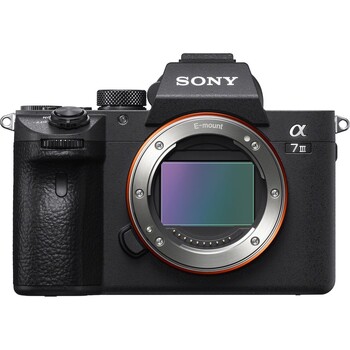 Best Used Full Frame Overall Sony a7 III
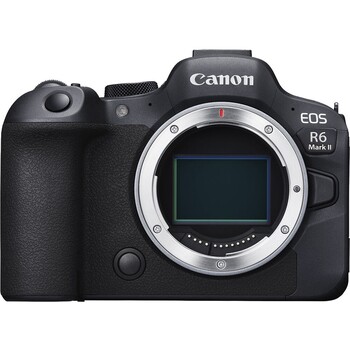 Best Used Camera for Video Canon EOS R6
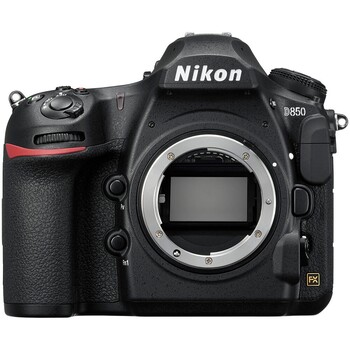 Best Used Camera for Landscapes Nikon D850
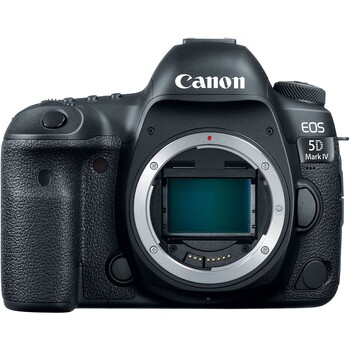 Best Used Full Frame DSLR Bargain Canon EOS 5D Mark IV
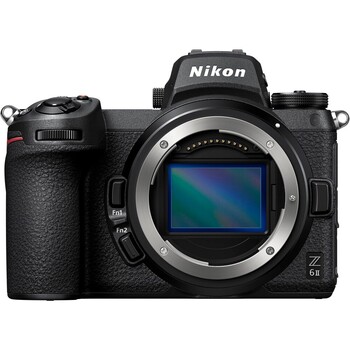 Best Used Full Frame for Adapting Lenses Nikon Z6 II
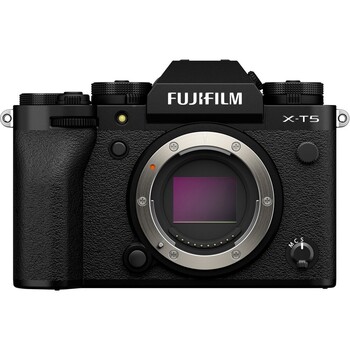 Best Used APS-C Camera Fujifilm X-T4
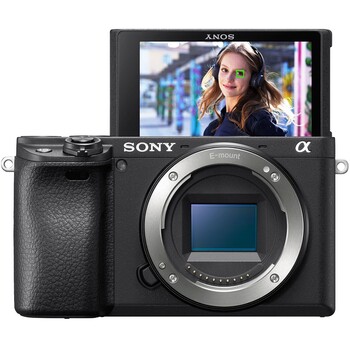 Best Used Camera for a Tight Budget Sony a6400
Best Used Full Frame Overall: Sony a7 III
Borrowing its autofocus brain and big NP-FZ100 battery from Sony's flagship a9, the a7 III pairs Eye AF and five-axis stabilization with the deepest affordable full frame lens catalog going.
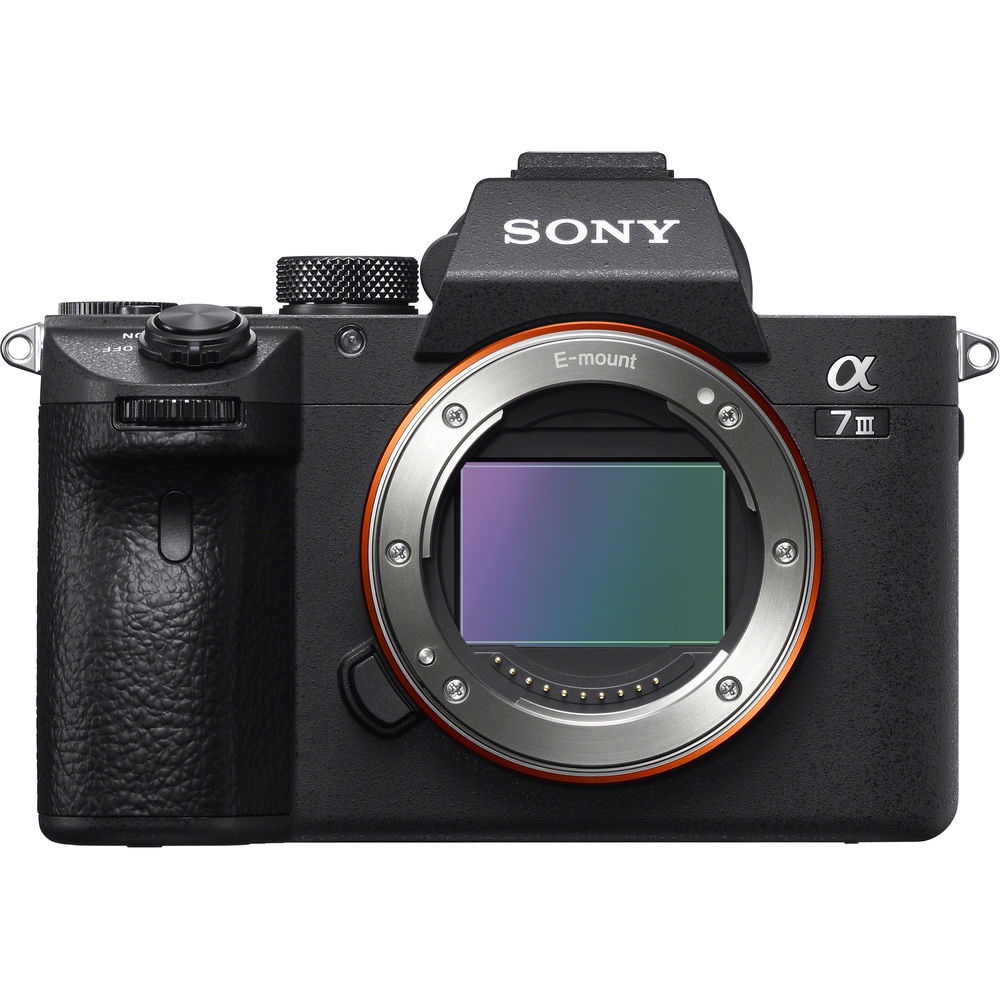
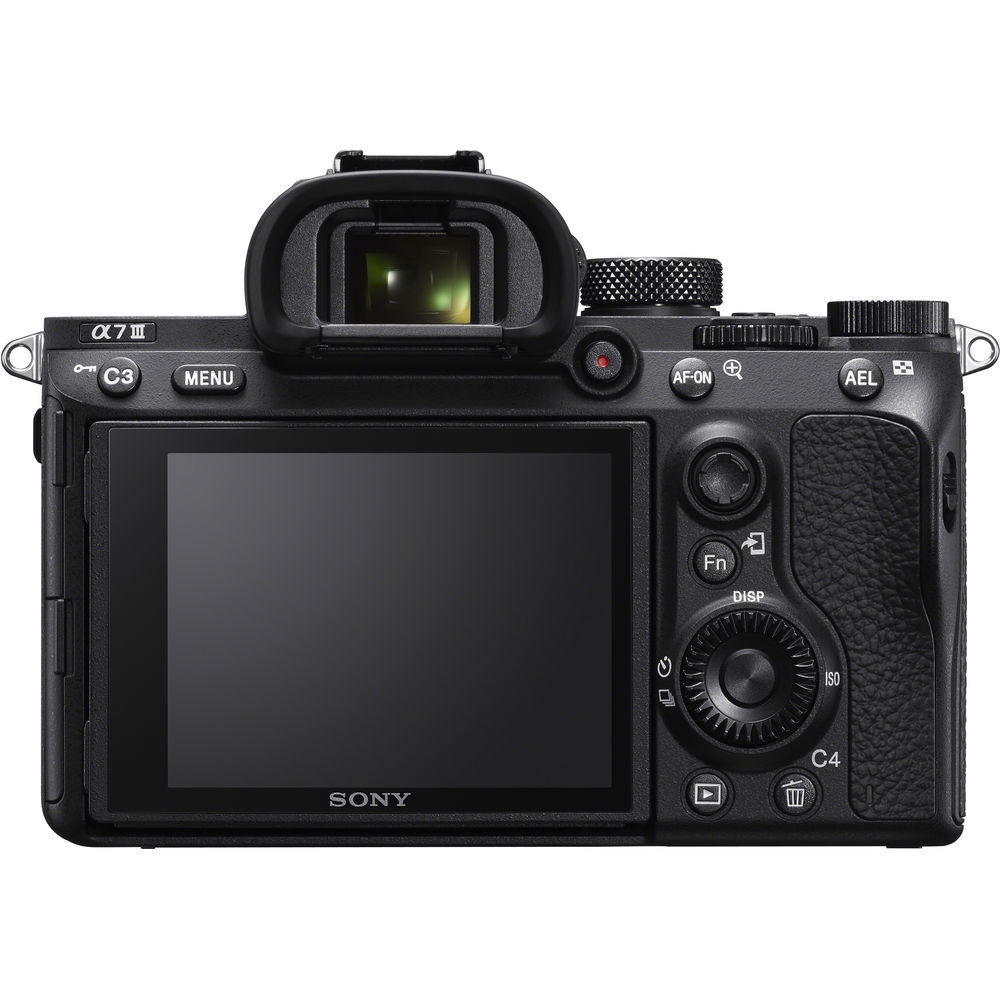
The a7 III is the camera that made full frame mirrorless normal, and on the used market it is the single best value in this guide. When it launched in 2018 it borrowed the autofocus brain and the big NP-FZ100 battery from Sony's flagship a9 and dropped them into a body most working photographers could afford. That combination still holds up, years after our 2018 review of the a7 III called it "the best all-around camera out there." The 24.2-megapixel sensor sits in the sweet spot for almost everything short of gallery-scale landscape printing, the files stay clean well past ISO 6400, and Eye AF is the standout feature: it locks onto a person and holds even as they turn away from the lens.
What keeps it on top years later is the lens ecosystem sitting behind the E-mount. No other system gives you this many affordable options, from Sony's own compact primes to the wall of Sigma, Tamron, and Viltrox glass that costs a fraction of first-party equivalents. A used a7 III plus a Sigma 35mm f/1.4 or Tamron 28-75mm f/2.8 is a genuinely professional kit for the money, and the 710-shot CIPA rating means you are not chasing a charger halfway through a shoot. The in-body stabilization, rated to five stops, makes the whole thing usable handheld in light that would defeat an unstabilized body.
The honest limitations are age-related. The menu system is the old, sprawling Sony layout that predates the cleaner interface on newer models, only one of the two card slots is the faster UHS-II type, and the rear screen tilts but does not fully articulate. The 2.36-million-dot viewfinder looked sharp in 2018 and merely adequate now. Buy this one if you want the most camera per dollar and the deepest cheap-lens catalog going; look elsewhere if you need a modern articulating screen or the last word in burst speed. Check the current price of the Sony a7 III at B&H, then compare graded copies at MPB and KEH, where it turns up so often you can afford to be picky about condition and shutter count.
What We Like
- Flagship-derived autofocus and Eye AF at a mid-tier used price
- The deepest affordable full frame lens catalog of any system
- Large NP-FZ100 battery rated for 710 shots
- Five-axis in-body stabilization
What Could Be Better
- Old, sprawling Sony menu system
- Only one of two card slots is UHS-II
- Tilting-only screen and a now-modest viewfinder
Best Used Camera for Video: Canon EOS R6
Canon deliberately kept the R6 at 20.1 megapixels for cleaner high-ISO output, then added up to eight stops of stabilization and Dual Pixel tracking that holds an eye through motion.
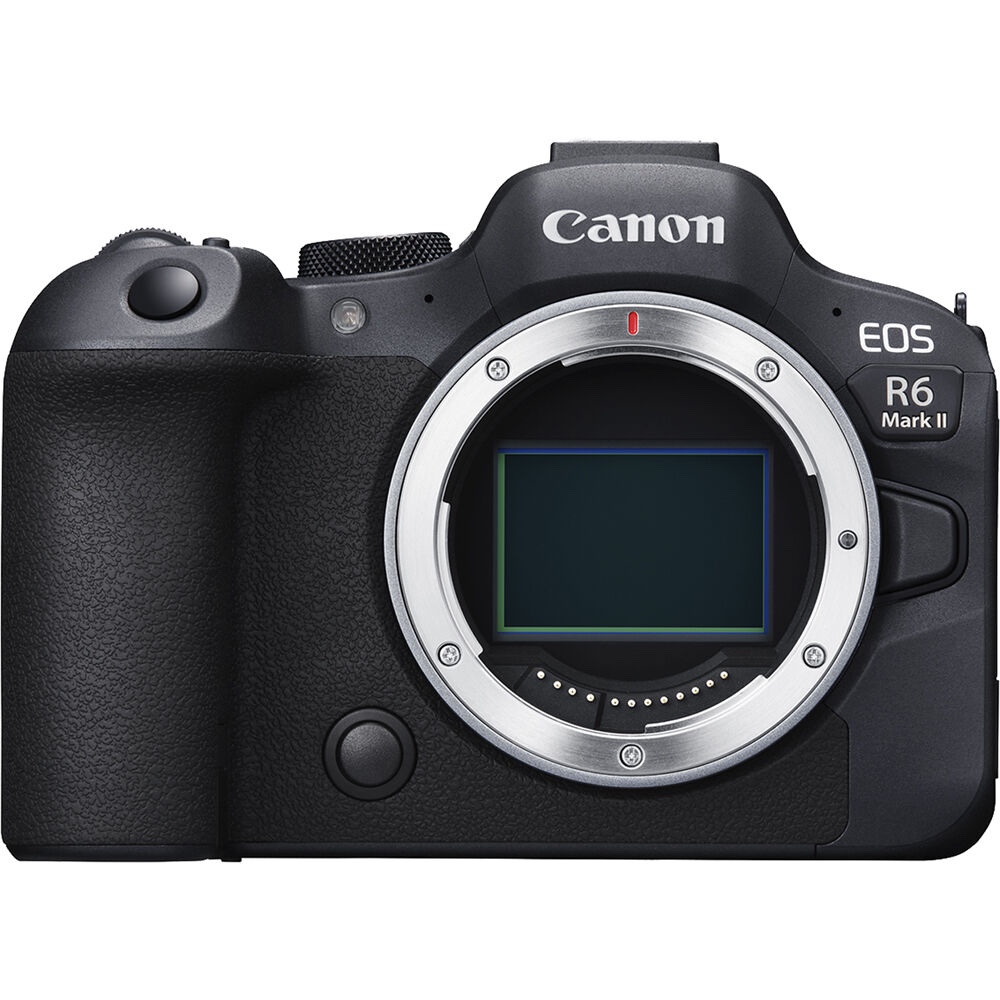
If you shoot video as much as stills, the R6 is the used body to hunt for. Its 20.1-megapixel sensor is the lowest-resolution pick here, and that was deliberate on Canon's part: fewer, larger photosites mean cleaner high-ISO footage and stills, and the R6 stays clean in low light where higher-resolution rivals start to smear. Our review of the R6 put its comfortable ceiling at ISO 12,800. The 4K/60p is genuinely usable, the 4K/30p is oversampled from the full sensor width for extra detail, and Canon's Dual Pixel autofocus tracks a face or an eye through a moving scene as smoothly in video as it does in stills, which is the feature that actually matters when you are filming yourself with nobody behind the camera.
The stabilization is the other reason it earns this slot. The in-body system, rated up to eight stops with a stabilized RF lens, lets you shoot handheld walking footage and low-light stills that would otherwise need a gimbal or a tripod. Paired with the RF 24-105mm f/4-7.1 or an adapted EF lens through Canon's cheap and excellent mount adapter, it becomes a compact hybrid rig that costs less used than most dedicated video cameras cost new. Dual UHS-II card slots give you the backup redundancy that event and wedding shooters need.
The weakness is well documented and worth planning around. Early R6 bodies could overheat and shut down during long 4K recording sessions, particularly at 4K/60p in warm conditions. Canon improved the behavior with firmware, so confirm the body you buy is fully updated, and treat it as a run-and-gun hybrid rather than a locked-off interview camera that rolls for an hour. The 20-megapixel files also leave less cropping room than anything else on this list, which is the price of the low-light performance. Video-first shooters who want Canon color and class-leading stabilization should check the current price of the Canon EOS R6 at B&H, where used copies have become plentiful now that the Mark II and Mark III have arrived, and cross-shop MPB and KEH.
What We Like
- Clean low-light stills and video from the 20 MP sensor
- Up to eight stops of in-body stabilization
- Excellent Dual Pixel autofocus in stills and video
- Dual UHS-II slots for backup redundancy
What Could Be Better
- Early bodies overheat in long 4K sessions
- 20 MP leaves the least cropping room here
- 4K/60p carries a slight crop
Best Used Camera for Landscapes: Nikon D850
With 45.7 megapixels, no optical low-pass filter, and a base ISO of 64, the D850 pulls a bright sky and a shadowed foreground out of a single raw frame.
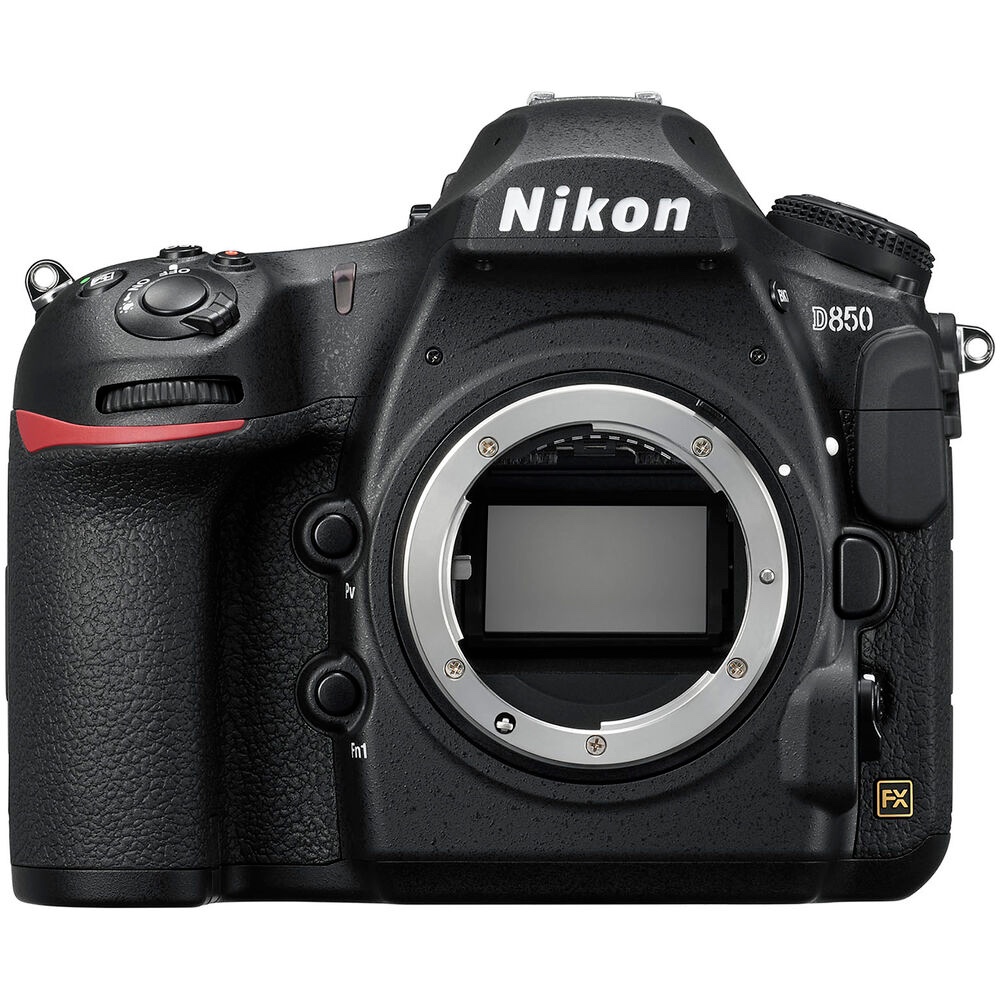
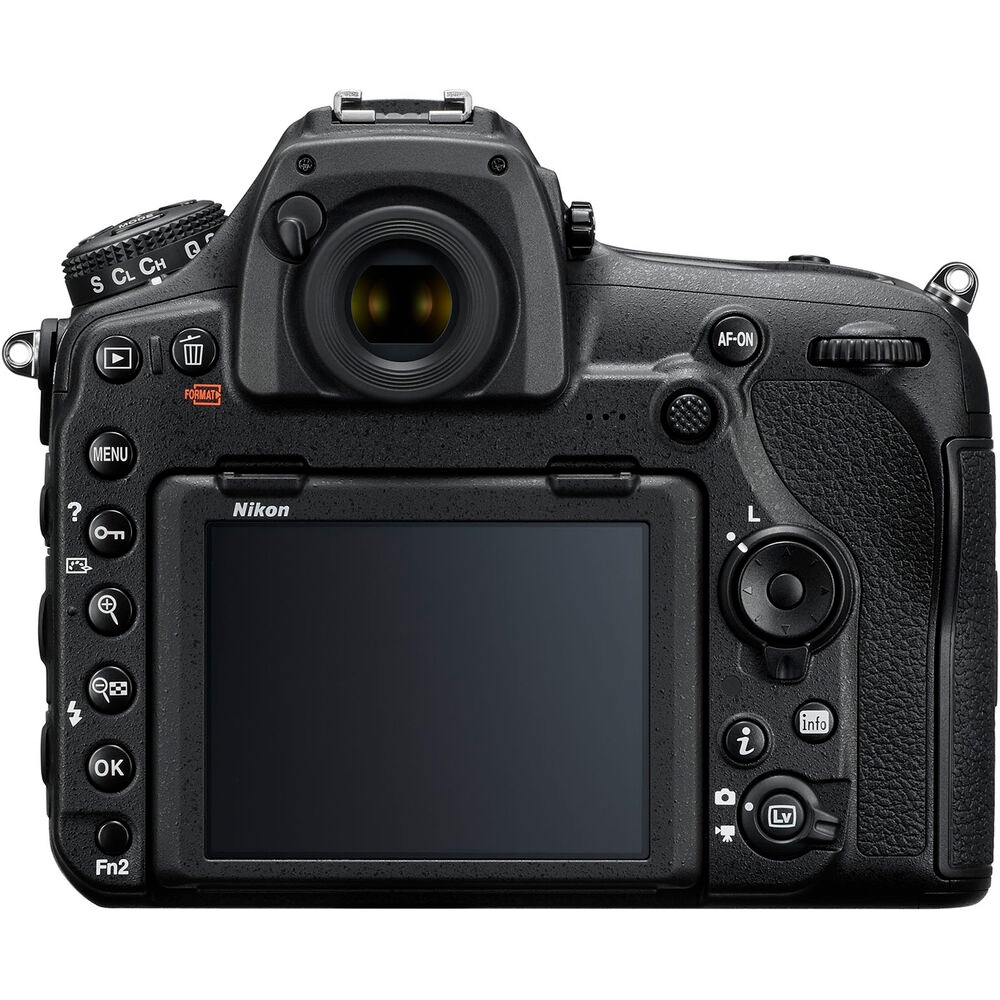
Landscape and studio photographers do not need the fastest autofocus or the smallest body. They need resolution, dynamic range, and files that hold up under heavy editing, and on the used market the D850 delivers all three for well under half its launch price. Its 45.7-megapixel back-illuminated sensor carries no optical low-pass filter, so it resolves fine detail with a bite that still embarrasses most current cameras, and its base ISO of 64 is the lowest of any full frame body in this guide. That low base gives you exceptional highlight retention, the kind of latitude that lets you pull a bright sky and a shadowed foreground out of a single raw frame.
Nikon's F-mount is the other half of the argument. Decades of superb, and now heavily discounted, F-mount glass sits behind this camera, from the legendary 14-24mm f/2.8 wide zoom to a wall of cheap, sharp primes. If you already own Nikon DSLR lenses, a used D850 is the natural home for them, and if you are building from scratch, the used lens prices are hard to beat. The optical viewfinder shows a real, lag-free view of the scene that many photographers still prefer for slow, deliberate work, and the battery outlasts any mirrorless body in the cold. To go deeper on the craft, our Photographing the World: Landscape Photography and Post-Processing tutorial pairs naturally with a camera like this.
Our real-world review of the D850 called it probably the best DSLR Nikon had ever released, but its tradeoffs are the ones every DSLR asks you to accept in 2026. There is no in-body stabilization, the body is heavy at over a kilogram with a battery, and the 45.7-megapixel files fill cards and drives fast and demand a capable computer. Autofocus through the optical viewfinder is excellent for static and moderately paced subjects but cannot match mirrorless eye-tracking, and live-view focus is slow by modern standards. Wildlife and action shooters should look at the mirrorless picks instead. If you shoot landscapes, architecture, or studio work and want maximum image quality per dollar, check the current price of the Nikon D850 at B&H; clean, low-actuation copies also show up regularly at MPB and KEH.
What We Like
- 45.7 MP with no low-pass filter for exceptional detail
- Base ISO 64 and class-leading dynamic range
- Huge, heavily discounted F-mount lens catalog
- Optical viewfinder and long battery life
What Could Be Better
- No in-body stabilization
- Heavy body and large files that demand storage and a fast computer
- Live-view autofocus is slow next to mirrorless
Best Used Full Frame DSLR Bargain: Canon EOS 5D Mark IV
Sold in enormous numbers to wedding and portrait pros, the weather-sealed 5D Mark IV opens the vast, cheap EF lens catalog and delivers 30.4 megapixels of trusted Canon color.
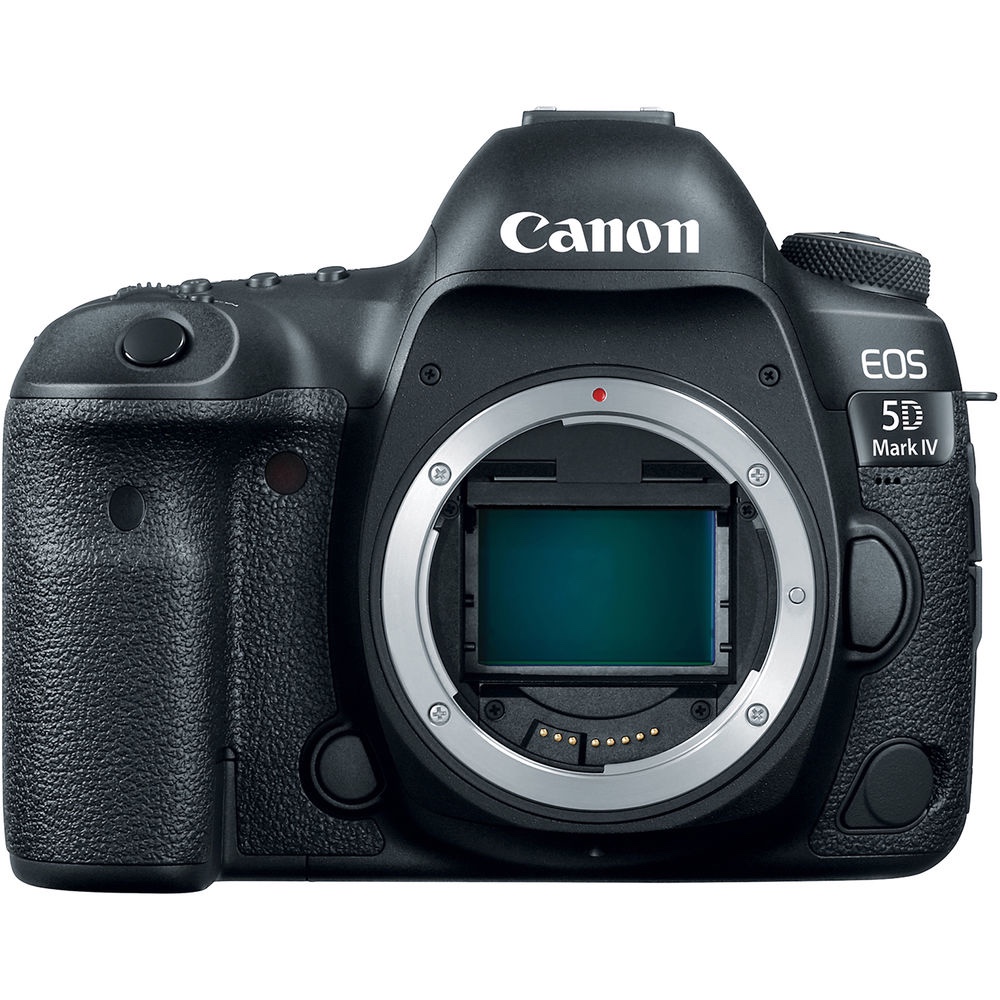
For years the 5D Mark IV was the default full frame workhorse for wedding and portrait photographers, and that is exactly why it is such a strong used buy now. Enormous numbers were sold, so supply is deep and prices are soft, and the camera that shot countless professional jobs will shoot yours just as well. Our 2023 review of the 5D Mark IV came after three years of near-daily use on a body bought used. The 30.4-megapixel sensor gives you more resolution than the R6 with plenty of cropping room, the color science is the reliable Canon look people have paid to edit toward for a decade, and the body is weather-sealed and built to survive years of hard use.
The reason to choose it over the D850 comes down to the lens library you own or want to buy. Canon's EF mount is arguably the largest and most affordable used-lens ecosystem in existence, and a used 5D Mark IV paired with an EF 50mm f/1.8 or the excellent 24-70mm f/2.8L is a complete professional portrait kit for a modest outlay. The 61-point autofocus is accurate and quick through the optical viewfinder, and Dual Pixel AF makes live-view and tethered shooting smooth.
Video is where the age shows. The 4K uses the dated Motion JPEG codec, applies a heavy 1.64x crop that turns your wide lens into a standard one, and produces huge files, so treat this as a stills camera that shoots occasional 1080p rather than a video tool. There is no in-body stabilization, the rear screen is fixed, and one card slot is the slower UHS-I type. Anyone who needs serious video should buy the R6 instead. Stills photographers who want a rugged, proven full frame body and access to cheap EF glass should check the current price of the Canon EOS 5D Mark IV at B&H, and note that it is stocked in volume at MPB and KEH, which keeps prices competitive.
What We Like
- Proven, rugged, weather-sealed professional body
- 30.4 MP with trusted Canon color and cropping room
- Access to the huge, cheap EF lens catalog
- Accurate 61-point AF and smooth Dual Pixel live view
What Could Be Better
- 4K uses Motion JPEG with a heavy 1.64x crop
- No in-body stabilization and a fixed rear screen
- One card slot is only UHS-I
Best Used Full Frame for Adapting Lenses: Nikon Z6 II
Snap on an FTZ adapter and the Z6 II opens Nikon's entire back catalog of cheap F-mount glass, while adding in-body stabilization, dual card slots, and eye detection.
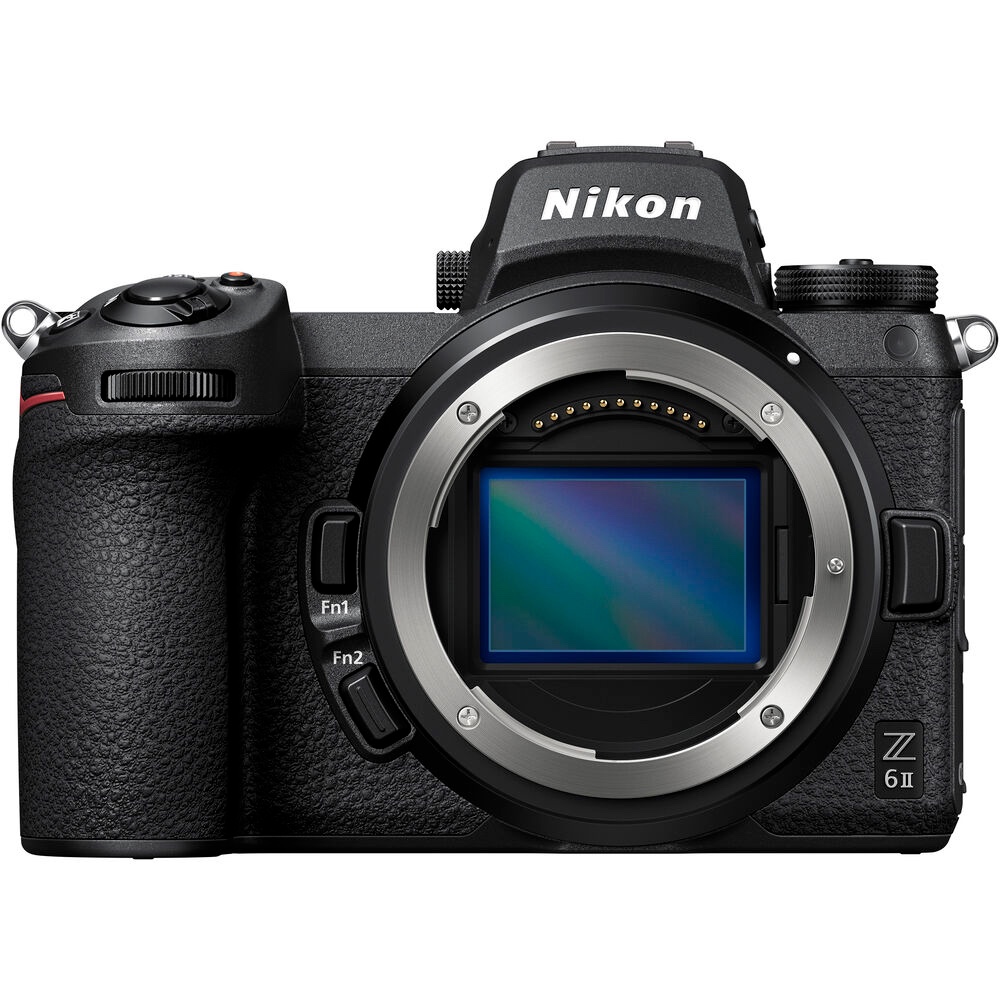
The Z6 II dropped sharply in price once the Z6 III arrived, and that makes it one of the most underrated used buys of 2026. It is the newest mirrorless body on this list, with dual EXPEED 6 processors, in-body stabilization, and, unusually for its price bracket, two card slots that pair a fast CFexpress or XQD card with an SD backup. The 24.5-megapixel sensor produces clean, flexible files, and the build quality is closer to Nikon's professional bodies than to its entry line.
Its standout value trick is the FTZ adapter. Snap one on and the Z6 II opens up Nikon's entire back catalog of F-mount DSLR lenses, which are some of the best-value optics on the used market right now as DSLR shooters move to mirrorless and flood the supply. A used 50mm f/1.8G or 85mm f/1.8G costs very little and performs beautifully on this body with full autofocus, so you get modern mirrorless features (eye detection, in-body stabilization, a bright electronic viewfinder) while spending lens money like it is still the DSLR era. For anyone sitting on a drawer of old Nikon glass, or willing to buy it cheaply, this is the most sensible way into full frame mirrorless. Our mirrorless cameras guide covers what the current generation adds if you would rather buy new.
The compromises are real but narrow. The 4K/60p mode arrived through a firmware update and applies a DX crop, so wide, high-frame-rate video gets tight, and the autofocus, while much improved over the original Z6, still trails Sony and Canon for the stickiest subject tracking in fast action. The 14 fps burst is quick, but the buffer fills faster than a sports shooter would like. Our review of the Z6 II found that viewfinder blackout made erratic subjects hard to track, so this is not the body for a season of Friday night football. Photographers who value build, dual slots, and a bridge to cheap F-mount glass over the last few percent of autofocus performance should check the current price of the Nikon Z6 II at B&H, with MPB and KEH as the obvious cross-checks.
What We Like
- Newest mirrorless body here, with a recent price drop
- Dual card slots and in-body stabilization
- FTZ adapter unlocks cheap, excellent F-mount glass
- Robust, near-professional build quality
What Could Be Better
- 4K/60p carries a DX crop
- Autofocus tracking trails Sony and Canon in fast action
- Buffer fills quickly at the top burst rate
Best Used APS-C Camera: Fujifilm X-T4
Fujifilm's film simulations deliver a finished look straight out of the X-T4, and its dedicated shutter, ISO, and exposure dials teach exposure the way a film camera does.
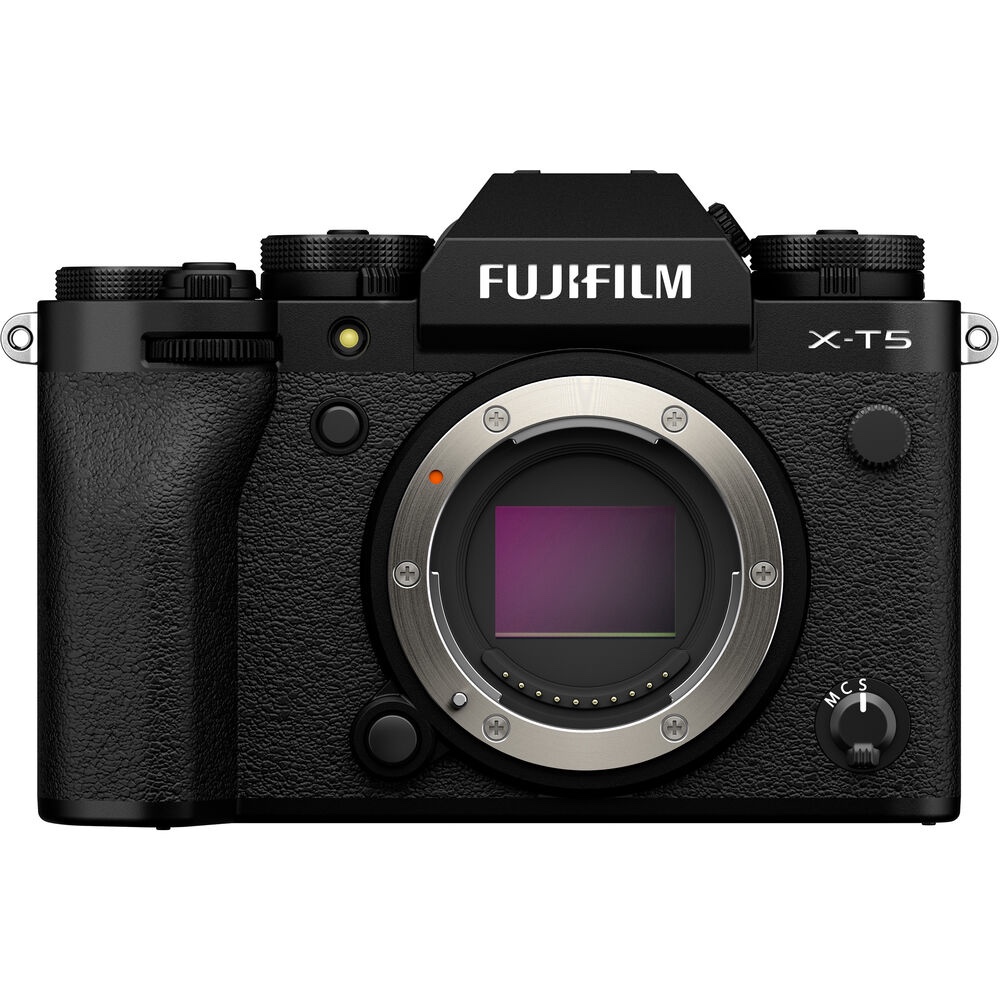
Fujifilm built the X-T4 as its do-everything APS-C flagship, and buying one used gets you the whole package (in-body stabilization, dual UHS-II slots, and a fully articulating screen) for less than a current midrange body costs new. The 26.1-megapixel X-Trans sensor is sharp and characterful, and Fujifilm's film simulations remain the reason so many photographers choose the system. Dialing in Classic Chrome or Velvia gives you a finished look straight out of the camera, which is a faster and more enjoyable way to work than round-tripping every frame through an editor.
Handling is the other draw. The X-T4 uses dedicated dials for shutter speed, ISO, and exposure compensation rather than hiding those settings in a menu, so it teaches exposure the way a film camera does and stays engaging to shoot years in. The in-body stabilization, rated to 6.5 stops, is unusually strong for an APS-C body and makes the compact XF prime lenses usable handheld in dim light. The 15 fps mechanical burst and 10-bit 4K/60p round it out into a genuine hybrid. We reviewed it when it was new and revisited it in a 2023 re-review of the X-T4, and we recommend it as a stills camera with unusual character that happens to shoot capable video.
The limitations are the ones Fujifilm shooters tend to accept happily. X-Trans autofocus, though improved through firmware, does not track fast, erratic subjects as reliably as the Sony and Canon systems here, so it is not the first choice for indoor sports or birds in flight. The APS-C sensor gives up some low-light headroom and background separation to the full frame picks. The X-T4 has also been discontinued in favor of the X-T5, which softens used prices in your favor but means accessories and support are winding down. If you want tactile controls, superb color, and a compact system, check the current price of the Fujifilm X-T4 at B&H, where used stock rotates through steadily, and compare it against clean copies at MPB and KEH.
What We Like
- Film simulations deliver finished color in-camera
- Dedicated dials that make shooting tactile
- Strong in-body stabilization for an APS-C body
- Fully articulating screen and dual UHS-II slots
What Could Be Better
- Autofocus tracking trails Sony and Canon for fast action
- APS-C gives up low-light and background blur to full frame
- Discontinued, so support and accessories are winding down
Best Used Camera for a Tight Budget: Sony a6400
At just 403 g, the a6400 delivers Sony's Real-time Eye AF, the same tracking found in far pricier bodies, for the lowest price in this guide.
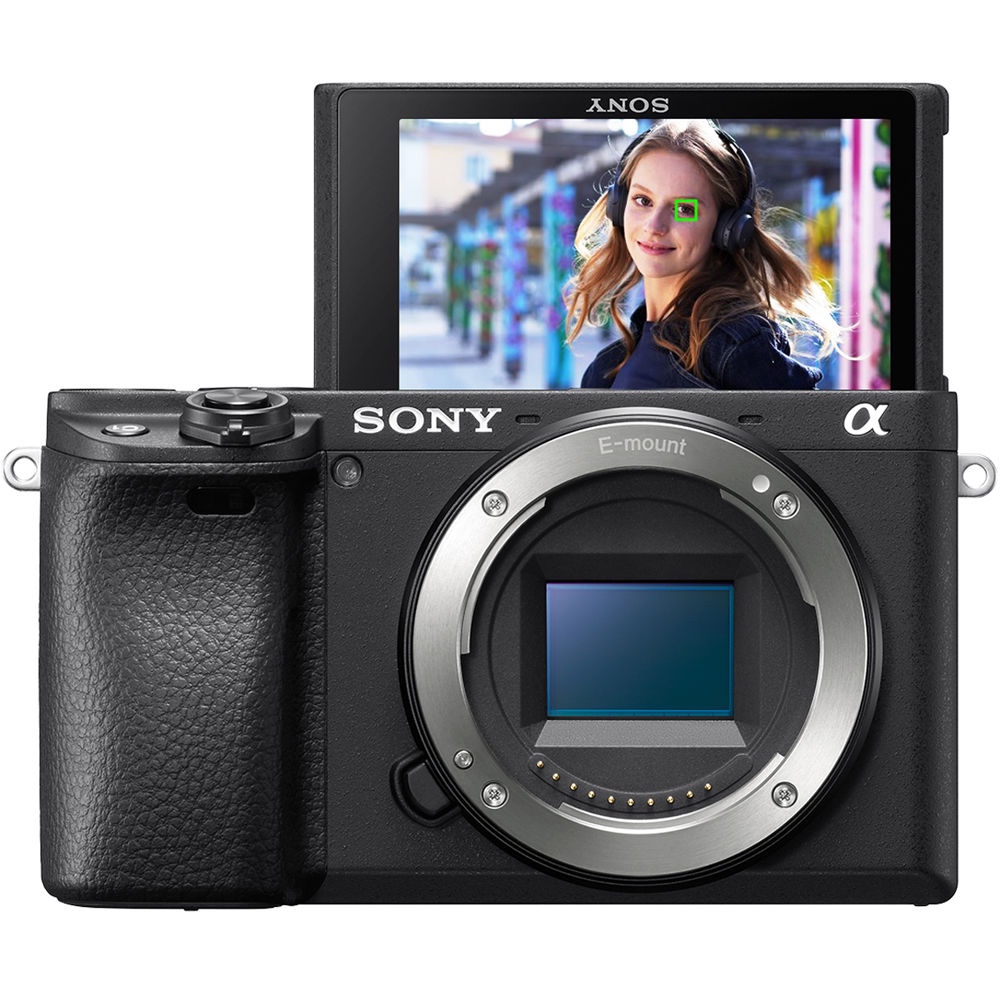
When the budget is genuinely tight, the a6400 is the used camera we point people toward, because it delivers the one thing beginners most need help with, reliable autofocus, at the lowest price in this guide. Sony's Real-time Eye AF and subject tracking, the same fundamental technology found in bodies costing several times as much, lock onto a face or a pet and hold it without fuss. For a parent photographing kids, a new shooter learning to follow a moving subject, or a creator filming themselves, that reliability turns a folder of near-misses into a folder of keepers.
It is also small, light at 403 grams, and sits in front of the same enormous, affordable E-mount lens catalog as the a7 III. That matters more than the body on a tight budget. The money you save buying the a6400 instead of a full frame camera goes straight into a Sigma 30mm f/1.4 or 16mm f/1.4 that will teach you more about photography than any sensor upgrade. The flip-up screen suits vlogging and selfies, and 4K/30p comes off the full sensor width with real detail.
You feel the cost savings in specific places. There is no in-body stabilization, so low-light handheld stills lean on a steady hand or a fast lens, and the single UHS-I card slot means no in-camera backup for paid work. The grip is shallow for larger hands, the menu is the old convoluted Sony layout, and long 4K clips can prompt an overheating warning, which rules it out as a locked-off camera for hour-long recordings. If you want class-leading autofocus and a huge lens ecosystem for the least money, check the current price of the Sony a6400 at B&H; it is also one of the most common bodies in stock at MPB and KEH, so a graded copy is never hard to find.
What We Like
- Class-leading autofocus and Eye AF for the lowest price here
- Access to the deep, affordable E-mount lens catalog
- Compact and light at 403 g
- Full-width 4K/30p and a selfie-friendly flip-up screen
What Could Be Better
- No in-body stabilization
- Single UHS-I card slot, so no in-camera backup
- Shallow grip, dated menu, and 4K overheating on long clips
How to Choose a Used Camera
Start with the system, not the body, because the lenses you buy will cost more and last longer than any camera. Before you settle on a model, look at the used lens prices for that mount. Sony's E-mount and Canon's EF mount have the deepest and cheapest catalogs, Fujifilm's X-mount is strong for APS-C, and Nikon's F-mount glass is falling in price as DSLR owners migrate to mirrorless. A body that lets you adapt older lenses, like the Nikon Z6 II with an FTZ adapter, effectively multiplies your affordable options.
Next, decide between mirrorless and DSLR honestly. Mirrorless bodies give you eye-detection autofocus, in-body stabilization on most models, and a live preview of exposure, which is why they win for video, action, and low light. DSLRs like the D850 and 5D Mark IV counter with optical viewfinders many photographers still prefer, longer battery life, rugged professional builds, and the steepest depreciation, which means more camera for your money if you shoot mostly stills and do not need the newest autofocus.
Resolution matters less than people think. Anything from 20 to 30 megapixels prints large and crops well, and only landscape, studio, and commercial work truly benefits from the D850's 45.7 megapixels. The spec that matters more than buyers expect is the card slot. A second slot is the difference between a corrupted card being an annoyance and being a lawsuit, which is why the single-slot a6400 sits in the budget tier and not the professional one.
Condition is where a used purchase is won or lost. Buy from a dealer that inspects and grades its stock and offers a warranty, and treat the shutter count the way you would mileage on a car. A body rated for 200,000 actuations with 20,000 on the clock has most of its life ahead of it. Check for sensor marks, fungus in any bundled lens, and dents that suggest a drop, and confirm the firmware is current, which matters especially for the Canon EOS R6 and its early overheating behavior. A dealer's graded "excellent" copy costs a little more than a private sale and removes almost all of the risk.
What We're Looking For
Our picks weigh autofocus reliability, image quality per dollar, the depth and affordability of each mount's used lens catalog, build quality, and how well each body suits a specific kind of photographer rather than how it scores on a spec sheet. Every specification here was verified against current manufacturer and retailer sources at the time of writing, and every pick is evaluated as a used purchase, with pricing set by condition and reseller rather than by a new-body figure. Most picks across the Fstoppers buying guides come from gear our writers have used and reviewed hands-on. We have tested every body in this guide, from our first impressions of the a6400 to full reviews of the other six, and the verdicts here, written for used buyers in 2026, rest on verified specifications and on the multi-year track record each of these bodies has built in the field. Each of the six full reviews is linked in its camera's entry.
Frequently Asked Questions
Is It Safe to Buy a Used Camera?
Yes, as long as you buy from a reputable dealer rather than an anonymous private seller. Companies like MPB and KEH inspect and grade every body, disclose the condition, and back the sale with a warranty, typically six months at MPB and 180 days at KEH. That inspection and return window removes almost all of the risk that makes private used sales a gamble.
What Shutter Count Is Too High for a Used Camera?
It depends on the body's rating, but most enthusiast and professional cameras are rated for 150,000 to 400,000 actuations. A count under 30,000 is low, a count under 100,000 is fine on a durable body, and anything approaching the rated life warrants a lower price. Treat shutter count like mileage: a well-maintained high-count body can still have years left, but it should cost less.
Should I Buy a Used Full Frame or a New APS-C Camera?
For most photographers, a used full frame body like the Sony a7 III or Nikon Z6 II is the better buy than a new entry-level APS-C camera at a similar price. You get a larger sensor, better low-light performance, and often a more capable autofocus system and build. Choose new APS-C only if you specifically want the warranty, the smaller size, or the latest features.
Are DSLRs Still Worth Buying in 2026?
For stills photographers, absolutely. DSLRs like the Nikon D850 and Canon EOS 5D Mark IV have depreciated further than mirrorless equivalents, so they offer the most image quality per dollar, and their optical viewfinders, battery life, and rugged builds remain genuinely useful. Skip them only if you need cutting-edge eye-detection autofocus or serious video, where modern mirrorless bodies pull decisively ahead.
Fstoppers may earn a commission from purchases made through links in this article. Our picks are made independently by our editorial team.