

The photography industry is littered with the corpses of once-mighty brands that dominated their markets for decades before making single, catastrophic decisions that destroyed everything they had built. The worst part isn't that these companies failed. It's that in most cases, they had the technology, resources, and market position to dominate the future they instead chose to ignore.
1. Polaroid: Ignoring the Digital Revolution They Helped Enable
Polaroid dominated instant photography for decades with cameras and film systems that seemed almost magical to consumers who were used to waiting days or weeks to see their developed photographs. The company had built an empire around the desire for immediate gratification in photography, creating cameras that delivered finished prints within minutes and establishing a business model that generated recurring revenue through film sales. When digital photography emerged, Polaroid should have been the most natural company to embrace it, as their entire brand was built around instant results, and digital cameras delivered the ultimate instant gratification by displaying images immediately on LCD screens. Instead, Polaroid struggled to successfully transition from instant film to digital photography, despite entering the digital market in the 1990s with cameras like the PDC-2000 and various digital products. The company's digital efforts were inconsistent and failed to capture the same market enthusiasm as their instant film products, with executives seemingly unable to translate Polaroid's instant gratification brand identity into compelling digital products that could compete effectively against dedicated camera manufacturers.
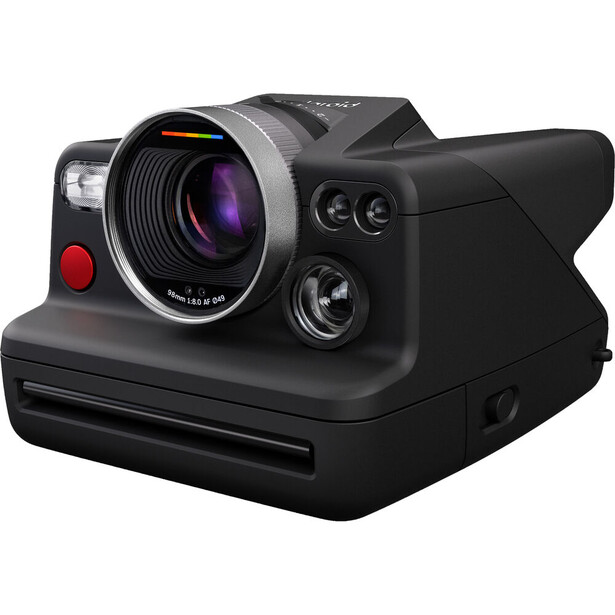
Polaroid's executives convinced themselves that consumers would always prefer physical prints over digital images, fundamentally misunderstanding how photography was evolving from physical keepsakes to digital sharing and communication. They invested heavily in improving instant film chemistry and developing new film formats while ignoring their own digital research and development projects that could have positioned them as leaders in the digital instant photography market. The company actually held patents related to polarizing technology that became essential to LCD displays, innovations that could have positioned them strategically in the emerging digital display market if they had recognized and leveraged these connections effectively. By the time Polaroid realized that consumers valued the convenience and shareability of digital images over the nostalgic appeal of instant film, companies like Canon and Sony had already established themselves as digital photography leaders.
Polaroid filed for bankruptcy in 2001, then again in 2008 under different ownership amid various business challenges, well after digital cameras had become mainstream consumer products and fundamentally changed the photography market. killed not by superior technology but by their inability to recognize that their customers wanted instant results, not necessarily instant film. The brand was eventually purchased by other companies and now exists primarily as a lifestyle brand selling retro-styled instant cameras to hipsters and nostalgic consumers, a pale shadow of the innovative technology company that once seemed positioned to dominate the future of photography. The irony is that modern instant cameras like the Fujifilm Instax series and Polaroid's own revival products are popular precisely because they offer the physical, tactile experience that Polaroid pioneered, but the company that invented instant photography missed the opportunity to lead both the digital and analog revival markets because they couldn't see beyond their existing business model.
2. Rollei: Refusing to Abandon Twin-Lens Reflex for 35mm SLRs
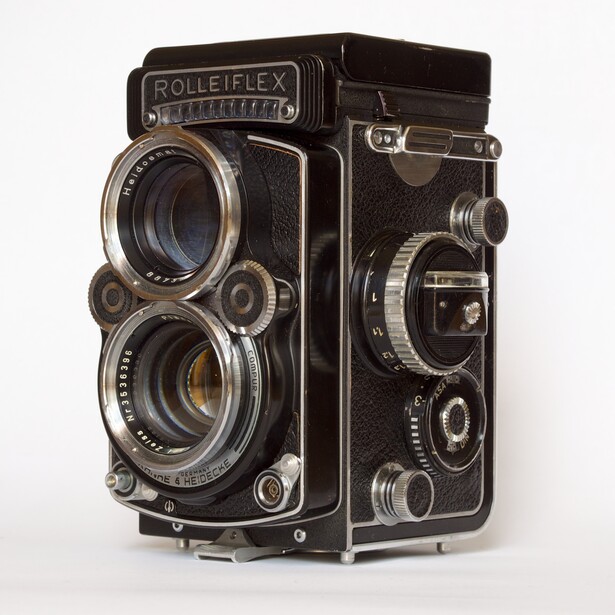
Rollei built their legendary reputation on the Rolleiflex and Rolleicord twin-lens reflex cameras that became the gold standard for medium format photography among professionals and serious amateurs from the 1920s through the 1960s. These cameras were mechanical marvels with exceptional build quality, precise German engineering, and optical excellence that made them the preferred choice for portrait photographers, fashion shooters, and anyone who needed the superior image quality that larger film formats provided over 35mm systems. The Rolleiflex especially became an icon of professional photography, instantly recognizable and respected worldwide for its reliability and image quality. Photographers like Richard Avedon, Diane Arbus, and countless others built their careers using Rollei TLR cameras that delivered consistent, professional results with a unique waist-level shooting experience that clients associated with serious, artistic photography.
However, by the late 1950s and early 1960s, the photography market was clearly shifting toward 35mm SLR cameras that offered greater versatility, lighter weight, interchangeable lenses, and easier operation for the growing number of amateur photographers entering the market. Canon, Nikon, and Pentax were building comprehensive 35mm SLR systems that provided sufficient image quality for most professional and amateur applications while being significantly more portable and affordable than medium format systems. While Rollei did enter the 35mm market with the Rollei 35 compact in 1966 and introduced the SL66 medium format SLR also in 1966, followed by 35mm SLRs in the late 1960s and 1970s, these efforts were often late to market, expensive, and less competitive than the comprehensive systems that Canon and Nikon had built around their SLR platforms. Rollei seemed unable to fully commit to 35mm SLR development with the same focus and resources they devoted to perfecting their TLR systems.
This strategic blindness wasn't just about missing a market trend: it reflected Rollei's fundamental misunderstanding of how photography was evolving from a specialized professional tool toward a more accessible, versatile medium that appealed to a broader range of users. The company had the engineering expertise, manufacturing capability, and brand prestige to create exceptional 35mm SLR cameras that could have competed directly with Canon and Nikon, but they were so committed to the technical superiority of their TLR systems that they couldn't recognize when market preferences had shifted permanently toward different priorities. By the time Rollei finally introduced competitive 35mm SLR cameras in the 1970s and 1980s, Canon and Nikon had already established dominant market positions with comprehensive lens systems, accessories, and professional support that Rollei couldn't match as a late entrant to the SLR market.
Rollei's decline was particularly tragic because their engineering excellence and optical expertise were never in question, but their late and expensive entries into competitive markets were compounded by broader business problems including overexpansion, costly production moves to Singapore, and management issues during the 1970s that led to bankruptcy. The company struggled through various ownership changes before essentially disappearing from mainstream camera manufacturing, leaving behind only their reputation for exceptional TLR cameras that are now collector's items prized for their build quality and historical significance. Today, photographers speak reverently about vintage Rolleiflex cameras (I certainly love mine), but the brand that could have been a major player in modern camera development instead became a reminder of what happens when even excellent engineering can't overcome strategic missteps and business mismanagement during critical market transitions.
3. Argus: Failing to Evolve Beyond 1930s Rangefinder Design
Argus became a significant force in the American camera market from the 1930s through the early 1950s with simple, affordable rangefinder cameras that made photography accessible to middle-class consumers who previously couldn't afford quality cameras. The Argus C3, nicknamed "the brick" for its distinctive rectangular shape and solid construction, became one of the best-selling cameras in American history and introduced millions of people to serious photography with its reliable operation, sharp lens, and reasonable price point. Argus had successfully disrupted the photography market by creating cameras that delivered good results at consumer-friendly prices, building a loyal customer base that appreciated the company's practical, no-nonsense approach to camera design. The C3 and related models weren't glamorous or innovative, but they worked reliably and produced quality photographs for families, hobbyists, and even some professional photographers who valued their dependability and affordability over more expensive German alternatives.
The critical mistake came when Argus struggled to successfully transition beyond their rangefinder formula even as the market shifted toward SLR cameras that offered superior focusing accuracy, interchangeable lenses, and more intuitive operation. The company did attempt to evolve, introducing the Argus SLR in 1960 and other models that showed awareness of changing market needs, but these efforts were poorly executed and couldn't compete effectively with the superior Japanese SLR systems that were rapidly establishing market dominance. Argus's SLR attempts suffered from inferior build quality, limited lens selections, and higher prices that negated their traditional value advantage, while companies like Canon, Nikon, and Pentax were building comprehensive SLR ecosystems that provided both superior performance and competitive pricing that undercut Argus's market position.
This strategic failure was compounded by corporate instability, including acquisition by Sylvania in 1959 and subsequent ownership changes that disrupted product development and market focus during the critical transition period when SLR technology was becoming mainstream. The company that had built success on understanding and serving American photographers apparently lost that connection during a period of corporate upheaval and management changes that prevented consistent strategic execution. SLR cameras offered significant practical advantages for amateur photographers: easier focusing, no parallax error, accurate framing through the taking lens, and the potential for interchangeable lenses that could grow with users' developing skills and interests. Argus's attempts to compete in this market were handicapped by both poor product execution and organizational instability that prevented the focused development effort needed to create competitive SLR systems.
By the mid-1960s, Argus found themselves trying to sell 1930s-style rangefinder cameras to consumers who increasingly expected SLR functionality and convenience, competing against Japanese manufacturers who had embraced SLR technology and built comprehensive systems around it. The company's market share collapsed as customers defected to Canon, Nikon, Pentax, and other brands that offered modern camera designs with features that matched contemporary photographic needs and expectations. Argus essentially disappeared from the serious camera market by the early 1970s, destroyed not by inferior engineering or manufacturing capabilities, but by their inability to recognize that successful products eventually become obsolete when market conditions and consumer preferences evolve beyond their original design parameters.
4. Yashica: Destroying Their Reputation With Cheap Consumer Cameras
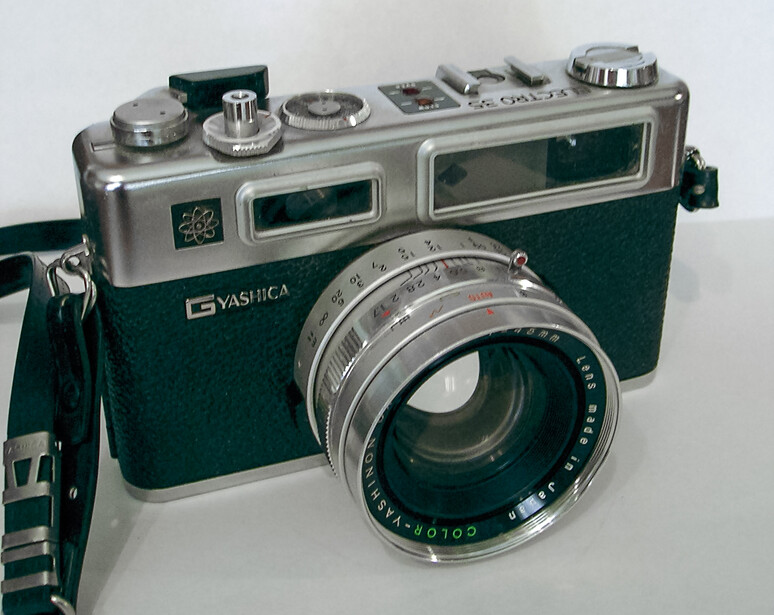
Yashica had built a solid reputation for well-made, affordable cameras that offered good performance for amateur and semi-professional photographers who couldn't afford Leica or Nikon equipment but wanted something better than basic consumer cameras. The Yashica Electro series and various SLR models were respected for their build quality, reliability, and photographic capabilities that exceeded their modest prices. Professional photographers might not have chosen Yashica as their primary camera, but they respected the brand for producing honest, capable cameras that gave good results without premium pricing. Yashica had successfully positioned themselves as the value alternative to expensive German and Japanese cameras, building customer loyalty through consistent quality and reasonable prices that made good photography accessible to budget-conscious photographers.
In the 1980s, Yashica made the fatal decision to abandon their reputation for quality in favor of competing in the cheap consumer camera market with plasticky, unreliable cameras that prioritized low prices over build quality and photographic performance. The company began producing disposable cameras, cheap point-and-shoot models, and low-end SLRs that felt flimsy, performed poorly, and failed frequently – the exact opposite of everything that had made Yashica respected among photographers who valued reliability and performance over luxury features. The results were mixed – while Yashica did produce some acclaimed cameras like the T-series compacts with Carl Zeiss lenses that were genuinely excellent, the brand's overall reputation suffered from inconsistent quality control and a confusing product lineup that ranged from cheap disposables to premium compact cameras. The company's strategy of competing across multiple price points without clear brand positioning confused customers and diluted the Yashica name's meaning in the marketplace. Photographers never knew whether a Yashica camera would be a reliable tool or a disappointing budget product, and this inconsistency gradually eroded the trust and brand loyalty that Yashica had spent decades building among budget-conscious photographers who expected reliable performance.
By the early 2000s, Yashica's inconsistent brand positioning had confused the market about what Yashica cameras represented, making it difficult for consumers to understand whether they were buying premium or budget products. When digital photography emerged, Yashica lacked the clear market position and customer loyalty needed to compete effectively in digital camera development, having spent years with an unclear brand strategy that served neither budget nor premium markets particularly well. Kyocera discontinued Yashica camera production in 2005, with the Yashica name now primarily used for licensing deals on various consumer electronics that further complicate the brand's photographic heritage. Today, vintage Yashica cameras from the company's quality era are appreciated by film photographers and collectors, but the brand that once represented affordable photographic excellence became a cautionary tale about how quickly reputation can be destroyed when companies abandon the principles that made them successful. The lesson from Yashica's failure is that competing on price alone without maintaining quality standards doesn't just fail – it actively destroys the brand equity and customer relationships that took decades to build.
5. Mamiya: Missing the Digital Medium Format Revolution
Mamiya dominated medium format photography for decades with cameras that were the gold standard for fashion, portrait, and commercial photographers who needed superior image quality and larger negatives than 35mm systems could provide. The RB67 and RZ67 systems were legendary among professional photographers for their build quality, lens selection, and image quality that exceeded 35mm systems in every measurable way. Mamiya understood medium format photography better than any competitor and had built a loyal customer base of professionals who depended on their cameras for high-end commercial work. When digital photography emerged, Mamiya should have been the obvious choice to lead digital medium format development, combining their mechanical expertise with digital sensors to create cameras that maintained medium format's image quality advantages while adding digital convenience and workflow benefits.
Instead, Mamiya struggled with their transition to digital medium format despite introducing the ZD system in 2006-2007 and partnering with digital back manufacturers like Phase One and Leaf throughout the 2000s. While Mamiya had the technical expertise and market position to lead digital medium format development, their digital efforts were inconsistent and failed to establish the market dominance they had enjoyed in film medium format. By the time newer companies like Fujifilm entered digital medium format with the GFX system in 2017 and Hasselblad revitalized their offerings with the X1D in 2016, Mamiya had lost momentum and market position to more focused competitors who built comprehensive digital medium format ecosystems from the ground up. Mamiya's digital cameras were technically competent but offered no compelling advantages over systems that had years of development advantage and established market presence.
The company that had defined medium format photography for generations found itself marginalized in the digital medium format market, eventually seeing its assets acquired by Phase One, which continues some of Mamiya's design legacy in their current medium format systems. Today, Mamiya's film cameras are collector's items prized for their build quality and optical excellence, but the brand that should have been leading digital medium format innovation instead became another casualty of inconsistent execution during a critical market transition. The irony is that current digital medium format cameras use many of the design principles and ergonomic concepts that Mamiya pioneered, but Mamiya receives none of the credit or market benefits from innovations they helped develop.
The Pattern: Success Breeds Arrogance, Arrogance Breeds Death
These seven companies shared a common fatal flaw: they became so successful with their existing strategies that they couldn't imagine circumstances where those strategies would fail. Each company had dominated their market segment for years or decades, building confidence that their understanding of customer needs and market dynamics was superior to competitors who were pursuing different approaches. This success created organizational arrogance that manifested as dismissal of new technologies, resistance to changing customer preferences, and overconfidence in strategic decisions that seemed obviously wrong in retrospect. The tragic irony is that success gave these companies the resources, market position, and customer loyalty they needed to survive technological transitions, but it also gave them the arrogance that prevented them from using those advantages effectively.
Modern camera manufacturers facing challenges from smartphone photography, artificial intelligence, and changing consumer behavior should study these failures carefully, because the same patterns of successful companies dismissing disruptive technologies are visible throughout the current photography industry. Companies that dismiss computational photography as inferior to traditional optics, ignore the growing importance of video features, or assume that camera enthusiasts will continue buying dedicated cameras regardless of smartphone capabilities are making the same fundamental mistakes that killed Kodak, Polaroid, and the others. The photography industry is currently experiencing technological changes as significant as the transition from film to digital, and the companies that survive will be those that learn from these historical failures rather than repeating them with different technologies and different excuses for maintaining unsuccessful strategies.







Join the Fstoppers community for free
-
Post comments and join in the discussions
-
Browse the site ad-free
-
Share your work and get featured in the community
-
Compete in the photo contests for fun and prizes
27 Comments
I would agree with the Mamiya observation, I loved my RZ67ProII but the transition to digital was like turning a battleship. I ended up selling the kit, buying the Canon 1D Series and have stayed with it for the past twenty plus years.
If I recall correctly Rollei and Hasselblad had an agreement to stay out of each other’s lanes, so that might’ve contributed to Rollei’s late entry into SLRs
Excellent article and summary. Disruptive technology will always be a threat to those businesses that are not willing to innovate until its too late. The companies you referenced making cameras are an excellent example of that.
While reading this article, Minolta and Vivitar came to mind.
When I first got into photography in the 1980s, Minolta and Vivitar lenses were dominating the 3rd party lens market. The shelves at the local brick and mortar camera stores were literally chock full of Vivitar and Minolta lenses.
I think Minolta got bought up by some bigger company, and their brand name has disappeared from anything that I ever view. And I have no idea what ever happened to Vivitar.
--------------- --------------- --------------- ----------------
What you say about Polaroid is interesting. Imagine the success they could have had if they had pushed hard into the digital space, and invented Instagram. Wow! They could've made cameras that were built to seamlessly share to the internet platform. The camera and the online platform they are shared to both owned and designed by the same company. And it would've been the first online sharing platform based on mobile uploading and mobile use. They would be ruling the camera world if they had been able to pull that off! Actually, not only ruling the camera world, but also ruling the social media world, as they could have done this before things like Instagram and Facebook and MySpace and YouTube even existed!
Arrogance, that one word describes Kodak to perfection. It is hard to identify another once dominant company that failed so completely.
It interests me that you speak of Kodak's problem as arrogance. What did they do, or not do, that was born out of arrogance?
I kinda see today's Canon corporation as being arrogant. But their arrogance is leading to bigger profits, at the expense of their customers. Did Kodak to similar things to what Canon has been doing over the past 25 years?
I don't think of it as arrogance either. I think of it as a company culture which underlies major decisions. A business needs to make a huge commitment in research, development, marketing and production in order to develop new products. And let's be real, a board of directors is not typically comprised of 20-somethings, so there's a natural skepticism among older and arguably wiser adults that not every new thing is worth turning the business upside down.
They made the first digital camera and simply didn't develop or market it because they wanted to preserve their film division!
I don't see that as arrogance. Arrogance has an "I am better than everybody else" quality to it, and I don't see an inability or refusal to adapt as having that type of mindset behind it. Not wanting to learn new things is not arrogance, it is simply the desire to allow one's brain and body to relax and not have to work so hard. If Kodak would have fully embraced digital, then the people running Kodak would have undoubtedly had to have worked really really hard to make all of that happen, and they probably were in a position where they weren't up for adding all of that stress to their lives. Better to just let the company go where it may, and enjoy whatever wealth they had already accumulated over the decades.
As is often said about these sort of things: "hindsight is 20/20.'" But as a business owner since the 1970s, critical decisions which impact your product line are not that easy. Being in the printing business, I know as well as anyone how technology can decimate a traditional business.
First it was the laser printer which significantly diminished the demand for custom business forms, as did PDFs and electronic billing. Then the internet came along and those customers who were buying 20,000 brochures every year started buying 5,000 every five years. Common wisdom among printers faced with extinction was that we needed to diversify into selling advertising specialties (logo imprinted items like caps and pens). But I just couldn't muster the enthusiasm for selling that stuff. It seemed to take the heart and soul out of the design work involved in printing. Maybe the board of directors at Kodak felt the same way. Undoubtedly the newspaper industry had a difficult time transitioning from paper to digital publishing.
We're faced with the same decision today that companies who relied heavily on film in the 1980s and 90s did then. Evolve and embrace AI and prepare your business for the future, or stubbornly stick with digital cameras and become roadkill of the 2030s. You see, it's easier to see with clarity the mistakes and failures of the businesses who preceeded us than to take the difficult steps of changing what we know and do well to adapt for an uncertain future. After all, AI is uncertain but there's no doubt it has the potential to eliminate the camera altogether. And what are you doing about it?
Looking back at Polaroid and other companies that passed on digital technology may seem like a stupid decision, but if digital had become a passing fad like many of us hope AI will be, then they would have been perceived as smart decisions.
The title of this article says that these businesses failed because of "stupid decisions".
I am not so sure that the decisions that led to these companies' downfalls were rooted entirely in stupidity.
Ed wrote,
" ..... but I just couldn't muster the enthusiasm for selling that stuff."
I totally get that, Ed. The goal of a business owner is not always totally straightforward, it is not always, "to do whatever I need to do to maximize profits".
Most people are not so machine-like as that. We want many different things in life, besides more money or long-continuing business operations. We want ease and comfort. We want to avoid stress and pressure. We want to feel inner fulfillment in what we do.
If the thing that a business must do in order to keep making money is stressful to the directors, or unfulfilling, or causes the executives to need to spend more time at work and less with family or recreating, then it is not stupid for the people running the business to shy away from doing those things. What is in the business' best interest is not always in the business owner's best interest.
If people become comfortable doing business in a certain way, and then things change and they need to do things a whole new way in order to keep the business at the top, it is not stupid if they choose not to do those new things, so that they can have less stress and less pressure and spend more time doing non-work things. So I don't think that Polaroid was stupid for allowing their business to fade away. I am sure that the owners and top people at Polaroid made out quite well and had plenty of money for a comfortable retirement. Undoubtedly, their lives were actually better because they withdrew from the stress and pressure of running a business in order to be able to leisurely read a newspaper on their deck as they sip coffee, and then take another nap after that. Heck, that sounds a lot nicer than having to have difficult conversations with department heads, crunch numbers, respond to a civil suit, etc., etc., etc.
Likewise, I applaud you for allowing your business to downsize and eventually fade away when things changed, instead of changing with the times and insisting on keeping your business relevant and profitable. The things you are doing with your life now are so much more enjoyable than working hard to operate a business.
Heck, after writing out these thoughts, I am beginning to think that the people who are making the stupid decisions are the ones who are pushing themselves hard to keep making money at these big businesses. Their lives would all be better if they just let the businesses fade away and spent their time doing enjoyable things instead of facing that horrible grind every day.
Maximizing profits seems to be the top priority for publicly traded companies responsible to shareholders. And that's what gets the most press coverage. Apple or Microsoft's profit increasing by billions of dollars but coming up short of analysts forecasts by 1%, and investors make it seem like the world is coming to an end. But CNN headlines are not necessarily telling the whole story.
You are so right... beholden to shareholders can be like living in prison. Most self-employed people recognize that becoming totally dependent on outside forces, whether it's the newest trend, investors, or a demanding customer, is like having a job working for someone else. So naturally we resist what other people, which sometimes include market forces, are telling us to do.
You are right too... that strategic business decisions have a huge impact and influence on emotions and lifestyle. I haven't had a day of real stress since I sold my business nearly ten years ago. I do what work I determine to be fun, and there are enough opportunities to stay busy and still have time for an afternoon nap. In fact, since I still sell a bit of nature photography, hanging out in the mountains, desert, or even the local botanical garden all afternoon fits my purpose and desire to work in some way just fine. On the flip side, we haven't bought a new car in more than ten years, or vacationed in the Caribbean since then either, but it's not worth the trade off of having to do stuff that you hate doing for the sake of earning money. Life is too short. I wake up most mornings and realize my knees, joints and overall body parts are 71 and not so young anymore. Make it fun and you'll probably live longer and healthier.
Ed wrote:
" ..... it's not worth the trade off of having to do stuff that you hate doing for the sake of earning money"
Best thing I have read on this website in ..... maybe forever!
As I'm writing this, I'm thinking of how photographers, especially those in the landscape genre, are having to make decisions which enable them to work full time doing that and pay the bills. Many of them are trying to monetize every aspect of their work. Express an idea or photography tip on social media, make a YouTube channel... and monetize that somehow from getting followers. Come up with a few simple Photoshop adjustments and sell them as presets. Post a gazillion pictures to iStock photo and make a few cents on each sale. Want to take a trip to Costa Rica? Hmmm.... bring a few other people, call it a workshop, and they pay you for it.
It all sounds so dreadful to me that I can't imagine doing any of that, but then I can afford to sit here writing comments on Fstoppers and not worry about how to pay the rent. That certainly wasn't the case 30 years ago. Since the word arrogance has been mentioned a couple times, maybe I deserve being called arrogant. No, I'm simply making choices that serve my needs and purpose, at my particular stage in life, and they may be different from those of other individuals and businesses under different circumstances. I would not presume to call someone else arrogant, at least until I was a fly on the wall listening in on those board meetings. I don't believe that most decisions, at the time they're made, are stupid or arrogant. Marie Antoinette may not have even been as arrogant as widely considered.
Ed wrote:
"It all sounds so dreadful to me that I can't imagine doing any of that"
I feel exactly the same way.
All of those things that landscape photographers do to try to get money - they sound absolutely dreadful to me, too. Like I would rather just not even exist than have to do those things. It's like somehow they are programmed to think that they have to earn money, earn money, earn money ...... and they never stop to think about what is the point of even being alive if the things you are doing are not enjoyable. Imagine having to write emails to companies trying to persuade them to sponsor a YouTube video. Dang - it would be better to just be dead than to have to spend one's hours doing those kinds of things.
One last thought before I go take a nap...
You said: "Their lives would all be better if they just let the businesses fade away and spent their time doing enjoyable things instead of facing that horrible grind every day."
We can't make that assumption about other people any more than they can make assumptions about us. Some people do get the greatest satisfaction in life out of making money. Lots of it. And spending it on all sorts of exotic things that only the rich can think of.
I have a book called '"The E Myth Revisited" which is a book about why businesses fail. I probably read it 30 years ago, although from a different perspective than now. But it was mentioned recently in a newspaper column by Dave Ramsey, the get-out-of-debt guy, as worthwhile reading for any small business owner. The book in summary expressed the importance of separating personal desires and habits from those necessary to succeed in business. And its final point is that we should only be starting a business for one reason... and that is to make a large sum of money from eventually selling the business.
Hmmm.... granted, I ended up selling my business, but for only enough to pay off the mortgage and get totally out of debt. No great fortune there. And the idea that I would start a business which prioritized numbers on a spreadsheet more than anything else seems incredulous. Working decades required great pride and satisfaction from doing the work. A profit statement on paper could never have solely provided the motivation to get up in the morning and go to work. But my point is that money alone does provide that motivation for some people, as expressed in the book I read and undoubtedly embraced by many of its readers.
Kodak didn't fail because their upper management was spending too much time away from the office "relaxing with family and friends". If anything it was the exact opposite. They were so dedicated to making money any way they could that (including dedicating many resources to the Eastman Chemical Division that produced many chemicals that weren't directly related to production of photo chemicals) that they failed to spend enough time relaxing with family and friends and seeing how the advent of compact digital cameras with "unlimited film" and no development cost was revolutionizing the way consumers (as opposed to high end photo and graphic professionals) were welcoming being liberated from a "per shot" cost to take casual photos.
I don't think Rollei died solely because of 35mm. Mamiya, Pentax etc. made medium format cameras after the early 60s. Rollei failed to make medium format cameras in the same kind of designs as other makers. Failure to make 35mm in an SLR design early on was one part of it.
This reminds me of similar examples in my MBA program. Hindsight is 20-20 and a bummer.
I was thinking of the same thing. Kodak is what appears to be a classic business school case study. Did their CEO really say "how can we stop this digital thing?"
Would that be a lot different than "How can we stop this AI thing?"
Yes, very different. Let me know when a bride says "I don't need a photographer. I'll just create AI images of my wedding."
Next up: Pentax, unless they somehow introduce a line of mirrorless cameras and lenses that are competitive with the existing brands and products.
Right...
But would it really be one single "stupid" decision that led to Pentax's demise? Or would it be a series of poor decisions over the course of many years?
I am struggling with the wording of this title, as I think it is a bit too shallow and does not accurately describe the reason that these companies have done so poorly.
I would add to this list, Minolta. In the 60s, I bought an SRT101, learned how to roll my own film, and wore out the camera. I bought another one, and a SRT102. The lenses were sharp, affordable, and offered a wide range of focal lengths. They were, IMHO, the go-to camera for upcoming photographers as the cameras had a built in light meter. Minolta sold film cameras well up into the upcoming digital age. Yet, to my knowledge, they never offered a digital camera. I would have bought one. Their glass was excellent, and I believe that it was used by Nikon. They did branch off into copiers and were later bought out by Konica, another camera company. Now the name only seems to exist as Konica-Minolta.
Vivitar...inexpensive lenses, a wide range of focal lengths, and sold in every camera store. In the back of photography magazines, you could see long lists of Vivitar lenses being sold. I inherited some from my dad as they had adapters to fit just about every brand out on the market.
Polaroid products were used not only by amateurs but also by professionals from the small instapacks on the back of 4x5s all the way up to the 8x10 Polaroids. I had a Polaroid 4x5 in my case in the 60s when I was in the military, and all the way up through the late 70s in my photography career. The one that was innovative was the 4x5 that offered a negative as well as a positive, that you dipped into a solution to preserve it. Many of my Polaroids I shot in Vietnam for fun, are just as crisp and colorful as the day I shot them, as they are stored properly. As innovative as Poloroid was with film, they could have set the bar for digital imaging, but didn't see the coming revolution.
Yes, agreed. I discussed Minolta and Vivitar in comment #4.
Minolta offered the first mass-produced autofocus SLR, called the Maxxum.
They knocked it out of the park. Sufficiently so to garner attention that it did NOT want.
Exxon sued them for the crossed double "X" in the Maxxum name. They settled that one. Which is why only the oldest film cameras had the crossed X's.
Then, Honeywell got to digging and decided that Minolta had stolen their phase-detection autofocus technology, and sued. Minolta lost this one, badly. The treble damages gutted the company's finances.
While they were at trial, they introduced digital SLR's. First the D7, and then the D5. They were on the way for launching the D9 when Honeywell won. They sputtered around for a while. Then sold the entire camera division to Sony, who branded it as the Alpha line.
Put a Sony A900 next to a Minolta D7.
The A900 is the D9 with a Sony "sticker" on it.