Light doesn’t just make an image; it shapes it. Shade and balance can be the difference between a flat photo and one that feels alive. When you think about your next outing, consider how you’re letting the environment work for you, not just what your camera can record.
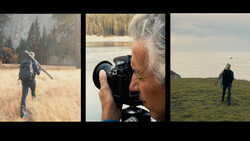
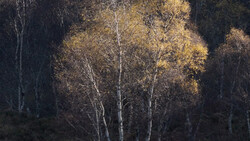
Coming to you from William Patino, this thoughtful video highlights why shade is as critical as light. Patino explains that too much even light can wash out a scene, while pockets of shade give structure and help lead the eye. In forest settings especially, shade becomes the secret ingredient. By embracing darker areas as much as bright ones, you can build compositions that naturally direct attention where you want it. This focus on shade isn’t about gear or settings; it’s about training your vision in the field.
Patino also stresses the importance of leaving expectations behind. Inspiration is valuable, but walking into a scene with a fixed image in mind can limit what you notice. Instead of chasing an imagined shot, Patino suggests letting the light guide your movement. In the forest, the play of light and shadow can pull you toward a composition you wouldn’t have planned in advance. Observing shapes and balance as they reveal themselves in real time opens up more creative potential than following a rigid template.
Another point he shares is about composition itself. Patino compares it to a seesaw, where the fulcrum acts as your focal point. Weight distribution matters: if one side of the frame feels too heavy, the balance breaks and the eye drifts away. By counterbalancing subjects, such as placing stones or foliage opposite a strong tree or river element, you create harmony that draws attention back to the subject. Instead of obsessing over the rule of thirds, Patino encourages you to think simply in terms of balance.
Patino closes by encouraging you to let go of strict plans. Instead of racing toward a set location at a set time, he advises following curiosity. Some of his best images, he says, came from abandoning his first plan entirely. This freedom allows you to slip into a flow state, where you stop overthinking and start creating. In that state, images almost make themselves, surprising you later when you look back at the results. Check out the video above for the full rundown from Patino.
And if you really want to dive into landscape photography, check out our latest tutorial, "Photographing the World: Japan II - Discovering Hidden Gems with Elia Locardi!”
Join the Fstoppers community for free
-
Post comments and join in the discussions
-
Browse the site ad-free
-
Share your work and get featured in the community
-
Compete in the photo contests for fun and prizes
No comments yet