
Some people might totally disagree with me on this one. Many photographers will say that upgrading your equipment, traveling farther, or chasing the perfect light is what pushes your work forward. I don’t believe that anymore. The biggest improvement in my photography didn’t come from buying new gear or visiting remote locations — it came from a simple habit: regularly returning to a familiar place to practice.
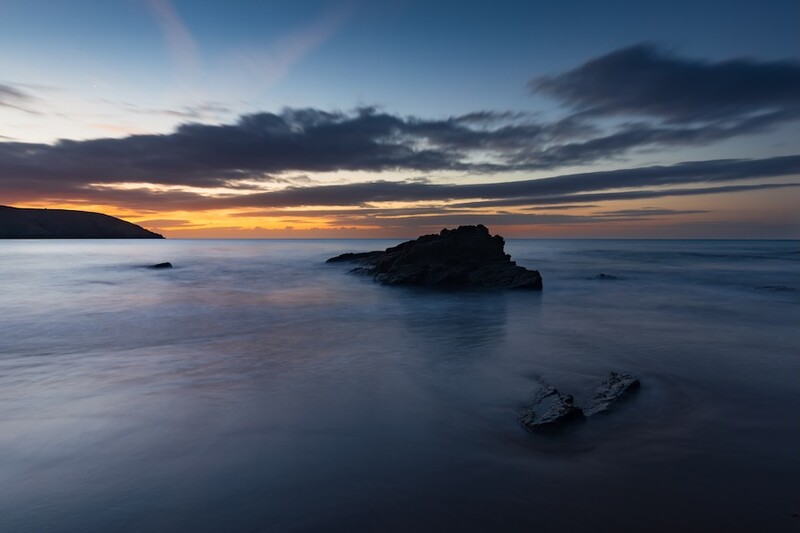
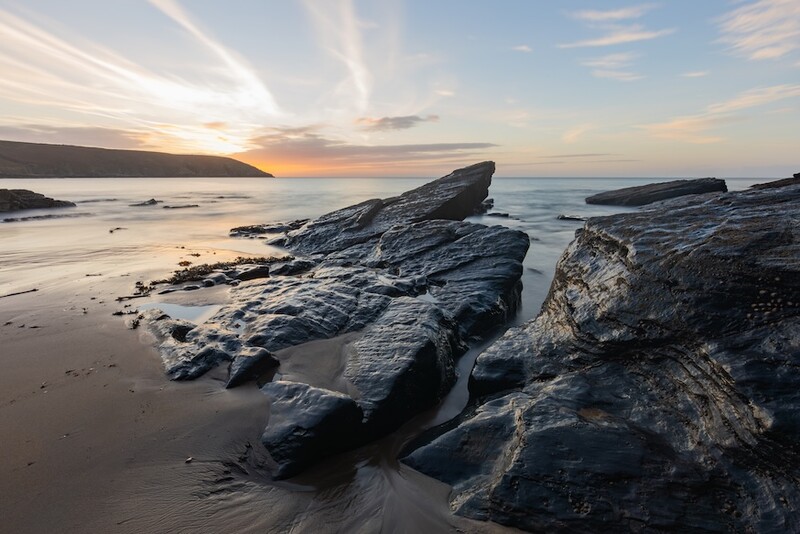
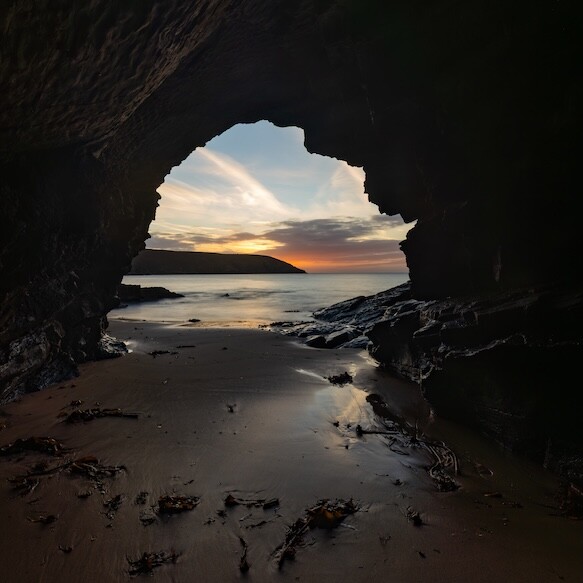
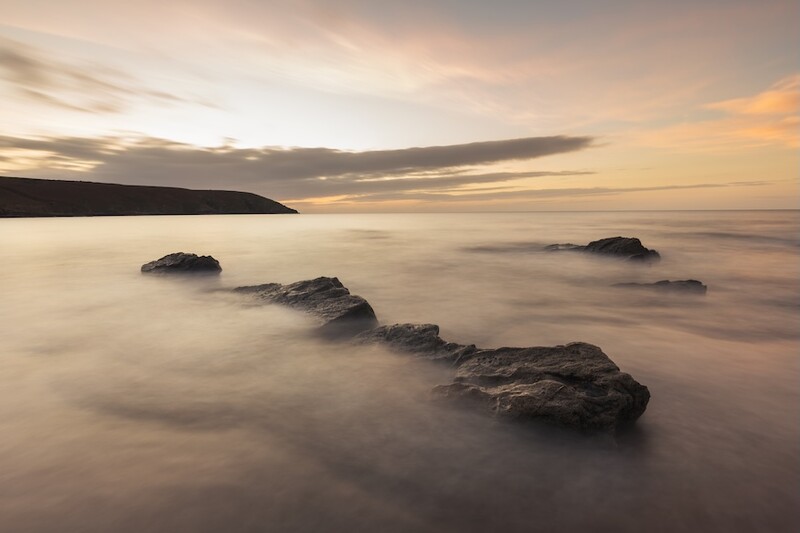
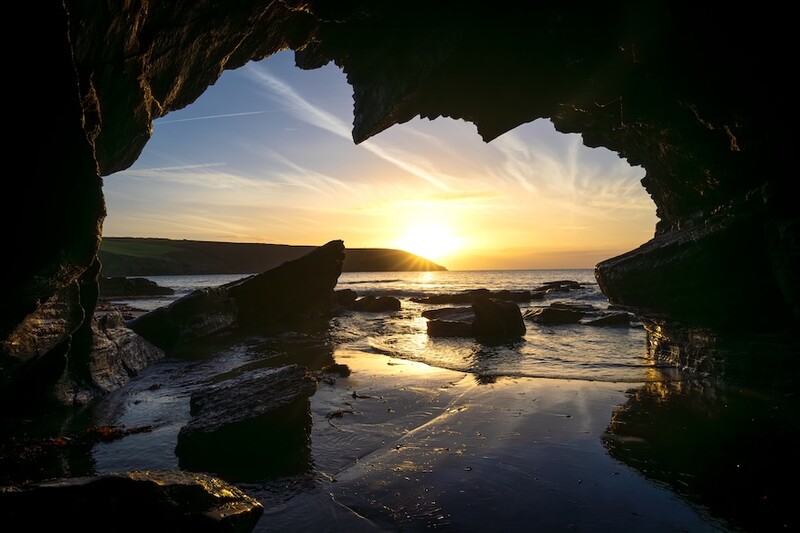
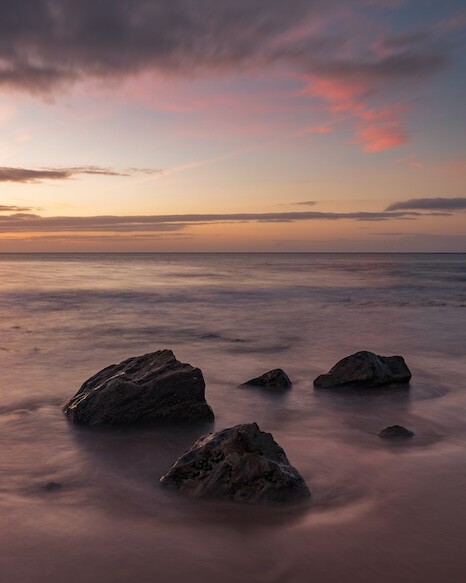
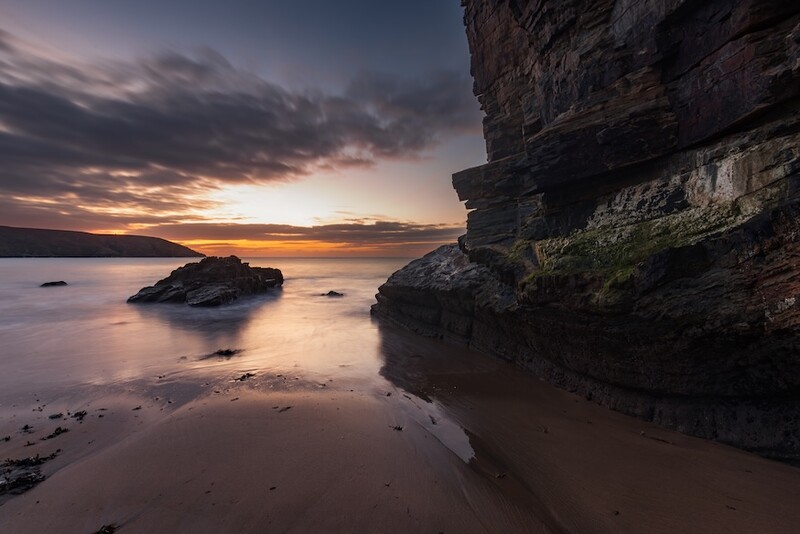
It sounds almost too basic to matter, but over time, this one change reshaped how I shoot, how I see, and how I learn. All of the images shared in this article were photographed on the same morning.
The Value of Consistency
Photography often rewards patience and repetition more than novelty. The more time you spend behind the camera, the more instinctive your decision-making becomes — but only if you’re deliberate about it.
When you revisit a location often, you remove the uncertainty that comes with somewhere new. You already know where the light falls, how the environment reacts to weather, and what compositions tend to work. That frees you up to focus on refining the details — exposure, timing, and control.
The act of going out regularly, even when the light looks poor or you don’t expect much, builds consistency. It develops discipline. You start making small improvements every time you go out, and those small improvements compound faster than any camera upgrade ever could.
The Habit That Changes Everything
This habit doesn’t need to be complex. It simply means choosing a location close to home — somewhere you can visit often without overthinking it. It might be a stretch of coastline, a forest trail, a nearby lake, or even a local park. The key is accessibility.
When you remove barriers to getting out, you start shooting more. And the more you shoot, the more your instincts sharpen.
This approach has another advantage — you stop relying on rare conditions to create good images. Instead, you start finding ways to make interesting photographs in ordinary conditions. That mindset shift is one of the biggest leaps you can make as a landscape photographer.
Familiarity as a Learning Tool
Knowing an area well changes how you see it. At first, you might think you’ve photographed it from every angle, but over time you realize that familiarity reveals rather than limits.
You start to notice subtleties — small shifts in color before sunrise, how fog collects in a certain hollow, or how a rock catches the first light of the day. These details become part of your understanding of light and timing.
When you know a location inside out, you can anticipate how it might look under new conditions — and that anticipation leads to better planning and stronger images.
This is the kind of learning no tutorial or gear review can replace.
Practicing with Intent
Each visit to your local spot can have a purpose. One day you might work on composition, the next on exposure control or long exposure technique. When you know the layout of a place, you can isolate one aspect of photography to work on without distraction.
It’s structured practice, much like a musician running scales or an athlete repeating a drill. You’re training your eye and refining your reactions.
This kind of intentional repetition builds confidence. You stop second-guessing yourself and start working with precision. When you do travel or photograph unfamiliar places, that practice pays off — you react faster, compose better, and make cleaner decisions.
Seeing Beyond the Obvious
The first time you visit a location, you see what everyone else sees — the big views and clear compositions. But on the tenth or twentieth visit, you start seeing what most people miss.
You begin to notice how a small patch of light moves across the ground, how textures reveal themselves at low tide, or how cloud movement changes the balance of a composition.
This deeper observation is where creative growth happens. It’s not about finding a “new” subject; it’s about seeing a familiar one with fresh eyes.
This kind of vision only develops through repeated experience.
Using Local Places as a Testing Ground
Your local area is also the best place to test new ideas and gear.
Whether it’s experimenting with filters, exposure bracketing, handheld compositions, or trying a new lens, doing it close to home makes sense. You remove the pressure to succeed, which makes learning more effective.
If something doesn’t work, you can return easily and try again. You’re not wasting travel time or relying on one chance. That freedom to fail safely accelerates progress.
You also start to understand your tools more deeply. You know exactly how your camera behaves in low light, how your tripod handles soft ground, or how a particular lens flares in strong sun.
When you’re familiar with your tools, you stop thinking about them. That’s when creativity starts to flow.
Building Long-Term Projects
Shooting one location repeatedly naturally builds a body of work. Over time, you end up with a visual record that shows how a place changes — with light, tide, season, and weather.
These collections often become some of the most meaningful projects you’ll ever create because they reflect patience and attention rather than chance.
They also teach you to think in series rather than single images — a skill that’s valuable when developing cohesive portfolios, exhibitions, or books.
Overcoming the Need for “Perfect” Conditions
One of the biggest misconceptions in landscape photography is that great images require great conditions. While dramatic light and weather help, they’re not essential.
Working a familiar location teaches you to make strong images regardless of conditions. Overcast, rain, or dull light all become opportunities to experiment with tone, texture, or atmosphere.
You stop waiting for ideal light and start using whatever light you have. That adaptability separates photographers who make consistent work from those who only succeed occasionally.
Finding Your Own Place
If you don’t already have a local spot, finding one is straightforward. Look for somewhere that’s within easy reach and has enough variation to keep you interested. It doesn’t have to be grand or remote — sometimes the simplest places are the best teachers.
Visit at different times of day, across seasons, and in all types of weather. You’ll start to see patterns — how fog rolls in, how reflections change with tide, how the light direction alters color.
Over time, you’ll know exactly when and how to be there for the conditions you want. That level of connection comes only through experience.
The Mindset Shift
The real value in this habit isn’t just about skill; it’s about mindset.
By returning to a familiar location often, you learn patience. You stop chasing perfection and start working with what’s in front of you. You realize that photography isn’t about being in the right place at the right time — it’s about being ready wherever you are.
That readiness, built through consistent practice, is what leads to genuine improvement.
Finally
I’ve owned many cameras and lenses over the years. Some were great, some just okay, but none of them changed how I see the landscape as much as the simple act of showing up regularly with intent.
The truth is, gear improves what you can capture; habit improves how you see.
So if you’re looking to get better, find that spot close to home. Visit it in all kinds of light, in every season, and especially when you don’t feel like it. Let it become your training ground — a place where you can make mistakes, learn from them, and build consistency.
You’ll soon realize that progress in photography isn’t measured by distance traveled or equipment owned. It’s measured by how often you get out and how deeply you engage with the places you already have.
This simple habit has improved my photography more than any new gear ever could — and it might do the same for you.
Have you already found your proving ground? Let’s continue the conversation in the comments below.

Join the Fstoppers community for free
-
Post comments and join in the discussions
-
Browse the site ad-free
-
Share your work and get featured in the community
-
Compete in the photo contests for fun and prizes
5 Comments
I could not agree more with the wisdom expressed in this article. We are fortunate to live in a rich natural environment sandwiched between Arches National Park about a hundred miles to the west and Rocky Mountains just to the east. Of course the point of returning to the same spot is not to simply stand in your own footprints and aim your camera in the same direction, but to practice looking for different subjects and arrangement of elements. The way you place the pieces of a picture together is an especially important skill for new photographers to learn. Quite often I bring just one lens, perhaps a macro instead of a long zoom, and turn my attention to what's under foot instead of the grand landscape.
Even without stunning landscapes minutes from your home, you can practice the same principles about anywhere. I've taken to visiting our local botanical garden about once every two or three weeks, and found the same thing... shooting regularly inspires a whole new way of seeing subjects that previously appeared to look all the same. One afternoon, the ventilation system had been turned off and the humidity built up like summer in Florida. With eyeglasses and camera lens fogging up, I though at first I might as well pack it in and go home. Then the idea hit me... soft focus. So I think you've given excellent advice, Darren. Forget the idea that fancy new camera gear or traveling half-way around the planet is essential for creating great images. If that's fun for you, as the feel of adventure from traveling is for many people, fine, but it's not a critical ingredient for improving your craft as a photographer.
Thanks a million, glad you enjoyed the article and it’s very interesting to read your approach with just one lens! You have some gorgeous shots there 👏👏
My favorite places and bridges but I love using different lens such as my 24mm. I been stop chasing new gear since I like the gear I got. I do have a filter on the 24mm CPL which works well. I only thing I remember chasing was just little me resolution. The Canon EOS 90D gave me that.
At times it can seem that gear is the solution for sure but glad you have managed to curtail the GAS, thanks for sharing those stunning shots too