The Fujifilm GFX50S II can turn a familiar coastal village into something sharp, calm, and deliberate at blue hour. When light and artificial glow have to balance perfectly, small decisions with lens choice and composition carry real weight.
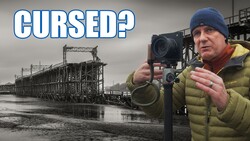
Coming to you from Jason Friend Photography, this thoughtful video follows Friend as he works in Staithes with the Fujifilm GFX50S II and a small set of lenses. He starts with the Fujifilm GF 35-70mm f/4.5-5.6 WR, then switches to the Fujifilm GF 23mm f/4 R LM WR to widen the scene. You watch him wrestle with foreground growth, distortion from the wide angle, and the natural tilt that creeps into buildings when the camera isn’t perfectly level. Instead of accepting it, he lowers the tripod, shifts position, and keeps the lens more parallel to the village. That subtle physical adjustment reduces the need for heavy correction later. He also plans for a 3:2 crop to suit calendar prints, leaving space for perspective control in post without sacrificing too many pixels.
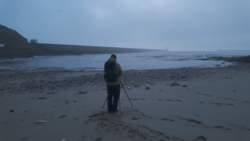
You see how he defines the shot before the light is ready. The river leads through the frame, buildings stack on both sides, and the sky waits for that deep blue. Friend is clear about the timing: the sweet spot hits when artificial lights and ambient light feel evenly matched. Expose too early and the scene feels flat. Wait too long and the lamps overpower the sky. Around 30 seconds at roughly f/9, you’re often in the right zone. That practical benchmark gives you something concrete to test rather than guessing in the dark. He’s honest about the limitations too. Not enough interior lights switch on in the houses, which changes the mood and forces you to accept what the location gives on that particular night.
As darkness builds, he switches lenses again, trying a tighter perspective. He doesn’t use it for close-ups but for reach and the brighter f/2.8 aperture. Manual focus in near darkness slows the process, and you see him double-check sharpness on a boat under street lamps. ISO 400, around 20 seconds, and a square crop reshape the scene into something more intimate. There’s a brief adjustment when the exposure runs a stop hot, likely from working quickly with manual controls, and he corrects without overthinking. The result is different from the wide village view. Tighter, calmer, more about a single subject under controlled light.
What stands out is restraint. He doesn’t chase dozens of frames. He waits. He watches the street lamps flick on. He accepts that blue hour is short and that two or three strong images are a success. You also get a reminder that even a well-photographed location can feel new under different conditions. Clear skies help, but he points out that even after rain, you still get that band of blue if you time it right. There’s also a quiet lesson here about knowing when blue hour has tipped into night, when the glow turns harsh and the mood slips away. Check out the video above for the full rundown from Friend.




Join the Fstoppers community for free
-
Post comments and join in the discussions
-
Browse the site ad-free
-
Share your work and get featured in the community
-
Compete in the photo contests for fun and prizes
1 Comment
I enjoy twilight photography, especially during the summer when it's not so damn cold. Jason is right about the window of opportunity which balances light in the sky with city lights. A few minutes is about all you have after enough lights in the buildings come on, and there's still some light in the sky. Of course you can composite two images made an hour or so apart.