The Fujifilm GFX100RF pairs a 100-megapixel medium format sensor with a fixed 35mm f/4 lens, and that single design choice shapes everything. If you care about detail, portability, and focal length discipline, this camera forces decisions that may sharpen your work or frustrate it.
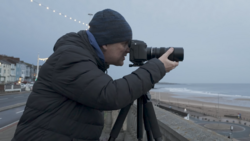
Coming to you from Jason Friend Photography, this thoughtful video takes a hard look at the Fujifilm GFX100RF after six months of real use. Friend shoots it at Dunstan Staiths and quickly runs into the core tension: 28mm full frame equivalent is sometimes perfect and sometimes too wide. You cannot swap lenses. You can crop, of course, and with 100 megapixels you have room to spare, but every crop chips away at the headline feature you paid for. That tradeoff hangs over many of the images he makes.
He shows how cropping to simulate tighter focal lengths works in practice. Move from the native 35mm to the digital 63mm setting and you land near a 50mm full-frame equivalent. The composition improves. The framing feels right. But the medium format sensor effectively shrinks toward APS-C territory. At that point, you have to ask yourself a blunt question: why carry a $4,000-plus medium format camera to shoot what a smaller, cheaper body can handle with ease? That tension is real, and Friend does not dodge it.
File quality is where the GFX100RF pushes back. The detail is immense. You see it in railings, textures, distant structures. The 16-bit raw files hold color and tone with impressive flexibility. That freedom in post comes at a cost. Large files slow down even a well-spec’d MacBook Pro when edits get heavy in Lightroom or Photoshop. Storage disappears quickly if you shoot in volume. If you tend to fire hundreds of frames in a day, expect to budget for fast drives and patience.
Color is a strong point. Fujifilm’s color science carries over here, and muted scenes still have depth. Subtle yellows and cool blues respond well to adjustment without breaking apart. Friend leans into that when composing around staircases and steel structures, often planning for black and white, then reconsidering once he sees the files. The dedicated aspect ratio dial adds another layer. The 65:24 panoramic mode, inspired by the XPan format, encourages wide compositions straight out of camera. It feels intentional rather than gimmicky.
Portability matters more than specs suggest. Despite the sensor size, the body is compact and light enough for hikes and camping trips. It slips into a bag without dominating it. People rarely notice you are holding a medium format camera. That changes how freely you move. Friend points out that when the 28mm equivalent fits the scene, the results are hard to fault.
Then there is the workaround. By adding the Ricoh GW-4 Wide Conversion Lens, he pushes the field of view to roughly 21mm full frame equivalent. That single accessory shifts the camera into a different category for landscape work. It is not interchangeable-lens flexibility, but it expands creative options in a meaningful way, especially if 21mm is a favorite focal length.
Friend also compares it to his Sony a7C and Fujifilm GFX50S, both more flexible in different ways. That comparison frames the GFX100RF not as a universal tool, but as a specialist you bring when you know the focal length will sing. Check out the video above for the full rundown from Friend.




Join the Fstoppers community for free
-
Post comments and join in the discussions
-
Browse the site ad-free
-
Share your work and get featured in the community
-
Compete in the photo contests for fun and prizes
No comments yet