
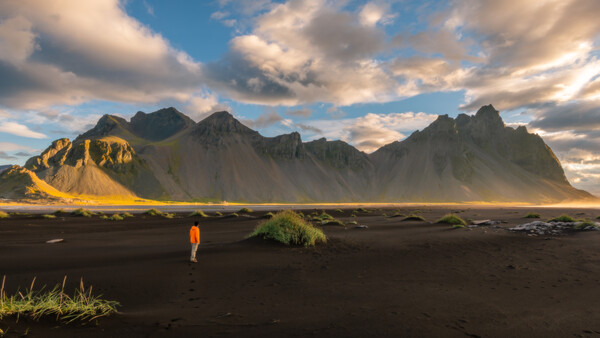
Strategically placing people in landscape photos can create deeper emotional connections, but it also comes with surprising risks when using this powerful technique.
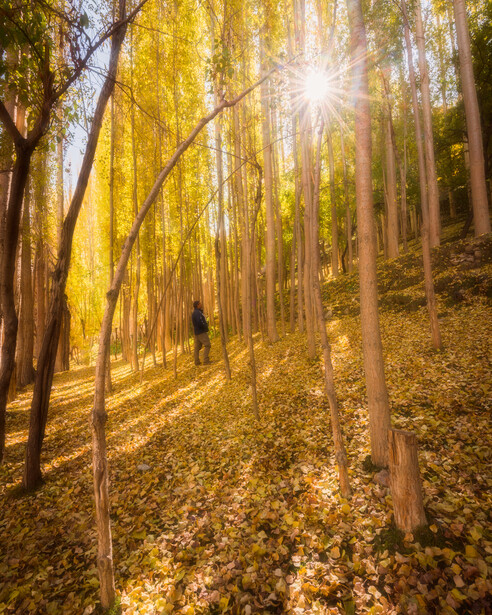
As landscape photographers, our primary goal is typically to capture pristine wilderness, often without including human elements or structures such as buildings. However, occasionally including a human can actually deepen our connection with the natural world, rather than weaken it. This isn’t just about showcasing travels or creating Instagram-worthy content, but about transforming a photograph from mere documentation into something profoundly moving.
Four Compelling Reasons To Include Human Elements
Here are four reasons why you should sometimes aim to stand in your own photos, or ask someone to be in them in a way that adds meaning to the image.
1. Show True Scale
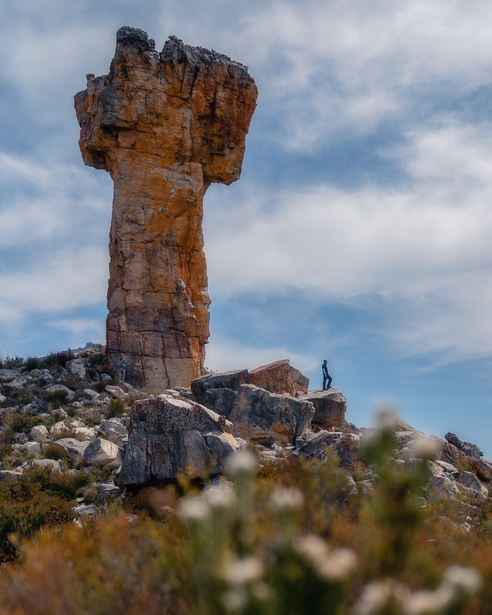
The grandeur of natural wonders or the vastness of a landscape can sometimes be lost when transitioning from three-dimensional reality to flat images. For instance, a mountain or a rock formation might seem modest in a photograph until a figure in front of it provides a sense of its monumental height.
2. Foster Universal Connection
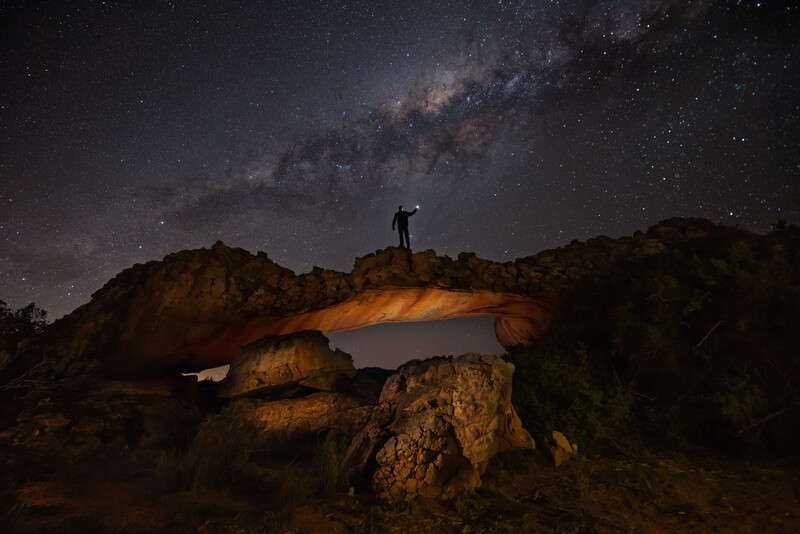
Imagine someone standing beneath the Milky Way’s cosmic display. Suddenly, the scene becomes about more than just stellar photography; it reminds us that we are on a small planet within an infinite universe, evoking a greater sense of belonging.
3. Offer Compositional Anchors
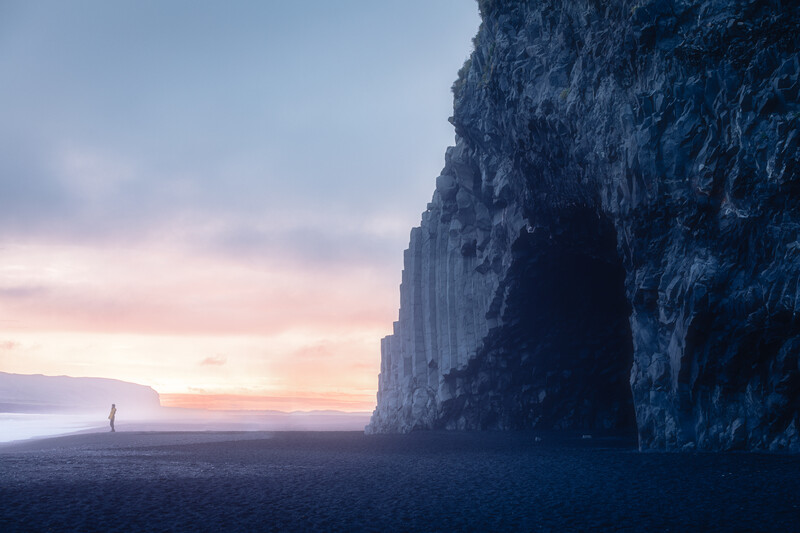
A strategically placed figure guides viewers’ eyes into the frame. They can balance compositions, break up vast negative spaces, or serve as counterpoints to dominant natural features.
4. Build Emotional Bridges
A lone figure not only occupies space but also helps viewers instinctively imagine themselves in that situation—feeling the wind, hearing the silence, or experiencing the moment. This transforms a passive observation of the photograph into an emotional engagement.
The Risks or Downside of Human Elements
Including people in dramatic locations often leads to increased foot traffic as viewers aim to recreate these iconic shots. This also leads to damage to fragile ecosystems and diminishes the wilderness experience. Additionally, some photographers and their subjects ignore safety regulations and restricted zones to capture the perfect shot.
There’s also the perception issue. A photographer I met in Rome challenged my intentions, insisting I was simply another “influencer” using dramatic backdrops for self-promotion. While this was hurtful, it highlighted how easily meaningful artistic intent can be misunderstood as commercial opportunism in our social media–driven world.
Finding Balance
As photographers, we should always make responsible and deliberate choices. Ask yourself: Does including a human element serve the landscape’s story, or does it serve your ego? Will this image inspire deeper appreciation for nature, or just social media engagement? Choose wisely, and remember: the landscape should always remain the star of the show.




Join the Fstoppers community for free
-
Post comments and join in the discussions
-
Browse the site ad-free
-
Share your work and get featured in the community
-
Compete in the photo contests for fun and prizes
No comments yet