Light can make or break a portrait. You can have the best camera and lens, but if you don’t understand how light behaves, your images will always feel flat or harsh. The secret isn’t in power settings or expensive gear. It’s in one simple principle that affects every frame you shoot.
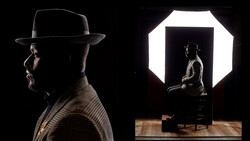
Coming to you from Martin Castein, this insightful video breaks down why light distance is the most overlooked but powerful tool in portrait lighting. Castein shows how small shifts in position—sometimes just a few feet—can completely change the mood of an image. When the light is close, it drops off quickly, creating dramatic shadows and tight contrast. That quick falloff gives the shot its intensity. When the light is pulled back and the power adjusted, the difference is striking. The light spreads more evenly, softening shadows and revealing detail in the background. The principle stays the same no matter what modifier you use. Once you grasp how distance controls falloff, you can predict how the light will shape your subject before you even pick up the camera.
Castein also demonstrates how light angle interacts with distance. Short lighting, where the light hits the side of the face turned away from the camera, creates an entirely different mood from front or side lighting, even at the same distance. What matters is where the light lands, not just how bright it is. By moving his softbox around and changing the model’s pose, Castein shows that control over light comes from intent, not randomness. The distance sets the mood; the angle fine-tunes it. He emphasizes that many people make the mistake of keeping their modifier in one position for an entire shoot, never realizing how much more dimension they could get by adjusting its placement.
The medium distance setup is where most portraits find balance. Castein places his light roughly 7 to 9 feet away, producing gentle contrast and even coverage from head to torso. The subject and background both stay visible, giving a polished, professional feel without harsh transitions. This is the setup you can rely on when you need consistency, such as for headshots, corporate portraits, or any shoot where your subject moves naturally. The light is forgiving, allowing motion without constant tweaks. He also explains how moving the light farther back can create a classical look, especially when paired with techniques like wall bounce using a speedlight.
The key takeaway isn’t that you need more equipment. Castein points out that you don’t need a pile of modifiers to master lighting. You just need to understand the one you have and use distance as your main tool. Everything else builds on that foundation. He finishes by linking light control to editing, showing how thoughtful post-processing complements intentional lighting. Editing helps shape the mood and remove the artificial look that comes from unbalanced flash, but the groundwork is done in camera by understanding light behavior. Check out the video above for the full rundown from Castein.
If you would like to continue learning about how to light a portrait, be sure to check out "Illuminating The Face: Lighting for Headshots and Portraits With Peter Hurley!"



Join the Fstoppers community for free
-
Post comments and join in the discussions
-
Browse the site ad-free
-
Share your work and get featured in the community
-
Compete in the photo contests for fun and prizes
No comments yet