
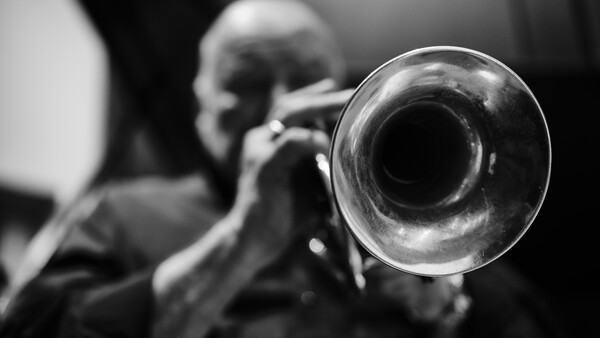
The term "concert photography" usually conjures images of giant arenas, massive stages, multitudes of lights, fog machines, screens, and photographers hauling massive lenses and cameras about as they make their way around the stage and crowd. However, as a musician and photographer based in New York, I work in jazz clubs, dive bars, and other small venues around town. Capturing genuine moments in these venues requires a very different skill set, and in this article I will detail some tips to help you take great photos in your own neighborhood haunt.
1. Master the Art of Being Unseen
Your greatest superpower is the ability to become unseen while putting yourself in the exact spot needed to get the perfect shot. This generally means that you must get close to the stage, if there is one, in order to capture compelling images. However, the last thing you want to do is be obtrusive, disturb other club-goers, or, worse yet, be a distraction to the musicians. The key is to stealthily make your way through the crowd and find a corner or a nook near the stage where you can place yourself to get a great shot. In a jazz venue, I make my way through the crowd only in between songs, and stay in one spot capturing images and enjoying the music. The last thing you want to do is lumber about the venue, stand in front of people, or block someone's view from your spot.
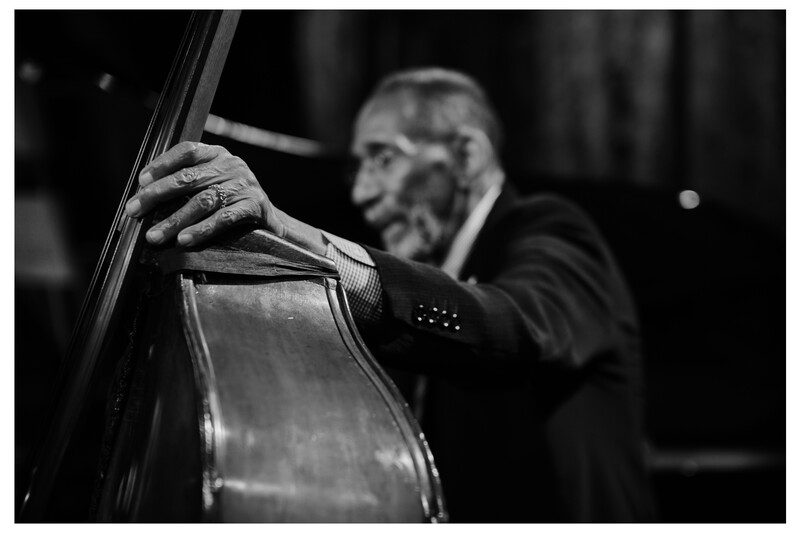
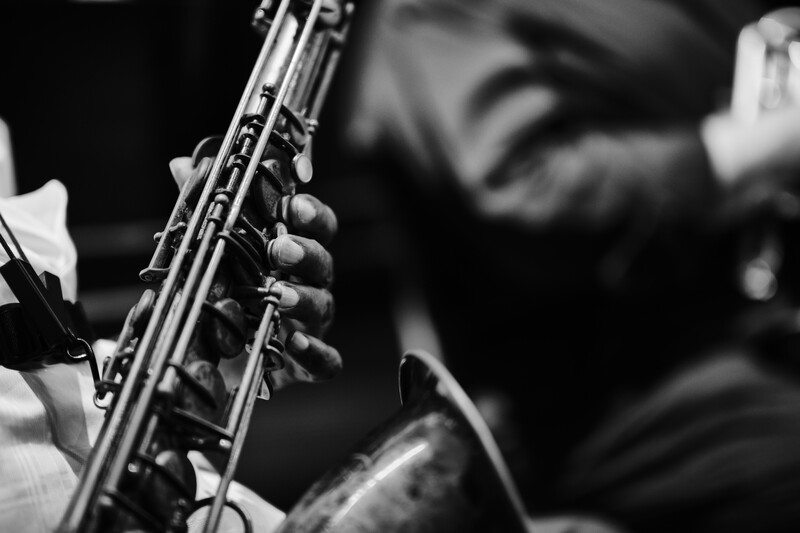
You also must not be afraid of being seen as you endeavor to become unseen. What I mean by this is that you must move about the venue, so you can't be timid or self-conscious if you are making your way from one part of the room to the other. If you do it stealthily and become unseen again when you reach your next spot, you are going to get great photos and also win over the musicians and crowd, who will appreciate your respectful way.
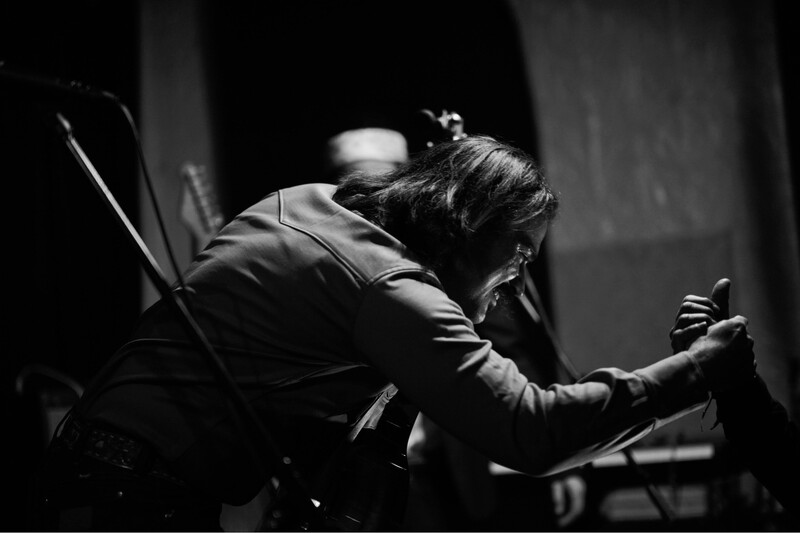
Being unseen also ensures that the musicians—even if you are only a few feet away, which you will certainly be in a small venue—are able to remain in the "zone" as they play, without altering their natural way because they see you in their field of vision. I not only crouch down as I navigate my way through the crowd, but also make sure to stay in a low position unless I'm against the stage left or right wall, in which case it's much easier to stand to take photos without being in anyone's way.
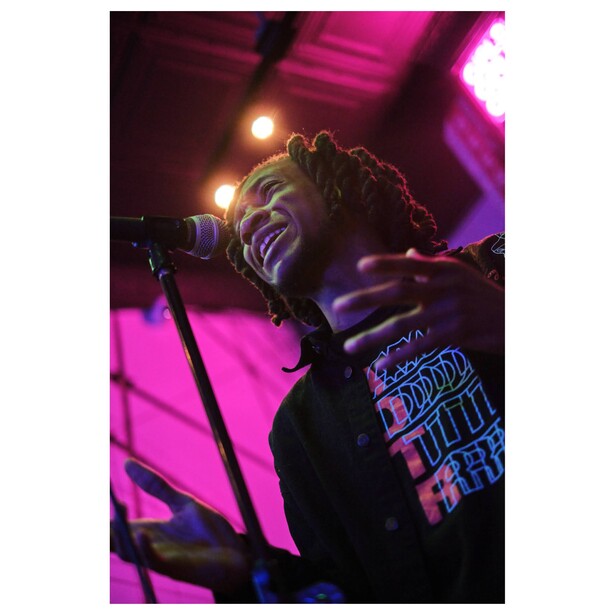
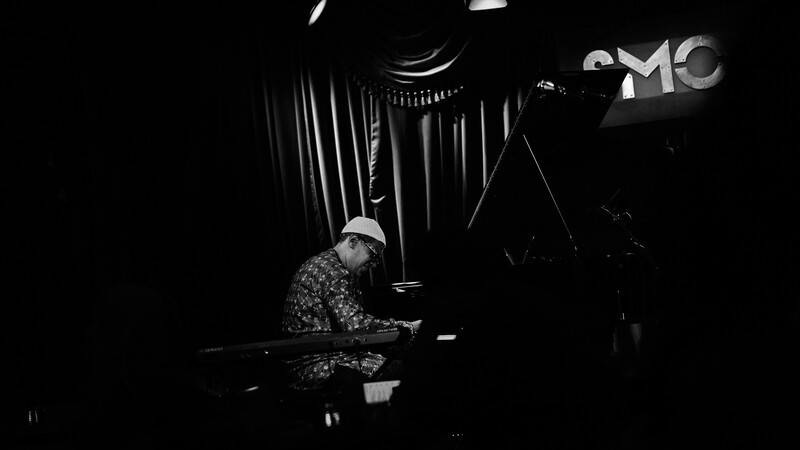
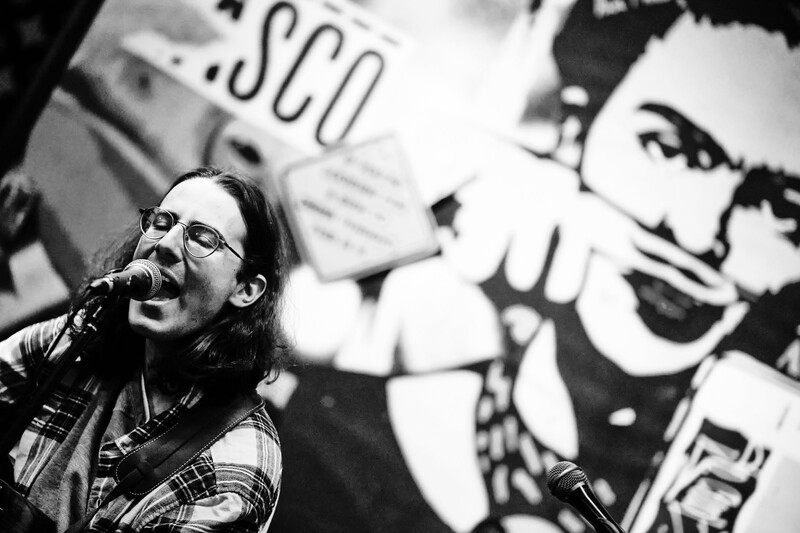
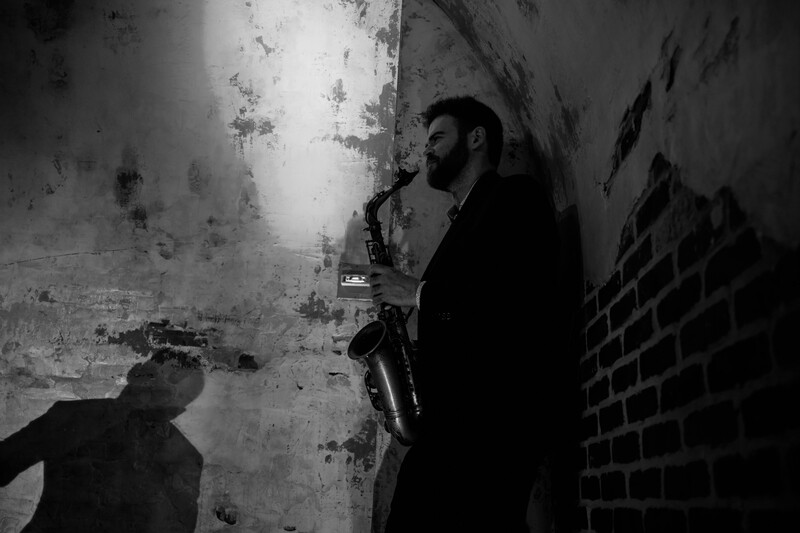
2. Look for the Shot You Haven't Seen Before
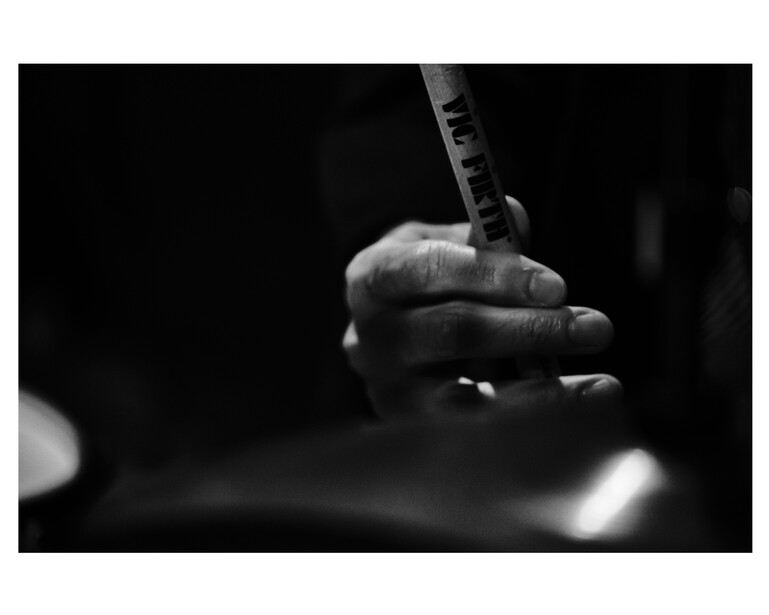
One of the biggest challenges in photographing musicians in small clubs is creating images that are novel. There are so many pictures of musicians in the act of playing, and many of them look exactly the same. Sometimes, I feel like the least exciting part of capturing a concert is taking photos of the musicians as they play. My advice is to look for photos that tell the story, or even a different story, within the venue. Often I will point my camera away from the bandstand or at a detail that catches my eye. Being ready for genuine moments is key, so it's important to expect the unexpected.
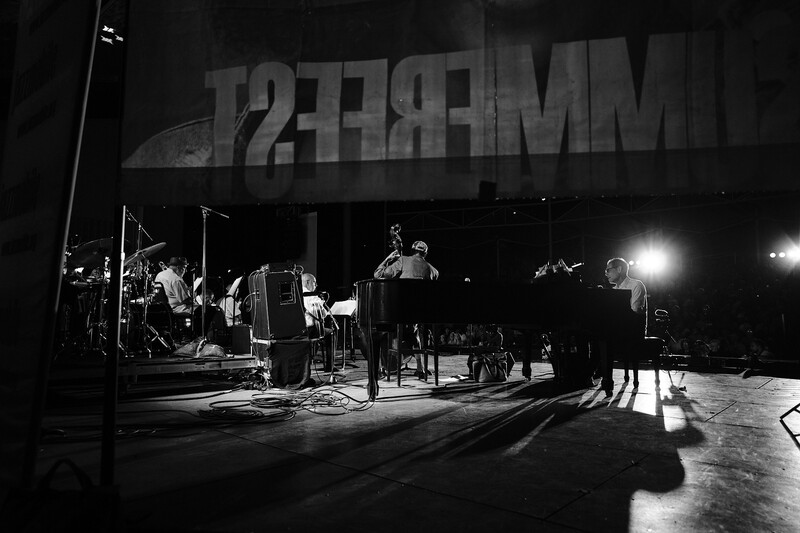
If you are able to do so, try to get shots from backstage or stage left/right, because these will tell a very different story than a close-up of a musician playing their instrument. Sometimes the best moments happen after a song is done, or before it begins, or at the end of the set, so be ready for these moments.
3. Use Prime Lenses and Move Your Feet
Although my main advice is to use whatever you currently own, all things being equal I would recommend using fast prime lenses. Small venues, dive bars, and clubs are notorious for poor lighting, and even in some of the larger jazz clubs I work at, the room is always quite dark (as it should be!).
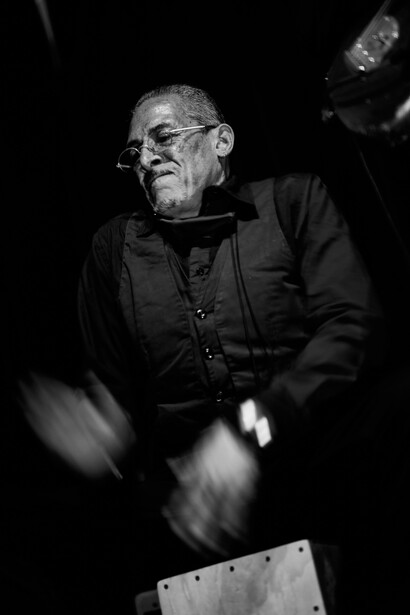
I love using fast lenses, and also use Fujifilm X Series cameras because of their small footprint and quiet shutter. The smaller, less noticeable gear helps me to be unseen, and the prime lens not only gives me enough light to shoot in a dark room without a ridiculously high ISO, but also forces me to move around. Since I am able to get right up to the performers, I don't need a zoom lens, and in my opinion shooting with a slightly wider lens up close creates a more intimate portrait of the performer.
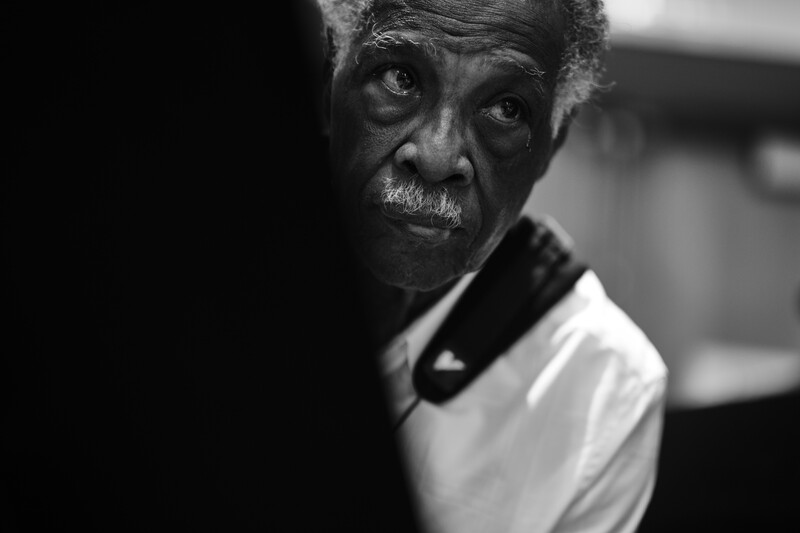
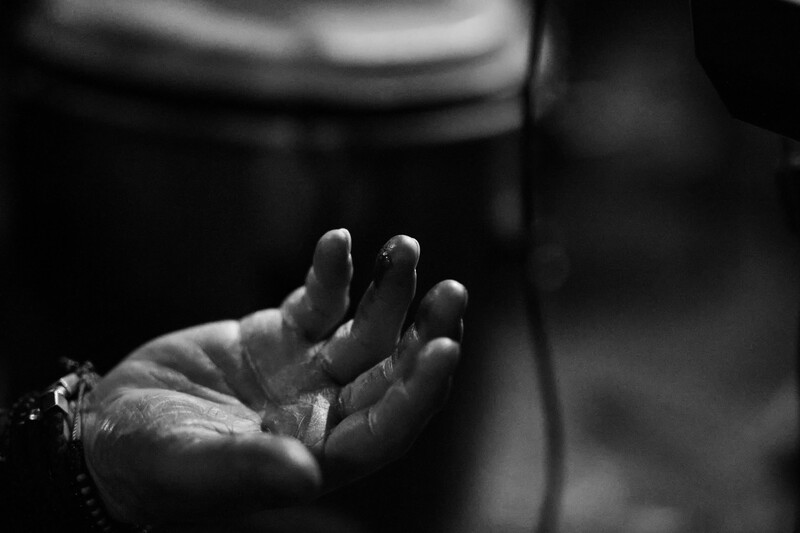
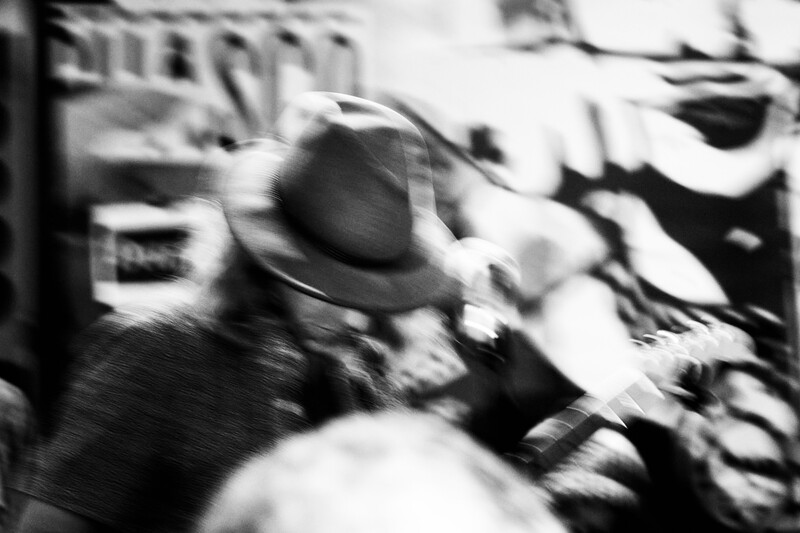
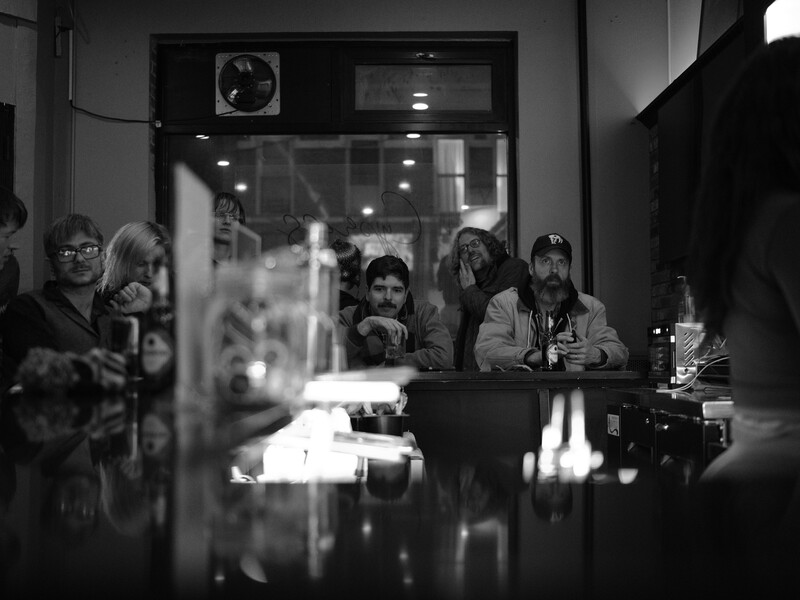
Moving your feet also means going away from the stage and seeing what kind of interesting angles and poses you can find from afar. Adding the venue, the concertgoers, and other elements is a great way to bring your viewer to the concert with you, and will convey much different emotion than a close crop of a performer.
Speaking of close crops, when you do go in for a close shot of a musician, look for unconventional angles and crops. Don't worry about "rules" as much as you concern yourself with finding a composition that feels fresh and fun.
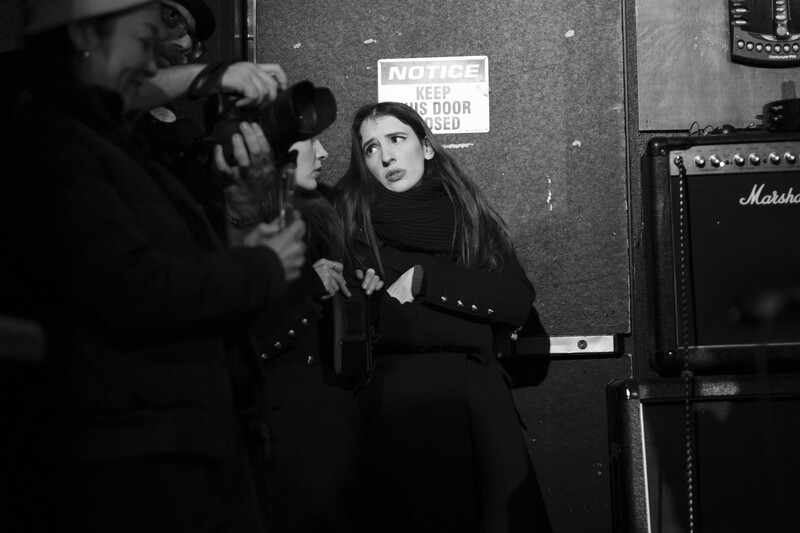
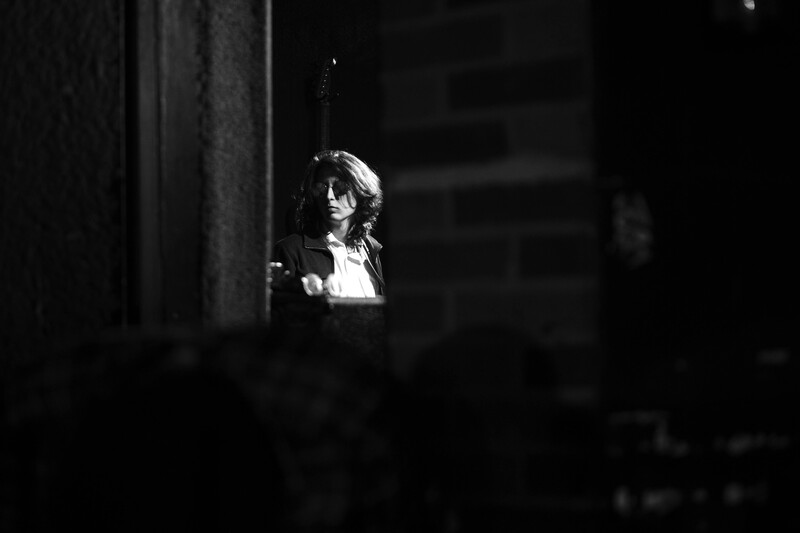
4. Think About Foreground and Background, and Shoot Wide Open
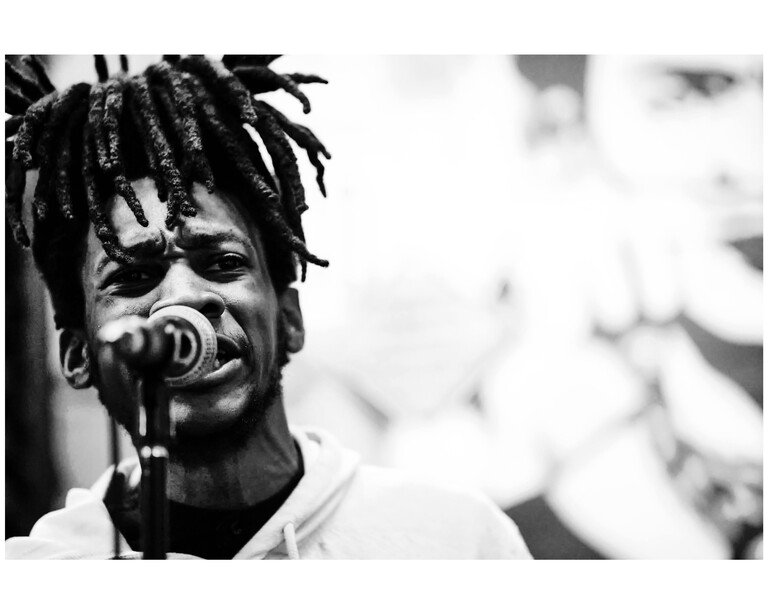
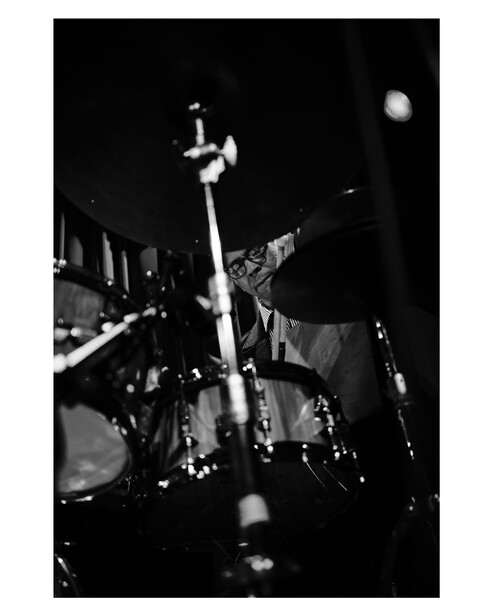
Instead of just pointing your camera at a performer, look for a foreground that you can shoot through to capture your subject. For instance, microphone stands, drum sets, other musicians, and audience members make excellent foregrounds. Place your subject in the background, and make sure to focus on them.
In this situation, I also shoot wide open, so that the foreground is thrown out of focus, and the subject is my focal point and one sharp part of the frame. I absolutely love combining many elements in my frame, with the subject in the background of a cluttered foreground. This is another way to draw the viewer in and make them feel like they were there with you at the concert.
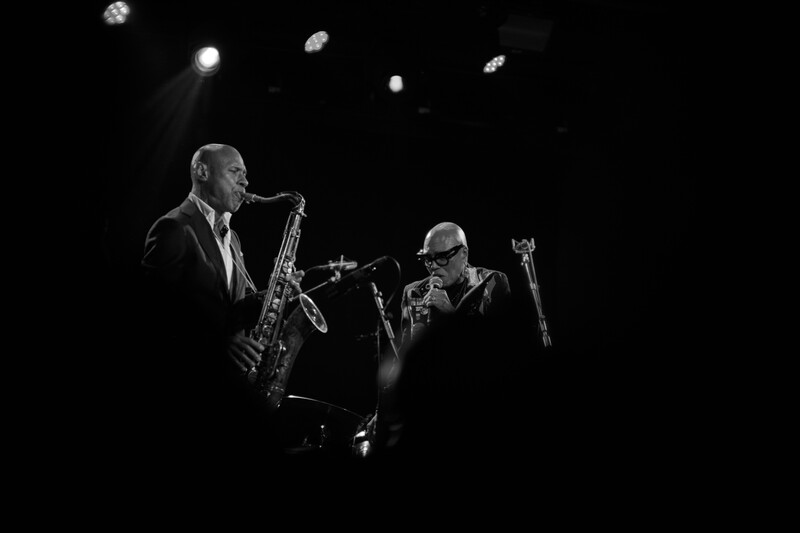
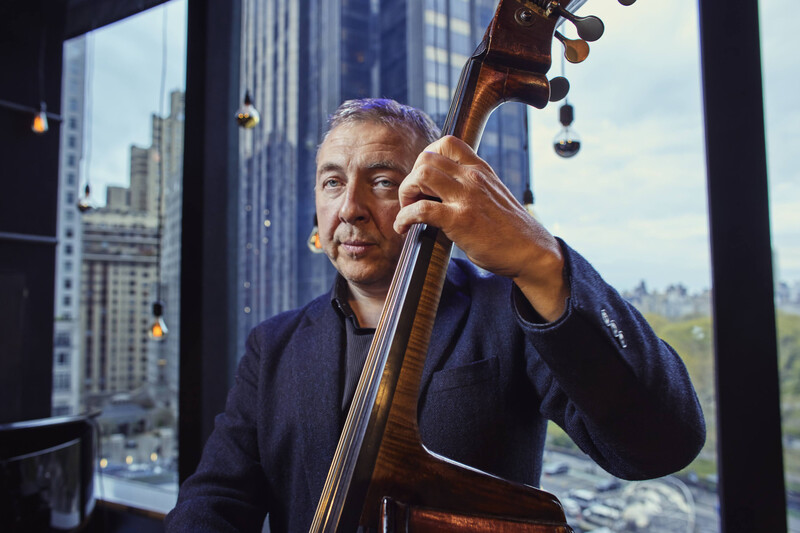
5. Show Up Early, Stay Late
Some of my favorite images have been captured before or after the performance. The few minutes before an act begins to play, when they are on stage plugging in their instruments and chatting with each other, often result in some of the best images.
If you are really looking to take it to the next level, show up early and photograph the dress rehearsal. You have unfettered access to the stage at the dress rehearsal, and usually are able to get as close as you want without bothering anyone. Also, stay after the show has ended. My absolute favorite photos have been captured in the dressing room after a show, or outside a club when the musicians are hanging out after their set. There are so many golden moments to capture at these times, and the beauty of small venues is that there is usually no one who will bother you if you are going about with your camera.
Another phenomenon of shooting at small venues is that the performers will come right in or out of the front door of the clubs. I have seen this often with major jazz stars, where they casually walk up to the club with their horn and go right in. This is a perfect time to get a photo of real and raw moments.
Bonus Tip: Take Their Portrait!
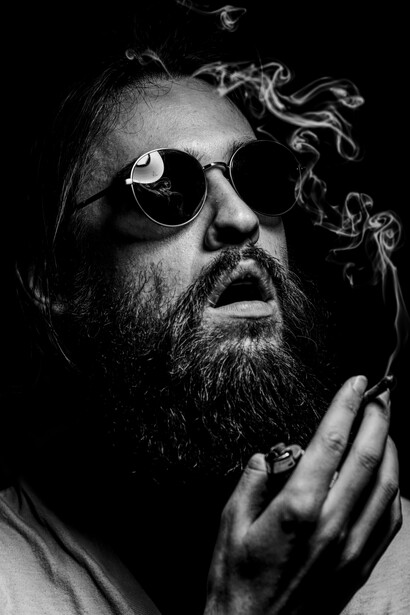
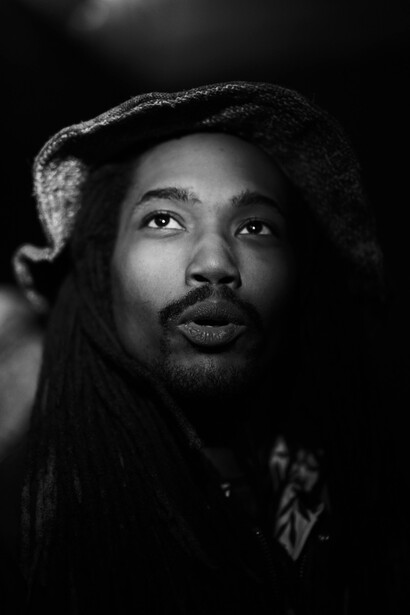
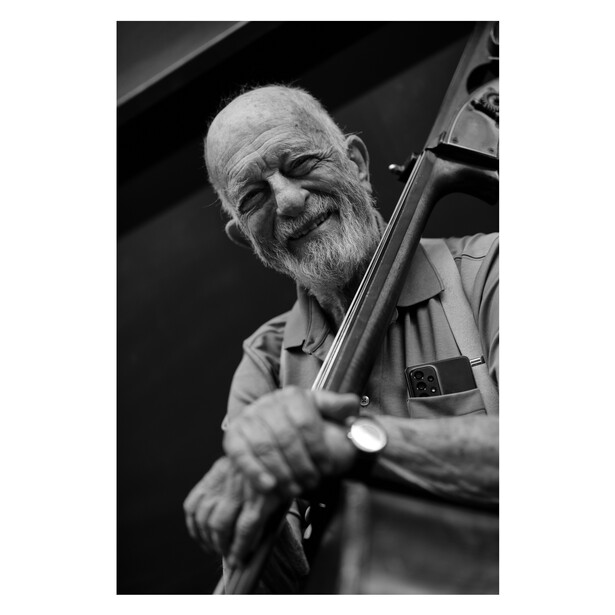
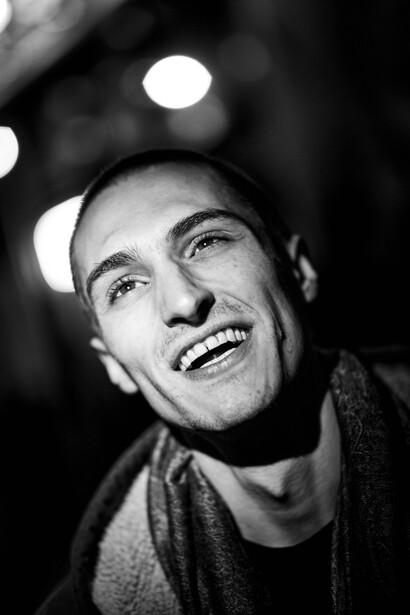
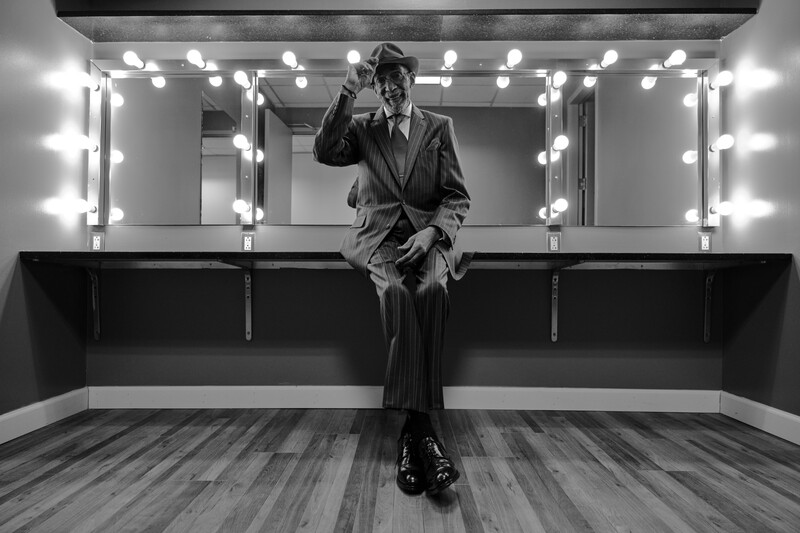
Small venues are some of the best places to take portraits of various musicians, and concertgoers too. There are always so many interesting faces. Even in a city like New York that has a tough reputation, I've never had someone refuse a portrait, especially a musician who has just finished their gig.
If you do have access to the green room or a dressing room, this is one of the best places to grab an interesting portrait of a musician. Sometimes I bring a small RGB tube light, use the light of a neon sign, or even use my cell phone as a small continuous light. The main thing is to simply ask, find a cool spot, and create art. At the end of the day, that's what it's all about—making art and having fun working with other artists.

Join the Fstoppers community for free
-
Post comments and join in the discussions
-
Browse the site ad-free
-
Share your work and get featured in the community
-
Compete in the photo contests for fun and prizes
No comments yet