
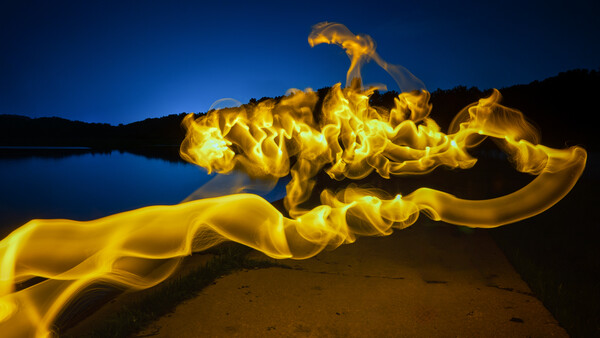
Photography goes beyond just composition and exposure—it’s a lifelong process of patience, failure, curiosity, and self-exploration. After years of practice, you'll see that it's not only about what’s in front of your camera but also about what occurs behind it. Here are 10 lessons every photographer discovers.
Gear Doesn’t Make the Photographer
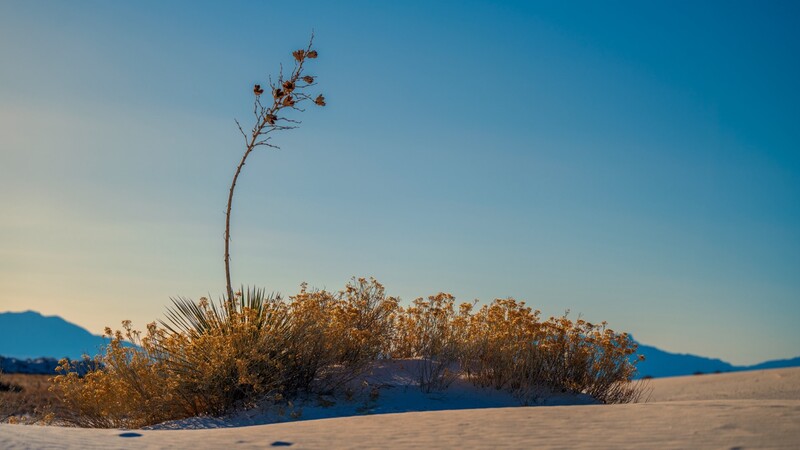
A few learn this early on, while for most it takes a few years or more. Blame the manufacturers’ marketing for this one. Do we really need the newest camera or lens? No. The best camera is the one you have with you and know how to use. It really comes down to understanding the limitations of the gear you have. Once you know how far you can push your camera in the field and during editing, life as a photographer gets easier. Connecting to your subject or the scene in front of your lens will enable you to create some of the best images you've ever taken. It's about connection and confidence, not megapixels.
Light Is Everything
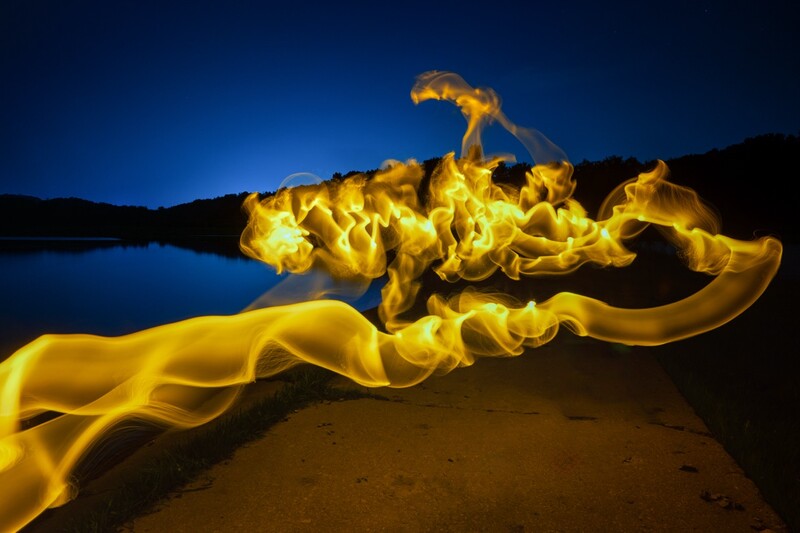
One of the biggest skills you should master is light. Light is the most significant element in our photography, allowing us to tell the story in many different ways, more so than any other element besides our subject. Understanding the direction, quality, and color of light helps us convey emotion. This enables us to communicate to our viewers what we are trying to say in our work. At some point, you’ll start to see the light before anything else, and how it interacts with the scene more than any other element in the photograph.
Patience Outranks Talent
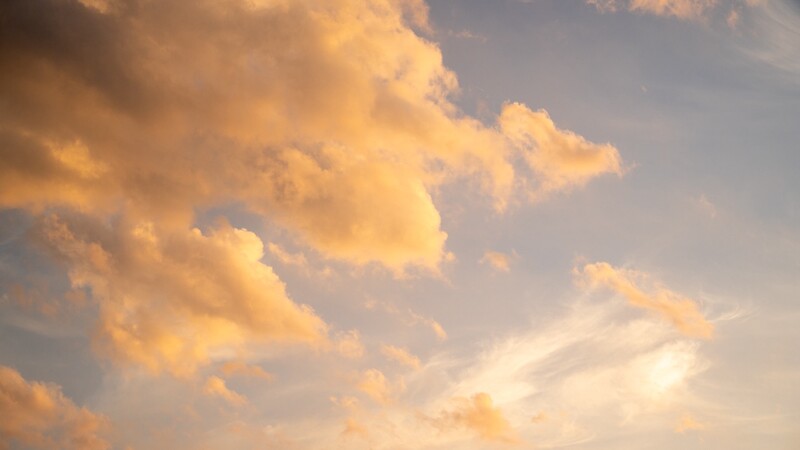
Anyone can learn photography, and there are others for whom it comes naturally—one thing that is hard to teach: patience. Photography rewards those who wait for light, people, and moments. It takes extra time to wait for the light to be in the right spot or for the peak action moment to occur. Being present in the moment overrules quick reflexes and snapping a photo. Knowing how to anticipate the moments before they appear and where to be matters; occasionally, it's pure luck. Being able to look into the near future and try to anticipate what may happen gives you the time to prepare and envision what you want to achieve.
The Real Teacher Is Failure
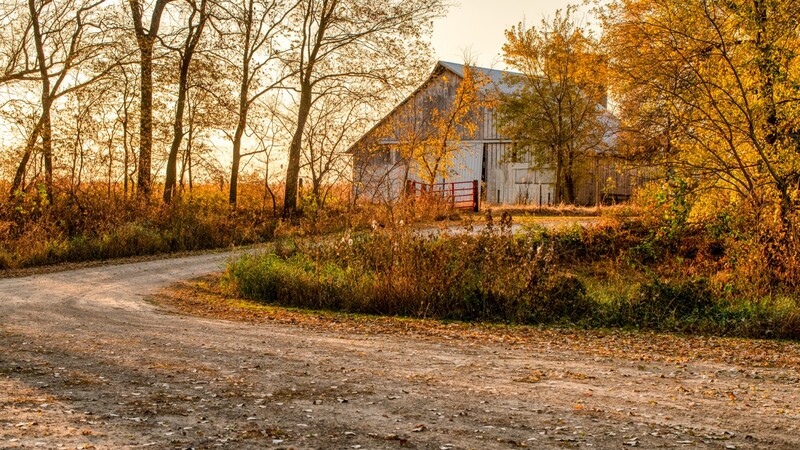
A missed shot is like rubbing salt in an open wound, but it sharpens intuition. The missed shots, improper exposures, and the occasional poor judgment are the gaps where growth begins. Once you miss that excellent shot, you’ll never forget it and learn from what happened. Naturally, we hate failure, as it can exacerbate imposter syndrome. You start to question whether what you are doing is correct, and you begin to belittle yourself and your worth as a photographer. Take failure by the horns, and growth will explode; noticeable artistic growth will follow.
Editing Starts Before the Shutter Clicks
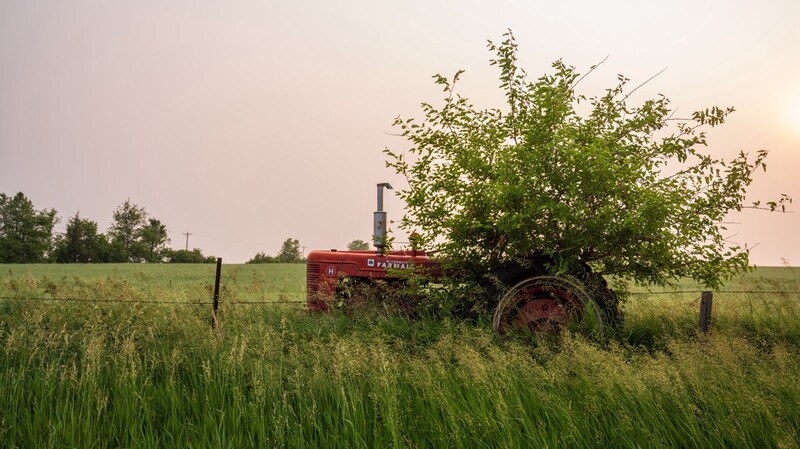
With time comes experience, and with experience, you stop shooting everything. You will start to edit mentally, looking over a scene, studying it, and deciding if it's worth storing on the memory card. This is where you mature as a photographer. Intent has finally entered the room. When you think about taking a photograph, you dissect the scene—looking at all the elements, deciding what should stay and what should go. Each decision is made with intent before you click the shutter. You envision the final scene, and ultimately, the decisions made in the field allow for less time spent behind the computer screen editing.
You Can’t Please Everyone (And You Shouldn’t Try To)
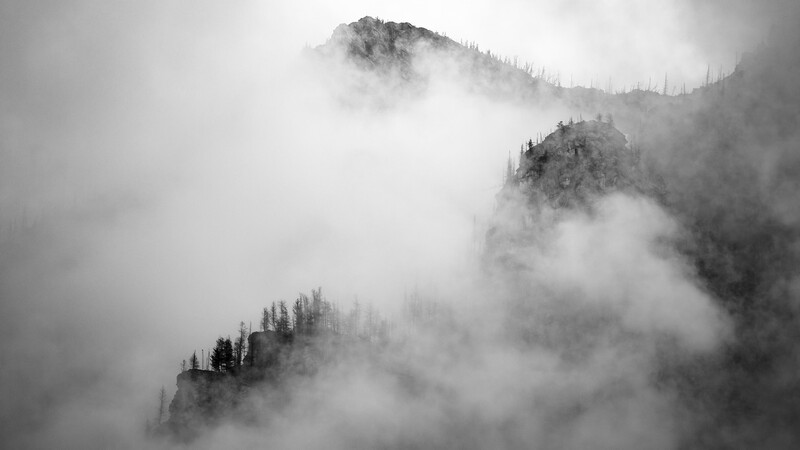
In a world where we chase likes on social media for instant gratification, we forget why we started photography. For some, becoming an influencer in the industry seems like a glamorous life. One thing happens: you start creating work for others and not yourself, and you lose your voice. Once you realize that you cannot please everyone, your images start sounding like you again. They say if it looks like a duck and quacks like a duck, it's probably a duck. Authenticity is the same; people can smell when your authenticity is fake, and it lasts longer than approval. I quit shooting weddings because it was evident in my work. The money is good, but if I am ready to leave before it even starts, I have to ask myself one question: Why am I doing this? That was all I needed.
It’s Not About Perfection
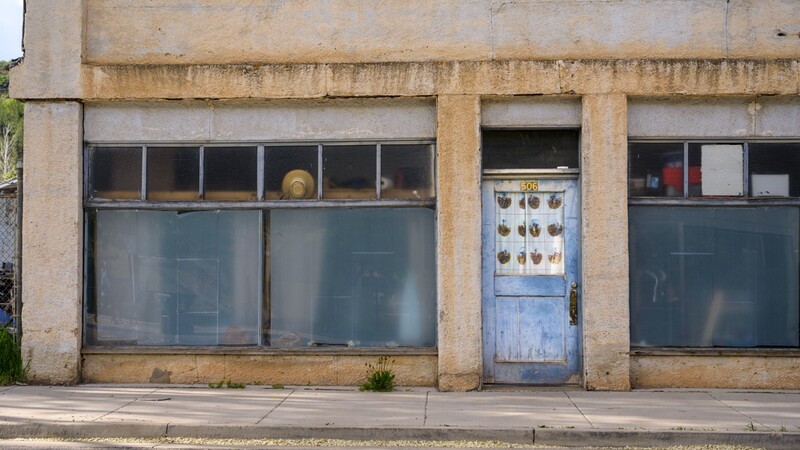
I am not sure about you, but I started photography for the creativity. For me, it's being able to take a vision, plug it into a camera, create an image, and then enhance it in Lightroom before making a final print. With that said, why are we always chasing technically perfect photos? Not every image has to be technically perfect. Imperfection is authentic, and feeling does not have to equal sharpness. When we chase technical perfection, we start to lose our artistic voice. We then lose what we started—our creativity. If you're in photography for the money—hopefully not—you're here for the wrong reasons.
Your Voice Takes Time
If you want to master or improve, there is one thing that you cannot override, and that is time. You can’t rush time, and it is one thing we cannot control. You hear "find your style" all the time. I felt like every time I tried to find my style, it made things more complicated. I stopped chasing my style and concluded that it takes time. I don’t believe you can create a style overnight. It comes with time and experience. Over time, it emerges through mistakes, repetition, and honesty. Let go of time and stop chasing style; what you want to say through your work is there. It just takes time to emerge, so don’t rush it.
The Photograph You Don’t Take Matters Too
Maturity in photography lies in restraint and intent. These two qualities separate hobbyists from passionate photographers. Knowing when not to click the shutter speaks volumes. You have now entered a level that I don’t think many really conquer. It takes a great deal of maturity to decide to click the shutter and create an image—not just to capture an image and document a moment for the sake of taking a photograph—because one can. The next time you are thinking about clicking the shutter, ask yourself, “Is this really worth the time?”
You Never Truly Arrive
Many things in life come to an end. Photography is not a single thing; it's a lifelong journey of learning with no finish line, only evolution. I recently reviewed a ton of old work on my Facebook page and thought to myself, “I have improved.” I am one of those who tries not to look back. The past is the past, and it is what it is; I can’t change it. At times, I think I haven't really made much improvement. I wouldn’t say I have improved, but evolved. I can see my interests change over time, as well as my style of work. Remember, this is a journey that never ends.
The Journey Is the Point
Photography isn't just about perfecting a skill; it's about enhancing your awareness. As your awareness grows, mastery of the craft will naturally follow. Next time you're out taking photos, slow down, focus with intention, and pay closer attention. Every click of the shutter becomes a moment of self-discovery, not only revealing the world but also more about yourself.




Join the Fstoppers community for free
-
Post comments and join in the discussions
-
Browse the site ad-free
-
Share your work and get featured in the community
-
Compete in the photo contests for fun and prizes
8 Comments
"The next time you are thinking about clicking the shutter, ask yourself, “Is this really worth the time?”
You can't afford 1/250th of a second? There's no reason not to click the shutter. You've already looked and analyzed the scene. There's no harm in taking bad pictures. It's not like we're paying for the cost of film and developing. And to those who claim that observation skills are sharpened from the deliberate process of using film cameras... nonsense. My advice: see if you can wear out the shutter on your camera. My Nikon D800E is 12 years old and hasn't yet.
Mindfulness is the key.... sometimes we have a constructed thought about what we want something to look like however it doesn't always turn out like that if we are mindful we can still create something amazing even though it wasn't our initial intention... This is why I don't use any apps or phones when I'm out shooting...Im totally immersed in what's going on around me.
Mindfulness is key in photography and in life, too.
I work in addictions as a counsellor and it's the primary tool for getting people to be able to sit in. Their trauma is mindfulness and be able to heal but it has so many great useful aspects to photography as well. I split between being a professional photographer and addictions counsellor. But jokes aside don't ask me about lens addiction....LOL
LOL. I work as a Pro Photographer and I work in Corrections. I also see addiction everyday.
yeah I work closely with corrective services in Western Australia so I understand mate and having the double income is good they're simply not enough money in photography where I live to do it full-time but it's a great secondary income
Same here, it's a very saturated market.
As a maternity and newborn photographer, this article really spoke to me because it strips photography back to what actually matters in our craft: intention, awareness, patience, and self-reflection as you make every image. It reminded me that photography isn’t just a technical exercise, it’s a personal journey of discovery and growth that lives as much behind the camera as in front of it.
What stood out most for me was the emphasis on connection over perfection. In my work with expectant families and newborns, it’s never about chasing technically flawless frames — it’s about recognising the light, the feeling in a moment, and the silent, authentic expressions that tell a story. That shift from “getting the shot” to feeling the shot is exactly what this piece describes.
I also appreciated the reminder that patience outranks talent. So often I’ll sit with a family, waiting for that quiet interplay between parent and child, the soft glance or gentle sigh that no amount of technical skill could manufacture. It’s in those pauses, and in the restraint to not press the shutter too soon, that the most powerful images emerge.
Finally, the idea that your voice as a photographer takes time and evolves through lived experience resonates deeply with me. Over the years I’ve learned to trust my vision rather than chase trends or validation from others, and that authenticity shows up in the work in ways that clients feel and remember.