
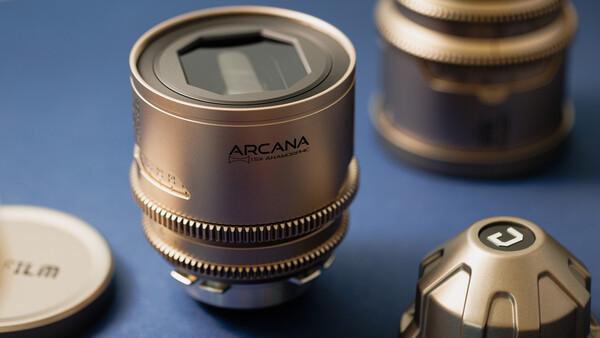
Traditionally, shooting with an anamorphic lens has always come with its set of hurdles. While having the cinematic squeeze is nice, battling with the size and weight can be rather unpleasant. Not to mention the need for diopters just to reach a decent close-focus distance. And on top of these, you have to choose between paying an exorbitant price or settling for a budget lens with bad optical quality, just to name a few. This is where the DZOFilm Arcana series comes in.
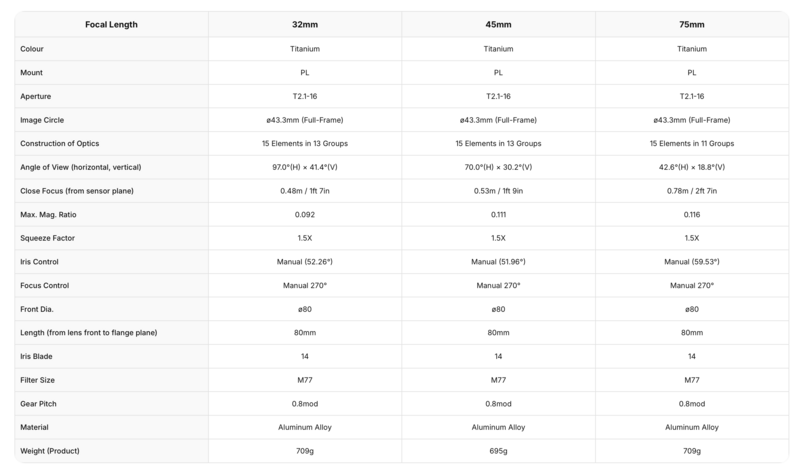
The Arcana series promises to offer a brand-new perspective on anamorphic lenses, specifically aimed at addressing these legacy issues through great optics and smart engineering. The Arcana lineup launches with three focal lengths (32mm, 45mm, and 75mm) as T2.1 1.5x anamorphic options. Let's dive into it and see how they actually perform in real-world applications.
Specifications
Build Quality
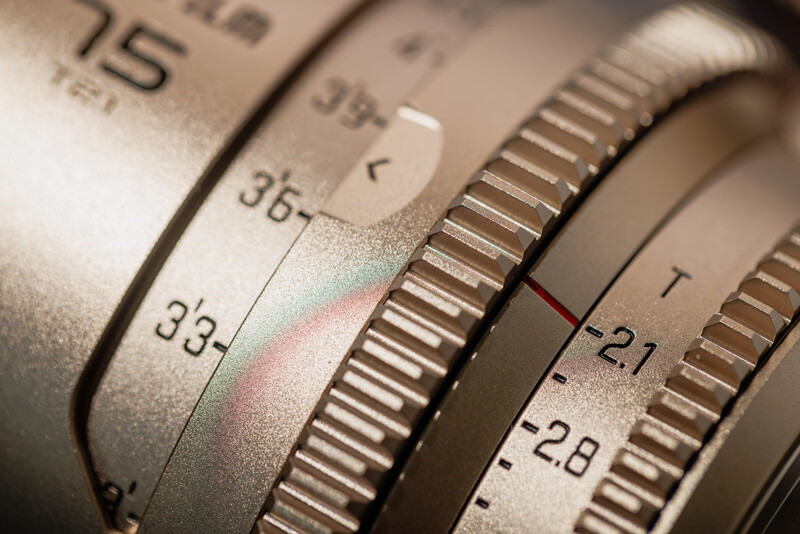
Given my recent obsession with portability, the size of the Arcana series anamorphic lens immediately stood out. While they are not exactly small, they are compact enough for a wide aperture anamorphic lens—roughly 80mm in length from lens front to flange plane. But don't be fooled by their size, as they are rather dense lenses, measuring around 700 g each. All three lenses feature an aluminum alloy body with anti-fingerprint coating and a sleek titanium-tone finish, giving them a durable construction. While the titanium-tone does look great, it is bright enough when hit with lighting to induce unwanted reflection. Thankfully, most of the front element is still black, keeping the impact minimal.
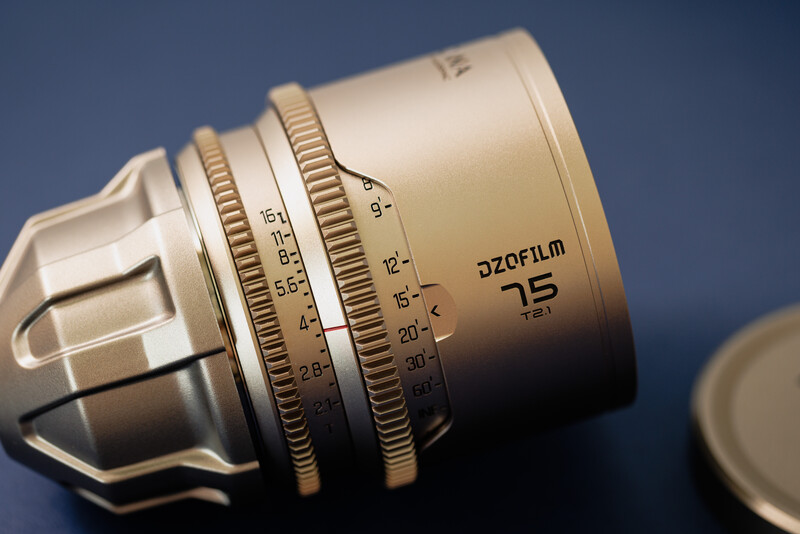
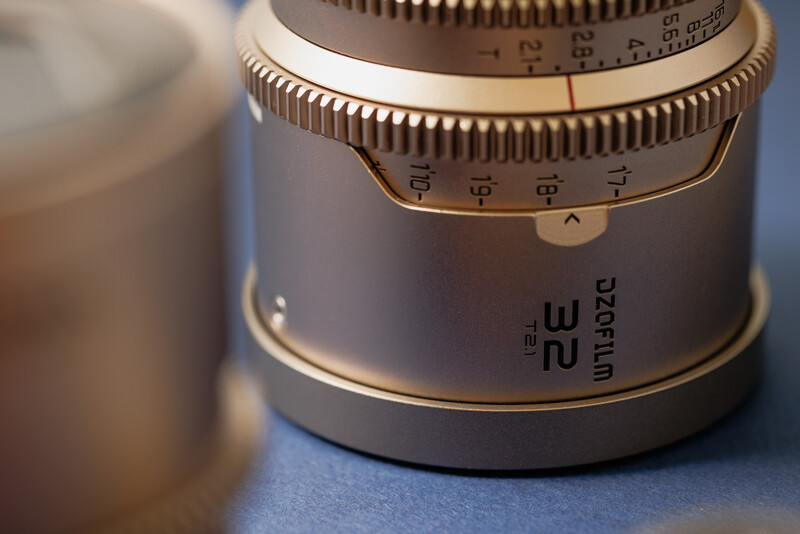
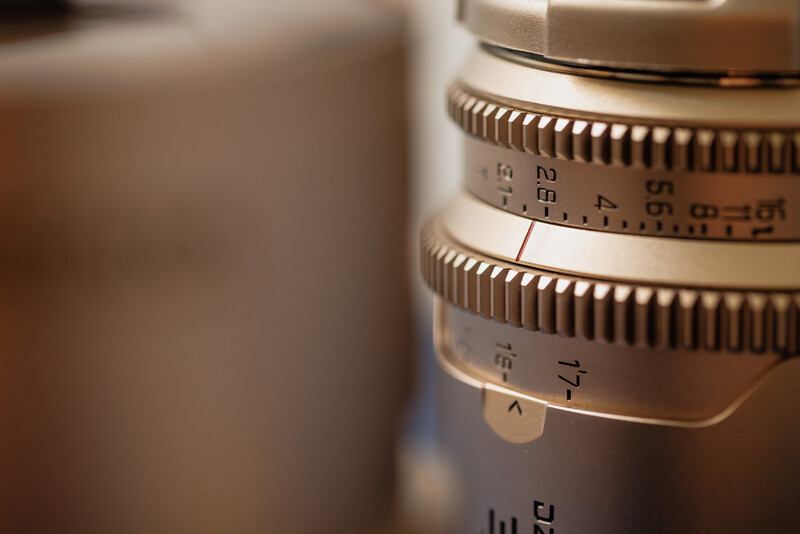
Both front and back lens caps are made of plastic sprayed in the same color, keeping the overall look minimalistic. The front cap is friction-held, so do be careful not to pick up the lens by its caps. All the lens markings are also engraved on both sides of the lens barrel, making it feel premium and easy for your AC to read regardless of which side of the camera they are on. (You can also get the focus scale readings in imperial or metric by ordering through their site.) However, there is no scale at the top part of the lens barrel, meaning if you shoot at a lower angle, you will have to bend down to check the scale. These are just the cosmetic touches that DZOFilm did right; there is a lot more to talk about in their design that makes practical sense.
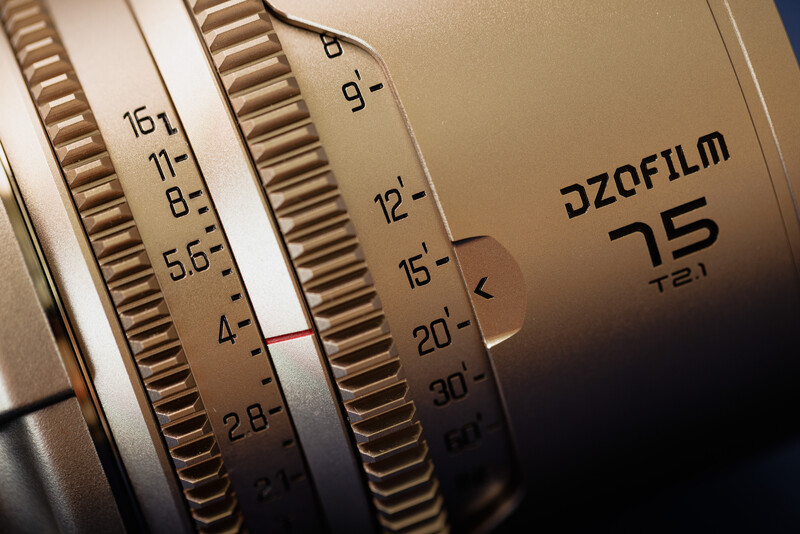
All three 32mm, 45mm, and 75mm lenses are specifically designed to be physically similar in terms of diameter, length, and weight, making the experience of using them with gimbals and cameras like the DJI Ronin 4D easier. Not only can you skip the process of repositioning the follow-focus motor, but you can also avoid re-balancing your gimbal after every lens swap. Furthermore, they also share a common 77mm front diameter filter thread, which makes it incredibly easy to use and share the same screw-on filter across all of them. All three lenses also have the same generous 270-degree focus throw, though it is not linear. It requires a longer pull for closer distances and gradually tightens up toward infinity—catering to those who need precision for nearer subjects. Focusing action happens internally, and I do like the fact that DZOFilm leaves enough surface area on the outer barrel for the user to grab the lens by its body. As expected for a video-oriented lens, it has standard notched gearing on both the focus and aperture ring, and if I have to add, the rings are some of the best that I have used, with just the right amount of damping. The aperture ring is of course fully de-clicked and is set back slightly from the focus ring to prevent unintentional adjustments.

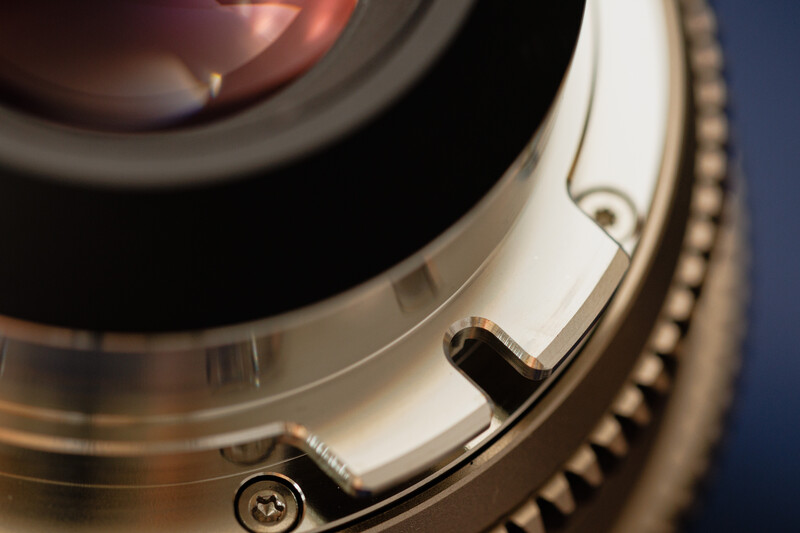
However, according to DZOFilm, the Arcana series is currently only available in PL mount due to structural limitations. However, the team has made the mount multi-positional so that you can rotate the lens for vertical shooting. To further improve its functionality, all three lenses also feature a short 2.2 cm rear optical element, leaving enough room for adaptation into different mounts such as E, Z, L, RF, or X mount and still having enough clearance for drop-in VND filters or an autofocus ring. And from what I know, this short rear element also allows you to possibly adapt to the EF mount. This is because the EF mount has prongs that cause the PL-to-EF adapters to work only when they have a rear protrusion of less than 40mm. It is worth noting that the Arcana lenses are purely mechanical tools with no electronic contacts or components inside, so there is no need to worry about incompatibility even in the future.
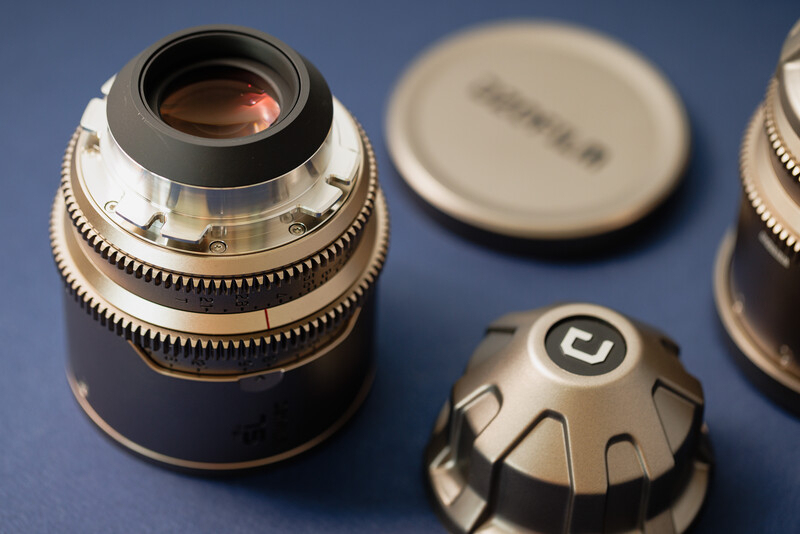
More importantly, it is built like a proper cinema lens, meaning the mount is shimmable with the included shims. Having the ability to shim is critical for anamorphic lenses. Because they squeeze the image, focusing light differently on the horizontal and vertical axes, any slight error in flange distance will make the image soft. By adjusting these hair-thin metal shims, you can calibrate the distance perfectly so both your horizontal and vertical lines snap into tack-sharp focus at the exact same time. It is worth noting that shimming is inherently camera-specific. Because flange distances vary slightly between individual sensors, you will need to repeat the shimming process every time you move the lens to a different camera body. Also, if you are not already aware, this lens is not built with weather sealing, so do be cautious when using it in damp conditions.
Features
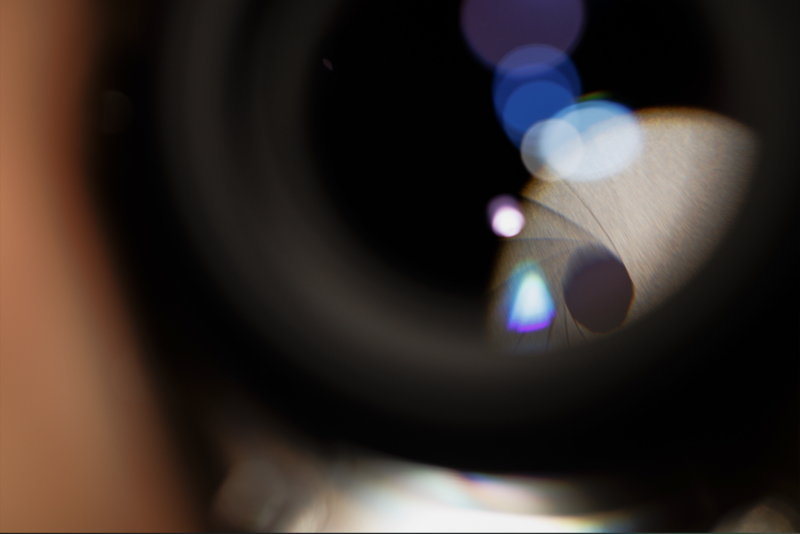
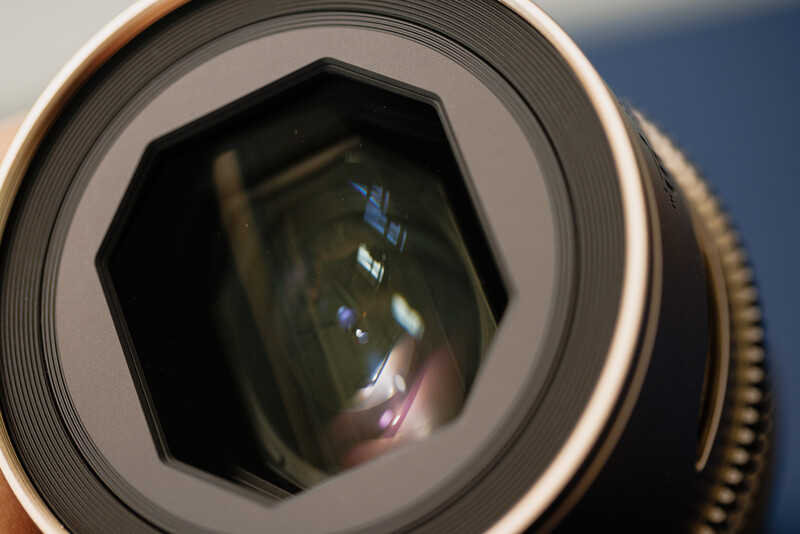
Beneath that clean titanium finish are even more impressive features that make the Arcana series lenses outstanding. DZOFilm cleverly reinvented the traditional anamorphic lens design into what they now call a "hybrid anamorphic" design. If we look at the technical specs of these lenses, they are 1.5x squeeze lenses that cover a full frame sensor, but they smartly incorporate a 14-blade oval aperture into the lens, essentially to sell the illusion of a 2x anamorphic bokeh look. Having an oval aperture essentially stretches the out-of-focus background elements vertically, delivering that oblong "waterfall" bokeh that you usually expect from a 2x squeeze lens, while keeping the physical footprint small. As an added benefit, the footage you get from a 1.5x anamorphic lens recording in 16:9 will not be too thin after de-squeeze either.
The Arcana 32mm and 45mm feature a rather complex 15 elements in 13 groups optical design, while the 75mm features a 15 elements in 11 groups optical design. All of them use three ED ultra-low dispersion elements, four high-refractive lenses, and four cylindrical lenses, delivering an ultra-sharp image with great clarity and, most importantly, low chromatic aberration. On top of all this, you are also getting a constant T2.1 light transmission, making it suitable for low-light filmmaking and also giving you excellent subject isolation from the shallow depth of field. If you like the sunstar look, you can even get it as early as T2.8. To help with subject isolation, they also feature a class-leading minimum focus distance of just 48 cm to 78 cm, depending on the focal length you use.
All three lenses from the Arcana series feature a cylindrical front design that embraces the signature barrel distortion while maintaining a completely constant squeeze ratio from close focus all the way to infinity. This is a massive deal because it effectively eliminates the dreaded "anamorphic mumps" (an optical flaw where faces unnaturally widen and distort as a subject moves closer to the glass) that most anamorphic lenses inherit. By keeping the squeeze perfectly consistent, it allows you to perform batch de-squeeze and completely removes the headache of having to second-guess the amount of de-squeeze just to fix the unwanted distortion in post-production. This optical design also allows those iconic horizontal flares to come through naturally when you are using an anamorphic lens.
Real-World User Experience
For a long time, I associated anamorphic lenses strictly with massive cinema films and aggressive sci-fi flares, seeing no real reason to use them in smaller productions. But after testing out the Arcana anamorphic series, I think differently. Practically speaking, I think the real reason to shoot anamorphic is to get that unique subject separation look. There is simply no way to achieve this kind of separation using a standard full frame spherical lens. The magic of anamorphic glass is that it captures the extra horizontal width of a wider lens, while perfectly maintaining the background compression and shallow depth of field of a much longer focal length by squeezing the recorded image. This, in turn, gives you the vertical height and depth compression of its stated focal length in full frame, but the horizontal width of a much wider lens—approximately 40% wider with a 1.5x anamorphic. This is derived by dividing the focal length by the squeeze factor. For example: 35mm ÷ 1.5 = 23.33mm (actual horizontal-width focal length). This squeeze and de-squeeze not only widens the horizontal width but typically also results in an oval-shaped bokeh and a horizontal lens flare, which are part of the anamorphic characteristics too and will be covered later.
When it comes to the squeeze factor, everyone will have their own preferences and needs. Personally, I think the 1.5x stands as an optimal middle ground. This is because a 1.33x squeeze, while easier to work with, doesn't deliver enough of that distinct character to be worth the effort. Meanwhile, a typical cinematic 2x squeeze is all you would wish for in an anamorphic lens, but application-wise, I think it really only works when recording in 3:2 open gate. Because if you are working with a 16:9 ratio, your final frame might just be a little too narrow. That brings us to the Arcana's 1.5x squeeze ratio, which isn't as demanding and does work beautifully even if you are recording in a 16:9 ratio—producing a wider frame with plenty of extra room on the sides to re-frame your subject in post after de-squeeze. That said, to get the absolute maximum benefit and resolution out of these lenses, I would still recommend shooting in open gate whenever possible, to truly maximize your sensor's real estate with the anamorphic squeeze, producing a 2:1 aspect ratio final image.
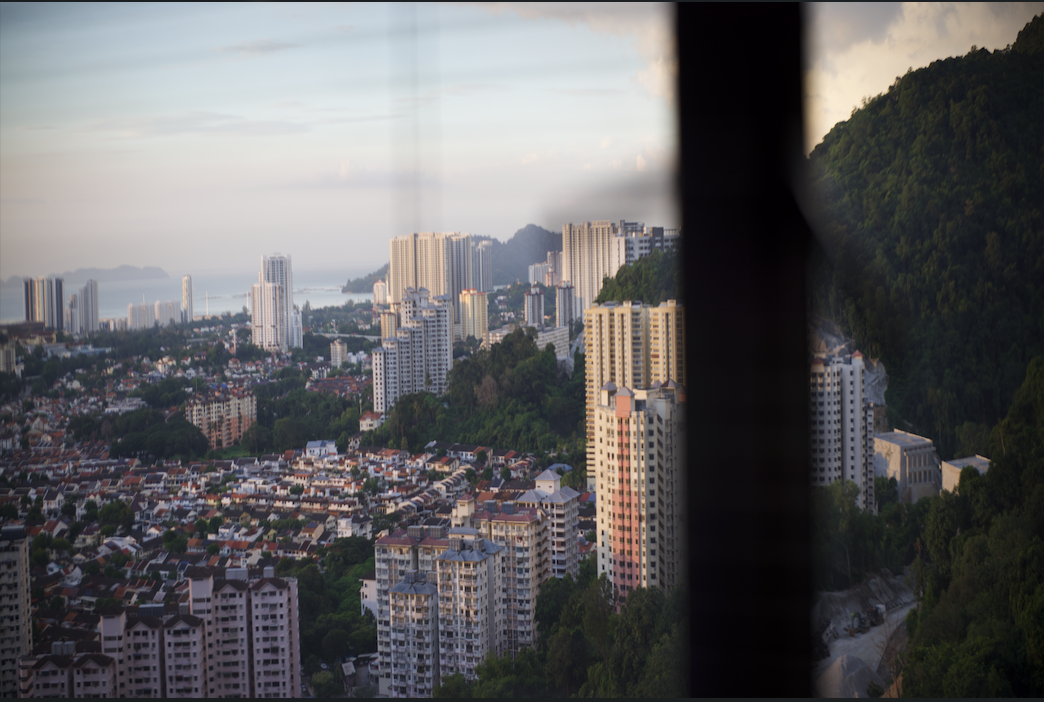
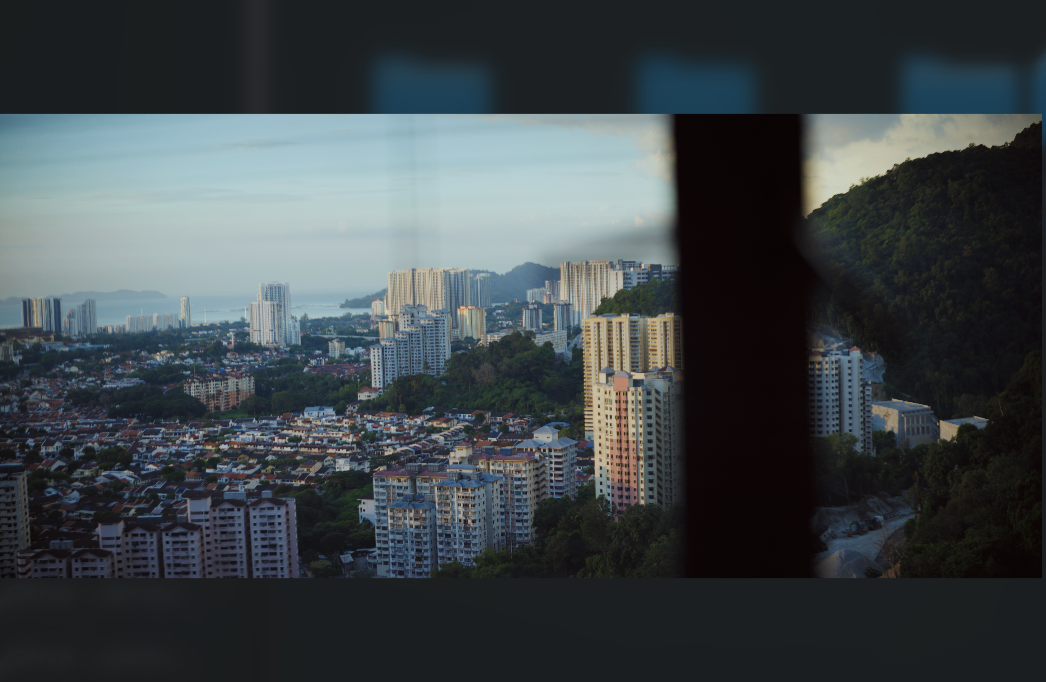
Note: Original image is shot in 3:2 aspect ratio to mimic open-gate recording.
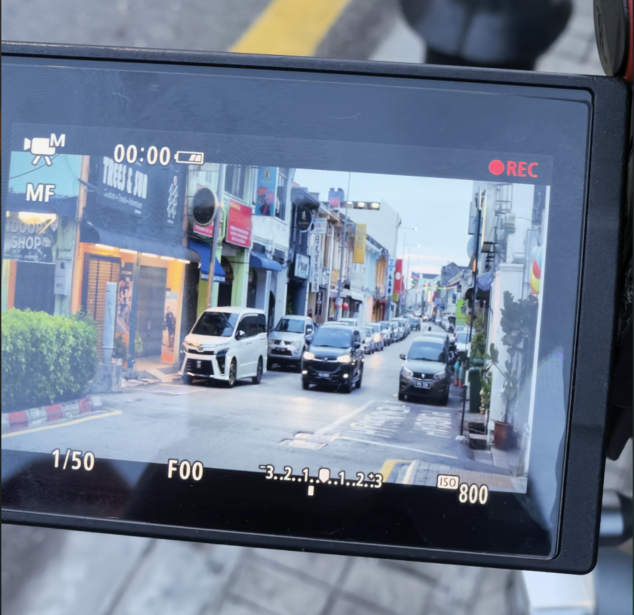
To remove all the guesswork caused by the anamorphic squeeze, shooting with an external monitor (Atomos Ninja) that supports anamorphic de-squeeze is also highly recommended. Cinema cameras like the Blackmagic URSA series typically support a 1.5x de-squeeze natively. If you are running a mirrorless system like the Sony FX series, you may need a firmware update to view your stretched image correctly. Thankfully, the de-squeeze factor is perfectly consistent across all three Arcana series lenses, making lens swaps and post-production completely seamless.
Optically, the Arcana series delivers a surprisingly refined character. These do not produce anything like the soft and "glowy" look you get from vintage lenses. In fact, they resolve incredibly well, which is a relief since I always struggle to work with glass that lacks the bite. They are tack-sharp in the middle and then gradually fade off toward the edges, rendering a rather natural look across the entire frame. Sharpness is decent and very usable even wide open at T2.1 across all three lenses, with the 45mm taking the lead. The sharpness improves as you stop down from T2.8 onward and peaks around T5.6. Performance at minimum focus distance is also surprisingly great, even though anamorphic lenses are not known for their ability to perform close focusing. I would highly recommend using it wide open if depth of field is not your concern, to capture the essence of the lens's pleasing rendering. Besides, all that sharpness would not matter much, since our ability to perceive image sharpness in a moving image is still rather limited.
In terms of distortion, all three of them do exhibit some barrel distortion, with the 45mm again taking the lead in showing the least. The 32mm shows the most barrel distortion, as expected from a lens with such a wide field of view. While it can be annoying for some, I do think it actually contributes nicely to the overall character, making it a special-effect lens—think of it as something like the fisheye look. If I have to pick, my personal favorite in the Arcana lineup is the 75mm. Since you are able to get that beautiful 75mm telephoto compression on your subject, yet horizontally it renders like a 50mm. It is an absolute sweet spot for filming.
https://www.youtube.com/shorts/mUPFftVzv_A
Contributing to the essence of this lens is how it handles highlights. I notice that the highlight roll-off is remarkably gradual, which I suspect has something to do with the coating. Besides, the T-stops are also remarkably close to the f-stops, proving that the internal coatings are highly effective at delivering light to the sensor. Alongside the pleasing highlight roll-off, the Arcana series lenses also feature a specific front-cylindrical design to produce a neutral flare that takes its color from the light source itself, essentially giving you flares that are more dynamic. This allows the image to feel more organic instead of being dominated by the blue-colored flare streaks you typically see with anamorphic lenses. Now, here is where I am torn: the lens does not flare as easily as I had hoped unless there is a direct light source. While that does mean better flare control for a wider range of applications, if you are getting this lens as a special-effect lens, it may not be the most perfect choice. Though if we look past that, you can get rather decent sunstars as early as T2.8, making it an ideal choice for those who love a sunstar in their shots in combination with the horizontal flare.
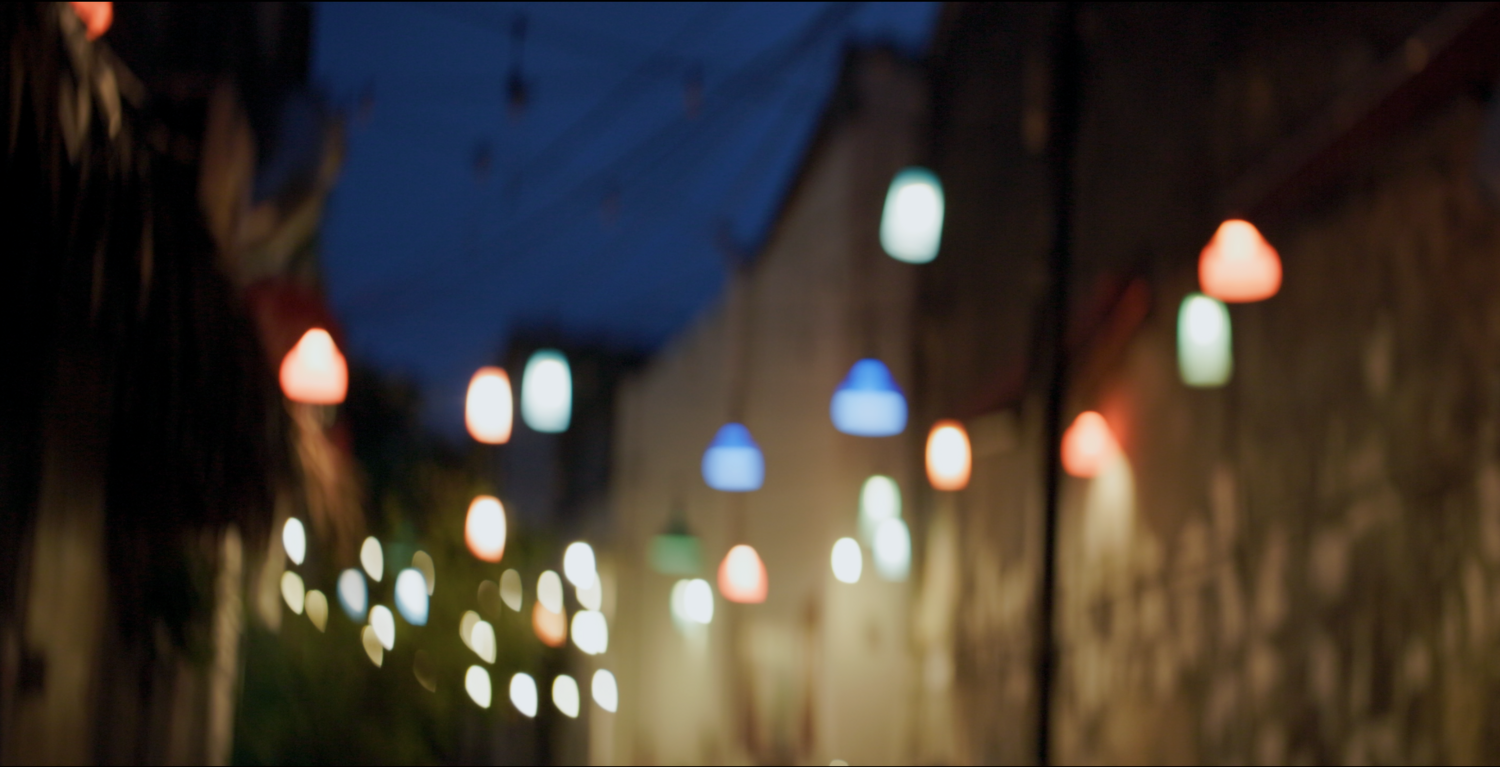
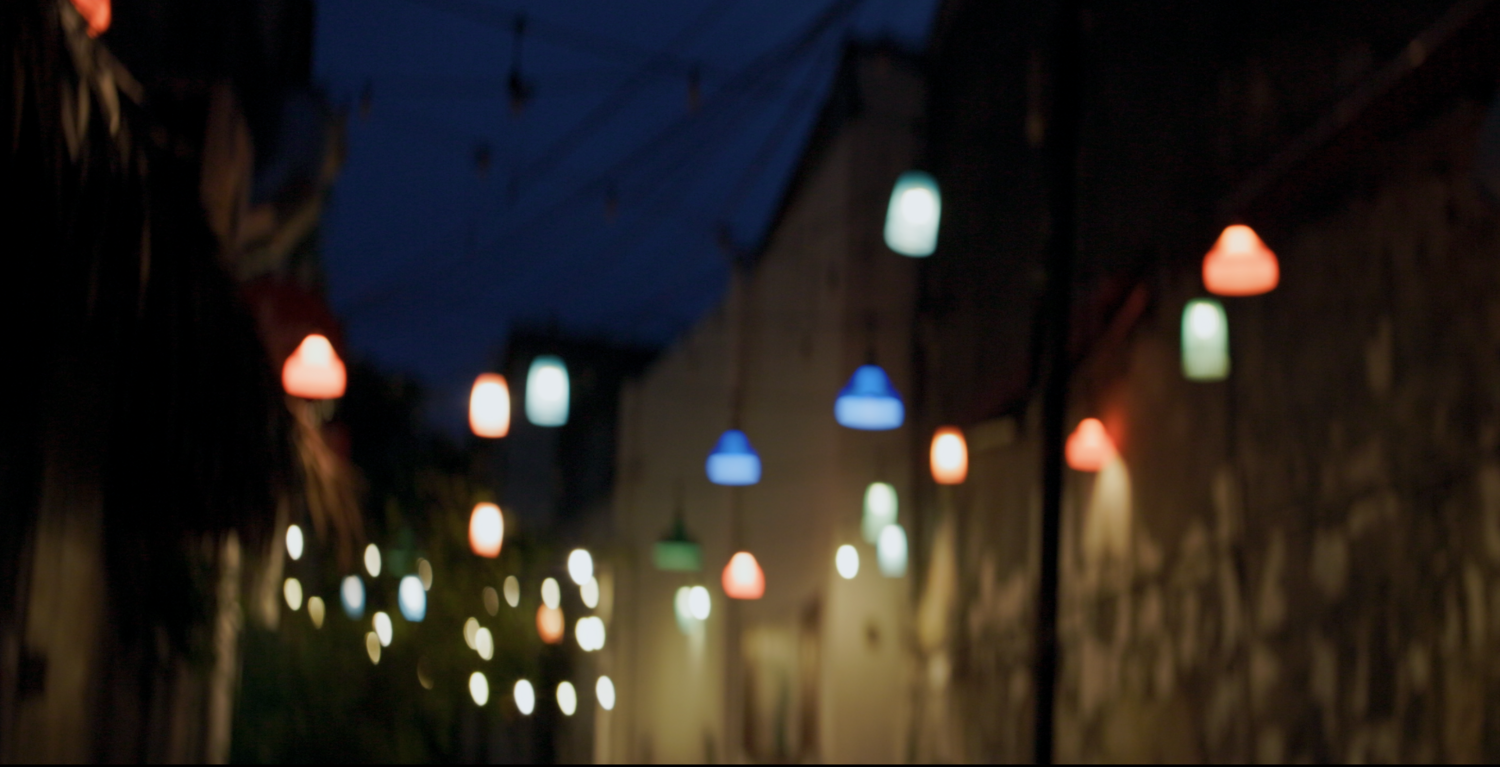
As briefly touched on earlier, anamorphic lenses usually produce an oval-shaped bokeh because of their built-in cylindrical optical elements, which compress the horizontal field of view and alter the shape of the out-of-focus highlights on the camera sensor. The higher the squeeze factor, the more oval the bokeh becomes. To accentuate the anamorphic effect on the 1.5x Arcana glass, DZOFilm decided to incorporate an oval iris to shape the out-of-focus highlights. This allows the lens to produce an obvious oval bokeh despite not having a high squeeze factor. While it doesn't bother me personally, purists might find it a bit forced; especially when shooting wide open at T2.1, you will get a "cat-eye"-shaped bokeh instead of an oval one. As a workaround, I do find that stopping down slightly improves the shape of the bokeh.
Mechanically, the focus-pulling experience could not be any better. Having a long focus throw is an advantage here. On top of the ability to pull precise focus, I can also set my focus-pull motor speed accordingly to match the mood I am looking for. You can either go fast for action tracking or slow to produce highly dramatic cinematic focus pulls with that kind of range. Focus breathing is noticeable but very minimal, matching how cinema lenses should behave. They are designed to suppress breathing so your composition doesn't change during a focus pull, because in video, there is no way you would want your composition to change midway through focusing. I am also happy to mention that there are no visible focus shifts when you stop down, making it a rather competent lens on set.
Lastly, despite being a niche tool with limitations, there is room for wild experimentation thanks to the multi-positional lens mount design. For instance, with a typical anamorphic lens, you obviously can't shoot standard vertical video without ending up with a ridiculously narrow strip of footage. But because of how the PL mount on the Arcana lens was designed, you can rotate the lens 90 degrees and mount it. This allows you to film vertically and yield a 4:3 vertical frame after de-squeezing. It also allows you to easily re-frame your 16:9 shot, since you are now getting a wider frame. Now, here is my wild idea. Apply the same concept but film horizontally. Then de-squeeze the footage you get vertically, and you are left with a 4:3 horizontal frame, mimicking an open-gate recording. On the downside, though, you will get vertical flare.
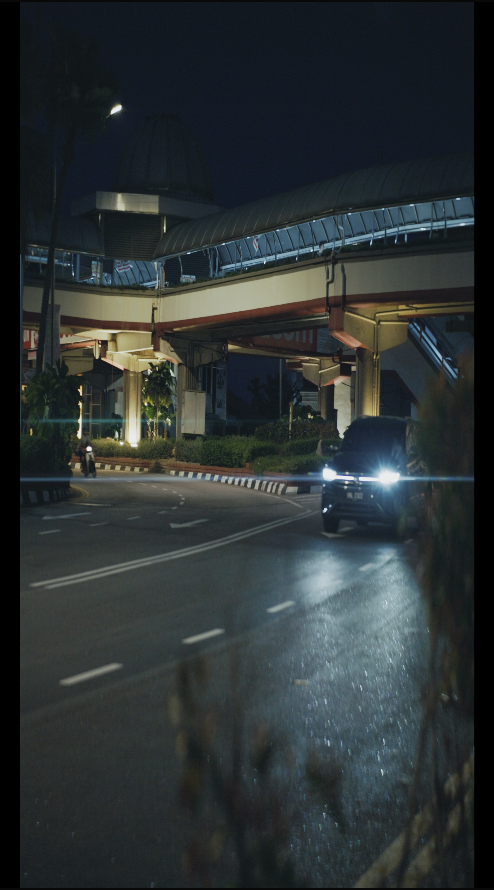
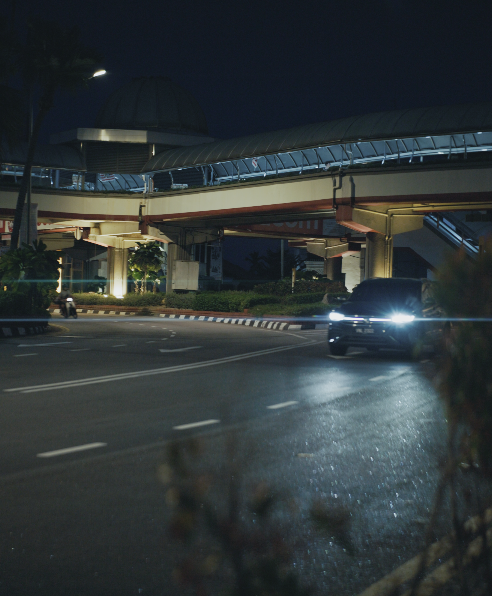
9:16 vertical shooting by rotating the lens at a 90-degree angle.
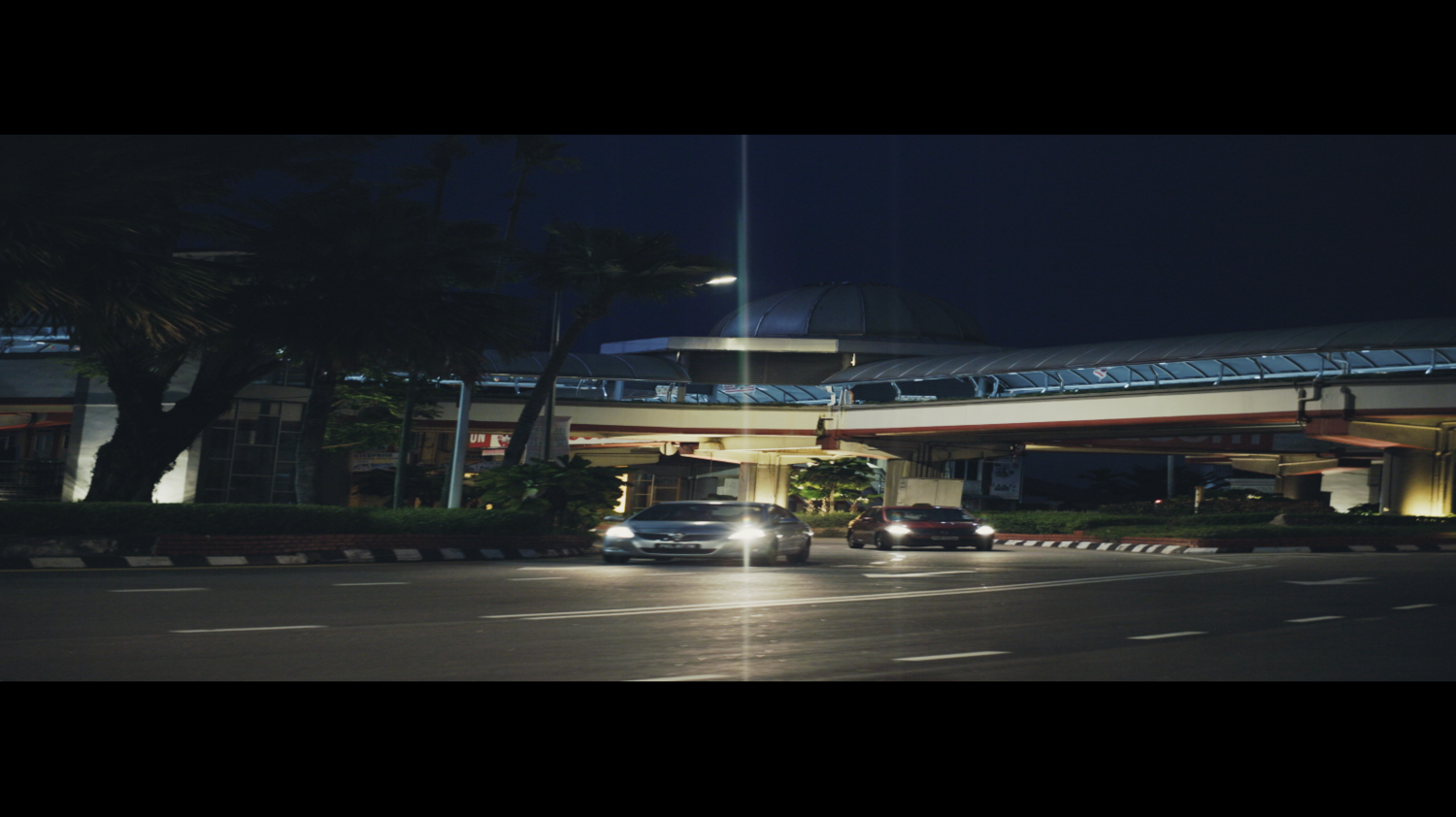
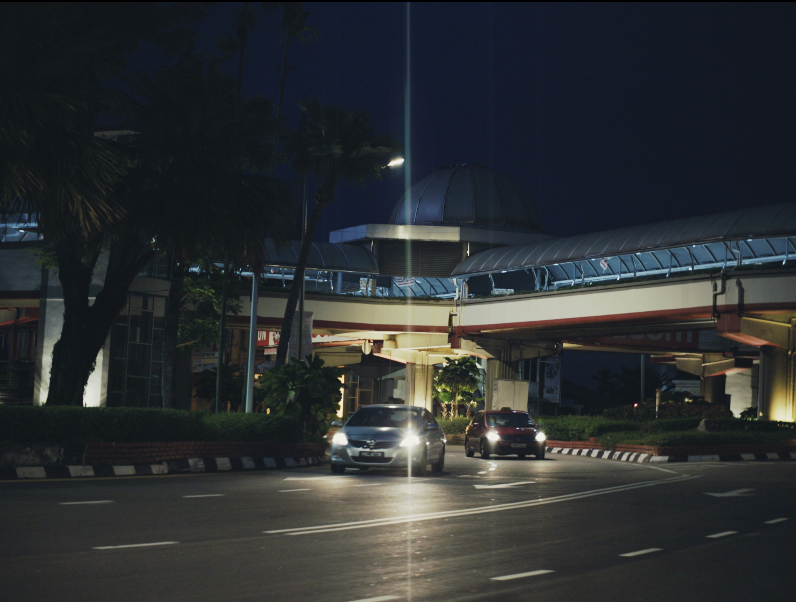
Horizontal shooting by rotating the lens at a 90-degree angle. Notice the aspect ratio change and vertical streak flare.
https://www.youtube.com/watch?v=euIe2F2UWuA
Summary
What I Liked
- Uniformity: Identical size, weight, and filter threads mean no re-balancing your gimbal or moving your follow-focus motors.
- Build and Feel: Premium build quality with a buttery-smooth, 270-degree focus ring.
- Neutral Flares: Adapts to your lighting rather than forcing a sci-fi blue streak into the scene.
- Broad Compatibility: The PL mount (with a short rear element) easily adapts to almost any camera system.
- Optical Performance: Surprisingly sharp and delivers a clean, modern look with very minimal focus breathing.
- The Look: Delivers that classic wider horizontal field of view while maintaining the subject separation you want from anamorphic glass.
- Close Focus: Excellent minimum focus distance (as close as 48 cm) completely removes the need for screw-on diopters.
- Smart Engineering: Successfully overcomes traditional anamorphic headaches (size, inconsistent distortion, and the "mumps" effect).
- Pricing: Highly accessible for independent creators and owner-operators.
What Could Be Improved
- The Squeeze Factor: A 1.5x squeeze might not be narrow or drastic enough for shooters chasing a typical anamorphic look.
- Lens Metadata: A way to record lens metadata into the footage would be wonderful.
- Native Mounts: An iteration with direct mirrorless mounts (E, RF, Z, etc.) to potentially remove the need for adapters entirely.
- Size and Weight: While we are at it, further size reductions are always welcome for modern run-and-gun setups.
- Autofocus: Now that we have quality glass, having an AF version in the next iteration would be a massive workflow upgrade.
- Color Options: A stealthy, classic black lens body design option would be nice instead of just the titanium-tone.
Final Thoughts
Ultimately, the DZOFilm Arcana series serves as an exceptional starting kit if you are looking to get into anamorphic gear. At just $1,099 for a single piece or $2,899 for the full combo of three lenses, it is incredibly accessible for independent creators, film students, and upgrading photographers. Honestly, I feel extremely lucky to be a creator at this time and am excited for the future. Having access to high-quality glass at an affordable price completely changes the game. Keep in mind, though, that this remains a rather niche application lens. Because of its highly specialized look, you won't be able to pull this out for every type of shoot.
Lastly, here is my advice: if you don't have the budget to pick up all three, I recommend going for the 45mm first. It is tight enough to clearly showcase that beautiful anamorphic compression while remaining wide enough to preserve your environmental context. On the other hand, if your budget stretches to a two-lens setup, grabbing the 32mm and the 75mm is absolutely the way to go, as that combination allows you to cover both extremes perfectly. If you want to go deeper on the craft side of motion work, the Introduction to Video: A Photographer's Guide to Filmmaking tutorial is a solid companion for getting the most out of glass like this.


Join the Fstoppers community for free
-
Post comments and join in the discussions
-
Browse the site ad-free
-
Share your work and get featured in the community
-
Compete in the photo contests for fun and prizes
6 Comments
Long, long time ago, I shot Anamorphic on a motion picture film camera. I can’t even figure out what you folks are talking about or what the allure is of using an Anamorphic lens on a digital camera.
I got to admit, I never had the chance nor the privilege to shoot motion picture on film. Though I am always curious what it looks like. Hope you could share something with me.
Here I can only share my thoughts on digital sensor and what I think about it based on my observations. Personally, its just another creative tool made available to the public.
Did the anamorphicness make a different in the film? I think the anamorphic lenses are sort of a "flex" among some film makers...The few DP I know do not use them. Not sure why or why not.
From my brief experience, it really is a highly niche tool, renders image in a unique way, but I might not want it in all my work unless that is what I am known and specialized for
Zhen, have you tried any anamorphic photography? I shoot a lot of landscapes and am tired of cropping half the pixels away but really don’t want to deal with an external monitor. I shoot an R5ii if you have any tips or pointers.
I would not really recommend it assuming in landscapes you want all the pixels dead sharp. If that is not the case, you can use an anamorphic lens to shoot. An external monitor is not necessary when working with anamorphic lens, but if you would like to know how your final framing looks like, you are going to need it since the R5ii doesnt support it natively.
This is certainly out of the topic here, but alternatively, what most landscape people do is to shoot it with a pano kit or tilt-shift lens and stitch the images in post. The latter is recommended as you are not restricted to the specific lens movement.