
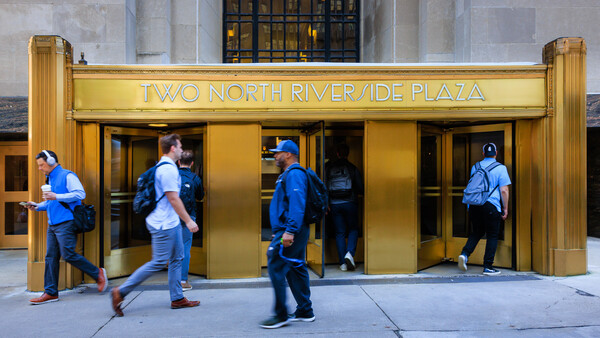
Street photography can be intimidating for those of us who usually stick to nature. But after spending years shooting landscapes, I've realized that the transition to the city isn't really about learning new techniques. It's about realizing you already have most of the tools.
Finding a Connection With the City
I've always been a landscape photographer at heart. It's what I focused on when I first picked up a camera, even while living in Chicago. There's a certain comfort in the pace of the natural world, and I've spent plenty of time wandering in the wind and the elements photographing anything that catches my eye. However, I also felt a persistent urge to use my camera to connect with the urban environment I enjoyed living in.
Taking photos of the skyline and other large cityscapes is a natural bridge for a landscape photographer, but street photography always felt like a different beast. It seemed intimidating. I lacked the confidence to simply start shooting in a crowded area and believed I needed a new set of photographic knowledge, or maybe a fundamentally different personality. It took some time to realize that I didn't need to become someone different. I just needed to apply the skills I already had.
Street Photos Aren’t Just About People
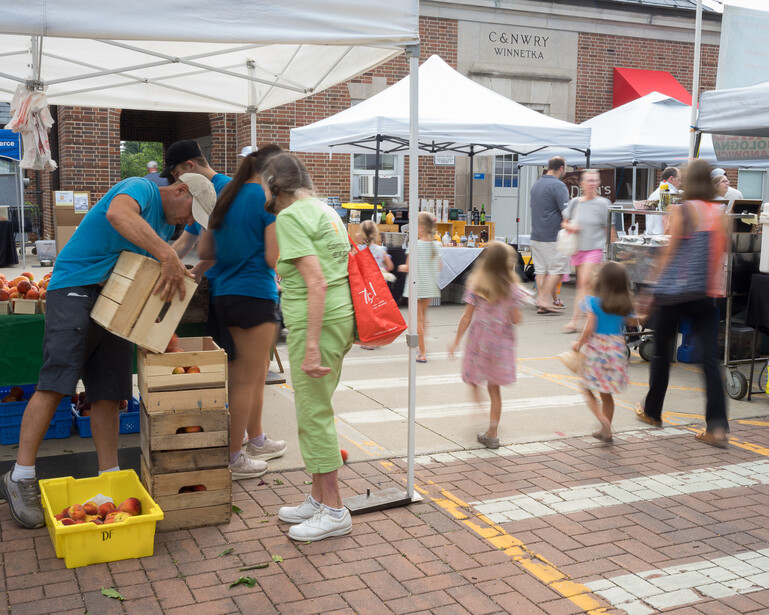
One of the first things that helped me get over the hump was realizing that street photography doesn't have to be a series of close-up portraits. If you look at social media, you see a lot of posed portraits or intense eye contact with strangers. Those are great for some people, but they don't define the whole genre.
If you're like me and you're more interested in how people interact with the built environment, that's a perfectly valid way to work. You can show the "life" of a city through moving buses, trains, or the general flow of a crowd without ever making a single person the sole focus of the image.
I've found that leaning into abstractions is a great way to show this human element. Using motion blur or panning to show a busy crosswalk or a commuter train can convey the lively feeling of the street without being so literal. As landscape photographers, we already use these tools to show movement in water or clouds. Using them on a sidewalk in your city or town isn't really that different. It's just about showing a "general humanity" rather than a specific individual.
Interesting People vs. Interesting Photos
It's easy to fall into the trap of thinking that if you find an interesting-looking person, you have an interesting photo. It's the same mistake people make in landscapes when they think a pretty view automatically makes a compelling image.
The presence of an interesting person doesn't automatically elevate a weak frame. Without a strong composition and good light, it's still just a snapshot. A good street photo relies on the exact same fundamentals we use in the woods: Is the frame balanced? Is the light doing something useful? Focus on the core elements of photography first, and let the subjects be a part of that structure. That is what will elevate your street photography, rather than exclusively looking for someone "interesting."
Go Fishing
Some street photographers thrive on constant motion. They flow in and out of the crowd, reacting quickly as they spot a scene or subject, then move on immediately. This dynamic approach, called “hunting,” creates photos within split-second windows. While this works for these photographers, it can introduce immense pressure for others. Plus it contains a lot of variables: your movement is constantly changing the composition, subjects are unpredictable, and the light is falling differently with every shift in position. For a landscape photographer used to a slower or more deliberate pace, this “hunting” style is often the intimidating image we have of what 'real' street photography looks like.
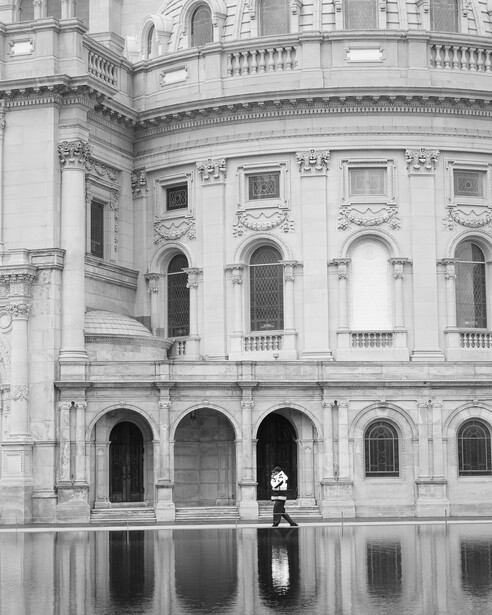
There is a different approach, that is easier to lean into from a landscape photography background. Think about when you’re out in the field and you’ve found the perfect frame, and all it needs is waiting for the light to shift or for the clouds to drift into just the right spot to balance the sky. You aren't moving. You’re just waiting for the world to move for you.
Street photography can be the same. This approach is called “fishing.” You find a spot where the architecture is interesting or the shadows are hitting the pavement in a cool way. You set your exposure, frame the shot, and you wait. Eventually, someone will walk through the frame and provide that human element you need. Instead of "hunting" them down, you’re just letting them walk into the stage you’ve already set. It’s a much more relaxed way to work and it builds a lot of confidence because you aren't trying to manage twenty variables at once while walking. It also lets you maintain that deliberate, landscape-driven pace.
Gear Matters, Even Though It Doesn’t
There's a lot of talk about needing specific "street" gear, usually focusing on being innocuous. Pocketable rangefinders, small mirrorless bodies, prime lenses, or discreet compacts are touted as must-haves. While those are nice, they really aren't a requirement. What actually matters is that you're using something you know well and can operate smoothly.
If you're comfortable with a larger DSLR or a mirrorless setup, use that. You don't want to be fumbling with new menus or a tiny dial while you're already feeling a bit out of your element. The only real consideration is that you'll be on your feet and shooting handheld. I wouldn't suggest lugging a massive, fast telephoto zoom around all day just because of the weight, but otherwise, the gear you already own for landscapes is more than enough. Knowing how your camera body handles different lighting situations or the relative strengths and weaknesses of your lens is far more important than any notion of being discreet. The kit is just a tool, and familiar tools will always get you better results than buying a new one because you think you need to look the part.
Closing Thoughts
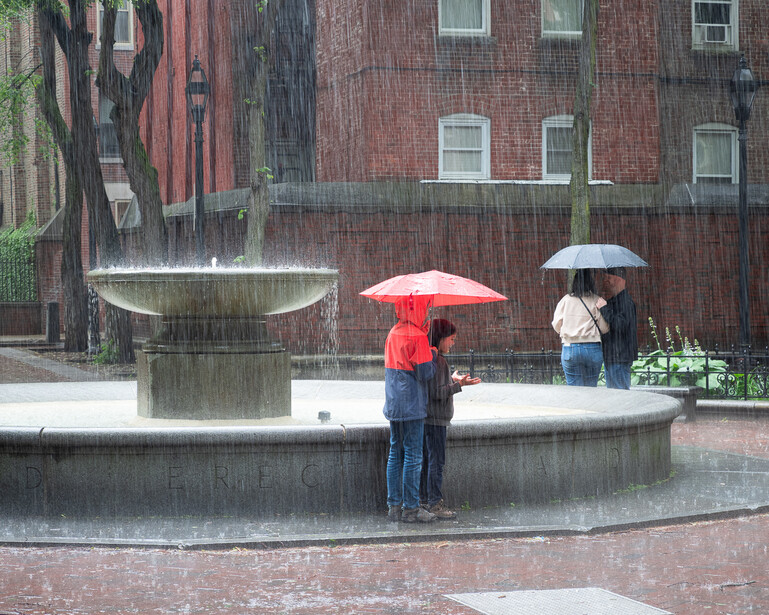
If you're more inclined to head out into nature to be on your own, street photography can definitely feel intimidating. But the good news is that you already have the skills you need to get started. You might be a little more self-conscious the first few times you try it, but that's nothing new.
I know for me, I was self-conscious being out anywhere I might encounter people for at least the first few years I practiced photography. I had real imposter syndrome and genuinely dreaded the "what are you shooting?" question. Getting in the reps is what eventually removed that feeling in forest preserves and at lakefront beaches, and the same thing happens if you keep heading out to take street photos. Embrace the discomfort at first, remind yourself that you already know more than you think, and give it a try.
Have you tried your hand at street photography yet? If so, which landscape skills did you find yourself leaning on the most?


Join the Fstoppers community for free
-
Post comments and join in the discussions
-
Browse the site ad-free
-
Share your work and get featured in the community
-
Compete in the photo contests for fun and prizes
No comments yet