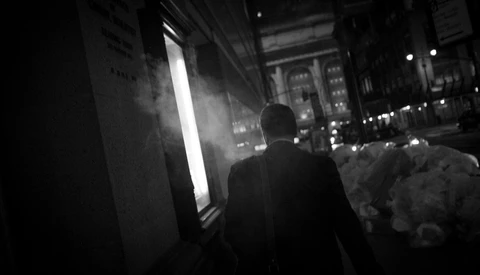
How to Not Screw Up Your Street Photography at Night
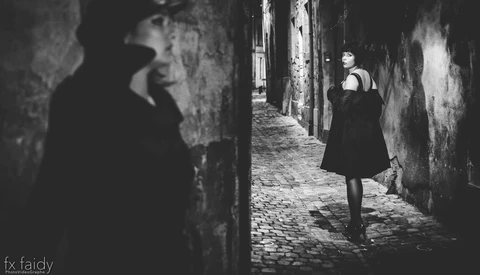
Capturing a great street photograph during the day is hard enough, let alone at night.
Capturing a great street photograph during the day is hard enough, let alone at night.
There’s a constant stream of new technology on the horizon, new features and capabilities that are undoubtedly valuable to someone. But how do we know if that someone is us? How do we know what’s worth investing in and what’s worth passing up? Here are three questions to help us figure that out.
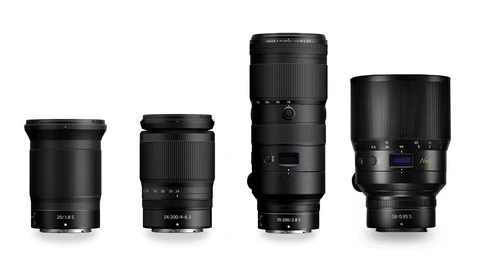
Back in October, we got a taste of Nikon’s plans for 2020 and 2021. The lens line-up for its Z-mount cameras has been slightly lackluster to date, but things might be about to change — coronavirus permitting.

These are tough times, and they're likely to get tougher. The virus has been spreading quickly, affecting countries around the world and causing the cancellation of many events. This article isn’t intended to be doom and gloom or alarmist for the sake of it, but rather to help.
One of the attributes of great software is that it has multiple ways to accomplish a single task. Lightroom Classic is one of those in that it has various ways to import files.
Benjamin Franklin once said: "for every minute spent organizing, an hour is earned."
Your photographs will always be a copy. Unfortunately, a cheap one, too. There are two main reasons why you're quite limited in creating art.
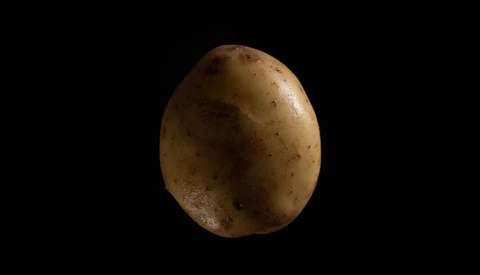
You can’t polish a turd, but you can do your darndest to make sure all your ducks are in a row, photographically speaking. To prove that you can make anything look good, I'm shooting an old potato. Surprisingly, it doesn’t take a lot to make your images sing, so here’s my top four tips to make any subject look good.
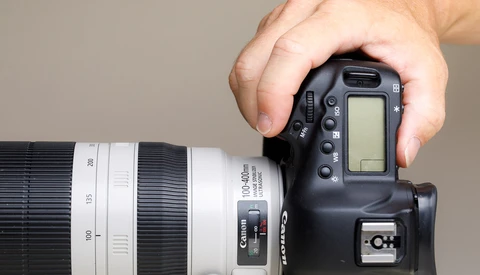
If your subject is far away, you can use a longer focal length to bring it closer. When the subject is very large, a shorter focal length can capture it al at once. But did you know the focal length can also be used in another way?
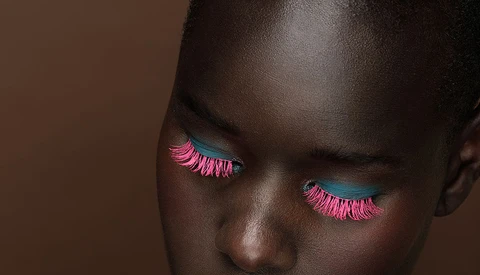
I've been getting more and more into beauty photography lately, and I'm a big proponent of using one light whenever possible.
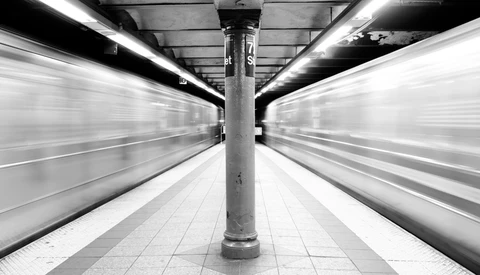
Over years of teaching, I’ve gotten a chance to review photographs by all types of photographers. While there are lots of mistakes that can be made, there are a few consistent ones that stand out the most to me.
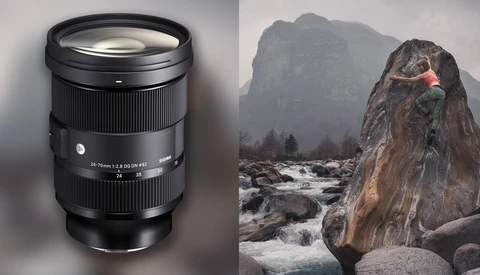
Until last year, f/2.8 standard zooms for Sony mirrorless cameras were limited to Sony’s hefty GM, an impressive lens with a price tag to match. Suddenly, there’s a trio from which to choose, and the Sigma 24-70mm f/2.8 DG DN Art is a welcome addition to the fray.
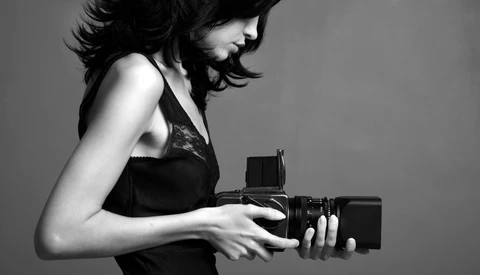
I will use any camera, as long as it's beautiful.
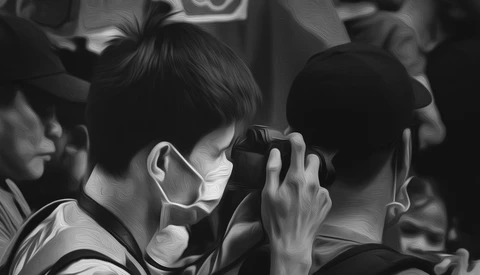
The 2019 novel Corona virus has been hitting industries hard, and it is not sparing creative industries.
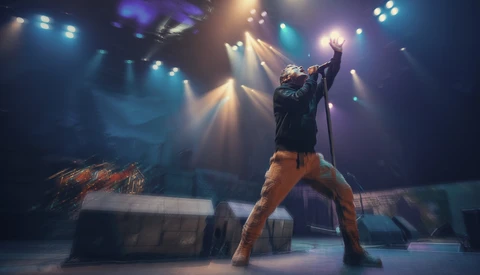
Concerts and events can either be exciting and fun or quite challenging for us photographers due to the low-lit environment and having to share the space with other photographers, all while being crammed into a tight space. Luckily, a little bit of planning and preparation can go a long way to avoid any disasters while shooting.
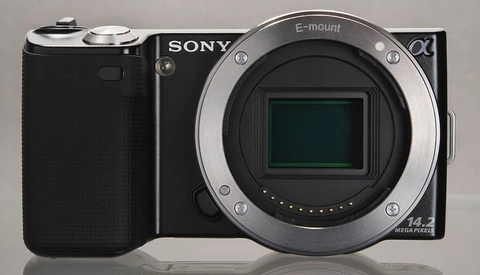
Mirrorless… the one design to rule them all. The master of the full frame is undoubtedly Sony, however has it inadvertently introduced a short-lived shelf life with some in-built obsolescence?
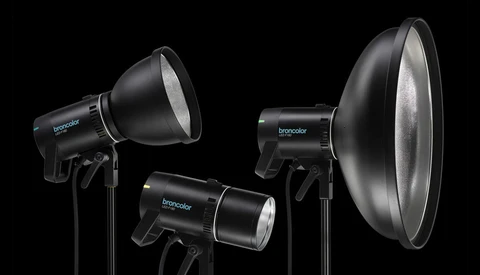
Continuous LED lights have made a ton of progress in the last few years, and they have become more powerful and versatile than ever, making them a viable alternative to strobes in a lot of situations. In this review, we will take a look at the Broncolor LED F160, a compact, high quality option.
Our friends over at GuruShots, "The World’s Greatest Photo Game,” hosted a challenge recently where participants were asked to submit their best nightfall Image. There were thousands of entries and 37.6 million votes throughout the contest. Check out the three winners of the challenge as well as the 100 top rated images below.
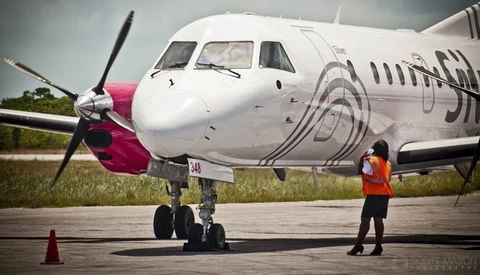
Traveling for work is like viewing an impressionist painting : From a distance it looks beautiful, but up close it can look like a complete mess.
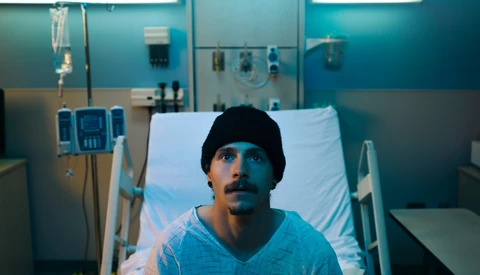
Photographer Aaron Anderson has done it again, and this time, it’s with Paralympic gold medalist Noah Elliot. The collaboration was an incredible process, though Anderson admits that it might also possibly be one of the hardest productions they’ve worked on.
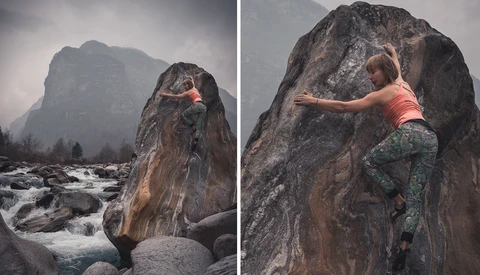
I recently returned from 10 days of camping in the Swiss mountains, having just taken one of my favorite climbing images. As is often the case, it was another lesson in humility: sometimes, you need the person in your photograph to tell you what you’re doing wrong. Here’s how it came about.
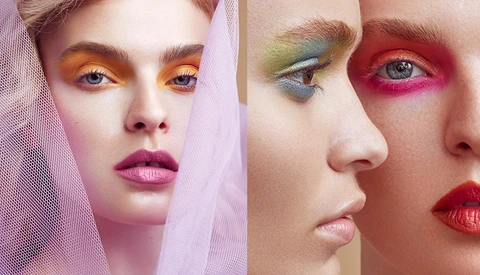
One thing I love the most about my job is to be able to work with hugely talented people in my team. It’s always so inspirational to be around them and never fails to serve as an outstanding learning opportunity.
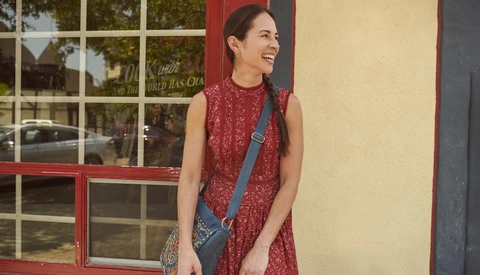
While strolling aimlessly along downtown streets this weekend, doing a bit of photography just for fun, I was reminded of one of the reasons I fell in love with photography in the first place. I was also reminded that this simple reason still provides benefits, both professionally and personally.
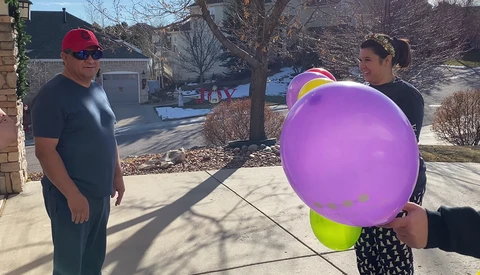
As photographers, we appreciate the importance and the simple joy of experiencing the world in full color. However, for about five percent of the population, color blindness prevents that experience and affects their everyday lives. One company is hoping to change that, and I was lucky enough to witness firsthand the way they are improving people's lives.
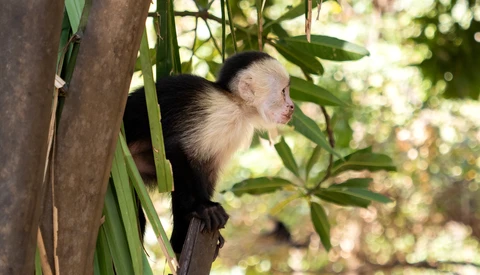
Being from the United Kingdom, I am well versed in protecting my camera against drizzle and Brexit, but the rainforest and high humidity were entirely new beasts.