
For years, I've heard the same argument repeated over and over: micro four thirds cameras just aren't professional enough. The shallow depth of field can't compete, the image quality falls short, and serious photographers should stick with full frame sensors. Honestly, I didn't know if this claim was true or just internet chatter. So when I got my hands on the brand new OM System 50-200mm f/2.8 lens and decided to test it against my Sony a7 IV with the massive Sigma 300-600mm f/4 lens, I knew this was going to be an eye-opening experience.
The OM System 50-200mm f/2.8: A Telephoto That Doesn't Break Your Back
Let me start by saying this thing is surprisingly manageable. The new OM System 50-200mm f/2.8 (formerly Olympus before the brand transition) weighs just 2.4 pounds and feels remarkably similar in size to a full frame 70-200mm f/2.8, which happens to be my personal favorite lens of all time.
When you account for the 2x crop factor on micro four thirds sensors, this 50-200mm lens gives you an equivalent field of view of 100-400mm on full frame. That's some serious reach in a package that won't destroy your shoulders after an hour of shooting.
Here are the key specs that caught my attention:
OM System 50-200mm f/2.8 Key Features
- Equivalent focal length: 100-400mm (full frame)
- Maximum aperture: f/2.8 constant
- Weight: 2.4 lbs
- Minimum focusing distance: 30 inches throughout entire zoom range
- Image stabilization: Up to 7 stops when paired with OM-1 body
- Weather sealing: IP53 rated
- Filter size: 77mm
- Includes Arca-Swiss compatible tripod foot
The lens features a smooth manual focus ring toward the front and a zoom ring closer to the body. There's also a focus limiter switch that lets you restrict the focusing range, which is super helpful when you're tracking distant wildlife and don't want the lens hunting all the way from close focus to infinity.
What really impressed me was the minimum focusing distance of just 30 inches. This lens can get near-macro level magnification, which became a huge advantage during my testing (more on that later).
Setting Up a Fair Comparison
Now, comparing different sensor sizes isn't as straightforward as just pointing both cameras at the same subject. There are four critical factors I had to account for:
- Field of View: A 100mm lens on micro four thirds looks more "zoomed in" than the same lens on full frame due to the smaller sensor. To match the framing, I had to multiply the micro four thirds focal length by 2x. So I shot at 200mm on the OM lens and locked the Sigma at 400mm on the Sony.
- Depth of Field: This is where things get confusing for a lot of people. To match the depth of field between sensors, you also need to apply the crop factor to the aperture. An f/2.8 lens on micro four thirds produces roughly the same background blur as an f/5.6 lens on full frame. This isn't about brightness. It's about the fact that you're using a physically shorter focal length to achieve the same framing, and shorter focal lengths naturally have more depth of field.
- ISO Performance: Larger sensors typically handle noise better. Full frame cameras generally have about a two-stop advantage in high-ISO situations, though it's more complicated than that when you factor in pixel pitch and modern sensor technology.
- Camera Position: I had to shoot from the exact same spot with both cameras. Moving closer or farther changes perspective entirely, and I wanted to eliminate that variable.
For this test, I shot the OM System 50-200mm wide open at f/2.8 and the Sigma 300-600mm at its native f/4.0 aperture at 400mm. I also used an "older" pro-level camera (the Sony a7 IV) to make the comparison more realistic for photographers who might already own a slightly older full frame body.
The Exposure Problem I Didn't Expect
Before diving into the results, I need to address something that drove me absolutely crazy during this two-week test: maintaining consistent exposures between these two systems was a nightmare.
On paper, I thought it would be simple. The Sony with the f/4 lens should always be one stop darker than the OM camera with the f/2.8 lens when using identical ISO and shutter speed settings. And most of the time, that's exactly what happened. I'd either boost the Sony files by one stop in Lightroom or increase the ISO/slow the shutter by one stop in the field.
But then, in certain situations, particularly in low light with high ISO settings like during the pickleball shoot, both cameras would somehow produce identical exposures with the same settings. What gives?
It turns out both the Sony a7 IV and the OM-1 Mark II use dual native ISO sensor technology. These sensors switch to different gain algorithms once the ISO passes certain thresholds. Unlike older cameras where boosting ISO simply degraded the image in predictable ways, these modern sensors can actually produce cleaner shadows and better dynamic range when they flip to that secondary gain stage.
I try to point this out as we look at the images in the video above, but just know that getting comparable exposures in every situation was extremely frustrating because the two sensor systems don't behave identically.
Bokeh and Depth of Field: The Full Frame Advantage
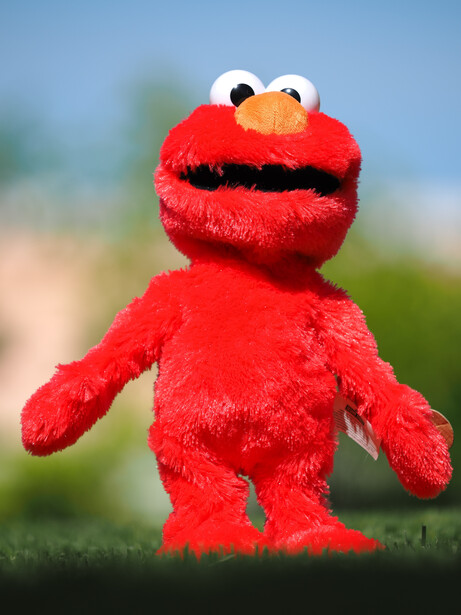
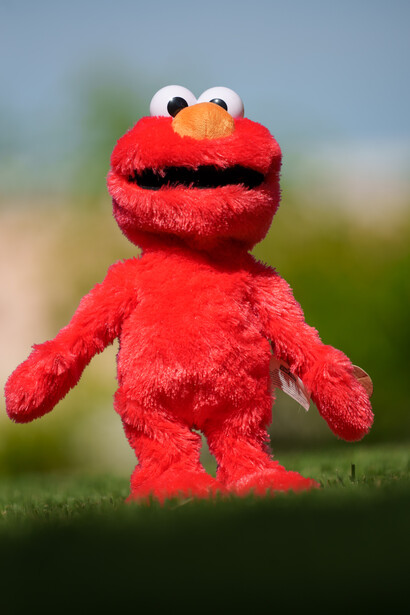
Let's address the elephant in the room first: yes, the full frame camera absolutely produces more background blur and shallower depth of field. This is probably where you'll see the biggest difference between these systems and why there's such heated debate about image quality.
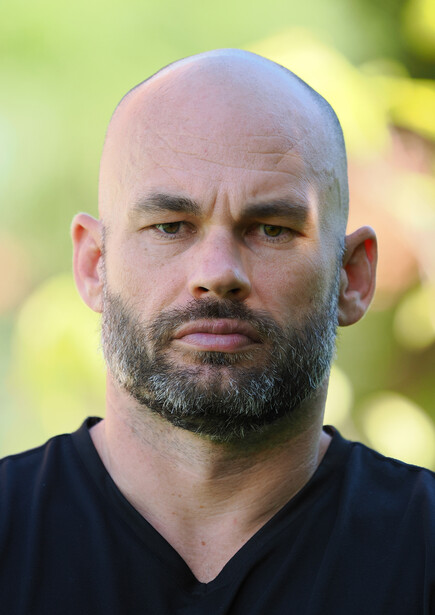
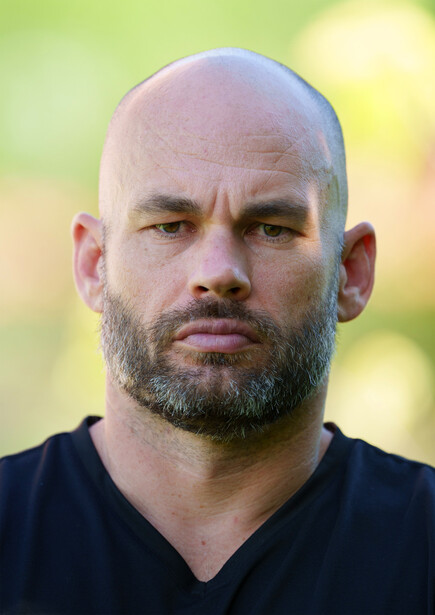
Looking through my flower shots, the palm leaves closer to the camera were noticeably more out of focus on the Sony system. Background elements like those out-of-focus highlights and transitions between colors, definitely appeared softer and more abstract on the full frame sensor.
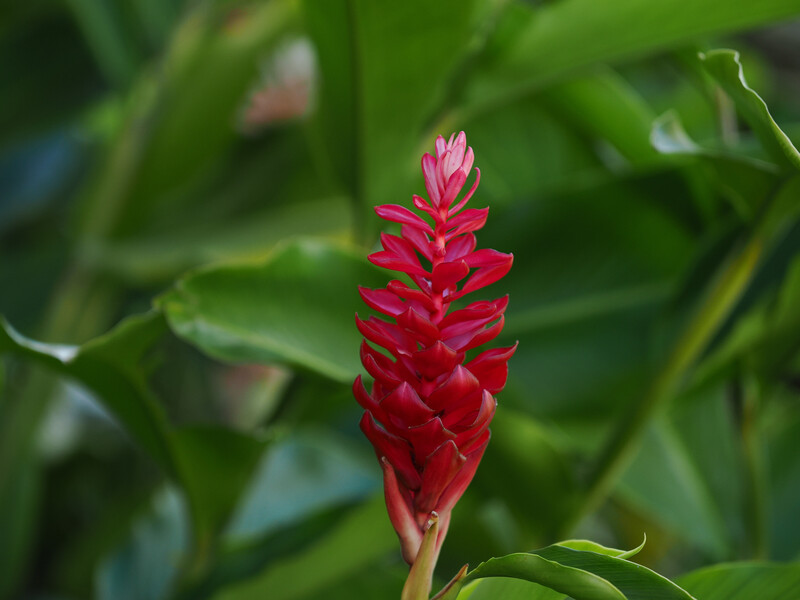
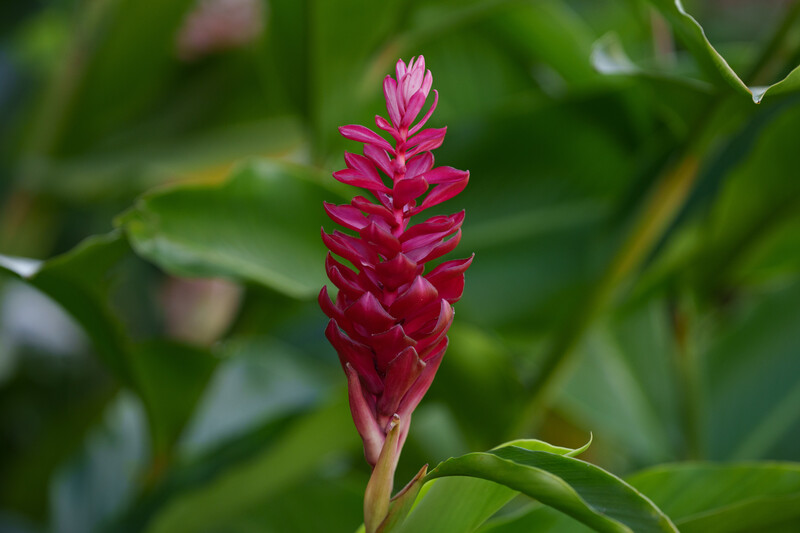
However, the difference wasn't always dramatic. When shooting at 400mm equivalent, it became surprisingly difficult to distinguish which camera produced which image. Yes, if you study the images closely, the full frame sensor wins every time. But depending on your composition and how far background elements are from your subject, the difference may not be as pronounced as you'd expect.
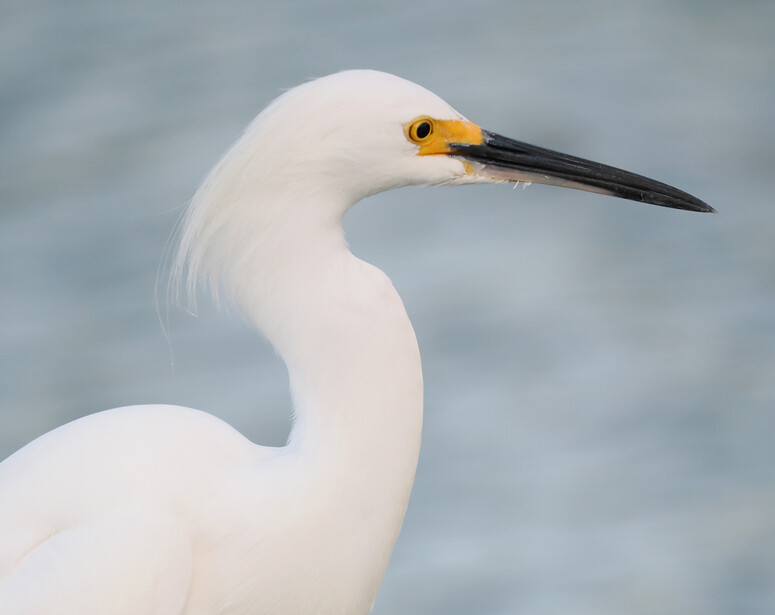

For wildlife photographers who obsess about separating their subjects from distracting backgrounds, this matters. The full frame system definitely blurs backgrounds more, giving that creamy, dreamy look. But there's an unintended consequence: when you have such shallow depth of field, you might get a bird's foot in perfect focus while the other foot just inches away is completely soft.
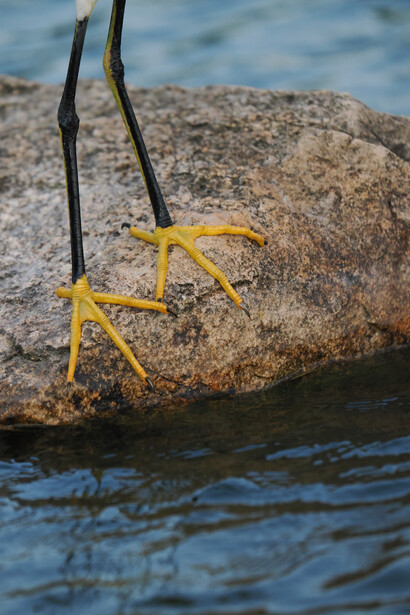
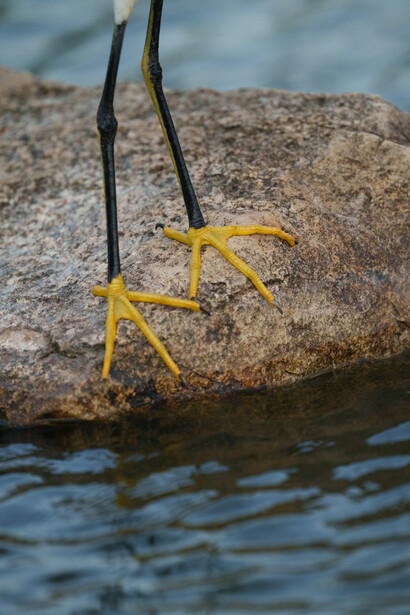
On the micro four thirds camera, I found both feet stayed sharp. So you have to ask yourself: what's more important? The absolute creamiest background, even if parts of your subject fall out of focus? Or having more of your subject acceptably sharp, even if the background isn't quite as buttery smooth?
The Macro Focusing Advantage Nobody Talks About
Here's where the OM system absolutely destroyed the full frame setup: close focusing ability.
I didn't pay attention to the specs before heading out to shoot, but the difference is staggering. The Sigma 300-600mm has a minimum focusing distance of 9 feet at 300mm, and you have to step all the way back to 15 feet at 600mm. The OM 50-200mm? Just 30 inches throughout the entire zoom range.

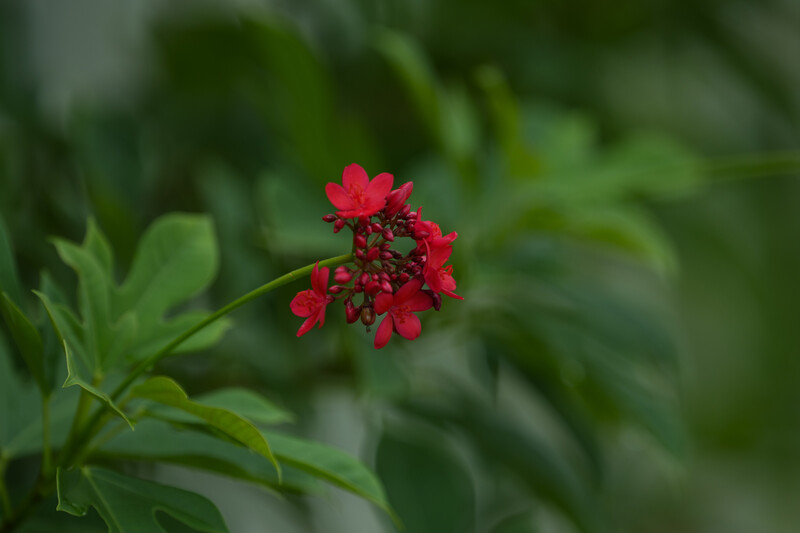
There were multiple situations where I could capture near-macro level images of flowers with the micro four thirds camera, only to discover I had to back up 8 feet before the Sigma would even achieve focus. This isn't necessarily a sensor size issue; it's just how incredible this OM lens is. But for photographers who want versatility in a single lens, this is a massive advantage.
Wildlife and Sports: Where Things Get Interesting
I'll admit upfront: I'm not a wildlife or sports photographer. But I do know these are the genres where lenses like these shine, so I spent two weeks shooting everything from birds and my dog Gibson to golf, tennis, and even late-night pickleball under artificial lighting.
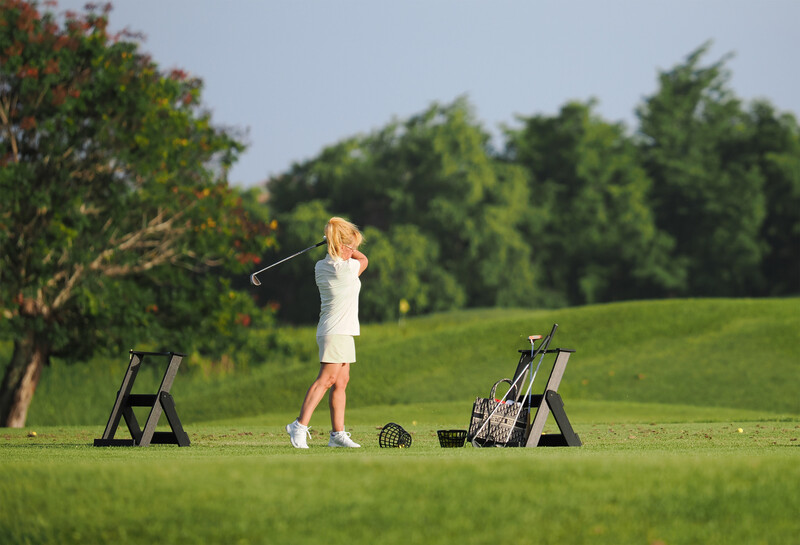
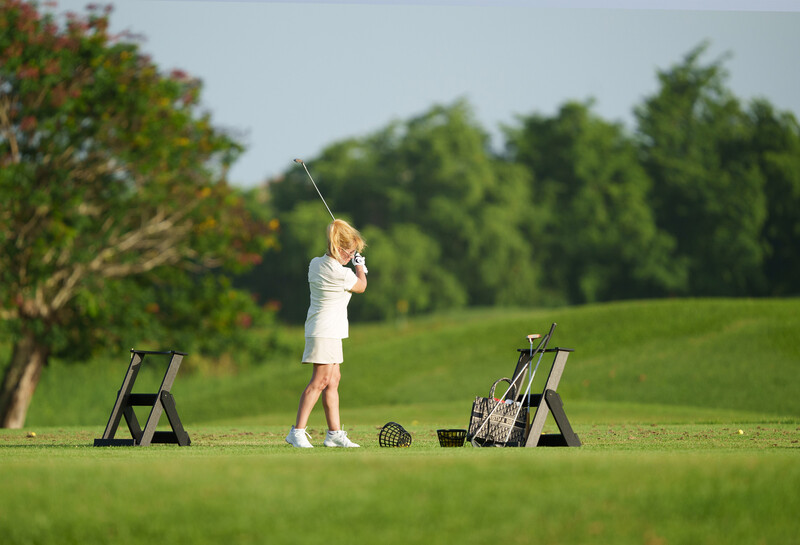
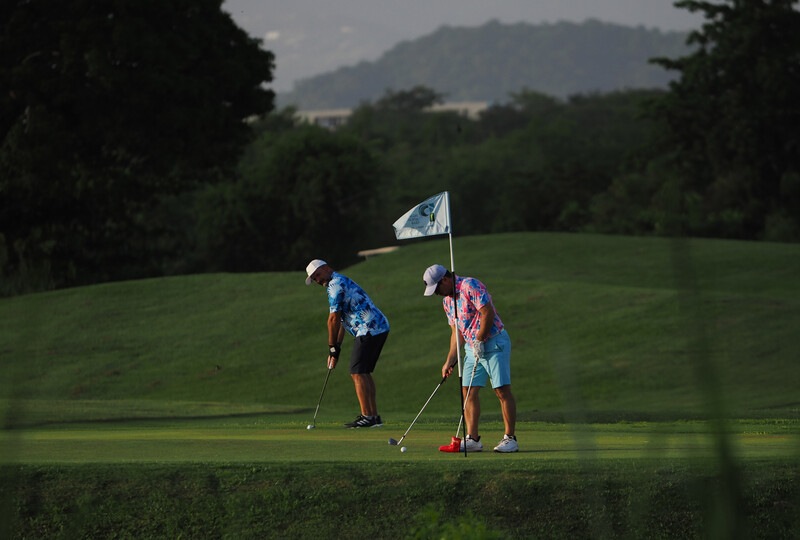
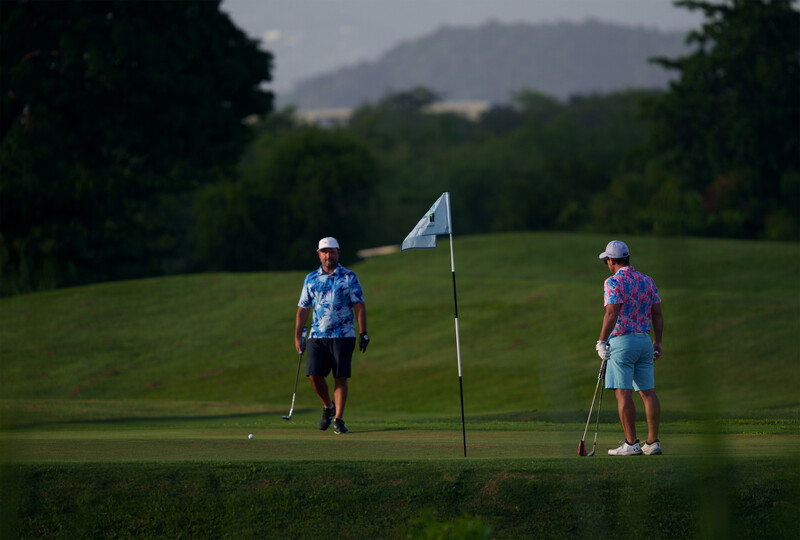
For distant subjects, like golfers 50 to 100 yards away, the bokeh differences between the two cameras were minimal. I'm actually shocked at how similar these images look. I can't imagine a publisher or normal viewer would have much preference between them. Even the tennis shots looked 90% identical to my eyes.

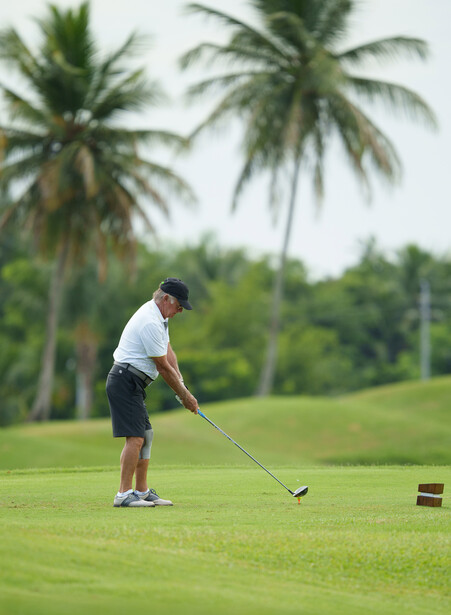
The full frame camera did produce slightly sharper images with more detail when I pixel-peeped, but you really have to be obsessing over image quality to care about the differences in these sports shots.


The Low Light Challenge
Shooting pickleball at night under artificial lighting might be on the most demanding situations for any camera system. You need fast shutter speeds to freeze motion, insanely high ISOs because the light quality is poor, long lenses to reach the action, and fast apertures to gather enough light. It's a recipe for disaster.

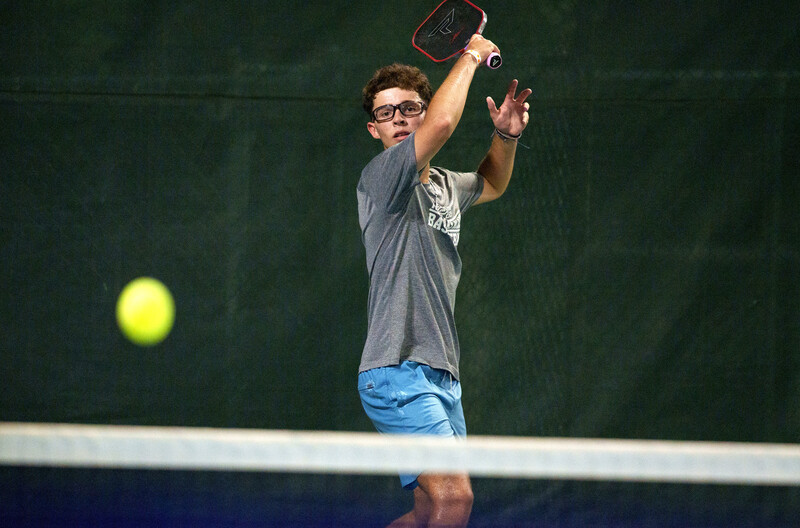
I wound up shooting at 1/1,000th of a second with the OM-1 at f/2.8 and ISO 12,800, while the Sony needed even higher ISO at f/4.0. These are extremely high ISO settings, but I didn't want to compromise on shutter speed when I needed to freeze the action.
The results? Both cameras handled the noise incredibly well. The detail was surprisingly good, and the auto white balance on both systems did a remarkable job under those terrible stadium lights. It's really hard for me to say one looks wildly superior to the other. I could get perfectly acceptable shots with both systems.
The Weight Factor: A Reality Check
Here's something I haven't mentioned yet: the Sony a7 IV with the Sigma 300-600mm weighs 10.2 pounds. The OM-1 with the 50-200mm? Just 3.7 pounds.
That's almost a 3x difference in weight.
During a two-hour pickleball session, I reached a point where I simply did not want to lift the Sony setup anymore. Without a monopod, it completely sucked the joy out of photography. I experienced hints of this fatigue throughout the two-week testing period, but nothing drove the point home like shooting continuously for two hours.
For context, I shot weddings for 15 years, regularly holding a 70-200mm f/2.8 for 8+ hours at a time. That never bothered me because it's roughly the same size and weight as this OM system. But this massive Sigma lens? After holding it for just five minutes while talking, my arms would already start feeling it.
Autofocus Performance: The Surprise Winner
I've always praised Sony's autofocus as the best on the market. I genuinely believed that going into this test. But during the pickleball shoot, I have to admit: I missed far more shots with the Sony than I expected.
The OM-1 Mark II? The autofocus was unbelievable. Pretty much every shot was perfectly in focus. It was extremely rare for the focus to rack incorrectly or latch onto the wrong player.

I don't know if it's because of the low-light situation or the challenge of having four players close together, but the OM-1 nailed focus in a way I wasn't prepared for. Many times I thought I'd missed focus, only to review the images on my computer and discover the entire sequence was perfectly sharp.
The OM-1 also shoots an absolutely staggering 50 to 120 frames per second. I accidentally enabled this halfway through the match and easily blasted through 4,500 images because the camera was firing so rapidly. On one hand, this let me pick the absolute perfect moment. On the other hand, culling became a challenge when I had so many nearly identical frames to choose from.
The Sony, by comparison, shoots 10 frames per second, which I thought would be plenty for sports, but I definitely missed more decisive moments compared to what I captured on the OM-1.
My Final Thoughts: Fun vs. Ultimate Quality
After two weeks of intensive shooting, here's my biggest takeaway: having fun while shooting and being nimble matters more to me than I realized.
I typically don't even carry a professional camera on vacation because the weight and bulk ruin the experience. During this test, I no doubt had more fun shooting the OM camera with the 50-200mm lens. I felt excited to jump in a golf cart, explore, spot a shot, and run 100 yards to get a new perspective.
With the full frame system, I constantly found myself wanting to baby the equipment. It's expensive, so I worried about scratching it. When I saw a potential shot in the distance, I'd think, "Do I really want to carry this thing all the way over there?" Even when I got great shots and set the camera down for a break, I had to coerce myself to pick it back up again.
The OM system feels like a normal 70-200mm lens, something I'm completely used to after 15 years of wedding photography. I can casually hold it all day without feeling cumbersome or tired. The Sony setup? After just five minutes of holding it while talking, my arms would be screaming.
Are the Full Frame Photos That Much Better?
There's no doubt the full frame camera system produced better image quality than the micro four thirds setup. Was it night and day better? I don't think so. Was it noticeable? Yes, if you look at them side by side, you can see differences. Would anyone who isn't a photographer be able to tell or even care? Absolutely not.
If you're viewing these images on a computer screen or printing them at 8x10 size, I genuinely don't think the image quality difference matters much. If you're a professional photographer making serious money shooting sports and wildlife, then yes, the full frame system is a no-brainer. You want the best of the best.
But what about hobbyist photographers?
On one hand, if you obsess about detail and having the absolute best equipment, and you're never truly satisfied owning something slightly below the newest flagship offering, I don't think the OM-1 system will curb your lust for the cream of the crop. And that's fine. I'm like that with guitars. I get it. If that's you with photography, go for the absolute best. Enjoy your hobby. There's nothing wrong with that.
However, if photography is a hobby but you still want to capture wildlife and sports, and you're fine with image quality that reaches 80-90% of what the top cameras produce, and you don't want to be slowed down by sheer weight, I think the OM-1 and this 50-200mm lens would be perfect.
If I had to shoot a golf tournament, got access to a concert, or booked a safari to Africa, there's no doubt I'd grab the OM system. It's lighter, I could pack my bag with other lenses and just other photographic options. Carrying this thing around, I mean, I can't imagine taking this on a plane. I can't imagine carrying this on a safari. It just feels like I would never want to leave the house even dealing with this if it's just for fun and it's just for a hobby or even if I'm being paid for it if it's not something that I'm doing day in and day out all the time. It's been a real eye-opening experience shooting with a lens like this.
It's the same reason that I grab my Panasonic GH5 camera anytime I have to take video. I just enjoy using a smaller camera and I feel like for most viewers, even for myself, the image quality is just not that different. I kind of feel like we've hit that peak point of diminishing returns, and so, having a big full frame camera with all the grip and lighting and the gimbal and like, I don't want to deal with it. And I do this stuff professionally. So, I think there is a place for both of these camera systems. I think both of these as I just shown produced incredible images.
The Price Difference Is Significant
Before wrapping up, let me reveal the cost difference, something I intentionally avoided looking at until now.
The Sony a7 IV body costs $2,500, and the Sigma 300-600mm lens runs $6,600, for a total system cost of $9,100.
The OM-1 Mark II body costs $2,100 (not that much cheaper), and the 50-200mm f/2.8 lens is $3,700, for a total of $5,800.
If my math is correct, the micro four thirds system costs about 40% less than the full frame equivalent.
Of course, you also have to factor in what you already own. If you've invested heavily in Sony, Nikon, or Canon lenses, it might make sense to pony up for the $6,600 lens and add it to your arsenal. But if you don't own a bunch of lenses or want a single lightweight system exclusively for shooting super telephoto images, the OM-1 and the 50-200mm f/2.8 is absolutely a system you should consider.
And here's something else to consider: the OM System also offers teleconverters like the MC-14 1.4x and MC-20 2.0x that work with this lens. With the MC-14, you'd transform this into a 140-560mm equivalent at f/4, or with the MC-20, a crazy 200-800mm equivalent at f/5.6. That kind of reach in such a portable package is something the full frame system can't match without spending even more money and adding even more weight.
Conclusion
I think there's a place for both of these camera systems. Both produced incredible images. Yes, the full frame camera produces technically better images, I'll absolutely say that. But I don't know if it's as big a deal as people make it out to be on the internet. Maybe it was 10 years ago, but it certainly isn't now.
We've hit that point of diminishing returns where the experience of shooting—the joy of it, the portability, the fun—might matter more than squeezing out that last 10-20% of theoretical image quality. At least for me, and maybe for you too.
Whether you go with the OM-1 Mark II and 50-200mm f/2.8 or stick with a full frame system like the Sony a7 IV, Nikon Z8, or Canon EOS R5 with their respective telephoto lenses, make sure you're choosing the system that fits your shooting style and not just chasing specs on paper.
Watch the full video above to see all the side-by-side comparisons and judge for yourself. And if you have experience shooting micro four thirds or full frame telephoto lenses, I'd love to hear your thoughts in the comments below.

Join the Fstoppers community for free
-
Post comments and join in the discussions
-
Browse the site ad-free
-
Share your work and get featured in the community
-
Compete in the photo contests for fun and prizes
9 Comments
If I was still into Sports photography a Four-third camera and lens wou have been a viable option. There is a clear advantage in carrying smaller, lighter gear as fas as mobility in those situations. You might say the same for wildlife photography.
I bought into OM as a second system using it just for travel and birds/bugs, and it's the best choice I ever made (though Canon remains tops for indoor low-light event work). If you can afford to, using full frame and m43 seem like natural compliments to each other when it comes to photography needs.
"On the micro four thirds camera, I found both feet stayed sharp. So you have to ask yourself: what's more important? The absolute creamiest background, even if parts of your subject fall out of focus? Or having more of your subject acceptably sharp, even if the background isn't quite as buttery smooth?"
You can always shut down the aperture on the full-frame camera to match the MFT depth-of-field. Full-frame or (equivalent) faster lenses give you the option of more subject separation, but it's a choice, not a limitation.
I'll also add that many of the differences you found aren't attributable to MFT vs Full-Frame, but are specific to the cameras and lenses you chose. If you'd grabbed the Canon R8 + Canon RF 100-400, the FF setup would have been lighter and cheaper than MFT, but had deeper minimum depth-of-field and worse low-light performance... the results would literally flip 100%.
I am not too sure the OM has dual gain. Happy to be corrected...
Dynamic range is proportional to sensor size. More dynamic range is nice when you need it and worthless when you don't.
Every other advantage photographers claim for FF sensors is provided by larger lenses not larger sensors. High ISO performance claims particularly crack me up because hiking ISO removes the only significant advantage larger sensors have.
There is a proviso that large lenses at the shorter focal lengths smaller sensors require become expensive then impractical.
If you want low light performance and blurry backgrounds you need big lenses and generally pay for it in lbs and $.
I pared down my GAS fueled camera collection to full frame and m43 a few years ago because, I shoot only raw, the ImageQuality/gear heft ratio of M43 is exactly what I needed for extended treks of all ilk, particularly those involving long teles (eg tourist safaris). I totally sympathize with the camera fatigue described using hefty full frame gear. With ever improving raw noise reduction software the differences in IQ between M43 and full frame seem increasing limited, for my uses, to the greater dynamic range I see in my hi bit full frame raw images on my wide gamut monitor, but those differences mostly vanish in the more limited gamut of jpegs and ink jet prints.
I have shot exclusively with MFT in the past. But every time I ended up going back to full frame systems. The image quality differences were clearly noticeable when comparing roughly equivalent lenses like the OM-1 + 40-150mm f/2.8 and Sony a9 + 70-200mm f/4. I still use MFT. But it is not my primary system and I only use it under specific conditions where I know the smaller sensor will give me good results. The reality is full frame cameras and lenses of about the same size as MFT will give equal results.
As an Olympus shooter, I appreciate the effort to create an even playing fields here. But I do think that comparing a Sigma 300-600 with the 50-200 (or 100-400 in FF terms) was unfair to both lenses. The weight and price are bound to stack up against the Sony and Sigma without adding a 200mm penalty. If you shot with the 1.4 extender permanently attached it might have been a fair fight. That said, you make a great case for the new OM lens - I'm ordering mine as I type. Thanks for work.
I am so glad to see you write this:
"There's no doubt the full frame camera system produced better image quality than the micro four thirds setup. Was it night and day better? I don't think so. Was it noticeable? Yes, if you look at them side by side, you can see differences."
Every time I read or watch anything about the M43 system, all I ever hear is praise for it, and zero acknowledgement that there may be some things that the full frame format is better at. There are those of us who are really picky about the way anything in the background or foreground is blurred, and who love to look at our images on huge 5K monitors and zoom way in to see the smallest details, and who want to see those super fine details resolved as crisply and as cleanly as possible.
I have no doubt whatsoever that the M43 cameras are easy and convenient to carry around. And I understand how important that is for a lot of people. So I get that the M43 system is a better system for a lot of folks. But people being tone deaf to the marginal image quality differences between M43 and full frame is exasperating to me. So many folks refuse to acknowledge that FF is a bit better when examined very closely for fine detail resolution at the pixel level .... and yes that actually is important in real world use for some of us.