Sunrise plans, moody skies, and a year of field use set the stage for a frank look at Canon’s high-resolution workhorse. If you shoot portraits, landscapes, or hybrid projects, the question isn’t specs on paper but whether a stacked sensor, faster bursts, and upgraded codecs change how you actually work.
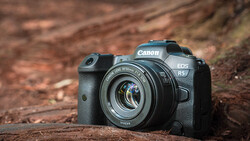
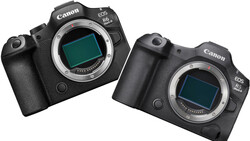
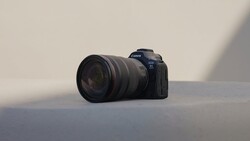
Coming to you from James Reader, this candid video puts the Canon EOS R5 Mark II mirrorless camera under long-term scrutiny. You'll see how color stays true to the Canon look with a warmer tilt, where oranges and reds can need a nudge down in post. You also see why 45 megapixels still matters in controlled light, since fine detail in eyes and skin pops in a way the a lower-resolution body can’t quite match. Reader compares studio results to a lower-resolution sibling and finds the gap smaller than expected, yet still visible where it counts on tight crops.
The video walks through real gains that don’t scream on spec sheets. Pre-shooting saves near-miss moments, especially with motion threading through a frame. Eye-controlled AF becomes a quiet travel superpower when you want a focus point placed faster than a joystick can manage. Electronic shutter performance jumps to 40 fps while keeping 14-bit files, and rolling shutter artifacts drop thanks to the stacked sensor. Reliability improves too, with freezes from the original body not showing up across long days.
Key Specs
-
45 MP effective resolution (8,192 x 5,464), 36 x 24 mm full frame BSI stacked CMOS
-
Sensor-shift 5-axis image stabilization
-
Native ISO 100–51,200 (50–102,400 extended)
-
Internal 12-bit raw; DCI 8K up to 59.94 fps; UHD 8K up to 29.97 fps; DCI/UHD 4K up to 120 fps; 2K/1080 up to 240 fps
-
4:2:2 10-bit over HDMI; Canon Log 2/3, HDR-HLG, HDR-PQ
-
Dual slots: CFexpress Type B and SD UHS-II
-
Wi-Fi 6 and Bluetooth 5.0; GPS via phone
-
5.76-million-dot OLED EVF; 3.2" articulating touchscreen
-
Up to 30 fps stills burst, rated 93 raw / 200 JPEG buffer
C-Log brings cleaner exposure and grade latitude, letting you sit near neutral and shape later without banding or weird color breaks. 8K raw looks much cleaner than the first-gen body and actually feels practical. Codec flexibility helps tailor file sizes to the project, whether you’re stacking timelines or pushing image quality on hero shots. Slow motion remains the weak spot, with 4K 60p line-skipped and softer than you might like, though still workable with a touch of sharpening.
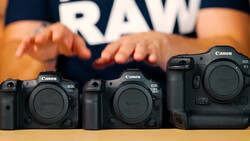
You also get context against cinema bodies. Side by side with a Canon EOS C70 cinema camera, Reader says the hybrid’s image now feels close enough to retire that camera if you crave full frame and want one system to travel light. He notes color from a Canon EOS C80 still edges out the hybrid to his eye, but dynamic range parity in many scenes is the surprise.
Autofocus in video and stills feels automatic in the best way. Eye detection locks and stays there without babysitting, including on animals, which takes the mental overhead out of run-and-gun. Low light diverges, however: stills past ISO 6,400 aren’t as clean as the original body, while video holds up well into higher ISOs with an organic look. Battery life stays steady despite the horsepower bump, which frees you to pack two or three batteries for a full day instead of a pocketful of spares.
Lens choices in the piece mirror how you might actually use the camera. Studio tests lean on the Canon RF 70-200mm f/2.8 L IS USM to show micro-contrast differences on skin and eyes. Handheld video with heavier glass benefits from the balanced grip, where something like the Canon RF 24-105mm f/2.8 L IS USM Z feels at home. You also get a quick weather-handling note from long days outside without drama.
There are pain points you should see before deciding. Overheating remains unpredictable on longer sessions, and IBIS wobble at 24mm and wider can spoil otherwise solid takes. Playback occasionally shows the second-to-last frame instead of the latest capture, which interrupts rhythm during flash work. Those quirks don’t erase the core gains, but they shape how you deploy the body on paid work. Check out the video above for the full rundown from Reader.

Join the Fstoppers community for free
-
Post comments and join in the discussions
-
Browse the site ad-free
-
Share your work and get featured in the community
-
Compete in the photo contests for fun and prizes
2 Comments
I'm not interested in the hybrid video features. I shoot mostly stills. The R5 I still continues to work for me quite well and there is/was no reason to upgrade to the R5 II with incremental improvements for the +/- $4000 price. Likewise, switching to a medium format system is cost prohibitive. My basic rule is if I do indeed upgrade, I'll skip over a generation (or 2) and wait for something (by anyone) with truly remarkable technology improvements with measurable impact on image quality. Camera manufacturers are continuing to make mostly variations of existing technology with only minor improvements and roll them out on a one or two year cycle It reminds me of the smart phone market.
I generally agree with the exception of stacked sensors and better focus systems.. This makes a huge difference for people who shoot action or wildlife. Otherwise I don’t see much improvement lately.