
The Laowa 200mm f/2 FF AF Dreamer autofocus lens has been released. Let’s have a look.
200mm is one of those focal lengths that you probably already know if you need or don’t need. It comes with all sorts of benefits, which we will discuss in a moment, but it’s also not what you would likely consider a “general-purpose” focal length due to its longer reach dictating tighter framing in close confines. But 200mm has a superpower, and the new Laowa 200mm f/2 FF AF Dreamer lens is a prime example.
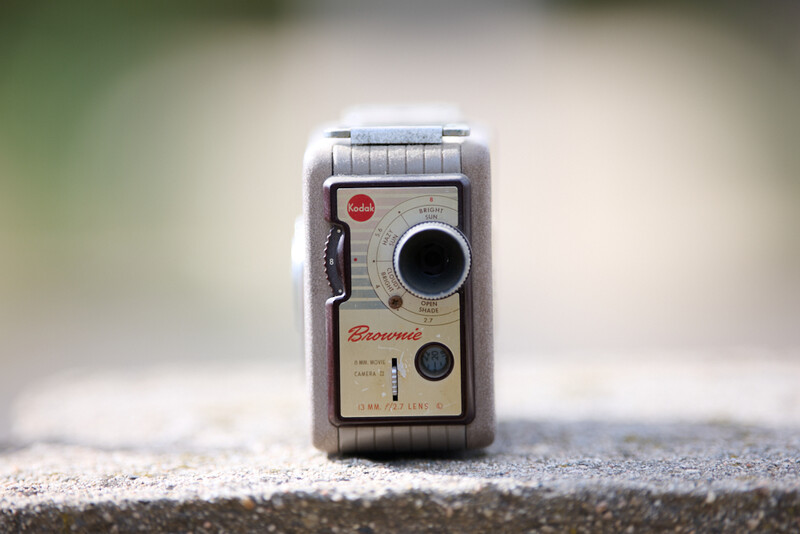
Bokeh
Right off the bat, this thing is a bokeh beast. If shallow depth of field is your jam, you’ll be in hog heaven the minute you open this lens up to f/2. In my own workflow—narrative film, commercials, and photography—I see this lens primarily serving as a specialist when I need beauty shots or close-ups. The 200mm gives amazing separation from backgrounds and really allows your subjects to stand apart. This is what I would go to when I want the audience to forget the world and just focus on the subject.
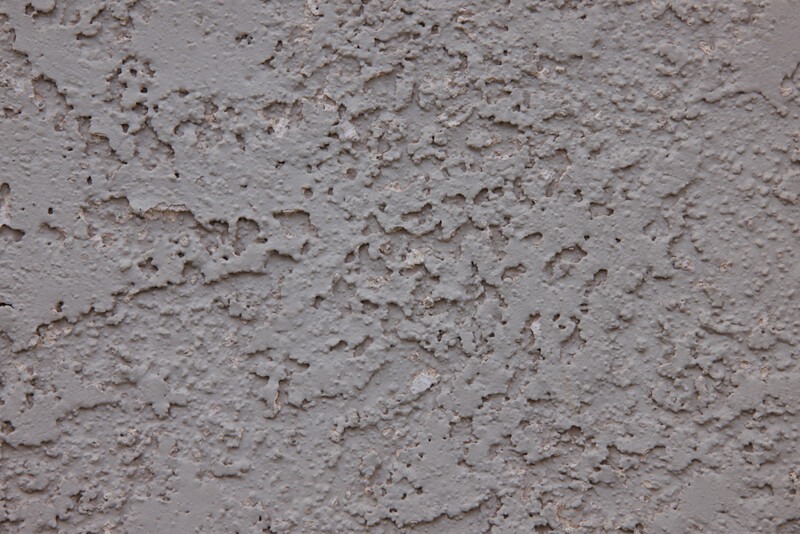
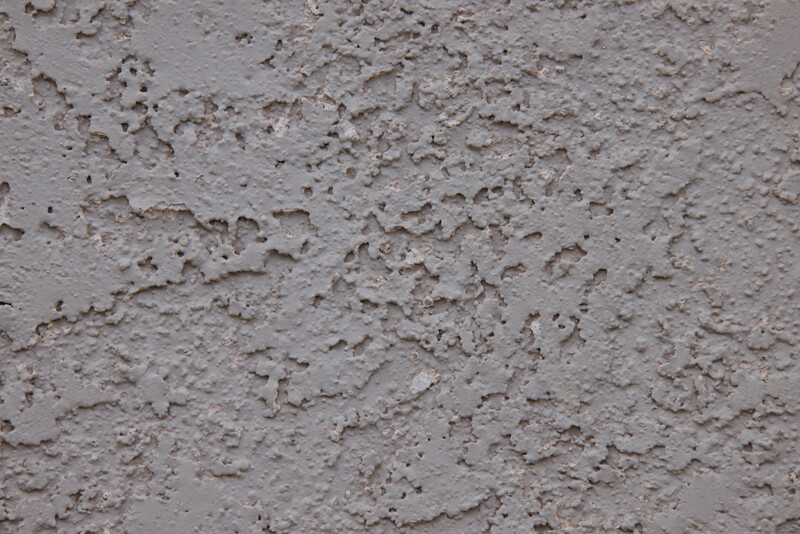
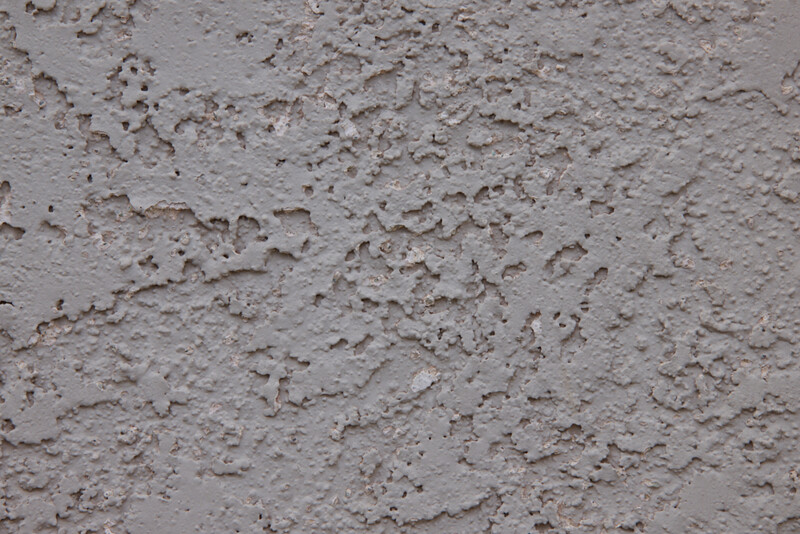
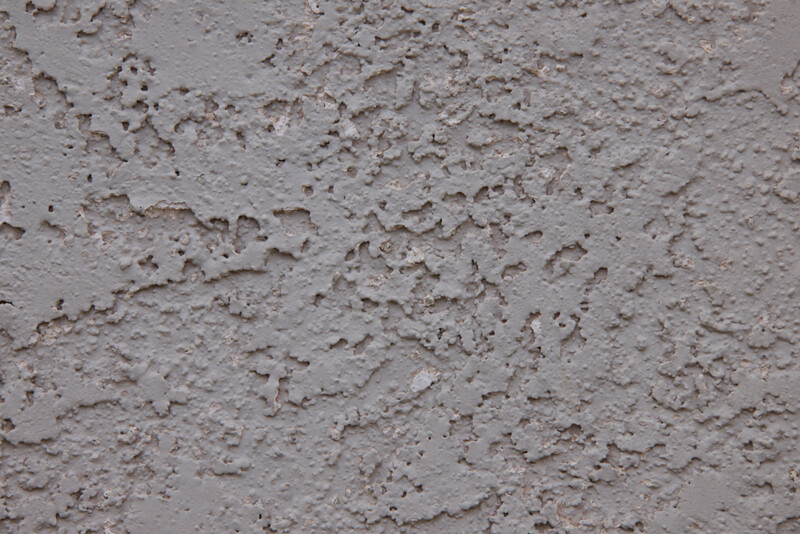
Of course, the lens is plenty sharp throughout the range. See these reference images of a good old-fashioned brick (stucco) wall test. At f/2, there was barely noticeable vignetting at the corners (easily corrected), and it cleans up instantly by f/2.8.
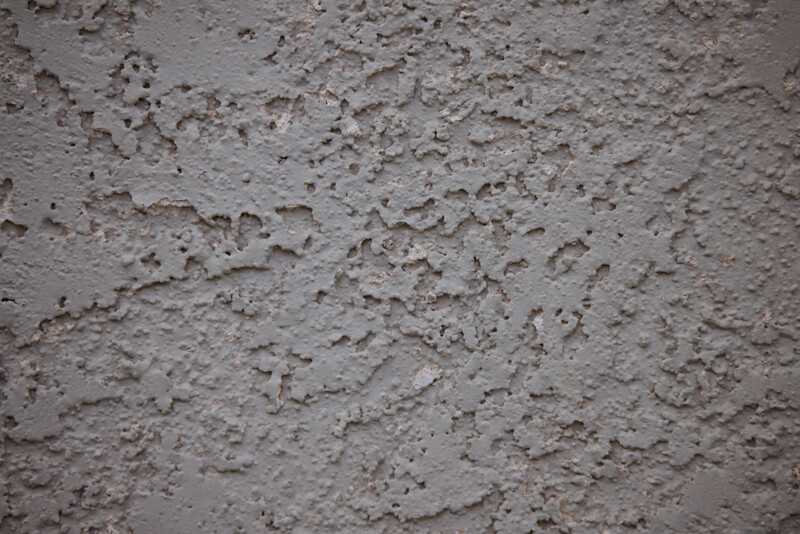
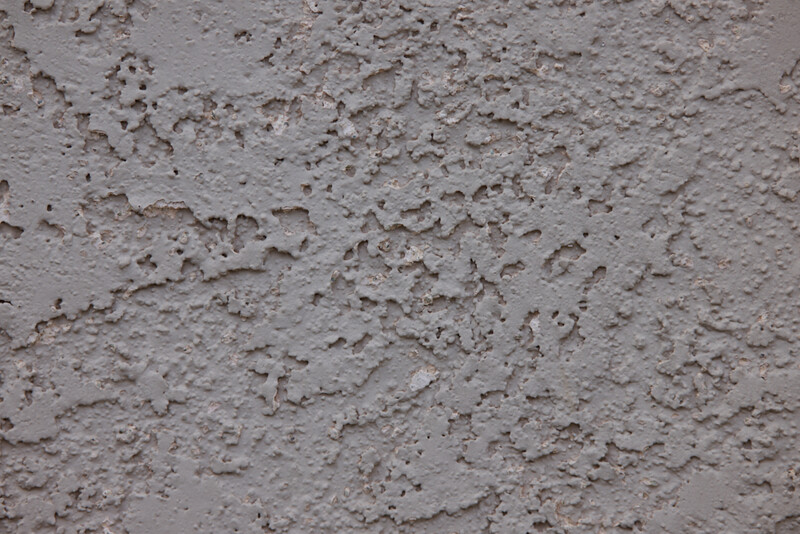
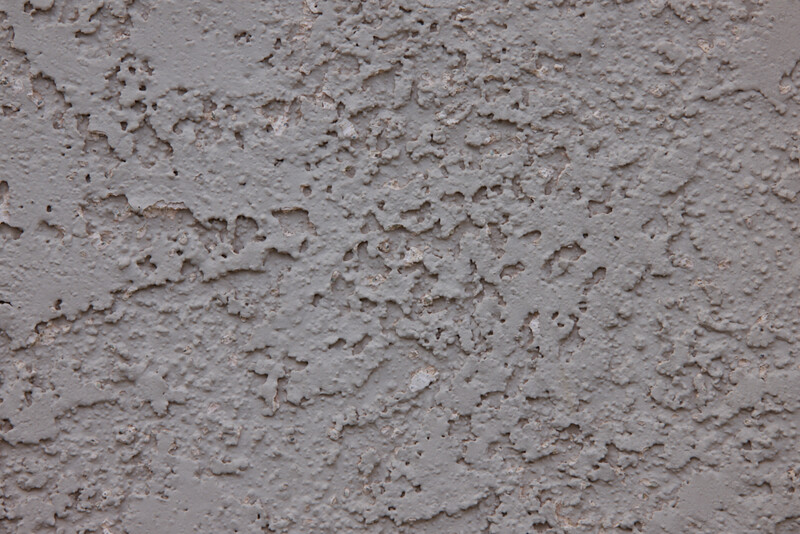
Autofocus
Beyond bokeh, one thing this lens touts is the ability to do both autofocus and manual focus. It comes in EF, E, and Z mount options. I didn’t get a chance to shoot a sporting event with it, but I did use it in test scenarios to see how it could follow the action in terms of autofocus speed. Unsurprisingly, I think native Z glass (I was testing with the Nikon Z9) focuses a bit faster, but the Laowa 200mm’s focus speed is more than adequate. Especially given the longer focal length, I would probably manually focus this lens in video and use the autofocus primarily for still images or stationary video subjects.
In the video link, I share my first impressions as well as an autofocus test to show how the lens keeps up.
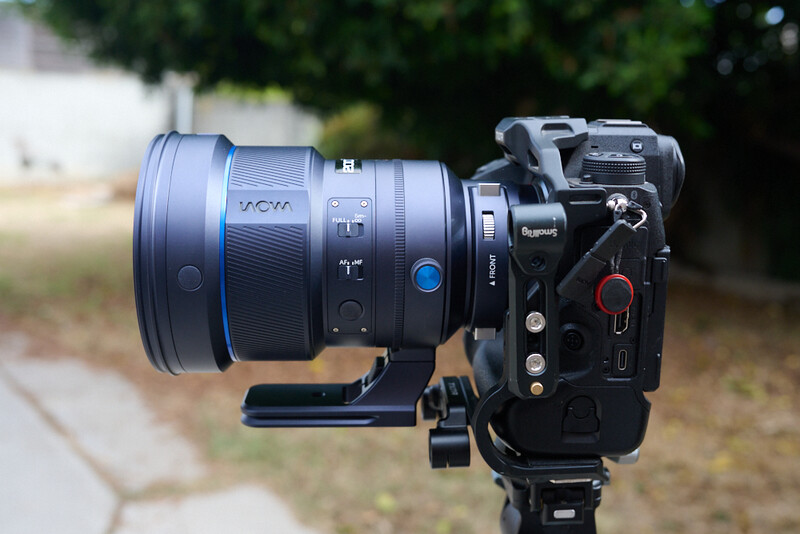
Ergonomics
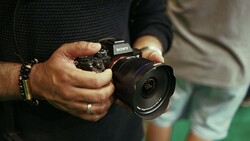
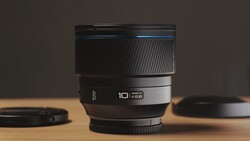
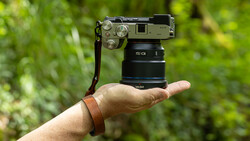
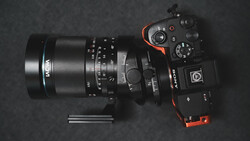
I really liked the size of the lens. It is relatively compact given its long reach. It weighs roughly 1.588 kg, so it’s relatively light. It includes a tripod foot for use with smaller camera bodies. The filter size is 105mm, so keep that in mind if you are using either screw-in filters or a matte box.
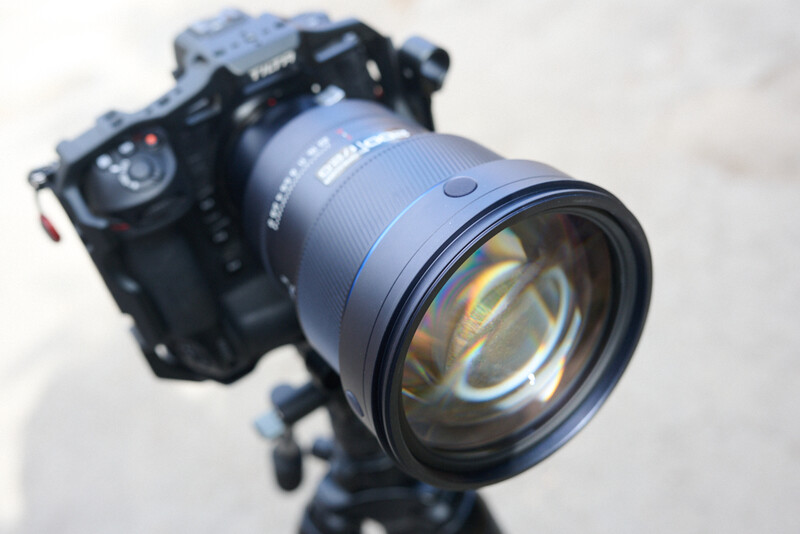
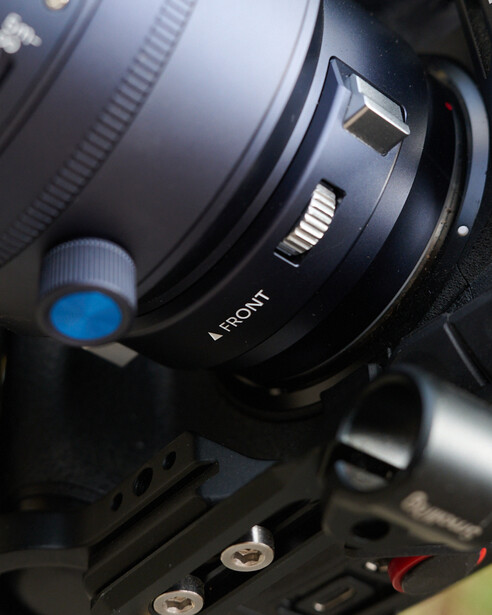
One cool trick is that the lens can take rear filters as well, which could allow you to ditch the matte box altogether (note this feature is only available on Z and E mount versions).
The lens has customizable function buttons that can correspond with features of your camera. The aperture range is f/2 to f/22. The lens has a manual ring on the barrel that allows you to quickly switch out of A mode (where you set your aperture in-camera) to manually overriding that and using the barrel to determine aperture.
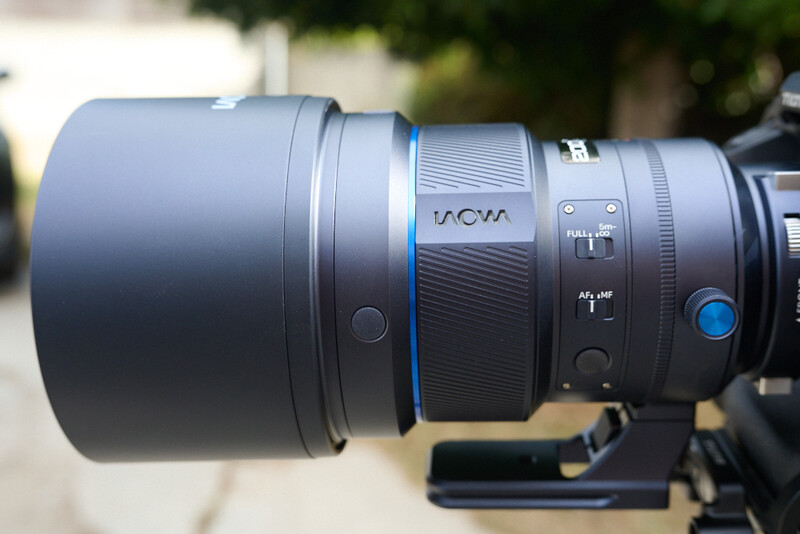
The lens also has a limiter switch, which allows you to limit the search area of the lens’s autofocus system. This can be key when using the lens for sports or events, helping autofocus speed by narrowing the range where the lens searches for focus and thus improving acquisition time.
Pros
- Bokeh
- Compression
- Background separation
- Weight
- Rear filter option
- Image quality
- Price
- Low-light performance
- Reach
Cons
- Focal length more demanding on autofocus
Conclusion
This is an excellent option for close-up work in video or when you know your subject will sit in the right physical proximity to use this as your primary lens. It is well priced at $1,799 (EF version) or $1,999 (E and Z versions) and offers good value for money. The light weight and compact size make it enjoyable to use, and the bokeh and separation you get at 200mm when shooting wide open are hard to beat. Get yours here: Laowa 200mm f/2 FF AF Dreamer.

Join the Fstoppers community for free
-
Post comments and join in the discussions
-
Browse the site ad-free
-
Share your work and get featured in the community
-
Compete in the photo contests for fun and prizes
1 Comment
Hey Malcolm!
The affiliate link that you have at the beginning of the article is not working .... this is what I get from B&H when I click on it:
"Sorry — we didn't find an exact match for Laowa 200mm f/2 FF AF Dreamer"