Choosing between the Fujifilm X-T5, the Fujifilm X-E5, and the Fujifilm X-T50 is harder than it looks on paper, because all three share the same 40-megapixel sensor, the same X-Processor 5, and the same in-body image stabilization system rated up to seven stops. The spec sheet won't make the decision for you, but the real-world differences between these three bodies absolutely will.
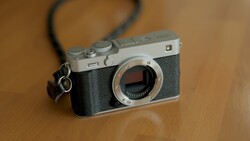
Coming to you from Take Kayo of bigheadtaco, this thorough side-by-side video puts all three cameras in hand and breaks down what actually sets them apart. Kayo starts with the X-E5, which pairs the familiar rangefinder-style layout with a three-way articulating screen, a smooth flat top panel, and what he calls the best build quality of the three. It ships as a kit with the Fujifilm XF 23mm f/2.8, and buying it that way drops the lens price from $500 down to $200. The flat profile also makes it the easiest of the three to slip in and out of a bag without snagging, which matters more than you'd think if you're carrying a camera all day.
The X-T50 is the one Kayo says he had the most fun shooting with, and his pick of the three if Fujifilm handed him one to keep. It's the smallest of the group and the only one with a built-in pop-up flash, which he found genuinely useful for quick group shots and handing the camera to someone who's never touched a camera before. It also has a dedicated auto mode that overrides your custom settings instantly, giving you a clean, simple shooting experience without having to dig through menus. The downside is grip room: if you have large hands or need to shoot with gloves, the body is tight enough to cause real problems, and Kayo mentions accidentally hitting the Q button more than once during a shoot. It also pairs well as a kit with the Fujifilm XF 16-50mm f/2.8-4.8, which drops in price when bundled.
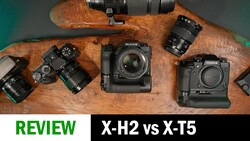
The X-T5 is the pro option, and it shows. It's the only one of the three with dual card slots, weather-sealing, both a D-pad and a joystick, a larger NP-W235 battery, and a 3.69 million-dot EVF. That viewfinder is where it really pulls away from the other two. The eye relief is significantly better, which makes a noticeable difference if you wear glasses and need to do critical focus work. Kayo owned the X-T5 for over two years before selling it, ultimately deciding the 40-megapixel files were more than he needed given his existing lineup of a Fujifilm X-T4 and Fujifilm X-Pro 3. He also notes that the X-T5 is the first X-T body that doesn't support a vertical battery grip, so if that's part of your workflow, the Fujifilm X-H2 with the same sensor and processor combination is worth considering instead. Check out the video above for the full breakdown and lens recommendations from Kayo.




Join the Fstoppers community for free
-
Post comments and join in the discussions
-
Browse the site ad-free
-
Share your work and get featured in the community
-
Compete in the photo contests for fun and prizes
4 Comments
Fuji is selling the experience of photography rather than actual results. Imagine how much less expensive it would be to produce a single camera using that sensor rather than four different cameras. You're paying a huge premium when purchasing a Fujifilm camera simply to have the aesthetic choice of different body designs.
Huge premium? Which other 40Mp mirrorless cameras with IBIS are you comparing them to? Fuji are giving us choice, personally I think that is a good thing.
What is it said about Henry Ford, you could have any color you want, as long as it's black. Providing one camera might provide cost savings, but they would sell fewer than the sum of the three models.
Different aesthetics at somewhat different price points, nothing wrong with that.
Fujifilm sells more than just the "experience of photography." They are producing cameras for different classes of photographers. Each camera is purpose built for a different mission. The X-T5 is built for the photographer purist. It has everything necessary to produce a perfect still image. It also doesn't require the user to constantly visit the menu options to operate. Video is a limited afterthought. The X-H2 is built specifically for hybrid shooting. A mix of both video and photography, with the added benefit of speed. But it's awful for both pure photography and pure videography. The form factor alone is incredibly annoying and diving into the menu is always required. Then there's the budget options that allow people to enter photography without spending an arm and a leg. While those cameras don't have the most features, they provide more than enough for the casual shooter and intermediate hobbyist. Just like Sony, Canon, Nikon and every other brand.... If Fujifilm built a single camera that does everything, the price would be astronomically high. Well above the the average persons pay grade. I shot over a decade with Sony before switching to Fujifilm, the camera price is barely more, and provide better build quality and resale value. The lenses are on par with every other brand, but superior in both build & optical quality.