
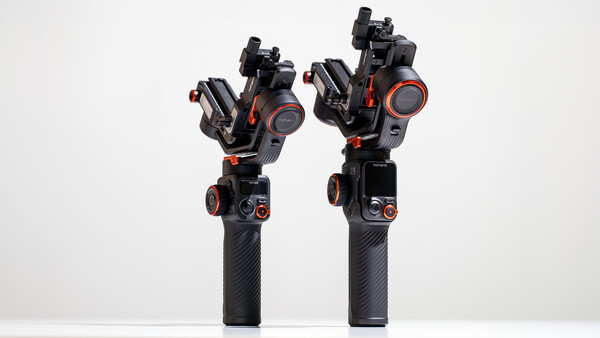
Hohem, a global leader in intelligent imaging and stabilization technology, has long focused on empowering creators through precision engineering and smart design. They are also among the first to pioneer AI tracking in gimbal technology. The latest Hohem iSteady MT3 and MT3 Pro represent the brand's vision of an all-rounder, multipurpose gimbal designed for professionals who need flexibility across different shooting scenarios.
While the two models differ mainly in size and payload capacity, they share the same core concept: a stabilization system that can scale up or down depending on the device, rig, or workflow. Whether paired with a smartphone, mirrorless camera, or a more complex setup with accessories, both gimbals are built to adapt rather than lock users into a single use case. Both models also feature Hohem's latest built-in AI tracking and stabilization technology, reinforcing their positioning as versatile filmmaking tools.
Build Quality
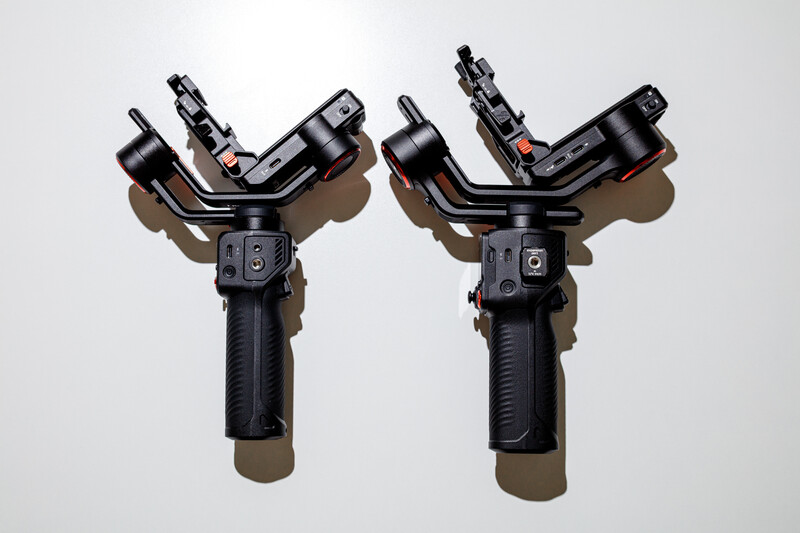
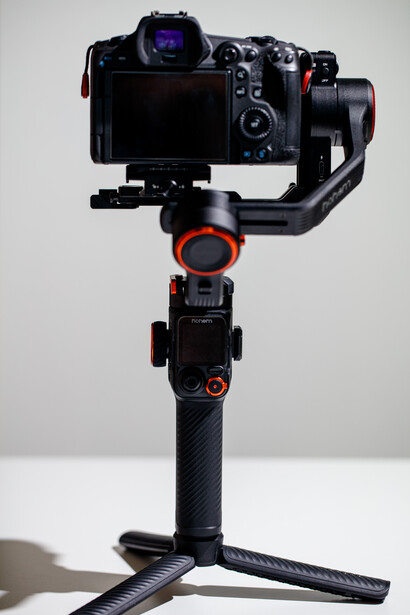
At first glance, both the Hohem iSteady MT3 Pro and MT3 feel well-engineered with a rather solid build. The MT3 Pro, with an unfolded size of 338 mm x 150 mm x 199 mm and a weight of 1,070 g, is capable of supporting payloads up to 2.5 kg. It is designed to handle most modern camera setups with ease, ranging from mirrorless cameras with popular lens combinations to smartphones and action cameras. The MT3, on the other hand, is essentially a scaled-down version of the MT3 Pro, measuring 317 mm x 149 mm x 149 mm. Weighing 765 g with a 1.4 kg payload capacity, it retains the same core design and functionality philosophy — supporting a wide variety of modern cameras as long as they are under the payload limit — making it an excellent lightweight alternative. Although the payloads may not sound like much, in practical use this capacity for a handheld gimbal is very much sufficient; in fact, I believe it covers most real-world professional configurations without having to deal with larger setups. If you need a reference, my setup here is pretty much near the edge of what it can handle.
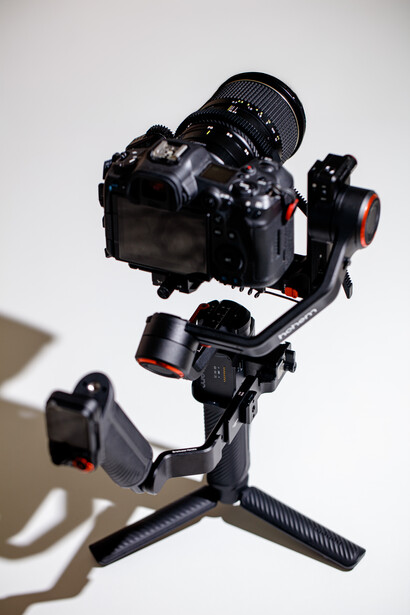
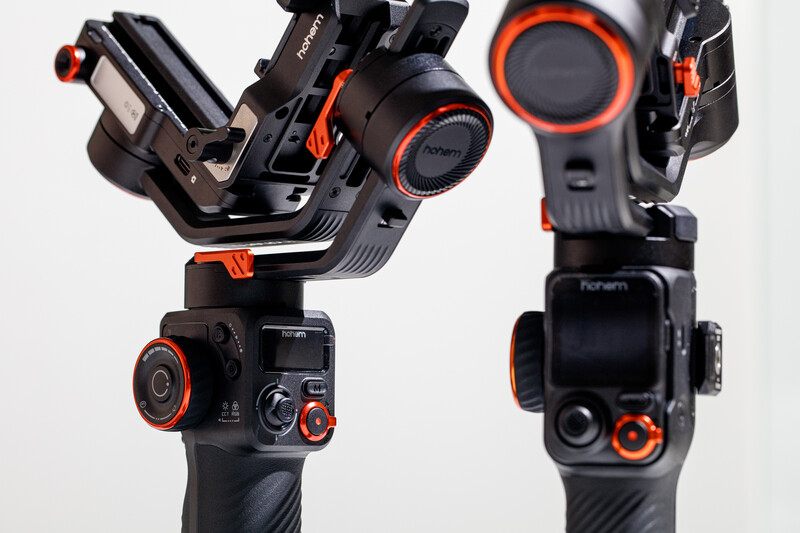
The grip handles on both gimbals are wrapped with textured rubber and are very comfortable to use, though the handle on the MT3 Pro is noticeably thicker. For users with smaller hands, the bulkier handle may introduce fatigue over longer sessions. For users with larger hands, the thicker grip actually provides a more secure hold, especially when operating heavier loads on the MT3 Pro. To further improve handling, Hohem has also included a bi-directional twist (briefcase) handle that can be used to expand the MT3 Pro's usability through its expansion port on the right side of the handle. While the briefcase handle improves low-angle stability and overall weight management, it must be tightened securely, as it can loosen and detach during use if not properly secured.
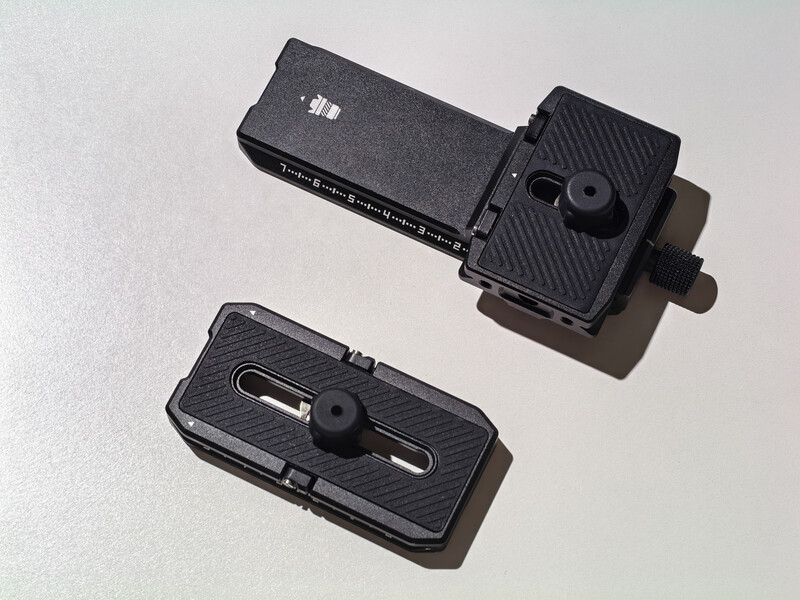
Both gimbals use an Arca-Swiss compatible mounting system, though in different configurations. On the MT3, it uses a single Arca-Swiss compatible plate mounted directly onto the gimbal. While you can detach the camera with its plate to use directly on an Arca-Swiss tripod ballhead, you will need to rebalance it again after returning to the gimbal. Meanwhile, for the MT3 Pro, the included camera uses a camera attachment plate split into two pieces, allowing the camera to be quickly removed and mounted onto a tripod before returning to the gimbal without the need for rebalancing. The two-piece plate attachment system also supports common Arca-style plates, allowing the gimbal to work seamlessly with cages and L-brackets.
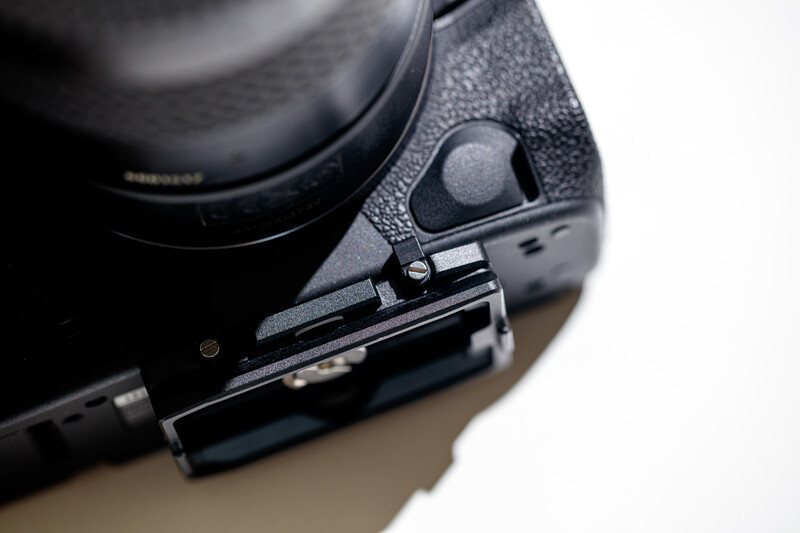
In my setup, I was able to mount a Canon EOS R5 with a SmallRig vertical and horizontal rotatable mount directly onto the gimbal without issue — though depending on the lens you use, it may be near the limit of the MT3 Pro's tolerance. This is rather useful for users already invested in cages or quick-release systems, as it can significantly speed up transitions between handheld, tripod, and gimbal shooting. That said, the only downside I could think of is that the mounting system relies on a rotating knob to tighten rather than a clip-style lock. While it does the job, a clip lock would have offered faster operation and better tactile feedback during quick setup changes.
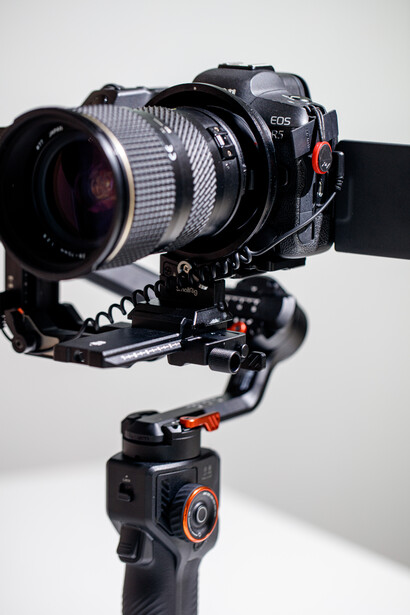
Both gimbals use Teflon™ coating, which helps reduce friction on the gimbal arms and aids in balancing. There is also a fine-tuning knob that allows millimeter-level forward and backward adjustments, making precise balancing on the tilt axis easier. While it's a feature worth celebrating, having geared adjustments across all axes would have further refined the balancing experience.
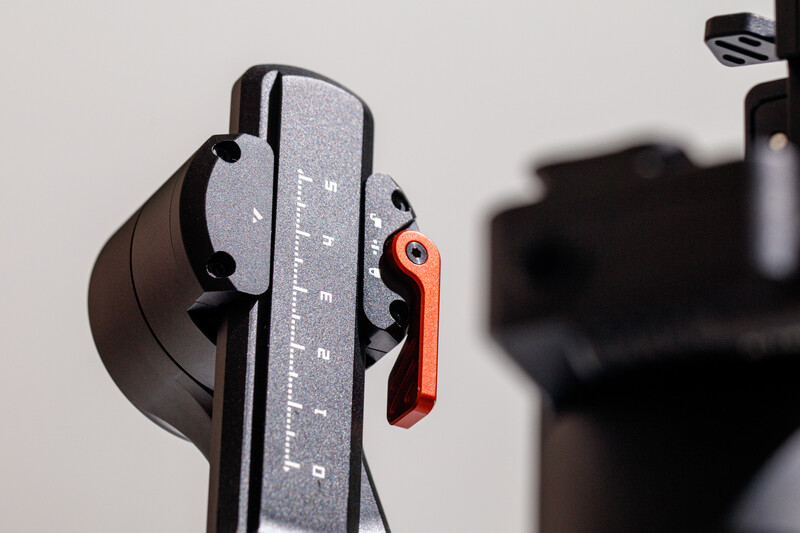
It's also worth noting that at the maximum roll-axis position, the gimbal cannot be fully folded without re-adjustment. This behavior is consistent across both gimbals. From my testing, the practical adjustment limit sits around the 3.1 mark on the roll axis scale. Thankfully, the manual axis lock still works. I suspect this also probably explains the absence of auto-locking motors.
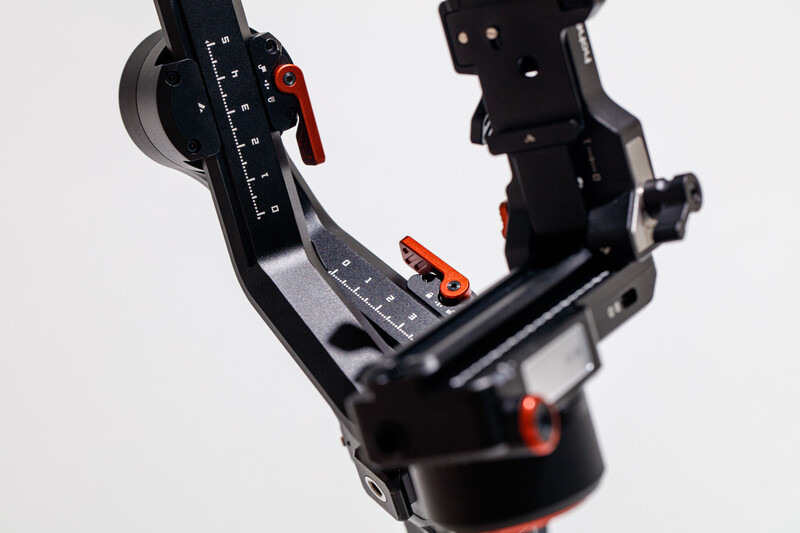
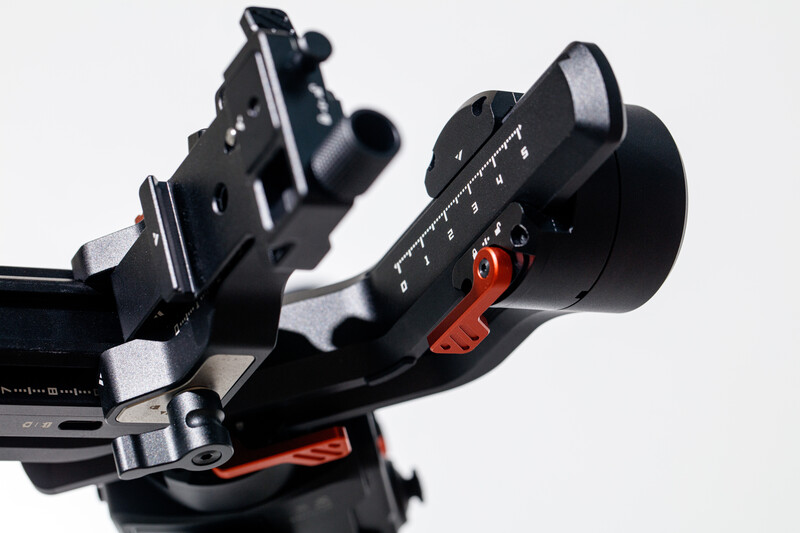
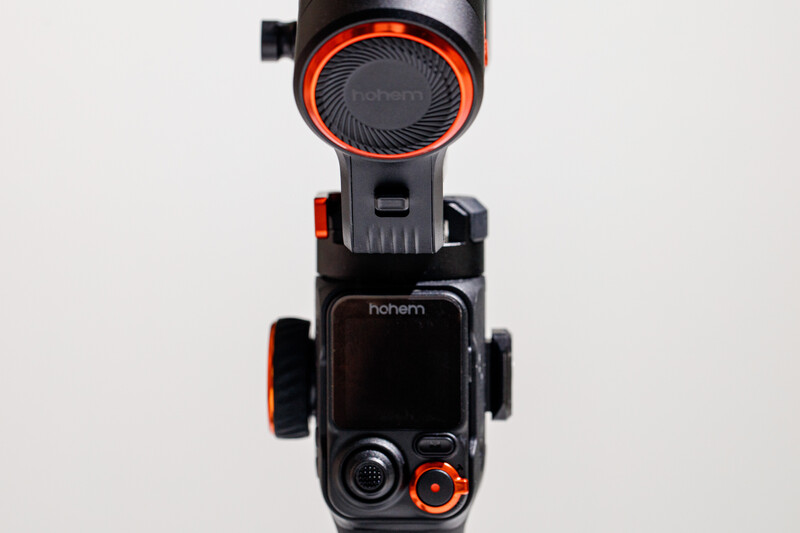
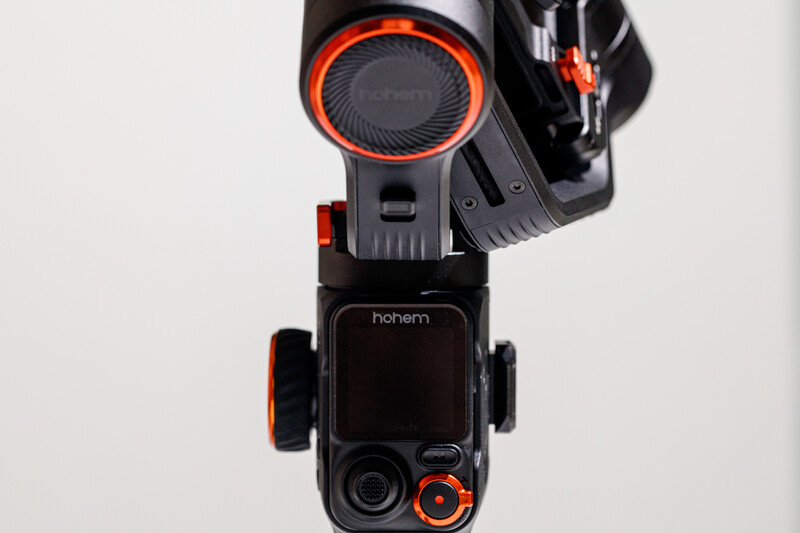
Hohem has added rubber padding on the pan-axis motor to prevent the roll axis arm from knocking against it. While functional, I personally would not mind the roll motor being positioned slightly higher to accommodate a longer pan axis arm. This would allow more mechanical clearance for complete folding. As an added advantage, the gimbal would also be able to accommodate a longer lens, because currently at maximum adjustment on the MT3 Pro's tilt axis, the plate-tightening knob knocks against the pan axis motor when going into low-angle mode — solving two issues at once. Thankfully, the roll motor on both gimbals also sits low enough to give sufficient clearance to the camera screen.
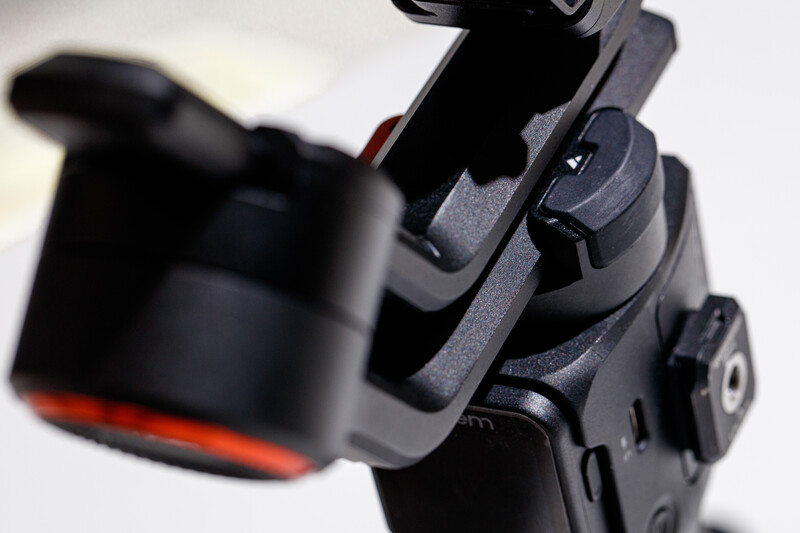
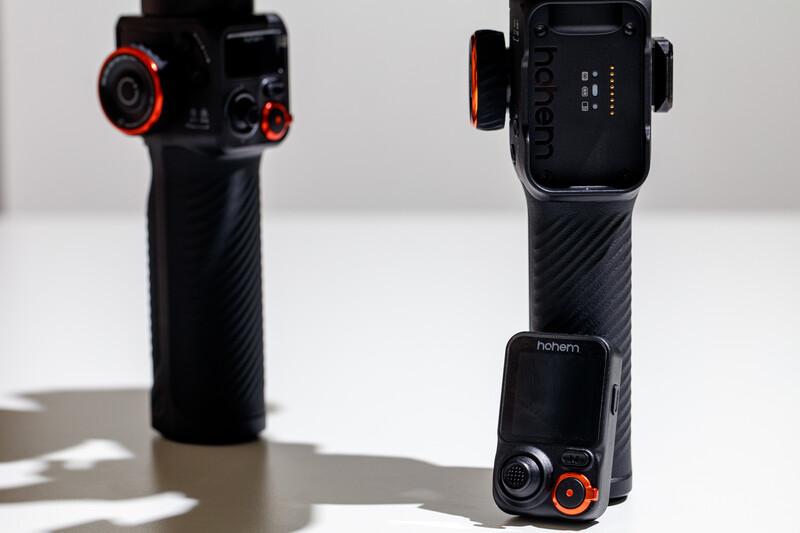
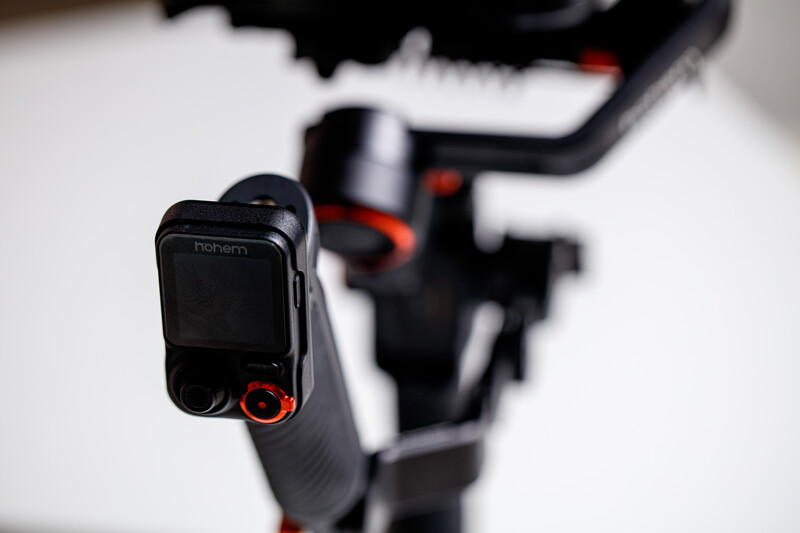
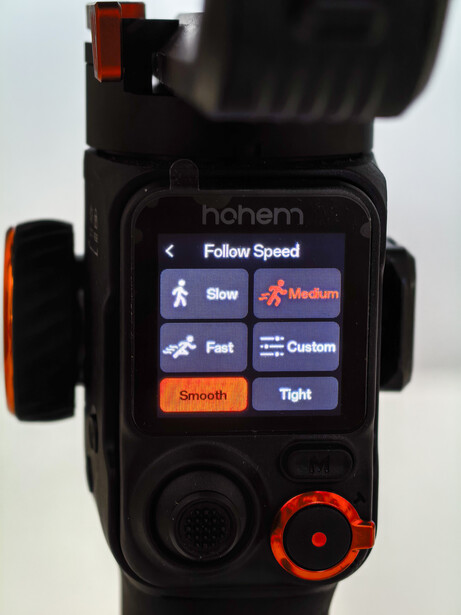
The MT3 Pro uses a detachable 1.4" OLED touchscreen display that also acts as a remote to control the gimbal's parameters and select the subject for tracking. Because of its detachable nature and low-latency Bluetooth connection, it can also be used as a long-range (up to 10 m) secondary live view monitor, taking the feed from the built-in AI camera. You can also choose to attach the remote to the bi-directional twist handle for better control when shooting at lower angles. Note that there will be a framing difference if you are relying on this, and subject tracking on the gimbal does not have any influence on the camera's autofocus. The MT3, meanwhile, uses a smaller, 0.4" non-detachable OLED screen and physical buttons to navigate its parameters.
Features
At the core of both the Hohem iSteady MT3 Pro and MT3 is Hohem’s iSteady 10.0 stabilization system, which claims to deliver a 40% improvement in motor strength compared to previous generations. In practical terms, this added torque allows both gimbals to sustain heavier payloads — cameras with longer focal lengths and accessory-heavy setups. For example, shooting at the long end of a 24–70mm f/2.8 lens, or pairing the camera with microphones, cages, fill lights, and other accessories, does not immediately overwhelm the motors.
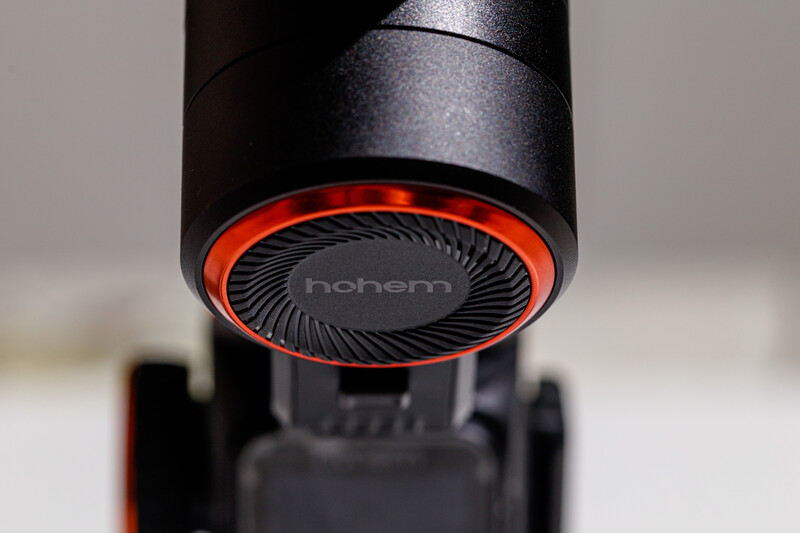
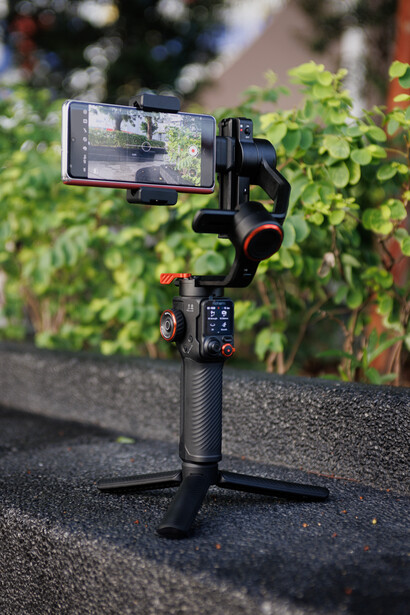
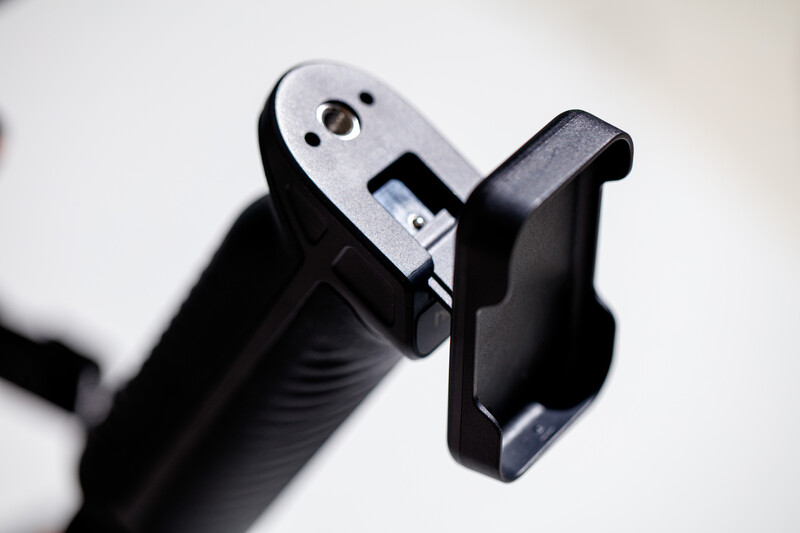
To further reinforce their position as true multipurpose stabilizers, both models are designed around a 4-in-1 compatibility concept, supporting mirrorless cameras, smartphones, action cameras, and compact vlog cameras. Switching between camera and smartphone is straightforward using the included phone holder, which is easy to mount and allows quick rotation between horizontal and vertical orientation. I should also mention that the phone holder can be attached to the MT3 Pro directly, allowing you to use your phone as a monitor as well. This flexibility makes the MT3 series particularly appealing to creators who regularly move between different camera configurations within the same production.
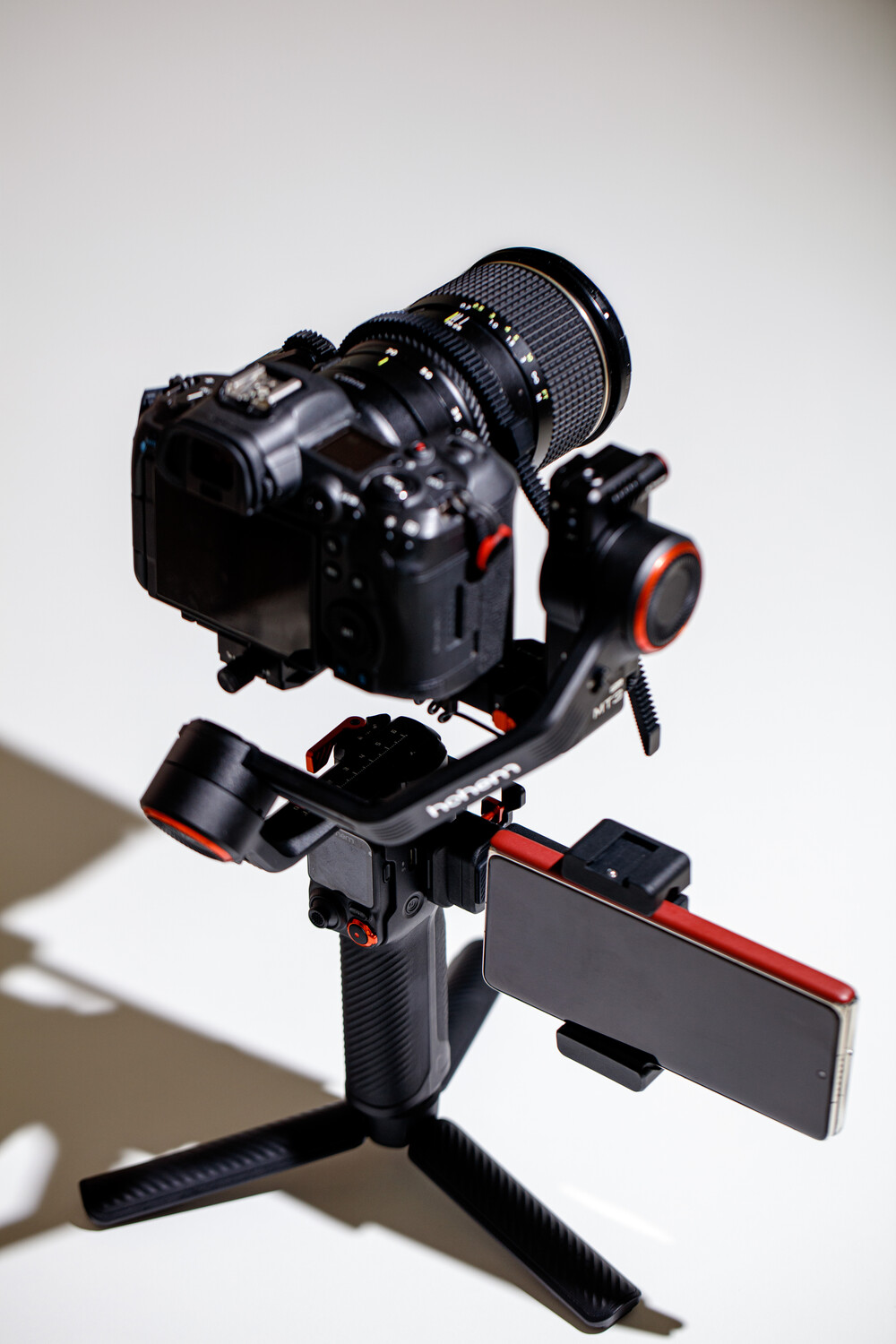
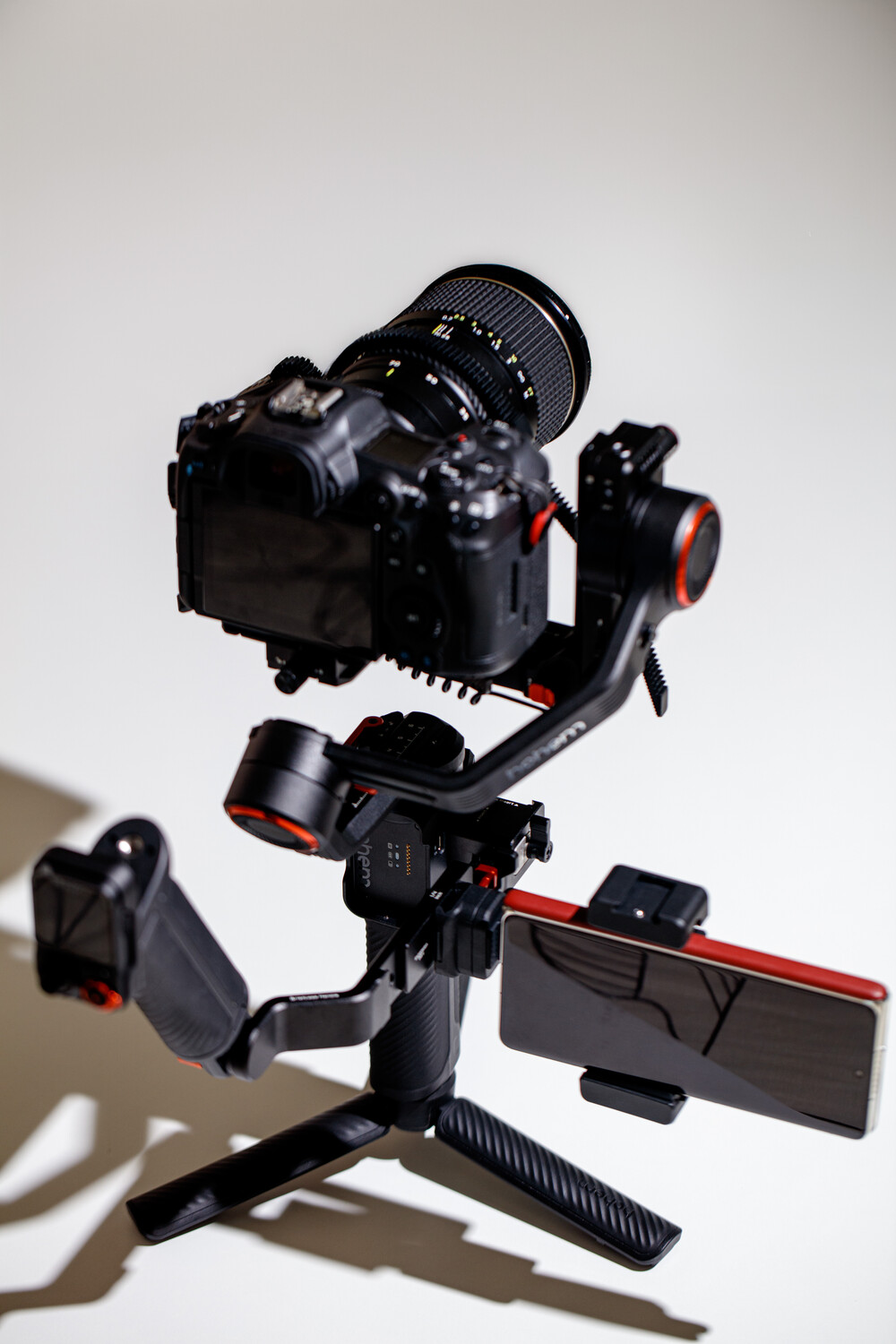
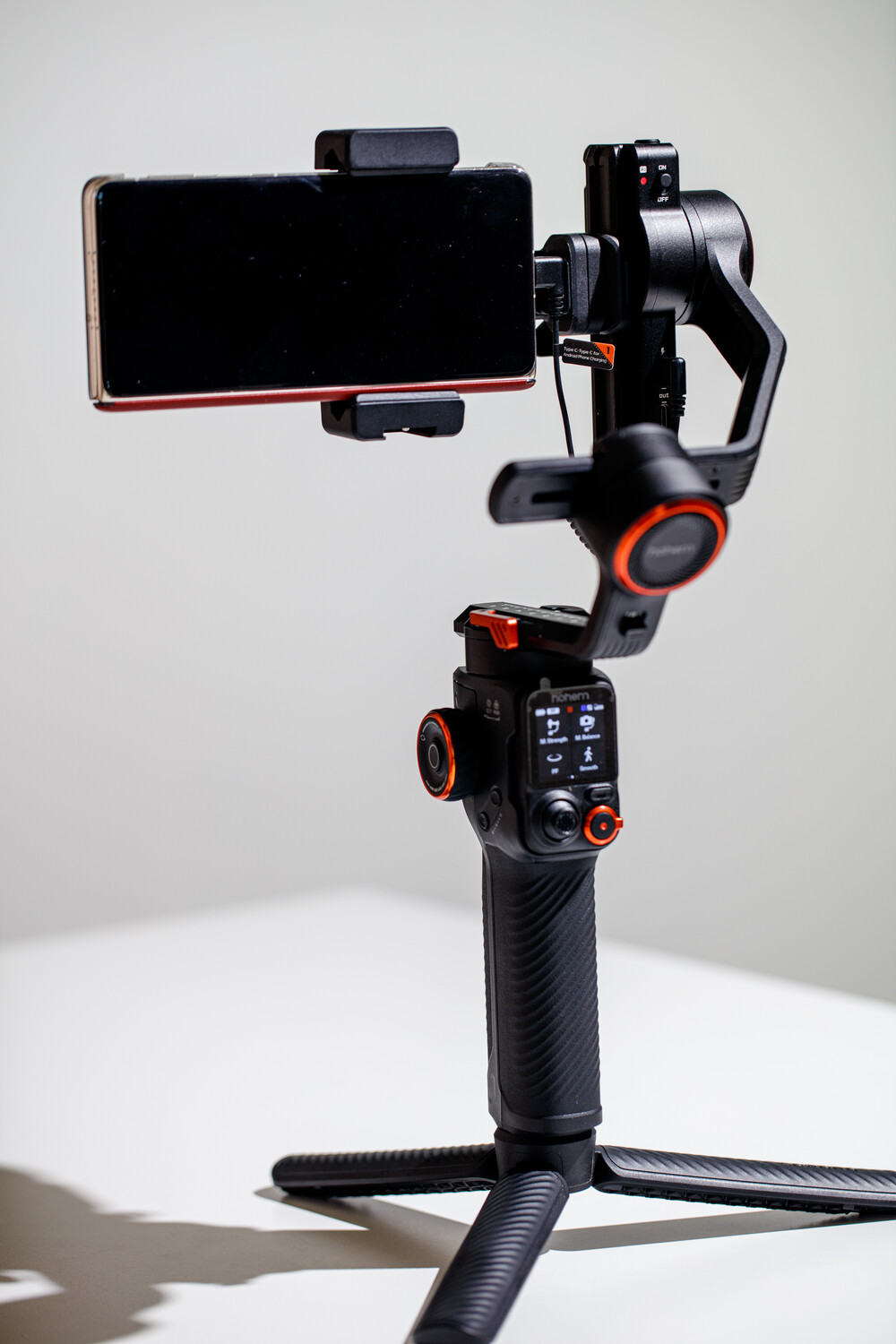
Multiple types of configuration using the MT3 Pro.
The MT3 Pro and MT3 also feature Hohem's latest 2nd-Gen Fast Switch (Multi 5.0) design, allowing users to transition from horizontal to vertical shooting in just four steps. This is especially useful for creators producing content across platforms such as YouTube, TikTok, and Instagram. Both gimbals also offer the same controllable range: infinite 360° pan, -45° to 45° roll, and -90° to 180° tilt, providing ample freedom for creative movement and framing.
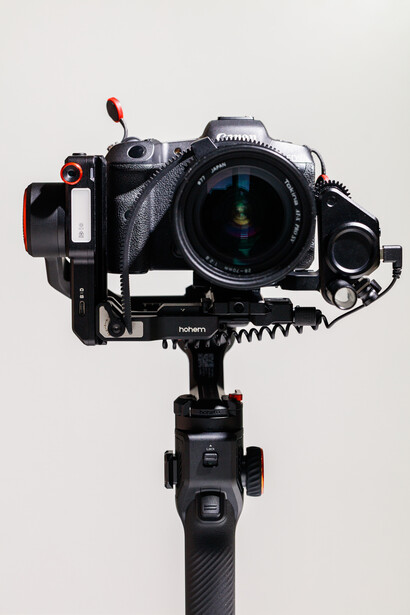
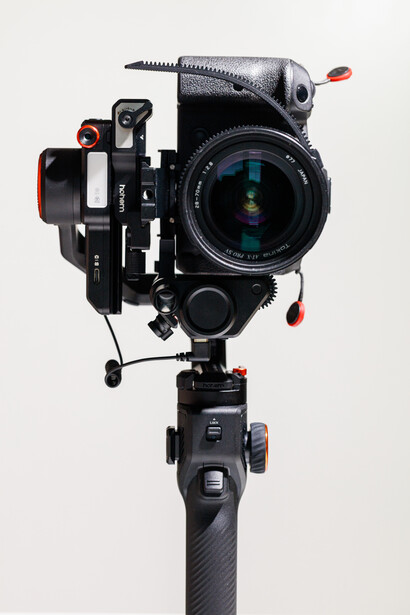
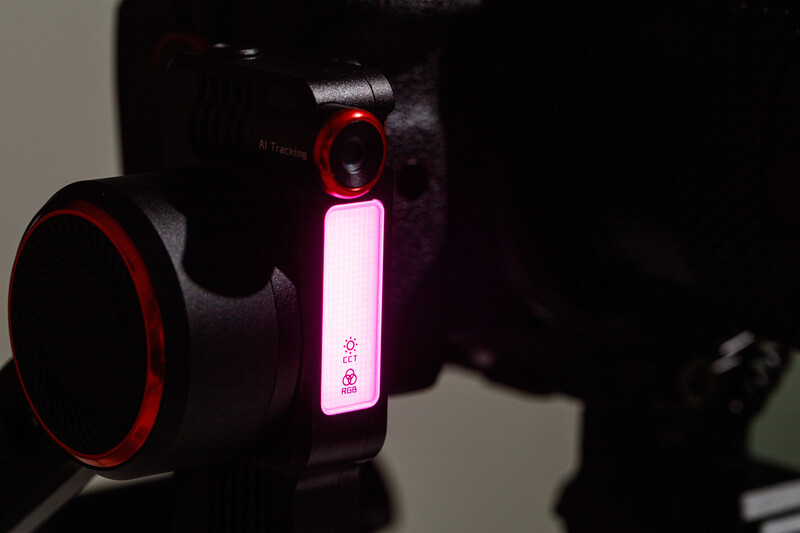
A key differentiator of the MT3 series is the integration of an RGB and CCT fill light with a built-in 2 MP AI camera for subject tracking. By keeping the AI system fully integrated, Hohem removes the need for external tracking modules or additional accessories — reducing both setup time and the risk of misplacing components. AI tracking in both models can also be controlled via gesture recognition. An "OK" gesture initiates tracking, an open palm stops it, and a double-L gesture allows framing adjustment. However, comparing the two gimbals, the MT3 Pro offers a clear advantage in tracking capability, supporting a wider range of subjects, including humans, pets, vehicles, and objects. It also features an extended recognition distance of 0.5 m to 5 m and a tracking distance of up to 7 m. In contrast, the MT3 limits AI tracking to human subjects only, with a shorter recognition range of 0.5 m to 3.5 m and a maximum tracking distance of 5 m. While it seems more limited on paper, the MT3's tracking remains effective for solo creators, vloggers, and controlled shooting environments where human subject tracking is the primary requirement.
Both gimbals offer adjustable strength settings for each axis, though implemented in different ways. The MT3 Pro provides finer control with strength adjustments ranging from 1 to 100, easily selectable follow speed presets, and "smooth follow" and "tight follow" modes. On the MT3, customization is more limited, with only four steps of strength customization and no responsiveness customization. I do recommend users utilize the auto calibration feature, as it gets the job done pretty well.
Battery-wise, the MT3 Pro houses a 4,350 mAh battery rated for up to 20 hours of operation, while the MT3 uses a 2,600 mAh battery rated for up to 17 hours. These figures are based on indoor testing at 25°C and 60% humidity, with motors at full power, AI tracking disabled, maximum payload mounted, and the gimbal kept stationary until full depletion — real-world usage will naturally vary, but from my testing so far, it is sufficient for a full day of normal usage with some power left. Unfortunately, both models use non-detachable batteries, which ensures a much more solid build quality, but this can be rather restrictive in terms of usability — especially when you run out of power and cannot quickly swap the battery to continue operation.
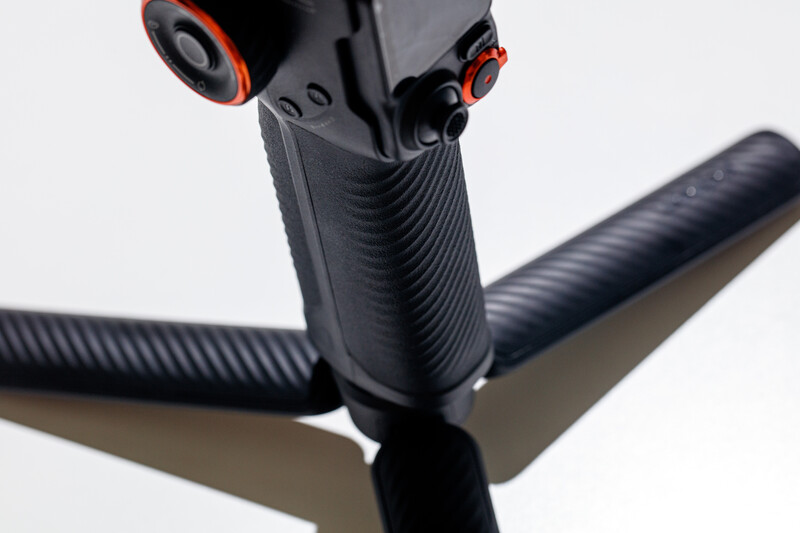
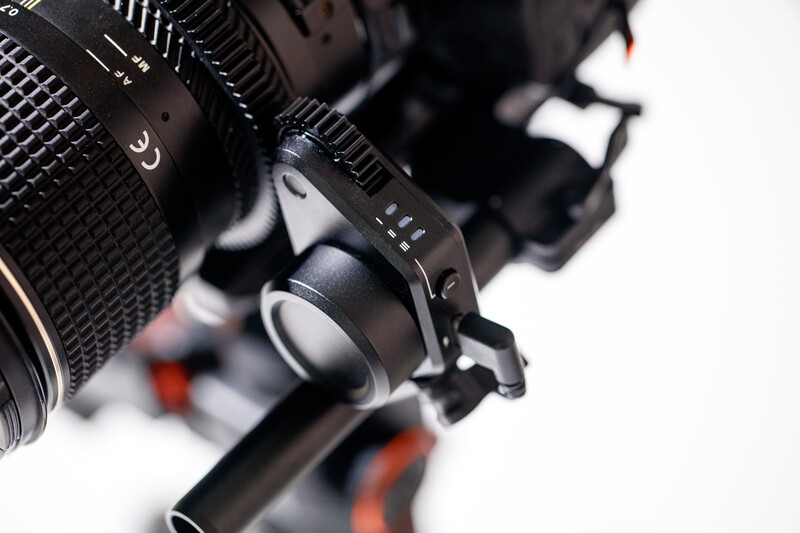
In terms of expandability, the MT3 Pro has an upper edge, as the kit package includes the Spot Mini Motor, weighing just 90 g. Despite its compact size, it offers three levels of speed control for smooth focus or zoom pulls, adding another layer of control without significantly increasing the overall weight of the setup.
Real-World Usage Experience
In real-world use, I found the built-in camera for AI tracking to be very useful, as it adds another layer of usability to the already great gimbal without much hassle. All you need to do is simply flick a switch to get it started. If you are constantly filming yourself, pairing it with the detachable remote control screen will greatly improve your workflow, as you can also activate AI tracking remotely via gesture control. From my testing, the tracking works reliably on both gimbals, though I am particularly fond of the MT3 Pro — especially when you use the tracking together with the detachable remote screen. It allows you to easily see and select what is being tracked on the remote screen without needing to stay behind the camera. It is also capable of tracking multiple types of subjects up to around 7 meters — suitable when used with a telephoto lens. At that distance, the subject shown on the remote's screen is frankly quite small. Here is a tip: I suggest starting the tracking with the subject closer to the gimbal before moving away, as this makes it both easier to select and also allows the gimbal to continuously track the right subject.
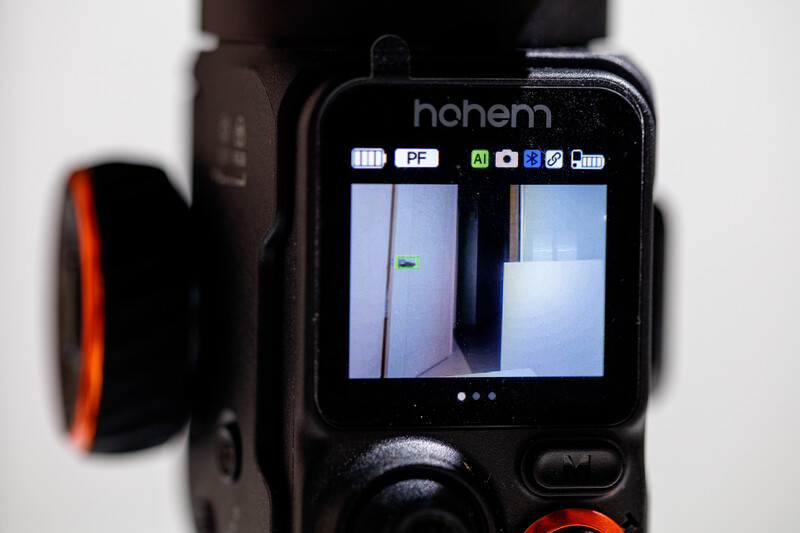
For those relying on the MT3 Pro touchscreen display's remote live view to keep your framing centered, you should be mindful that there will be framing differences between the remote and your camera, especially when shooting above 35mm. This is because the AI camera has a wider field of view than the mounted lens, and keeping the subject tracked by the AI camera does not mean that your subject is in your camera's frame. Unfortunately, at the moment there is no framing calibration option for AI tracking, so you may have to rely on the joystick to reposition your frame if needed. I should also add that having a fully featured touchscreen display on the MT3 Pro also made balancing the gimbal much easier, as you can easily tell which axis is off balance with the included balance indicator, removing much of the guesswork traditionally involved in fine-tuning a gimbal's balance on an uneven surface.
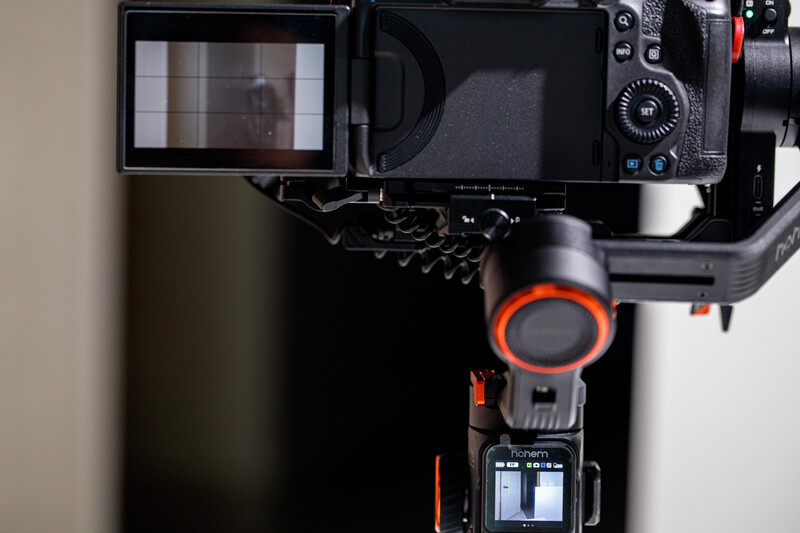
Physical control on both the MT3 and MT3 Pro remains very intuitive, especially with the multifunctional roller wheel on the left side of the grip handle. By default on the MT3 Pro, a double-tap switches between follow focus and tilt control, while a triple-tap toggles between RGB and CCT lighting modes. These controls are fully customizable in the MT3 Pro's touchscreen menu, allowing users to adapt the interface to their shooting style. Although the control wheel on the MT3 retains a fixed control layout, in practice it did not bother me much, as the roller wheel is still responsive and intuitive for the extra control when needed.
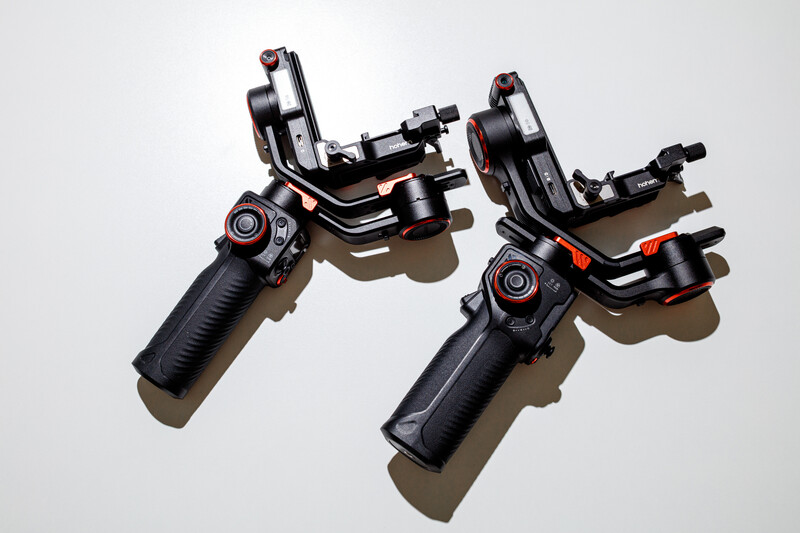
One of the strongest aspects of the MT3 system is how seamlessly it allows creators to switch between devices without requiring recalibration when remounting the camera. This is because the entire camera mounting assembly on the tilt axis can be removed and replaced directly with the included smartphone holder, and this system is also interchangeable between the MT3 and MT3 Pro — so working with both gimbals simultaneously is possible as long as you stay beneath the payload limit. It is important to run auto calibration once you switch to a lighter mobile phone setup, as excessive motor power can cause vibrations if left uncalibrated. The phone holder itself works very well with easy rotatable orientation. While it fits most phones comfortably, there may not be enough space for an additional mic receiver or SSD attachment to be mounted. That said, I really appreciate the idea of working with a gimbal sensitive enough to also support a smartphone without compromise. Although early firmware versions had a slightly soft roll motor response, this has been addressed in later updates. This capability is particularly useful in remote locations, where it effectively allows your smartphone to function as a B or C backup camera.
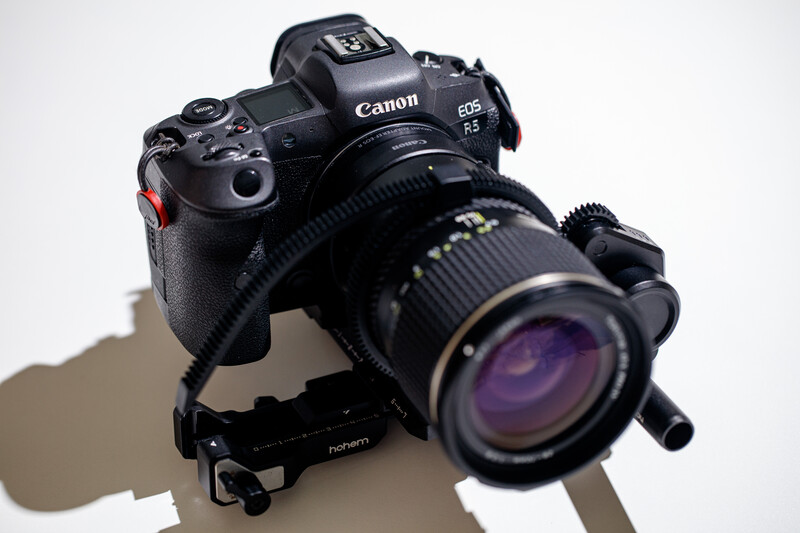
For those who purchase the MT3 Pro Kit, you will also find the included briefcase handle and Spot Mini Motor. While the briefcase handle is quite functional and even allows the detachable screen on the MT3 Pro to be mounted at the end for easier control, I would have preferred this to work natively without requiring an additional accessory, as the current solution felt like an afterthought. The included Spot Mini Motor in the MT3 Pro Kit is very convenient for basic focus pulls and zoom control, but it does have limitations. During use, I found it had a tendency to slip, especially during clockwise rotation. And since you cannot set where it starts or stops, it may continue to rotate after the lens reaches its end, causing it to slip from its gear. A quick calibration by long-pressing the speed button may help. I also like how the entire Spot Mini Motor is attached to the camera plate itself, which allows the focus motor to be used in vertical orientation and makes the dismantling process easier — though this also means you cannot use the Spot Motor without Hohem's proprietary plate. A rather fair trade-off.
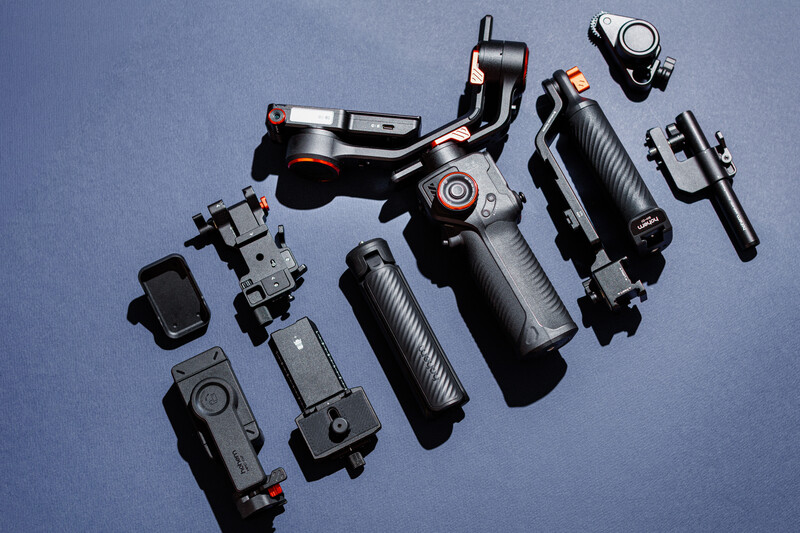
Overall, I do love working with both the MT3 and MT3 Pro. The stabilization is strong, predictable, and easy to control, and the AI tracking is quite dependable when you need it. While some areas could use refinement, both gimbals feel capable enough for everyday professional use.
https://www.youtube.com/watch?v=CelU5QZfbXk
Summary
What I Liked
- Fast and intuitive vertical switching, well-suited for modern social media workflows
- Sensitive motor tuning allows mounting of lightweight devices, such as smartphones, with ease
- Wide variety of customizable setups, reinforcing its role as a true all-rounder, multipurpose gimbal
- Subtle orange design accents add a bit of character without feeling overstyled
- Teflon™ coating improves balancing smoothness and reduces friction during setup
- Base plate design includes a small safety tab to prevent camera slippage in vertical orientation
- The detachable remote on the MT3 Pro can double as a mini monitor, adding workflow flexibility
- Built-in AI tracking module removes the need for external modules or additional accessories
- Preset parameters are well-tuned and work reliably out of the box
- Long battery life suitable for a full day of normal shooting
- Arca-Swiss compatible mounting system integrates seamlessly with cages and L-brackets
- The MT3 Pro kit includes a well-designed carry case that accommodates the entire setup
- AI tracking works independently without requiring additional apps
- Spot Mini Motor on the MT3 Pro works in both vertical and horizontal orientations
What Could Be Improved
- Detachable and replaceable batteries would significantly improve usability during long shoots
- Auto axis-locking would streamline setup and folding
- Longer roll axis arm to allow complete folding
- Weather sealing in future models would expand usability in outdoor conditions
- Geared adjustment on all axes would further refine balancing precision
- Screen brightness adjustment in a future firmware update, catering to visibility in different environments
Final Thoughts
Both the Hohem iSteady MT3 and MT3 Pro stand out as genuinely capable all-rounder, multipurpose gimbals that scale well across different creators and workflows. Both models support cameras, smartphones, and action cameras, with strong stabilization, built-in AI tracking, and flexible mounting options — making them a rather practical tool.
In my opinion, the MT3 is ideal for beginners, solo creators, vloggers, and lightweight mirrorless users who want portability with modern features like AI tracking and vertical switching, without carrying a heavy rig. The MT3 Pro, meanwhile, offers a greater envelope for customization and is better suited for hybrid shooters and professionals who need higher payload capacity, broader AI tracking support, greater workflow flexibility with the detachable touchscreen remote, and future expandability with accessories such as the Spot Mini Motor.
What makes the recommendation particularly easy is the clear and logical pricing structure:
- MT3: $329.99
- MT3 Pro: $449.99
- MT3 Pro Kit: $549.99
With roughly $100–$120 separating each tier, users can simply choose based on payload needs and feature depth, without paying for unnecessary extras. Overall, the MT3 series offers a well-balanced, modular approach to stabilization, making it a compelling choice for creators looking for a single gimbal that can adapt to multiple shooting scenarios.
If you're looking to deepen your filmmaking skills to match your new gear, Introduction to Video: A Photographer's Guide to Filmmaking for a tutorial that pairs well with a versatile gimbal setup.



Join the Fstoppers community for free
-
Post comments and join in the discussions
-
Browse the site ad-free
-
Share your work and get featured in the community
-
Compete in the photo contests for fun and prizes
4 Comments
Just got a Hohem gimbal for my cell work. I was genuinely shocked at the degree of quality. Years ago I tested the first gen DJI Ronin and these are near that build solidity.
I do agree they are doing a good job, though like every product it does come with its own quirks and can be annoying if you are not used to it.
Ha, yeah I'll admit it had been quite a while since I used any sort of gimbal but wow, I forgot how convenient it is. I tried it with my GoPro also and even though it's well within the weight limit the gimbal really doesn't like it.
For the MT3, the lightest I have tried is putting the Osmo 360. I guess the gimbal needs to detect some form of weight to balance it, if the weight is below the motor's minimum tolerance, it will just act crazy. For DJI's gimbal I haven't really tried something light but Hohem's one is sensitive enough to do that I think