Finding the right camera for a single, high-stakes shoot can be a balancing act. When you’ve only got one night to capture a specific scene for a client, there’s no margin for error. Resolution, reliability, and adaptability all matter, especially when the final images will be printed at large sizes where every detail counts.
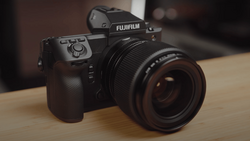
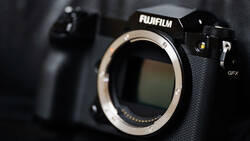
Coming to you from mathphotographer, this thorough video walks through why the Fujifilm GFX100 II medium format mirrorless camera was the choice for photographing Frankfurt’s skyline at night. The shoot wasn’t just about finding the right bridge and perspective; it was also about ensuring each frame was safely captured in maximum quality. The GFX100 II’s 9.44-million-dot, 0.64-inch electronic viewfinder made night composition precise and comfortable, especially compared to competitors with lower resolution. For a job that demanded top-tier detail, its 102-megapixel medium format sensor delivered files with huge editing flexibility.
Equally important was the camera’s build and handling. The GFX100 II is weather-sealed, sturdy, and more comfortable in the hand than its size suggests, coming in at about 1.5 kg with the GF 35-70mm lens. The extensive physical controls allowed quick adjustments without diving into menus, which is key when working under time pressure. Fully customizable function buttons made switching between face detection, subject detection, and autofocus modes almost instantaneous. The spacious top display offered critical shooting information at a glance, useful when the camera was mounted on a tripod at waist height.
Key Specs
-
102 MP (11,648 x 8,736) medium format CMOS sensor (43.8 x 32.9 mm)
-
In-body 5-axis sensor-shift stabilization
-
ISO 80–12,800 native (40–102,400 extended for photos)
-
Dual card slots: 1x CFexpress Type B, 1x SD UHS-II
-
9.44-million-dot 0.64-inch OLED EVF
-
3.2-inch 3-way tilting touchscreen LCD
-
Continuous shooting: up to 8 fps
-
Internal video up to 8K at 30 fps in ProRes 422 HQ
-
Weather-sealed magnesium alloy body
The video also highlights the camera’s pixel shift multi-shot mode, which can produce 400-megapixel composite images. While the resulting files are ideal for massive prints, the workflow is more tedious than with some brands, requiring manual image selection in Fuji’s software and offering no built-in motion artifact removal. The GFX100 II’s in-body stabilization works well handheld but, in this case, needed to be switched off for multi-second tripod exposures to avoid image softness, something not all cameras require.
Sample images from the Frankfurt shoot showed the benefits of high resolution and careful setup. Long exposures smoothed the river’s surface and captured vivid light trails from passing boats, while HDR techniques brought out extra detail in shadow and highlight areas. The GF 35-70mm zoom lens proved invaluable for adjusting framing without changing position, offering prime-like sharpness with more flexibility. Check out the video above for the full rundown.




Join the Fstoppers community for free
-
Post comments and join in the discussions
-
Browse the site ad-free
-
Share your work and get featured in the community
-
Compete in the photo contests for fun and prizes
3 Comments
Having images of this size is all well and good, but then you have to process them. What does it take in the way of computer hardware to make this fairly easy?
My 16" M1 Pro Macbook Pro with 32GB RAM works just fine for me.
My Intel 3yr old Dell XPS 15 with 32Gb of RAM as okay until you needed to co-open PS and LrC or you wanted to denoise an image.
My 12 month Intel i9 with 128Gb Flies! (what took 4 minutes on the laptop now times 6 seconds).
My 2025 MBP with 48Gb of RAM processes well.. Takes 50 seconds to denoise an image, but will open everything concurrently..
(Card reading can be a drag... but worth it for the colour and image magic)