The Ricoh GR IV Monochrome targets a specific kind of photographer: someone who wants black-and-white files that hold up when the light is bad and the pace is fast. If you rely on a pocket camera and you care about tones more than color, this is the sort of release that can change what you bring out the door.
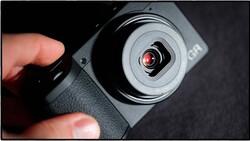
Coming to you from Bobby Tonelli, this practical video breaks down what separates the Ricoh GR IV Monochrome from the standard Ricoh GR IV. Tonelli starts with the obvious headline: this version swaps the built-in ND filter for an internal red filter. That single change affects how skies render, how faces separate from backgrounds, and how contrast builds before you ever touch editing. He also notes a practical side effect: without the ND filter in the way, the camera can reach 1/16,000 sec shutter speeds. He calls out the top-end sensitivity, running all the way to ISO 409,600, and then steers the conversation toward what those numbers look like when you actually zoom in.
Tonelli also spends time on the physical and day-to-day details that usually get skipped, and they matter if this is going to live in a coat pocket. He describes a more matte finish compared to the glossy feel of earlier models like the Ricoh GR III, plus small cosmetic tells like a blacked-out logo and a white status light. Storage comes up too: 64 GB of internal memory plus a microSD card slot, which feels like a strange choice in 2026 when full-size SD is easier to handle. Size is another point of tension, since he says the body is edging into “too small,” even though he still likes using it. He brings up the wish list item a lot of compact shooters keep asking for, an EVF, and then pivots to something more concrete: face-detect phase-detect autofocus that actually works. If you shoot people moving toward you in dim light, that single feature can be the difference between getting the frame and getting a blur.
Where the video gets especially interesting is the flash and high-ISO section. Tonelli mounts the Ricoh GF-2 External Flash and talks through how the camera behaves wide open at f/2.8 instead of forcing you to stop down to something like f/5.6. He claims the exposure lands about eight times out of ten, with occasional over- or underexposure that he flags as possible pre-production behavior or user error. Then he jumps into Lightroom and starts showing crops at extreme sensitivities using a close-up subject, pointing out legible text and small surface marks that are still visible. He also demonstrates what happens when you pull highlights down and lift shadows on low-ISO frames, which is where monochrome sensors often separate themselves. Check out the video above for the full rundown from Tonelli.


Join the Fstoppers community for free
-
Post comments and join in the discussions
-
Browse the site ad-free
-
Share your work and get featured in the community
-
Compete in the photo contests for fun and prizes
No comments yet