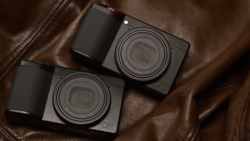
The Ricoh GR IV Monochrome is a small camera with a single-minded idea: record light, not color, and make that choice permanent. If you shoot black and white often, this kind of sensor-level commitment changes how you expose, how you judge texture, and how far you’ll actually push ISO.
Coming to you from Samuel Lintaro, this great video opens with hands-on details about the RicohGR IV Monochrome that usually get skipped, like finish, indicator lights, and why the body feels different before you even make a frame. Lintaro and Landberg talk through the matte black surface and the subtle monochrome styling, then shift quickly into what matters more: how the files look when you zoom in. They point out a built-in physical red filter inside the lens, which means you can get that classic dark-sky separation without screwing anything onto the front. You also get a blunt reminder that this is not a “set it to monochrome later” vibe, since the whole design assumes you’re committing to black and white from capture. Landberg’s excitement makes sense once you hear how often he leans on a red filter when shooting monochrome on a Nikon Zf.
The testing section is where the video starts asking uncomfortable questions about what you accept from small APS-C cameras. They run ISO from 160 up to 409,600, then compare the monochrome model against the standard GR IV at matched settings to see what detail survives. You don’t get a lab chart lecture, you get the practical issue: do you trust high ISO grain as part of the picture, or do you avoid it and add fake grain later? Landberg frames it as a creative tool, not a defect, and that mindset is useful even if you never buy this camera. Lintaro also notes a surprising gap between JPEG and raw on past GR bodies, then claims the monochrome version narrows that gap hard enough that JPEG can stop feeling like the “soft option.” They even describe a workflow where you shoot raw, edit in-camera, and keep the final JPEGs on internal storage, which is a very different habit than living inside Lightroom every night.
Away from the tests, Lintaro takes the camera into heavy snow for quick street frames and high-ISO problem solving, including a moment where a flash fails and the camera has to carry the exposure on sensitivity alone. That’s also where handling stuff shows up, like a tighter front dial with more resistance, clicks you can feel, and buttons that seem less flimsy than the standard body. He drops the camera into the snow, wipes it down, and keeps going, which is the kind of accident that tells you more than a dozen careful tabletop shots. Later, he shifts into the bigger idea behind the built-in looks, describing multiple monochrome styles tied to the history of black and white, plus a hint that another look could arrive by firmware. Pricing comes up near the end, along with the argument that comparing this to a Nikon Z8 misses the point, and he pushes back on the idea that you “need” a monochrome sensor to make strong black and white. Check out the video above for the full rundown from Lintaro.



Join the Fstoppers community for free
-
Post comments and join in the discussions
-
Browse the site ad-free
-
Share your work and get featured in the community
-
Compete in the photo contests for fun and prizes
No comments yet