Two cameras promise huge files and flexible video without forcing you into a cinema body. If you care about cropping room for wildlife and clean oversampled footage in one rig, this comparison hits the sweet spot.
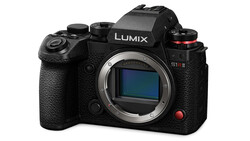
Coming to you from Jay P. Morgan with The Slanted Lens, this practical video stacks the Panasonic Lumix S1R II against the Sony a7R V and keeps the focus on real shooting tradeoffs. You see how 44.3 megapixels versus 61 megapixels plays out once you start cropping wildlife and landscapes. Morgan points out color straight out of camera, noting Panasonic’s punch on a chart and background tones while showing how close you can get with a quick correction on Sony. Price gets airtime, with the S1R II undercutting the a7R V enough to matter if you plan to put cash into glass instead of the body.
Ergonomics get a hands-on walkthrough. The S1R II grip fills the hand and puts the focus mode switch and AF pattern control in one place, which speeds up changes while tracking. Sony’s front and rear dials fall under your fingers fast, and that dedicated exposure compensation dial locks in place, but the strap rings and pinky room come up as minor nitpicks. Both flip out screens work for tight spaces and to-camera setups. Morgan flags how Panasonic’s top dial exposes frame rate choices at a glance while Sony tucks those settings in a menu, which you may already have muscle memory for.
Card slots and workflow choices differ in ways that affect your kit spend. Panasonic runs one SD and one CFexpress Type B slot, a straightforward pairing with wide media support. Sony gives you two SD slots with dual duty in one slot for CFexpress Type A, which means you can run two SD cards or step up to faster media for demanding video. Battery life leans Sony, and the a7R V’s viewfinder resolution makes reviewing images through the finder easy in hard light. None of that feels deal breaking if you value Panasonic’s video tools.
Autofocus is where Morgan separates stills from motion. In stills, Sony’s hit rate is hard to beat during burst tests. Panasonic trails a bit, on the order of a few frames in a run, which may not show up in slower paced work. In video, both track a subject well across turns and occlusion, so you can stay in continuous AF without fear. If you chase action, S1R II’s electronic shutter at 40 frames per second with pre burst gives you the moment before the moment, which matters with birds and sports where timing slips.
Video capability is the S1R II headline. You get open gate options for easy reframing to vertical and square without a reshoot. Recording to an external SSD over USB-C simplifies long takes and high bitrate work, and the full-size HDMI makes rigging clean. Sony answers with 8K at 24p, oversampled 4K, and robust 10-bit options in XAVC HS and SI, plus reliable subject detection, so you are not stepping down to a “stills only” body. Stabilization shows a noticeable gap in Morgan’s side by side rig test, with Panasonic smoothing out footsteps while Sony looks bouncier without added digital stabilization.
Low-light tests tilt toward Panasonic at mid to high ISOs in terms of background noise and skin texture. Dynamic range pulls the other way when you underexpose, with Sony holding detail and color a touch better at minus one to minus two. Neither sensor loves big overexposures, so place highlights carefully and let shadows stretch when needed. You also see small real-world differences like subtle color striping in certain backgrounds on Sony at higher gains, which you can work around with exposure and profile choices.
You get clear strengths on both sides, and Morgan stops short of picking a single winner so you can weigh stills priority against video priority without jumping ecosystems. Check out the video above for the full rundown from Morgan.



Join the Fstoppers community for free
-
Post comments and join in the discussions
-
Browse the site ad-free
-
Share your work and get featured in the community
-
Compete in the photo contests for fun and prizes
No comments yet