A fast 70–180mm zoom with a constant f/2.8 changes what you carry and how you shoot. Shallow depth of field, compact size, and real stabilization make this class versatile for events, portraits, and video.
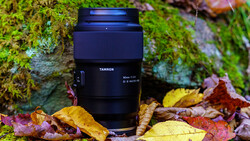
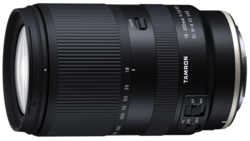
Coming to you from Matt Irwin, this practical video puts the new Tamron 70-180mm f/2.8 Di III VC VXD G2 lens on Nikon Z bodies and pushes it in low light, handheld, and tight talking-head framing. You see real focus pulls, stabilization behavior, and how the background falls away at 70mm f/2.8 on a full frame sensor. Irwin notes minimal focus breathing at normal distances, quick AF, and workable close focus that edges toward pseudo-macro. He also flags some jitter in video when stacking in-lens VC with in-body stabilization and digital crops, which is the kind of nuance that matters when you shoot long handheld.
The piece also puts the 180mm vs. 200mm question into context. Cropping a modern 24 MP or higher file can erase most of that 20mm gap while keeping the advantage of a shorter, lighter lens. You get a sense of how 70mm f/2.8 compares to a common 50mm talking-head look and why f/2.8 is still more than enough blur when you keep your subject close. Irwin shows vignetting wide open and a touch of lateral color in tough edges, both easily managed in post, and points out that micro-contrast isn’t at the level of Nikon’s S-Line tele zoom, which tracks with the price tier.
Key Specs
-
Focal length: 70 to 180mm
-
Aperture: maximum f/2.8, minimum f/22
-
Lens mount: Nikon Z
-
Format coverage: Full frame
-
Minimum focus distance: 0.3 m at 70mm, 0.85 m at 180mm
-
Magnification: 1:2.6 at wide, 0.21–0.38x overall
-
Optical design: 20 elements in 15 groups
-
Aperture blades: 9
-
Focus type: Autofocus
-
Image stabilization: Yes (VC)
-
Filter size: 67 mm
-
Dimensions: ø 83 × 156.5 mm
-
Weight: 865 g / 30.5 oz
Irwin spends time on handling. The barrel extends when zooming, but the throw is short and the action is damped, with a lock to keep it parked in your bag. A single function button and a control switch tie into Tamron Lens Utility over USB-C, useful if you want to assign functions or tweak focus behavior. Weather-sealing is present, and the 67mm filter thread keeps filters affordable. You also get the practical upsides of Tamron’s “close-focus on zooms” approach, which opens up detail shots and tighter portraits without swapping glass.
If you’re weighing options, the video touches the obvious comparison points without turning into a spec sheet. The NIKKOR Z 70-200mm f/2.8 VR S is sharper with stronger native contrast and pro-level stabilization in video at a higher cost and weight. Nikon’s own NIKKOR Z 70-180mm f/2.8 is the budget-lean option that skips optical VR and tops out at 180mm, which makes this Tamron a direct, more feature-rich alternative if you want VC and the G2 updates. Body pairing matters too. The demo shows the lens on a Z8 and Z9, where IBIS plus VC is great for stills but needs a firmware handshake for smoother video with heavy crops.
Image samples tell the story better than numbers. You can see cityscapes where compression stacks planes at 180mm, dusk frames at ISO 64 with clean edges, and bokeh that stays round in the center and turns a bit lemon-shaped toward the corners. The background transitions look gentle, and the nine-blade aperture helps keep specular highlights tidy. If you chase ultra-creamy rendering for portraits, the NIKKOR Z 135mm f/1.8 S Plena will sit a tier above in subject isolation and contrast, which is the tradeoff you’d expect. Check out the video above for the full rundown from Irwin.




Join the Fstoppers community for free
-
Post comments and join in the discussions
-
Browse the site ad-free
-
Share your work and get featured in the community
-
Compete in the photo contests for fun and prizes
No comments yet