Choosing between an 85mm f/1.4 and an 85mm f/1.8 lens can be tougher than it seems. Small differences in aperture may not seem like much on paper, but in practice, they can make a significant impact on your photography results.
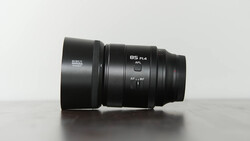
Coming to you from Joris Hermans, this insightful video directly compares two popular lenses: the Sony FE 85mm f/1.8 and the newer Kase 85mm f/1.4 AF. Hermans tackles the practical aspects first, pointing out that, traditionally, lenses with wider apertures like f/1.4 came with much heftier price tags. However, budget-friendly options have blurred the lines, and now you can find an f/1.4 lens at almost the same price as an f/1.8. Build quality between the two lenses is very similar, with a blend of plastic and metal construction that feels robust. But when it comes to features, the Kase lens has clear advantages like customizable function buttons, weather-sealing, and a USB-C port for updates.
The real question, though, is about performance. Hermans highlights that the actual exposure difference between f/1.4 and f/1.8 is two thirds of a stop, which is less than many assume. While this may seem minimal, practically, it allows for faster shutter speeds or lower ISO settings, which can significantly reduce camera shake or noise in low-light conditions. This small but meaningful difference could matter if you frequently shoot handheld or in challenging lighting. Hermans visually demonstrates this point with clear examples, showing exactly how much additional flexibility an f/1.4 aperture grants you.
Aside from low-light advantages, Hermans carefully examines the aesthetic differences, specifically the bokeh. Surprisingly, the visual distinction between f/1.4 and f/1.8 is subtle, with only slightly more pronounced background blur at f/1.4. Portrait photographers who crave maximum separation between subject and background may appreciate this subtle upgrade. But for most practical purposes, Hermans argues that the difference might not justify upgrading from an f/1.8 lens if aesthetics alone are your consideration.
To fully grasp these nuanced differences and how they play out in real-life shooting scenarios, Hermans includes a side-by-side visual comparison. Notably, he demonstrates how both lenses perform at identical settings, revealing how even lenses set to the same aperture can produce varying results due to their individual optical designs. This careful examination underscores that the choice between these lenses isn't strictly about aperture numbers, but about the tangible outcomes they deliver in different shooting conditions. Check out the video above for the full rundown from Hermans.





Join the Fstoppers community for free
-
Post comments and join in the discussions
-
Browse the site ad-free
-
Share your work and get featured in the community
-
Compete in the photo contests for fun and prizes
2 Comments
Olympus 45mm f1.2 for me.
All sensors lose considerable light-gathering ability due to reduced incidence angle acceptance beyond f/2. So that 2/3rds of an extra stop is typically less than a half stop. Most manufacturers disguise the problem by silently hiking ISO to compensate. This can be documented by using a non-electronic lens that doesn't report the aperture setting.