
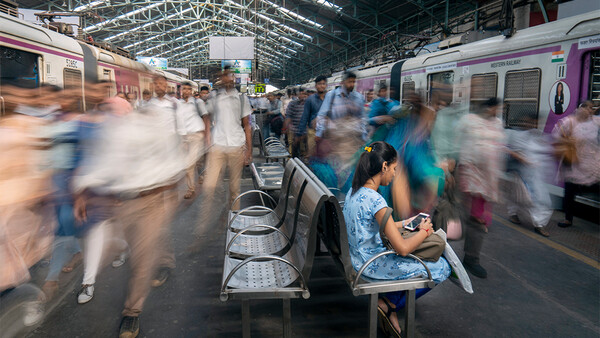
The “gear doesn’t matter” phrase pops up constantly in street photography circles. It may encourage beginners, but it rarely holds up once you’re actually on the street.
Where the “Gear Doesn’t Matter” Advice Comes From
YouTube was one of my favorite sources for all things street photography when I began learning about the genre more than a decade ago. What better place to learn from well-known photographers and to pick up tips on how they document urban life? But the platform also became home to a viral and seemingly innocuous, made-for-t-shirt slogan: the gear doesn’t matter.
The sentiments for such a catchphrase surely didn’t arise on YouTube or in street photography. While the origin story remains unclear, we do have the words of the photography masters of the past century, who rightfully placed emphasis on the importance of the photographer’s vision as opposed to what the camera was alone capable of as a mere tool. One commonly cited example is Ansel Adams’s view that “The single most important component of a camera is the twelve inches behind it.”
The problem with photography has traditionally been the price of admission. Many photographers starting out simply don’t have the best gear (likely not even close), let alone the knowledge to put it to good use. And when street photography began embracing the new mirrorless era, many of the most popular YouTube street photographers began repeating the gear doesn’t matter phrase in spite of sporting the most cutting-edge gear on their photography channels.
Why That Advice Spreads So Easily Online
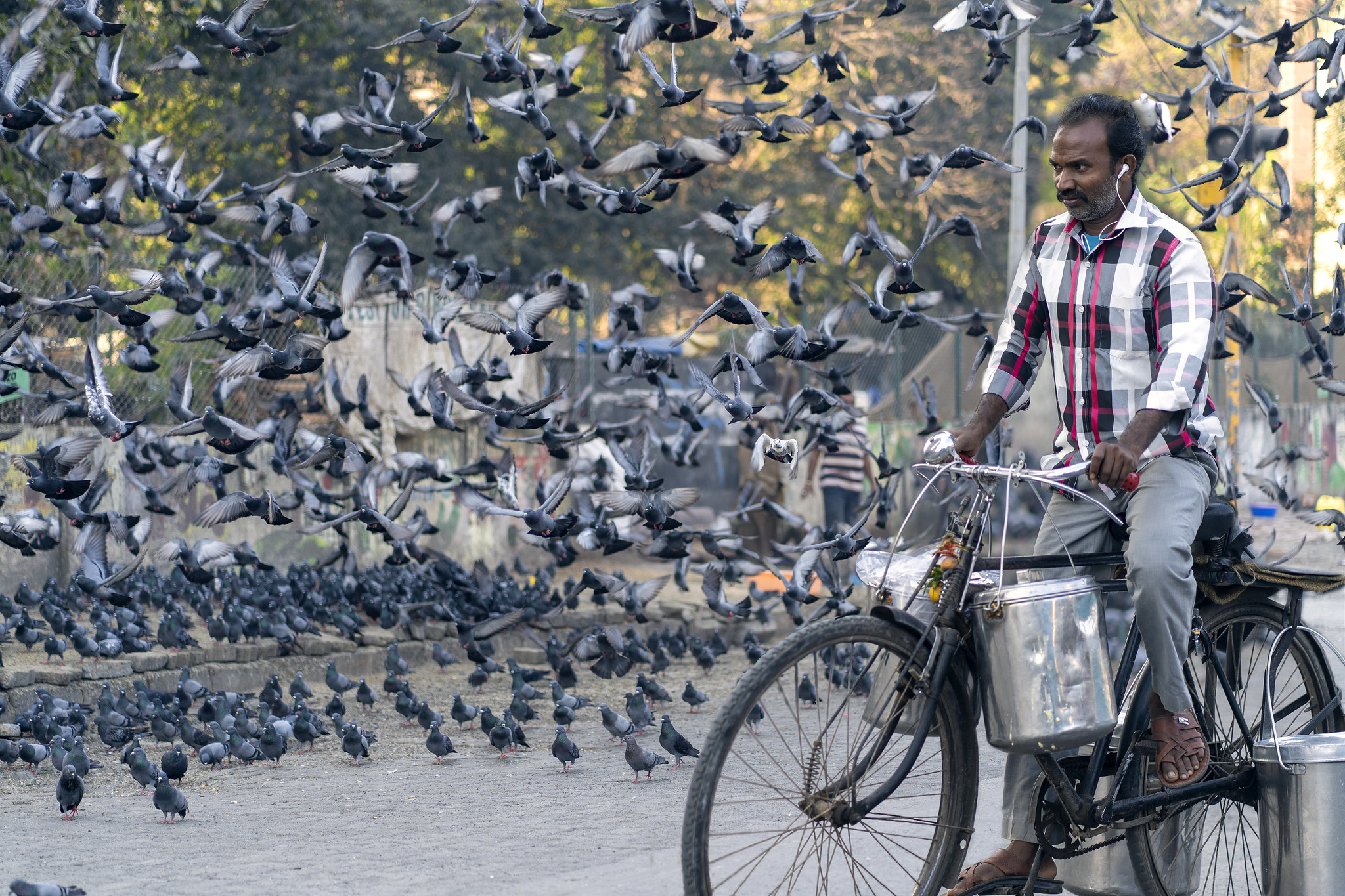
It’s understandable why many prominent street photographers embraced the idea that the gear doesn’t matter. And my intention here is not to demonize them. They were up against the optics of it all, the fear that they could alienate beginners and newcomers to their channels who were working with less glamorous DSLR hand-me-downs and outdated point-and-shoots.
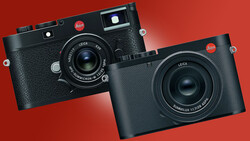
Competition for engagement and viewers may also help explain the popularity of the phrase. In hindsight, many of the videos I watched during the in-between months of major camera and lens releases were filled with general street photography wisdom. The next best thing to owning the latest Leica Q3 Monochrom or Ricoh GR was learning a few practical tips while YouTubers reassured viewers that the gear didn’t matter.
The irony was rarely addressed by the creators themselves. But one look at the comments section told another story, one of lengthy gear debates that fueled participation and satisfied YouTube algorithms. Videos built around that message became the currency of channel sustainability for content creators when there was no new gear to talk about. It didn’t help either that many popular creators were also talking about how the gear doesn’t matter while demonstrating street photography techniques that could easily be done with a bulky, large-format press camera from the 1930s.
Street Photography Exposes the Limits of That Advice
But that mantra is hard to hear above the intimidating snarls in the world of street photography. The hesitation and outright fear of photographing strangers can be extremely intimidating for beginners and pros alike, particularly when using larger cameras that stick out and draw the attention of pedestrians who aren’t glued to their smartphones at the moment.
Unlike studio photography or controlled portrait work, street photography offers very little control over shooting conditions. Light changes without warning, subjects aren’t always cooperative, and moments don’t wait to be refined or repeated. You’re working in public spaces where reactions can be unpredictable and sometimes openly hostile.
In those environments, speed and ergonomics stop being theoretical advantages and start becoming practical necessities. Getting the shot often comes down to how quickly you can react and how familiar you are with your camera. Especially in candid street photography, the difference between capturing a moment and missing it entirely is often measured in seconds.
This doesn’t mean street photography can’t be done with basic or outdated gear. It can. But as experience builds and priorities become clearer, choosing the right tools becomes a matter of practicality, not GAS (Gear Acquisition Syndrome).
Skill Comes First, but Tools Still Shape Outcomes

There is no such thing as the perfect street photography camera. For such a thing to exist, everyone practicing the craft would have to think in the same terms and shoot the same subjects. They would also need to agree on focal lengths, post-production, and even something as trivial as the right camera strap, if one is required at all.
This is where skill enters the picture and experience becomes the guiding factor in later decision-making. Mastering a camera and really absorbing what it means to shoot in one focal length, for example, goes a long way in navigating the street photography waters.
For me, I prefer the 24mm focal length when I’m shooting street photography. I gravitated toward that perspective because I discovered a strong preference for candid photography, where being fast and really knowing what things would look like at that focal length served me well in capturing undisturbed moments.
Contrast this style with those who like to do a lot of street portraiture, where cooperating with strangers to get the shot is commonplace, and a nice portrait lens of 50mm or greater would be suitable to blur the background and make the subject pop. This is a different set of skills entirely. Communication and personability are important to make the subject feel at ease.
As street photographers spend more time shooting, their approach naturally evolves. Experience is built through discovery, shaping what they’re drawn to and how they prefer to work. That’s when gear choices stop being hypothetical and start reflecting real habits formed through repetition. The tools don’t define the work. Over time, they simply reflect how a photographer works on the street.
A Better Way to Think About Gear in Street Photography
The problem with buying into the ‘gear doesn’t matter’ mindset is that it places the cart before the horse. It removes gear from the equation without context. At face value, this is actually correct if you’re a beginner. Until you master the camera you have and learn some basic photography principles, it doesn’t matter what camera you own. You won’t become a good photographer just because you own a top-of-the-line camera. Just like sitting oneself down in a Formula One racecar for the first time doesn’t qualify you to race.
A better way to approach street photography is to master the camera you already have and put in the time. Once that happens, gear choices stop being abstract. Gear may not matter when you are starting out, but the street eventually makes it clear what earns its place in your bag.
Join the Fstoppers community for free
-
Post comments and join in the discussions
-
Browse the site ad-free
-
Share your work and get featured in the community
-
Compete in the photo contests for fun and prizes
4 Comments
Totally agree. On the flip side, though, are those who try to convince you that a particular camera or brand is a “must” to obtain good stree photography (i.e., “your phone is no good and you need a real camera like mine”). Both sides of the coin try to influence, and like you well point out, getting out and taking photos will inevitably lead you to what you need to get the kind of photos you are after. So yes, gear matters, but what kind of gear, that will be determined by the world out there and what you’re after.
Appreciate the thoughtful addition. Yeah, I've seen those "you NEED this camera" videos, and they never track well either. What's funny is that both extremes often lead to the same place: someone trying to sell you something. The actual answer is frustratingly personal and only comes from putting in the reps. Nobody else can tell you what your ideal street kit looks like. That's knowledge you earn through shooting, not through YouTube recommendations.
Usually the main issue with the gear doesn't matter mantra, is that it is almost exclusively stated by people who have some variation of the "gear doesn't matter" starter kit that looks a little like this.
I think I need to upgrade my gear-deosn't-matter starter kit:)