


Five Things not to Skimp on in Photography
We have all heard the old adage: buy cheap and buy twice. Here are five things you shouldn’t skimp on.
We have all heard the old adage: buy cheap and buy twice. Here are five things you shouldn’t skimp on.
We all want to get better. Here are three quick steps to help you get on your way this weekend.
Staying afloat as a photographer means having several revenue streams. Here are seven ways I had not expected to be paid as a photographer.
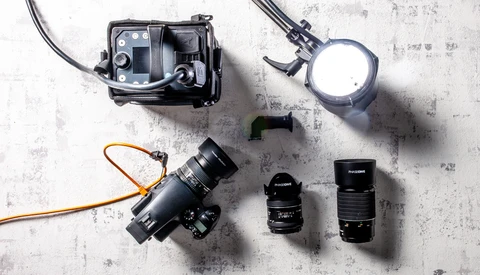
I’ve had the fortune of being let loose with a high-end Phase One medium format full frame digital camera; here is what I learned.
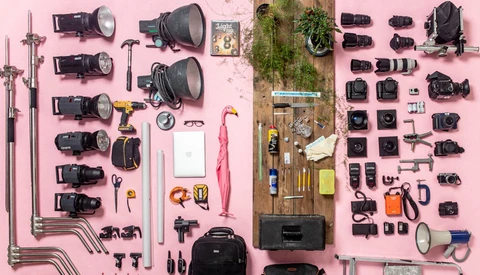
We all get stressed about our gear at some point in our careers. Knowing how much and what quality of photography gear you need is complicated. This will help shed some light on exactly how much equipment a professional photographer needs.
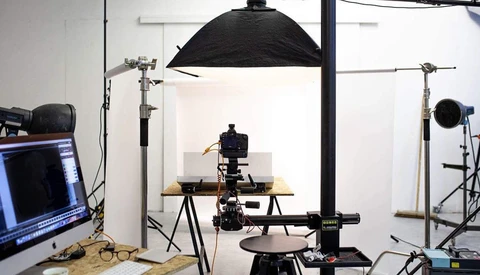
At some point in our career, we all have to deal with a nightmare client. Here are a few tips to help spot them and then avoid them.

When I started food photography I was in awe of the beautiful backdrops. It took me a good 6 months to work out where to get them from.
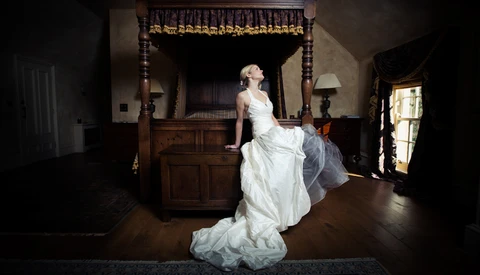
Wedding season is in full swing in the UK. It can be a tiring and stressful time, so here are five tips to help you get through.
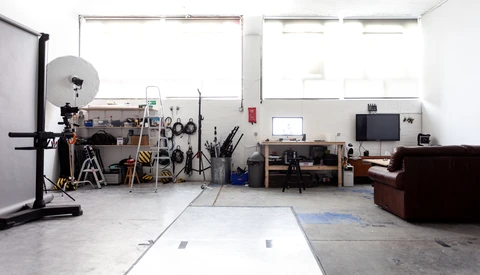
For a lot of us, being able to spend all of our time taking photographs is very enticing. Here are five markers that suggest you are ready to make the leap from amateur to professional.

I am trying to brush up my photography skills in areas I am not overly familiar with. This week it was beer photography, and boy did I learn a lot.
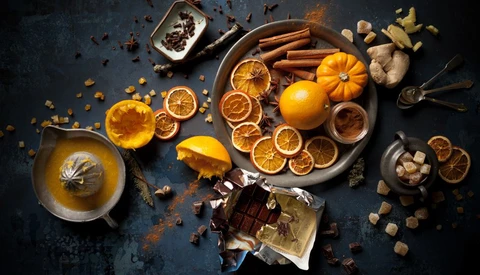
Not so long ago, I took the plunge and deleted my Facebook accounts, both personal and business profiles. As a professional photographer, this may seem like career suicide. However, it may have saved my career and sanity.
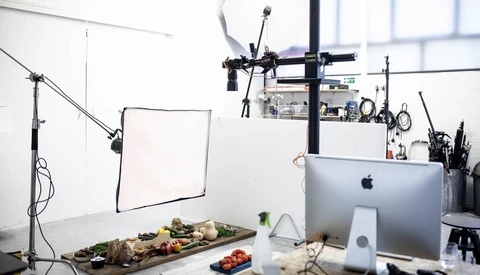
I have been doing photography for about 10 years. In that time I have moved from hobbiest film shooter to professional commercial photographer. This is what helped me make the leap.
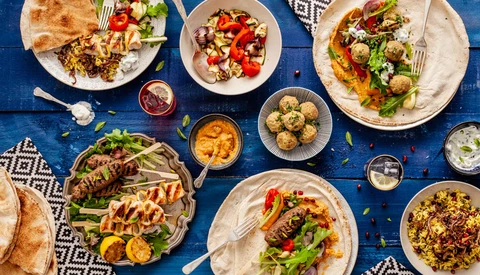
Creating soft light can become an expensive pursuit. A large, indirect softbox will cost around $2,000 and the cheaper ones are often badly built, are small, or generally lack good light quality. Being a tight git, I set about finding a way to create high quality, soft light for my food photography, although this set up will work for pretty much all genres.
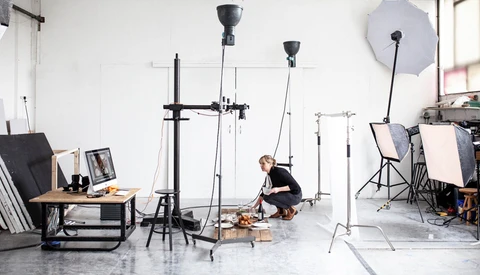
Most of us reach a stage in our career (usually early on) where we feel a bit lost and like we are on the wrong train. If you are stuck in that rut, here are some great reasons to get out there and start collaborating on test shoots.
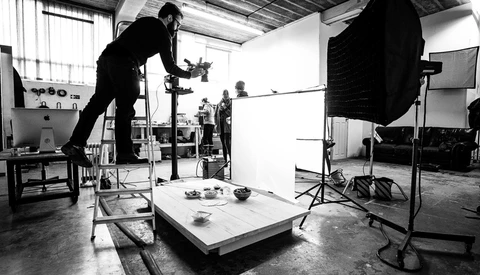
My studio has become a second home, and I invest a lot of time and money into it. Recently, I have been restocking a few essentials I can’t live without while trying to make my shooting more efficient.
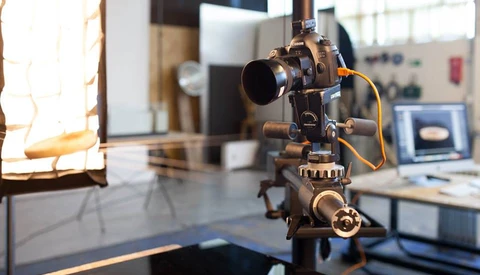
Last week, I had a photographer friend (hobbyist, but very talented) ask me if it was still possible to make a living in photography. This coincided with a Facebook rant from a local pro about a small restaurant asking for free food photography in exchange for the dreaded “exposure.” There are really two questions here, but I think they tie in together nicely. The question
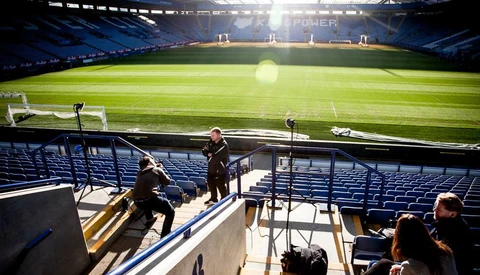
2018 is certainly well underway. It’s getting toward the time of year where we start to let our goals slip. In the UK, summer has arrived and it's far more appealing to sit in a beer garden than it is to lock yourself away at your desk.

Most of my food photography is lit with only one light source and after a few years of taking a special interest in shooting food and drink, I know exactly where I want the light to be and why.
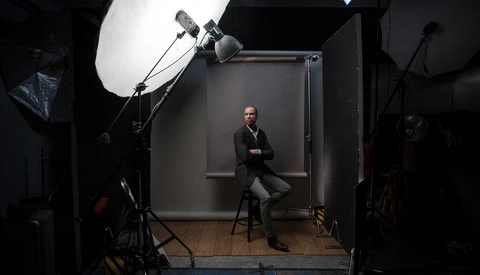
When we start out as photographers, it can be a little underwhelming, I mean, we all have this idea of what we're capable of and yet we start out working on small jobs (often) with low budgets. Assisting helps you keep your enthusiasm while rising up through the ranks of experience and gives you access to productions possibly decades away from your current skill set.
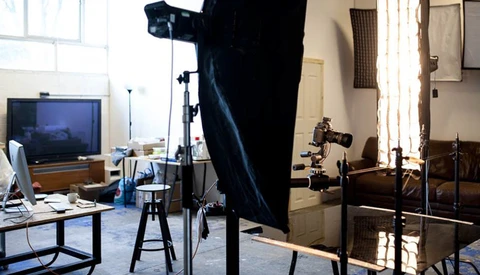
For a lot of us who are chasing a career in photography, we soon come to a bit of a pinch point. We have thrown all our money into cameras, computers, lenses, and lights, so our house is a mess of kit clutter. Here's how to build your own dedicated studio.
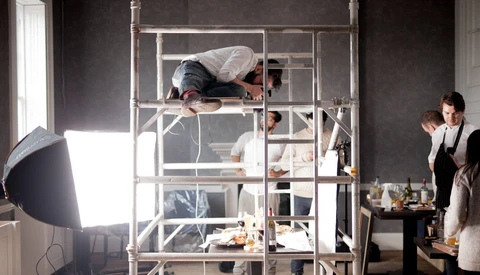
We all have to start somewhere. Taking on that first job can be very intimidating, so here are some tips to make sure it goes as smoothly as possible.
Photography agents are nothing new. They've been around for a long time, but since the advent of social media they seem like something we are all a lot more aware of; anyone who's anyone has an agent, right? However, there are a few misconceptions out there as to what an agent offers.
Most clients today look at a digital portfolio rather than a printed book. Granted, the higher up the ladder you go, the more it leads toward print, but for the vast majority of us trying to make a living from photography, digital is king. Here are some tips on how to get bookings from your website.
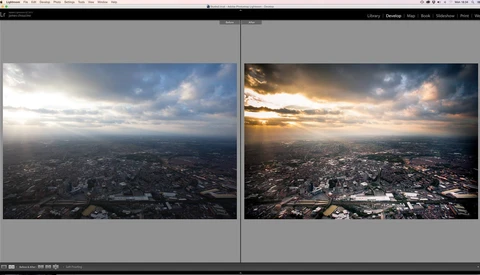
Isn’t Facebook time hop great?! Every day I get to see the last seven to eight years of my photography. Like almost every photographer, I sucked when I started out. My actual composition and use of the camera weren't too bad, but my post-production was horrendous. The best way to describe the post processing is “heavy-handed.”
Most of us will have had that feeling of dread creeping up on us at some point in our lives; the racing heart, nausea, sweaty palms, and sense of impending doom. For some of us, this is just the start. And it’s not occasional. Working as a photographer with anxiety can feel very isolating and often impossible.
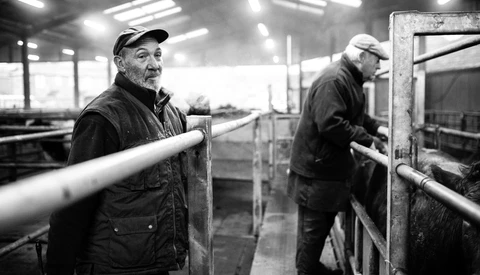
Although I now work in the commercial world, my passion started with documentary photography. I was, and still am, obsessed with Annie Leibowitz’s work with the Rolling Stones and I loved William Egglestone’s color observations of the mundane world he found himself in.
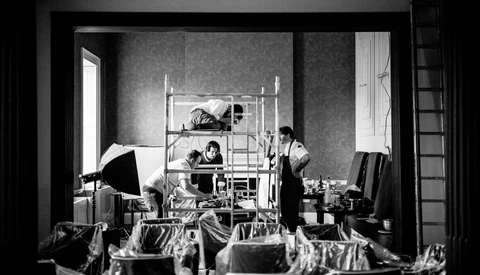
Whether you are just starting out or you have been shooting for years, pricing is always top of your mind. For a long time, I just plucked figures out of the air, which made for very awkward conversations when clients wanted to know various ways to save money on a shoot.
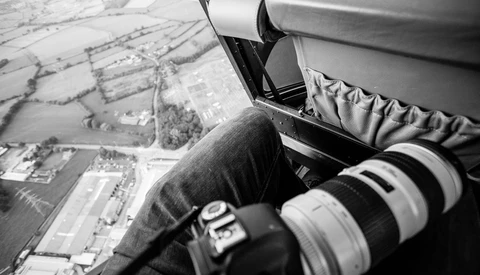
You might have noticed a common theme in my articles: "the gear doesn’t matter". A lot of people have called me out on this, especially as in my profile picture I’m shooting on a Phase One with Broncolor lights. And yes, you are right, the kit does matter in my line of work, just not always. Sitting on the fence? Maybe. Here’s my explanation:
Durability
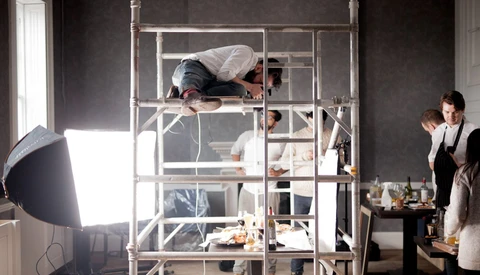
Going pro or full time in photography is often a daunting task. A lot of us are making the jump from another career rather than straight from university. This offers a particular set of challenges. Chances are that you have a mortgage or rent, loans, credit cards, children, cars, bills, a cat and dog, and a host of expenses that you have to keep on top of.
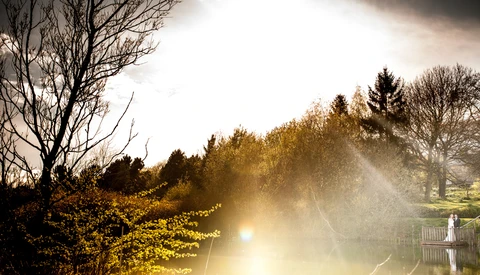
As a photographer, at some point a friend, relative, co-worker, or a follower will ask you to photograph their wedding. Regardless of whether you are a product photographer, pet photographer, or any other kind of photographer that has nothing to do with weddings, they will ask you. And at some point, you will say yes, which is probably how you have found this article.
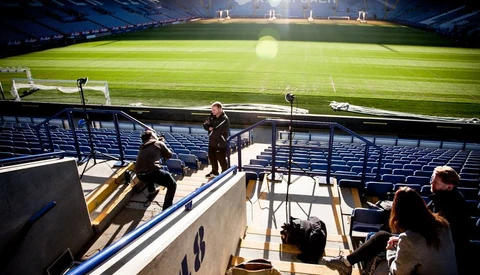
I always think that knowing a bit about the author is important, especially when reading an article about camera equipment. I work predominantly as a commercial photographer shooting people and food. However, most of my kit was purchased when I was starting out as a wedding photographer.

Food photography is great fun and really easy to get into. All you need is a camera (which if you own a smart phone, you already have) and some food.
Here are 5 simple ways to improve your food photography.
Almost all of us want to improve our photography. Regardless of whether you are a hobbyist, aspiring professional, or if you have been a pro for several decades, there's always more to learn. Creating better images should always be at the forefront of our mind.
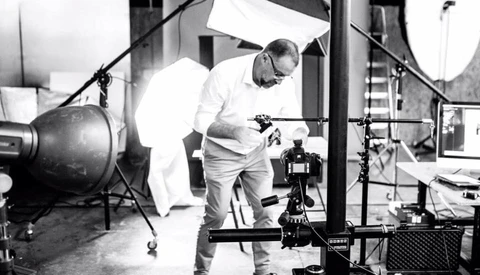
Being a professional photographer is an expensive game. Even really basic equipment is hard on the pocket. A lot of us (myself included) get this nagging doubt that our current kit is holding us back. I'm also guilty of getting gear envy when I see other photographers behind the scenes shots on instagram.
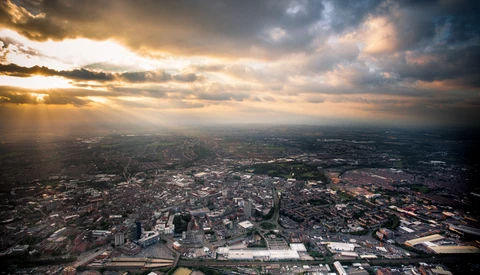
About a year ago I was drinking in a bar in Leicester, England. I got chatting to a gentleman who I sort of recognized from various events I'd attended in the past. After a few drinks, I discovered he owned a helicopter. At this stage, I was a bit worse for wear and thought it would be a grand idea to ask if he'd like to fly me above our hometown to take a sunset cityscape.