


How Are You Documenting Your Life as a Photographer?
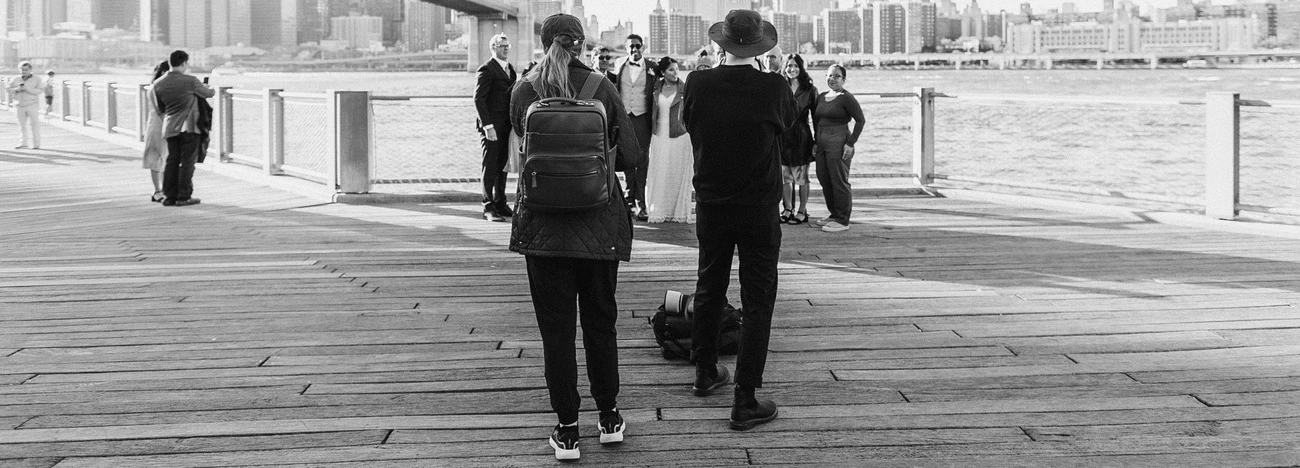
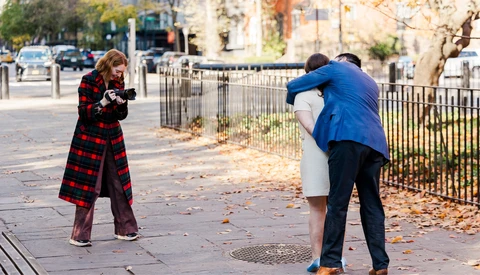
As photographers, we spend our lives capturing other people’s moments. But somewhere along the way, many of us stop documenting our own.
As photographers, we spend our lives capturing other people’s moments. But somewhere along the way, many of us stop documenting our own.
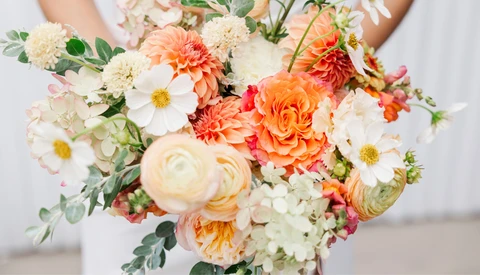
In photography, trends come and go faster than you can say “preset pack.” One season, it is all about soft, desaturated tones. The next, everyone is leaning hard into bold, cinematic color grading. But when the dust settles, one thing becomes clear: most clients just want their memories to look the way they remember them.
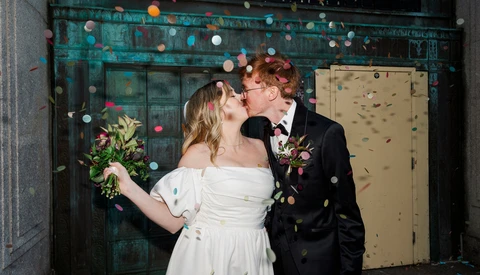
Wedding photographers have been dodging “Uncle Bobs” for decades, but there is a new guest in the way. The content creator is here, and they are not going anywhere.

Over the past decade, the number of self-proclaimed photography “educators” online has exploded. With a few clicks and a decent-looking website, anyone can market themselves as a teacher. Many photographers have turned to education as a side income, and some have built thriving communities and valuable programs.

I do not like Facebook. It feels like a haunted time capsule that insists on reminding me of who I was 14 years ago. It pops up with posts like a close-up of a dandelion paired with Death Cab for Cutie lyrics. Or it digs up photos from my first “portrait sessions” in 2009, when my friends graciously stood in front of my camera so I could figure out what aperture even meant.

Photographers are often asked about their “worst bridezilla” stories. My answer is always the same: I don’t use that term. I don’t appreciate its sexist origins, and I don’t believe it reflects reality. The bridezilla stereotype paints brides as self-centered, high-maintenance figures on their wedding day.
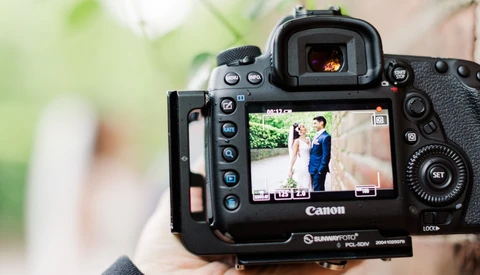
Wedding photographers are seeing a dramatic increase in ghosted inquiries. Couples are sending out initial messages but only responding if they feel an immediate and undeniable connection, and if the pricing works for them. For many in the industry, this shift has created an unpredictable and often frustrating sales process.
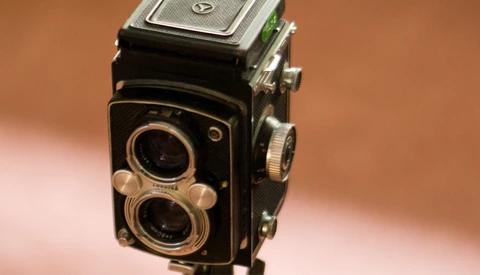
Demarchelier. Eggleston. Avedon. Penn. Mann. Leibovitz. These names are etched into the history of photography. They are the figures whose work appears in museum retrospectives, on coffee tables, and in academic textbooks. But will photography ever produce universally recognized legends like this again?
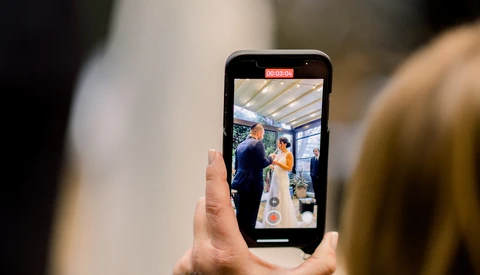
With every social media boom comes a new wave of photographers navigating its landscape. The TikTok world is completely different from the platforms of the past. On Facebook and Instagram, things are easy enough for photographers: post stills, write captions, engage, engage, engage.

It is quite an uncertain time for wedding photographers. We don’t know when our next event will be or what weddings will look like in the near future. What we do know is that people will still be getting married one way or another. However, it can feel creatively exhausting to go for months on end without photographing what you love.
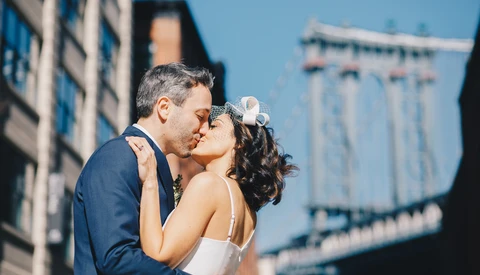
It is a difficult time for wedding photographers in 2020. Wedding bookings, for the time being, have postponed or canceled. Many couples in the United States have shifted their wedding dates to 2021, leaving wedding photographers without thousands of dollars of anticipated income for the rest of the year.
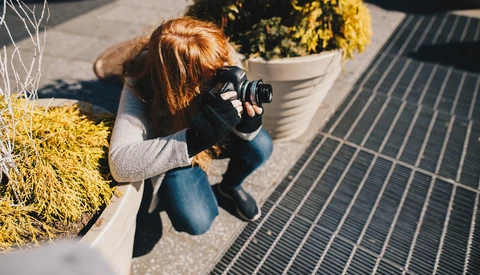
You may have noticed a photography education form in recent years online. With the popularization of digital courses, photographers have found fantastic ways to spread education in their community. They’ve also found a lot of opportunities for their business growth in creating an educational platform. So, why do so many photographers get into education in the first place?
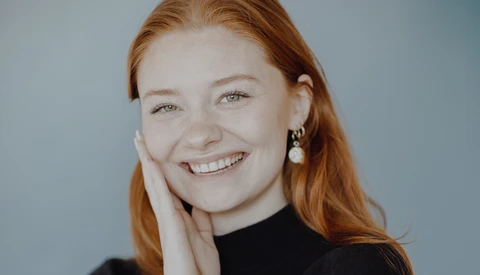
When it comes to photographing models, a comfortable subject can make for exceptional photos. Making your subjects feel like they are in a safe and welcoming environment will make your photoshoot a successful photo set for both your portfolio and the models. As a photographer, it is your responsibility to make the subject of your images feel comfortable and in a safe space.
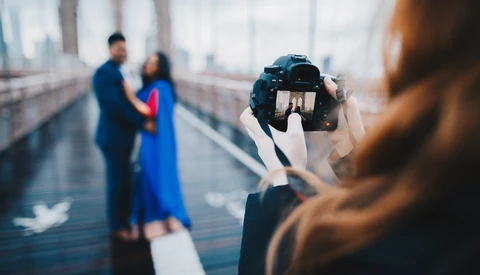
If you haven’t been keeping up with your photography Instagram marketing, now’s the time to revisit. Instagram marketing can be incredibly fruitful for photography businesses. To make it work for yours, you must understand how to use Instagram productively. Let’s start off with some statistics…
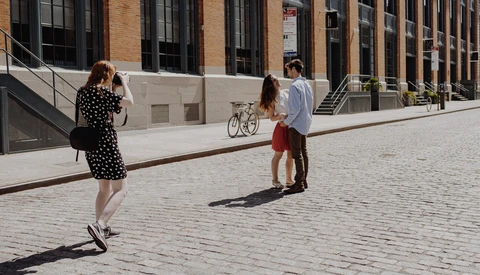
One of the best ways to continually improve your photography business is to keep educating yourself. If you’re looking for opportunities to educate yourself from home, there are plenty of options available online. Learn more about how you can self-educate in photography right from the comfort of your home.
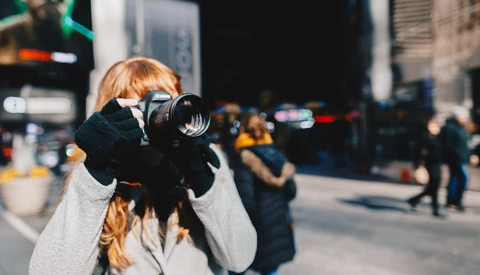
It’s important during this period of uncertainty to keep marketing your photography business. Marketing your business can keep you prepared for when things start to resume in the photography industry. Once events start up again, photoshoots begin to produce once more, and people can gather, your business will be ready.
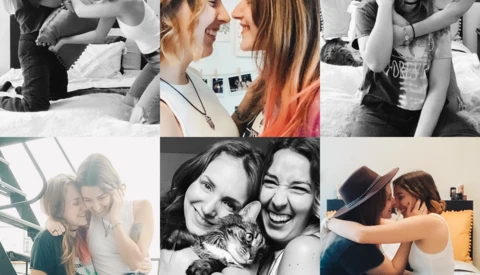
Looking for something to do during the coronavirus lockdown? Photographers are finding more and more ways to be creative during this time. Read on for some fun photography project ideas to work on during COVID-19.

Looking to use some of this downtime to ramp up your photography business? Professional Photographers of America is offering up education for free.
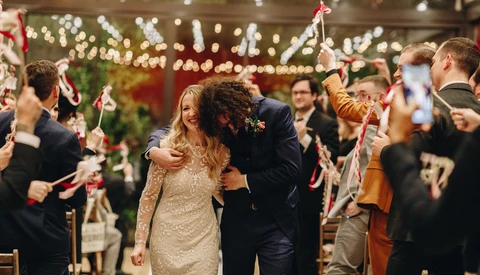
Wedding photographers are being hit hard during COVID-19/coronavirus shutdowns. With events anywhere from 100, to 50, to 10 people being shut down, dependent on the city, couples and photographers alike are scrambling to pick up the pieces. With the coronavirus switching things up for the peak of wedding season in many markets, it has left wedding photographers wondering how to fill the gap.
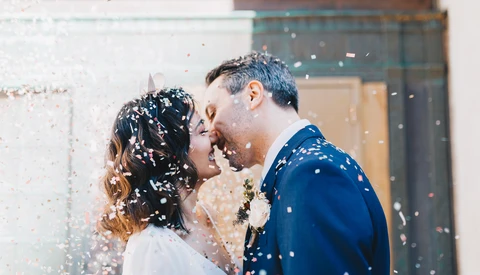
COVID-19 is causing lots of uncertainty, especially for wedding photographers. Wedding photography often puts you in a room with 100, 200, even 300 people who have often been traveling. It’s no surprise that this pandemic has had a major effect on the weddings industry. Many photographers are facing postponements, cancellations, and halted bookings.

The top question that haunts wedding photographers is: how do I get more clients? When it comes to wedding photography, get creative with your marketing tactics. These ideas to attract wedding photography clients will refresh your routine and expose you to clients you may not otherwise reach.
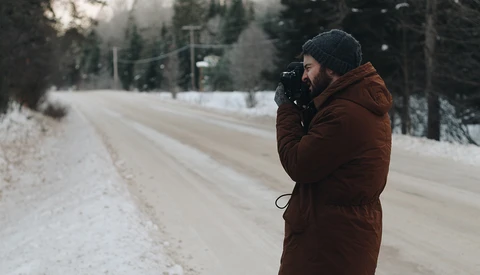
There is a lot of debate within the photo community on the importance of a social media presence. As social media has increasingly evolved as an essential in daily life, it’s time for photographers to stop fighting against the current. No matter your niche, there is value in participating in an online presence.
“Exposure doesn’t pay the bills.” As photographers, we’ve all heard this saying, and we’ve all probably even said this at least once. It’s frustrating to be expected to work for free at all as a creative professional. You and your work need to be taken seriously.