
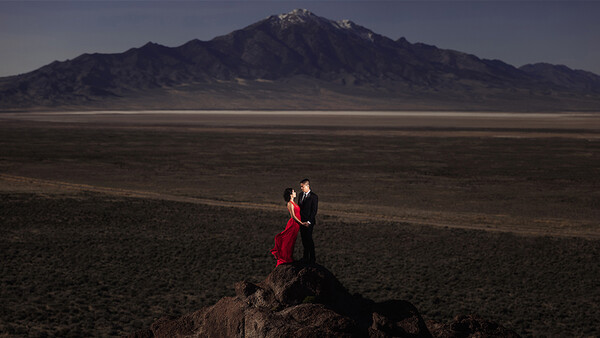
In photography, the term leading lines is a compositional technique used to draw a viewer's eye to the subject of the photo. These lines can be created by any object in the scene like a road or path, a fence or railing, a distant object like a mountain, and any other structure that creates a real or imaginary line in your image.
These lines can be used to add depth, perspective, and a natural flow to photos, making them more visually interesting and compelling. When used correctly, leading lines can help create stunning images without any distraction from the main point of focus. In this article, we’ll show you common leading lines scenarios, with some stunning, real-world examples from professional photographers.
Note: The following images are provided by the photographers on Wedding Maps and used with permission for this article.
Look for Leading Lines in Buildings and Other Urban Architecture
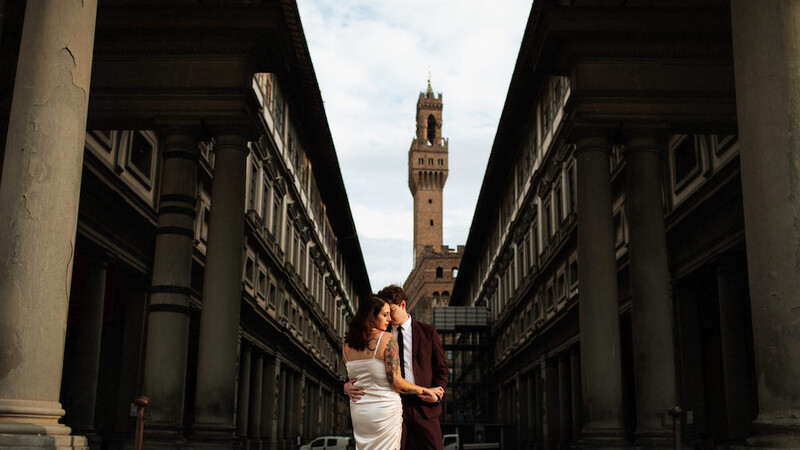
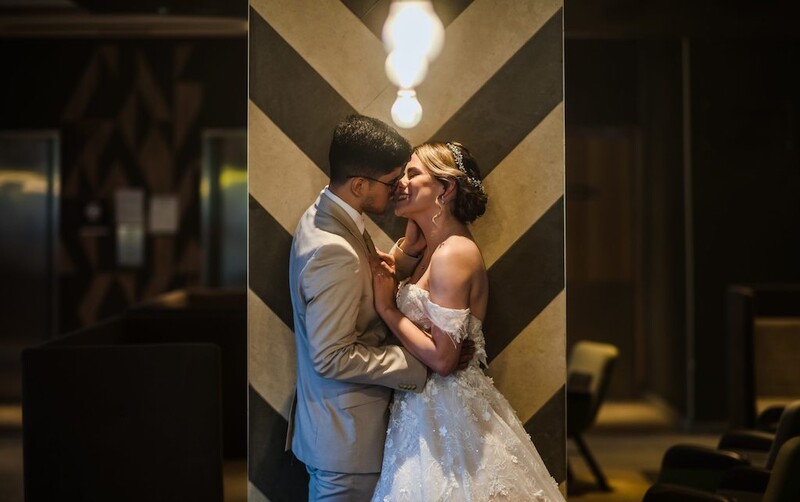
Photographers can use buildings and other urban architecture to create effective leading lines in their compositions. Drawing the viewer's eye to a particular focal point can be achieved simply by strategically framing buildings and architectural shapes. Elements such as long straight highways, tall buildings, curved railings, and walkways with repetitive shapes lend themselves especially well to creating practice leading lines for photographers. With careful consideration of framing and composition, these urban structures can lead the viewers' eyes across the photo or directly to a critical element within it.


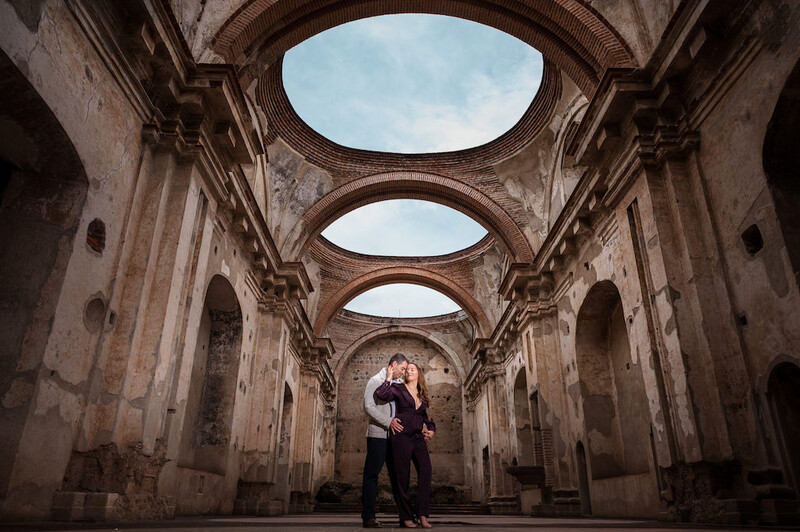
Find Lines in Staircases
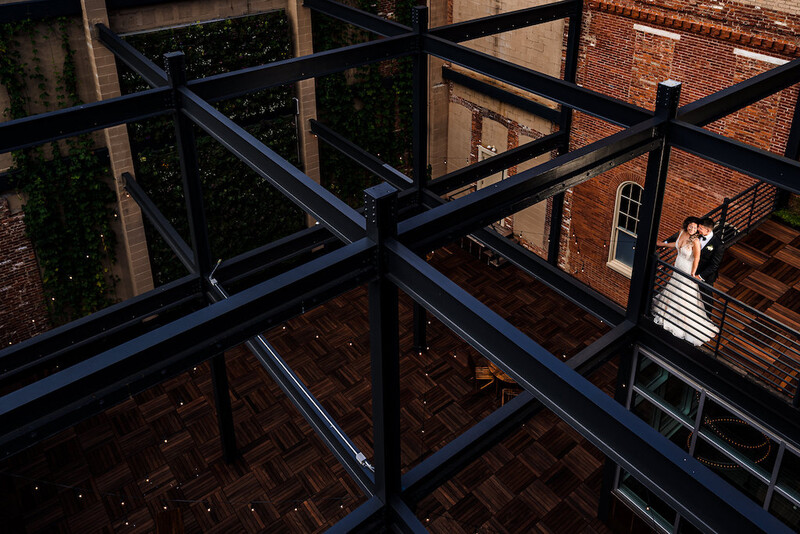
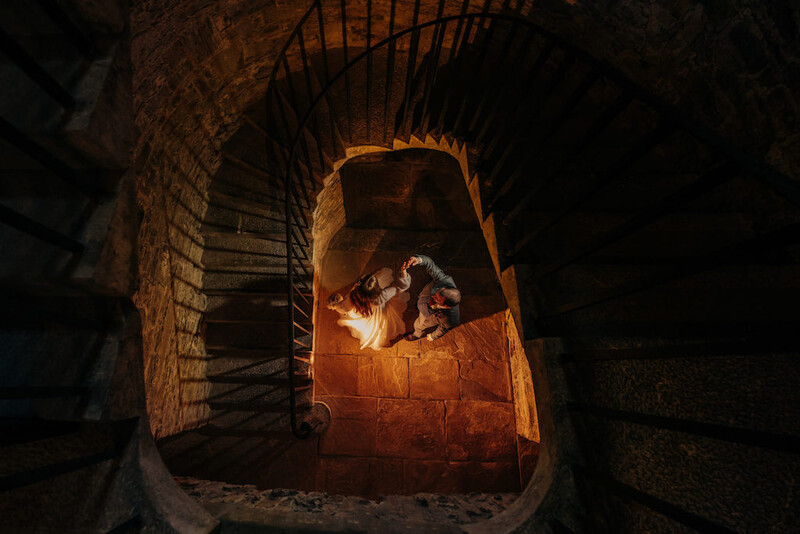
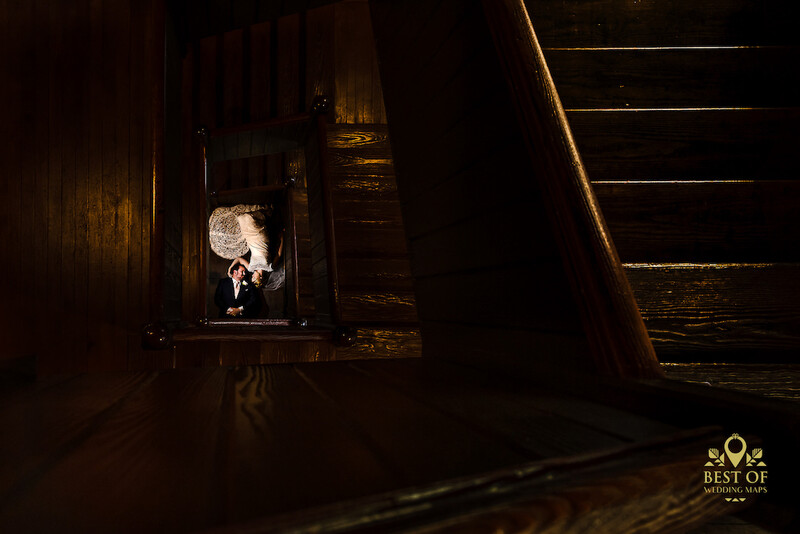
Stairs and staircases can also create leading lines. With the subjects on the ground floor, photographers can climb up a spiral staircase and shoot down. The staircase then creates leading lines that spiral right into the subject. See the examples below.
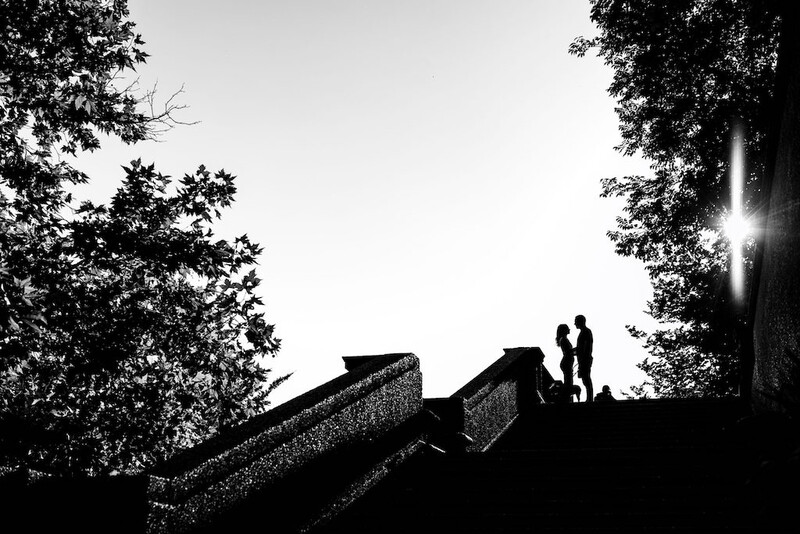
With straight stairs, photographers can also place the subject at the top and the stairs will create a leading line right into the couple, as you see in the image below.
Nature and Trees Can Create Leading Lines
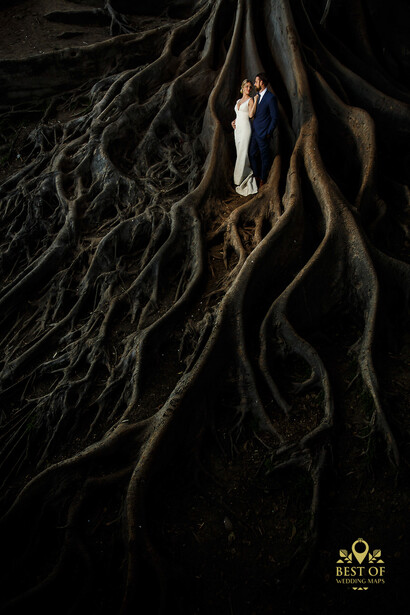
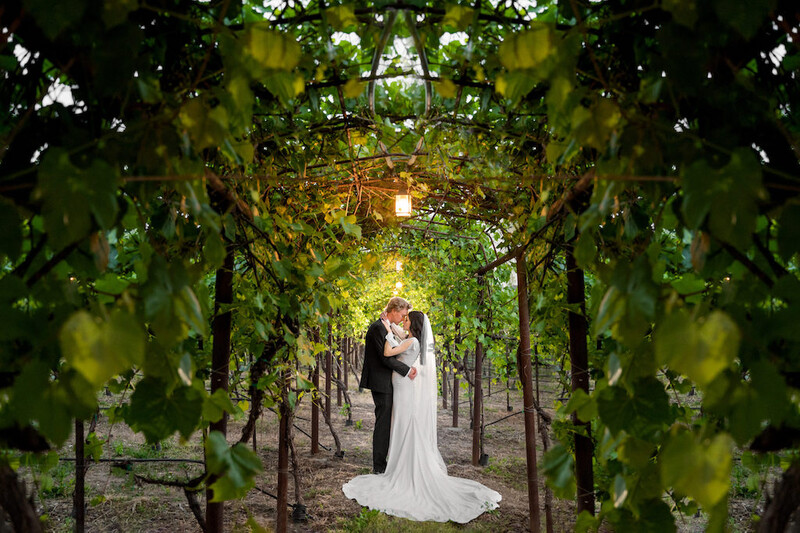
Photographers looking for a creative way to draw the eye within their work can do so by utilizing nature's curves and bends. Trees and other elements of nature often create natural leading lines that guide the viewer’s eye throughout the frame. To put it into practice, find a scene where the trees offer dynamic shapes or run along the edge of a landscape. Try using them as guides to draw attention from the background to the foreground. Incorporating nature is an art form when used effectively in this way and can open up lots of possibilities for photographers looking for something creative.
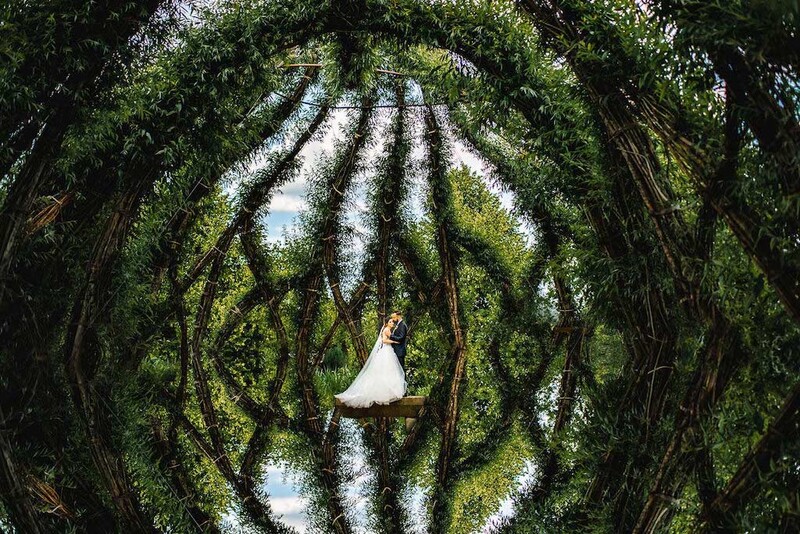
With the intentional placement of a tree, branch, or root in the foreground, photographers can direct the audience’s eye to a specific part of an image such as a person or action in the background. See the example below.
Clothing and Accessories Can Create Leading Lines
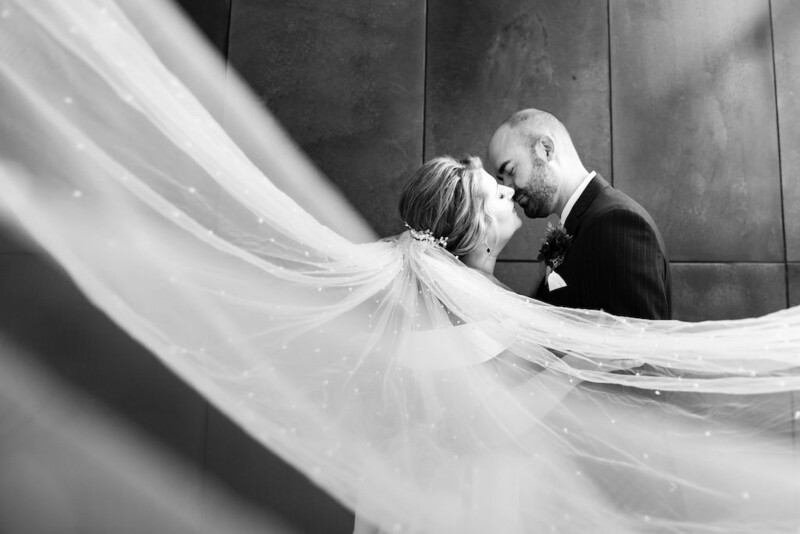
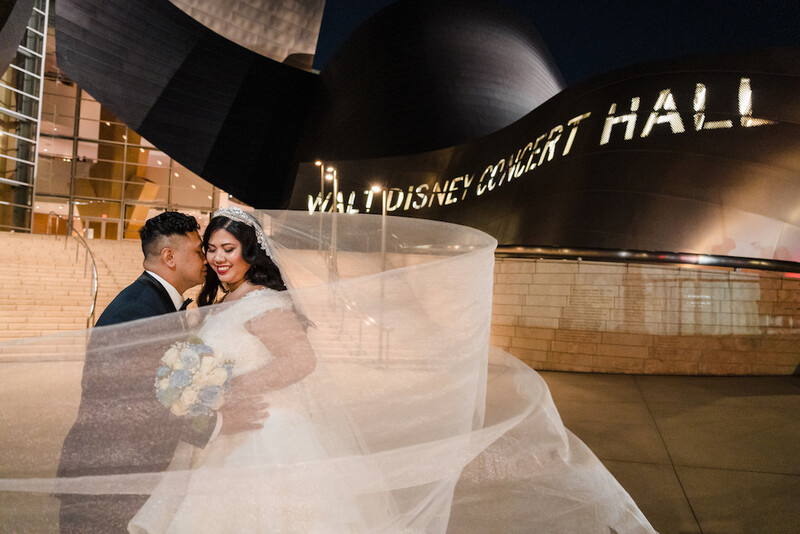
Photographers can also "create" leading lines using the subject's wardrobe to create a dramatic and dynamic effect. This is common in wedding photography, when the photographer uses the wedding veil to lead into the bride or the couple. See the examples below.
Reflective Surfaces and Contribute to the Leading Lines in the Scene
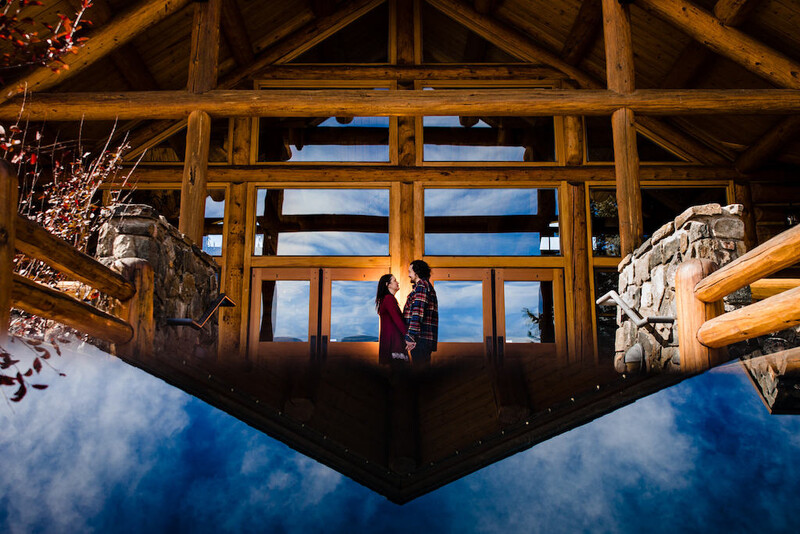
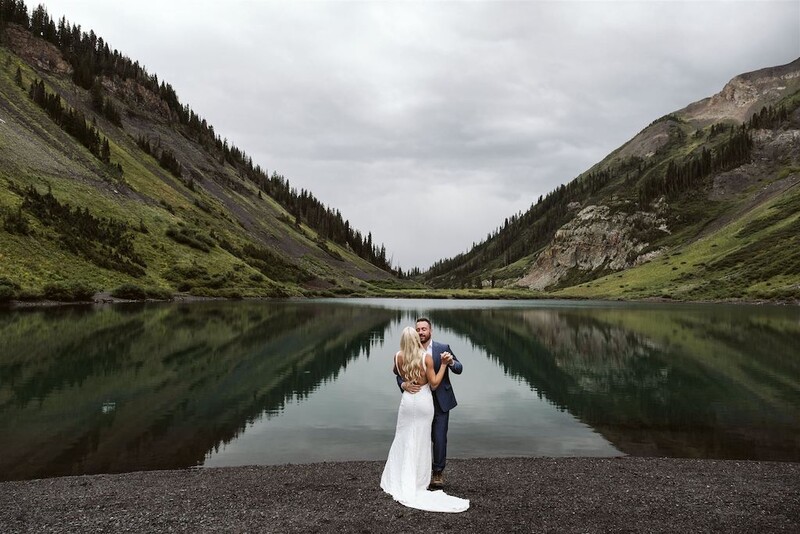
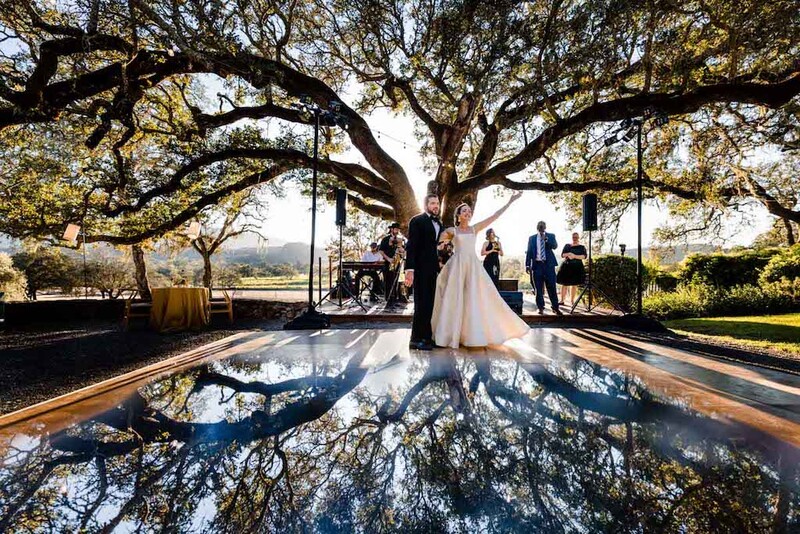
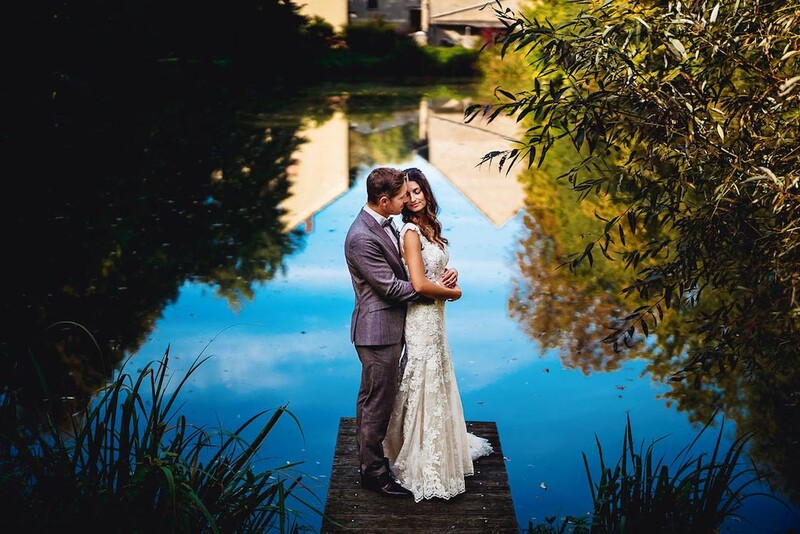
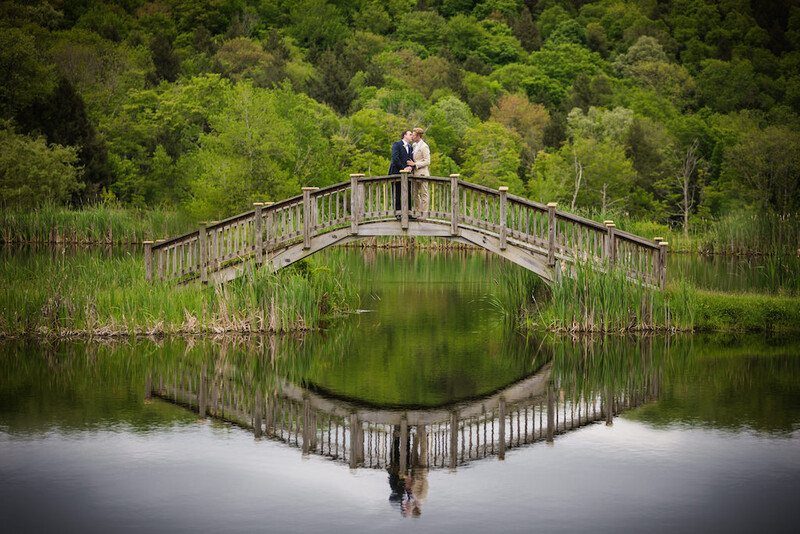
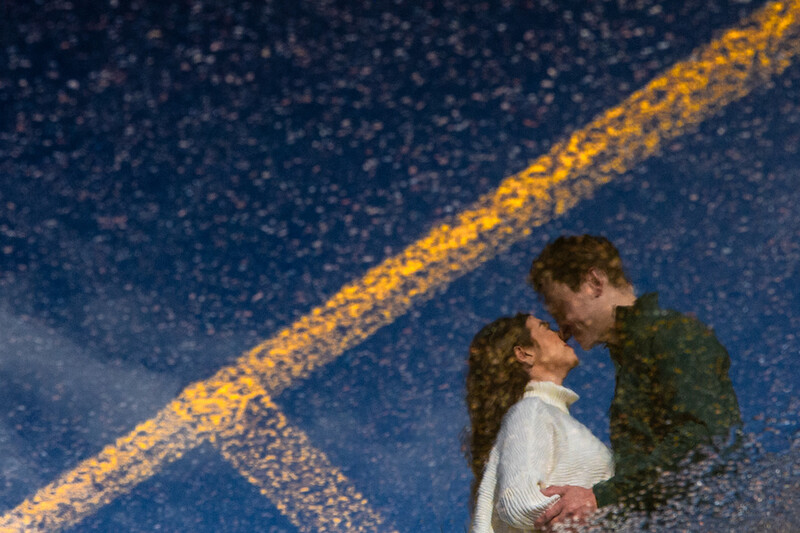
Reflective surfaces can amplify a photographic composition in a variety of ways. In regards to leading lines, the reflection can essentially double the number of lines leading to the subject(s). Reflections can also provide additional framing opportunities and introduce other elements to the scene to use in leading lines compositions.
Vanishing Points of Roads and Paths
Roads and paths can be an incredibly powerful tool for photographers to create beautiful imagery. By using roads and paths as leading lines, photographers can draw the viewer's eyes in a certain direction and help them envision the journey of a character or the story of the photograph. Depending on the desired outcome, leading lines can be used to extend perspective, lead out of one section into another by creating sharp turns, curves for a dynamic feel, or even help present a symmetrical structure.
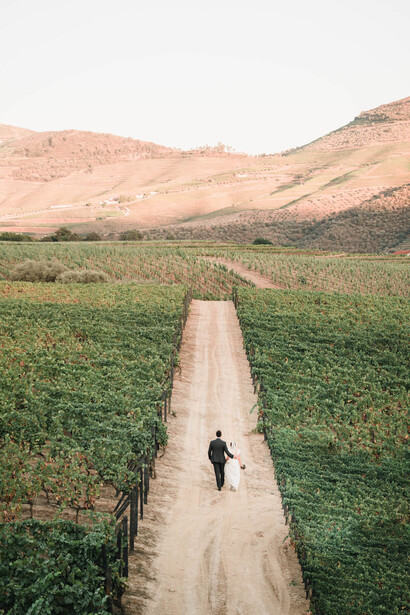
Paint or Art Can Also Create Leading Lines
Wall art and other paint can also be used creatively for framing and leading lines compositions.
Wedding Ceremony and Church Aisles Create Leading Lines
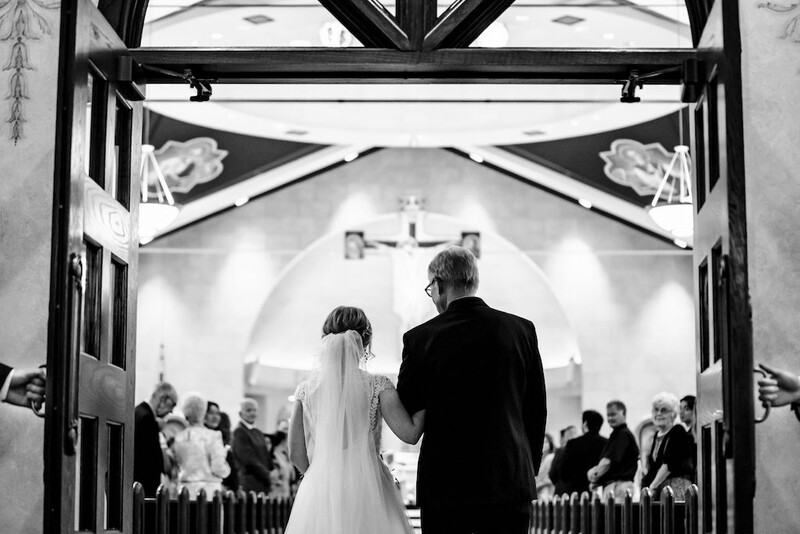
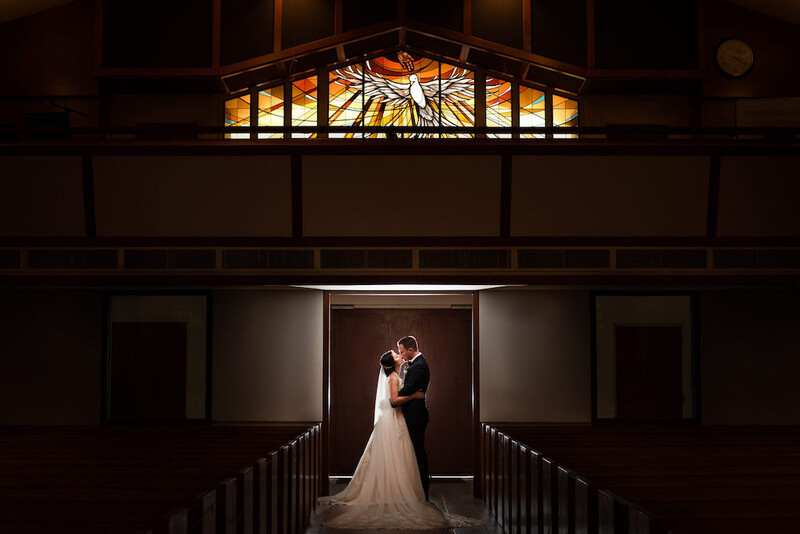
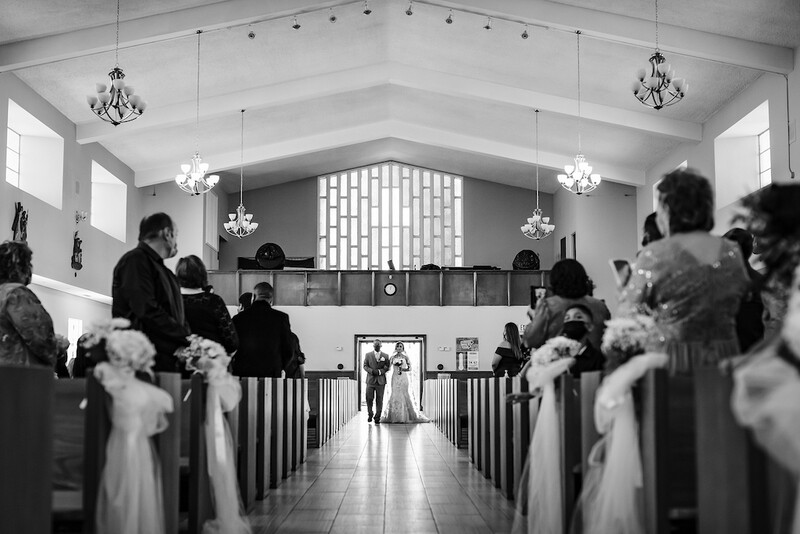
Similar to roads and paths, a church or wedding ceremony aisle creates a natural leading line for wedding photographers to use in their compositions.
Lights and Contrast Can Create Leading Lines
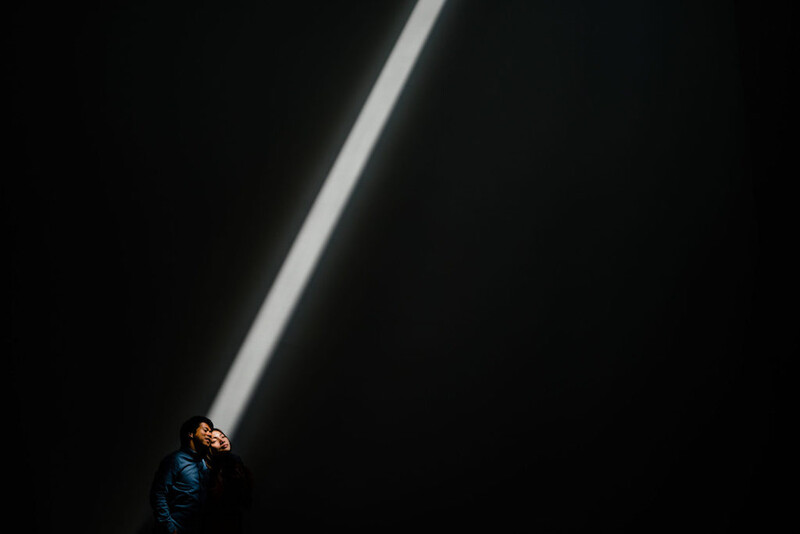
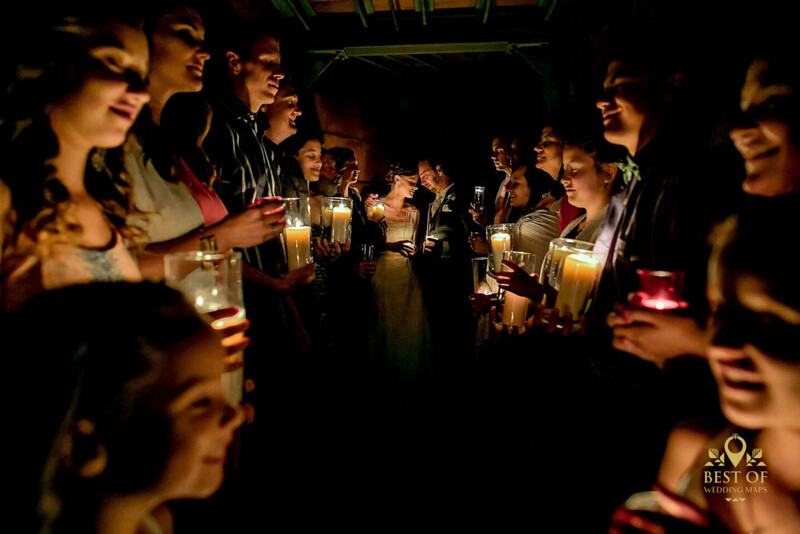
Leading lines aren't limited to physical objects. Creative photographers can also use light and contrast to create leading lines, as you can see in the image below.
Identify Leading Lines in Mountains and Peaks
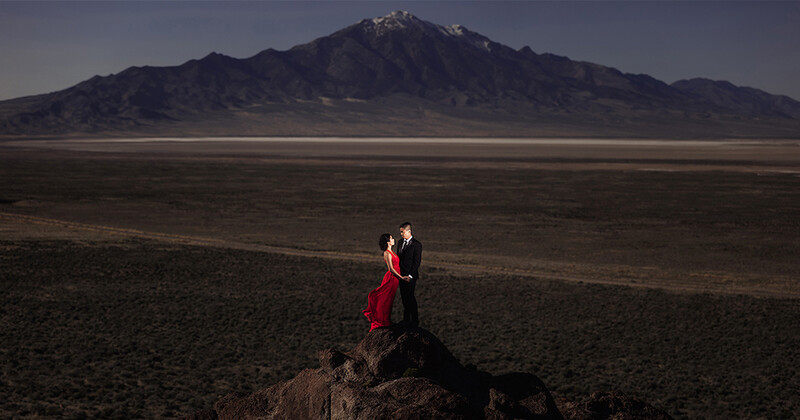
Photographers can use the power of the mountain landscape to create beautiful scenes with stunning leading lines. Mountainside cliffs, ridges, and peaks naturally form unique lines that draw the viewer’s eye to important aspects of the photograph. Photographers can enhance this effect by using mountains that have distinct shapes or jagged outlines. These strong lines provide a visual pathway for viewers to explore the photograph and for photographers to emphasize their creative vision as well. Additionally, wide-angle lenses further emphasize these dramatic leading lines by allowing more possibilities for angle and composition.
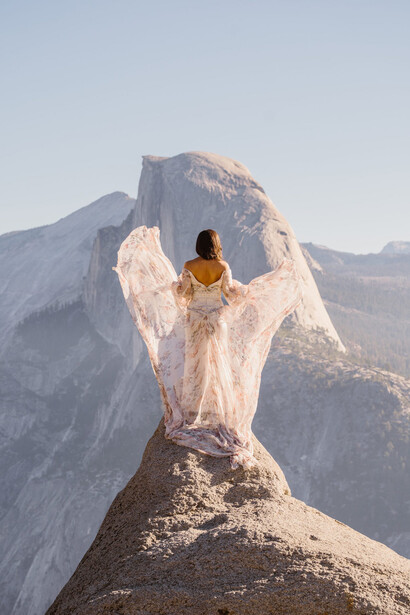
Anything Can Be Used! Get Creative
At this point in the article, we hope that you can see that anything can be used to create leading lines, from physical objects to a series of different objects to light and contrast. See a few more examples of using leading lines in creative ways below.
Conclusion
To master the concept of leading lines, the next step is to train your eye to identify them in any scene. With training, practice, and feedback, this will eventually become second nature. Strong compositions, in general, are more important in photography than ever because they will often separate experienced photographers from newbies. Compositions are one of the few things that can't be "fixed" in the editing process. So even if there are more advances in AI photo editing, sky replacements, auto retouching, and more, a photographer that can identify and capture interesting, creative compositions will always have an advantage.
What other tips on Leading Lines do you have? Let us know in the comments.



Join the Fstoppers community for free
-
Post comments and join in the discussions
-
Browse the site ad-free
-
Share your work and get featured in the community
-
Compete in the photo contests for fun and prizes
8 Comments
When did chopping off peoples' bodies off at mid thigh become a thing?
It's often referred to as a 3/4 shot. It's not uncommon and it's been around a while. I like it. Obviously, probably wouldn't want every single image to be that. It's good to mix things up.
Sure but note that all of those examples feature the person. They are not making the person aaccent to the environmental shot. These look normal. Chopping legs off in an environmental shot doesn't look normal at all to my eyes.
Fair enough. Though, I think you'd be in the minority:
-- https://www.photographytalk.com/easy-tips-for-better-environmental-port…
-- https://fixthephoto.com/environmental-portrait-photography.html
-- https://121clicks.com/tutorials/what-is-environmental-portrait-tips-exa…
Most of the pictures here are terrible. Maybe if you do weddings you think it’s cool due to a trend, but it’s not. It really sucks. It’s a trend become a general style. It’s school example on how not to do. No photoshop in the world can make these pictures good.
Oh, maybe the crop tool but then there goes the “composition”
Great examples. Definitely much more helpful than some critical commenters on here that only shoots in studio and still grading with sepia colors and with an expired website. :)
Such a cool way of visually explaning!