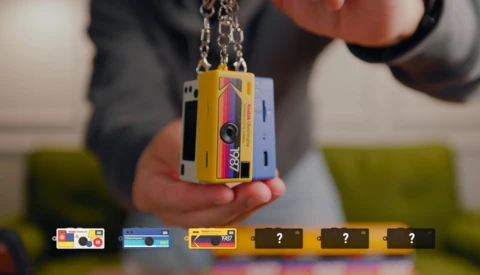
The Fun of a $35 Toy Camera That Can Reset How You Shoot
The Kodak Charmera Keychain Digital Camera is a tiny Kodak novelty that looks like a toy and sometimes behaves like one. It’s still the kind of device that can change how you shoot on a normal day, especially when you’re sick of chasing perfect files.
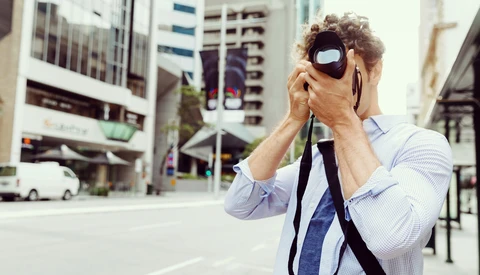
5 Reasons You Should Stop Shooting at Eye Level
There is a moment early in every photographer's journey when they realize that simply pointing a camera at something interesting does not automatically produce an interesting photograph. The gap between what we see with our eyes and what the camera captures can feel impossibly wide. We stand in front of a stunning landscape or a compelling portrait subject, press the shutter, and somehow the resulting image falls flat. The scene that moved us in person becomes mundane in the frame. While there are countless technical explanations for this phenomenon, one of the most overlooked culprits is deceptively simple: we are shooting from the wrong height.
Latest Gear Reviews
Active Contests
12
356
Enter your Best "Dark" or "Low-Key" images
Welcome to the April Critique the Community! For this contest/critique, we are doing another abstract theme that should allow more photographers to enter. For this month we want to see your most "dark" or "low key" photographs.

Five Portrait Habits That Quietly Ruin Otherwise Good Photos
A fast portrait lens can make it dangerously easy to lean on blur and call it style. The video focuses on the small portrait habits that quietly flatten your results, even when focus and exposure look “right.”
Fstoppers Exclusives





Macro Photography on the Cheap
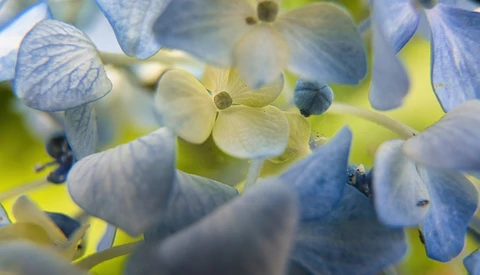
I wasn’t planning to shoot any macro photography that day because it is something I very rarely do. But I have such a huge respect for the macro masters I see and thought, "I would give it a proper go." After all, photography is very much about experimentation and creativity, so let's dive in, shall we?
How to Create Believable Window Light Without a Window
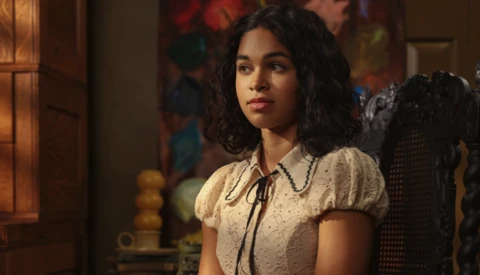
You can get “window light” even when there isn’t a usable window, and the difference between fake and believable usually comes down to a few small decisions. If you shoot portraits in a controlled space, this approach gives you a repeatable look without waiting on weather, time of day, or room layout.
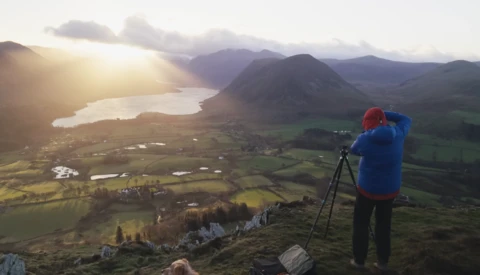
Flat Landscapes No More: The Simple Depth Fixes That Actually Work
Your landscape can look incredible in person and still turn into a flat photo once you open it in Lightroom. The video breaks down why that mismatch happens and what to do about it when a scene feels “big” to your eyes but small on the screen.
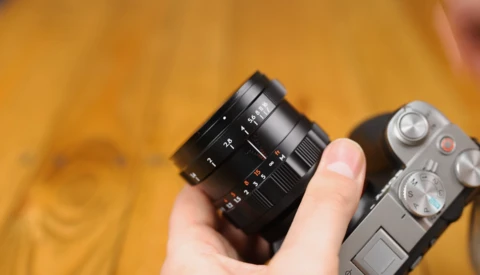
Manual Focus, Big Aperture: What the Thypoch Simera 75mm f/1.4 ASPH Gets Right
An f/1.4 lens can make portraits look calm and intentional, but it can also punish mistakes in focus, corners, and color fringing. If you are considering a manual-focus short telephoto, the real question is what you gain in look and feel and what you quietly give up.
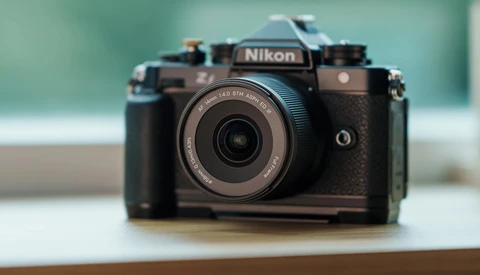
We Review the Viltrox 14mm f/4: An Ultra-Wide Perspective on a Budget
Wide-angle lenses usually fall into one of two categories: large, heavy, expensive monsters or budget-friendly options that often come with compromises not worth the cost. But has Viltrox hit a home run?
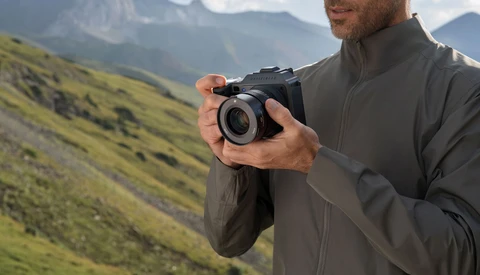
Medium Format Is the New Full Frame: What's Next?
There was a time, not so long ago, when medium format digital photography existed in an entirely separate universe from the rest of the camera market. It was a universe populated by wealthy commercial photographers and the occasional landscape obsessive who had saved for years to afford a system that promised marginally better image quality than what everyone else was using. Not anymore.
The $275 vs $399 85mm Choice That Looks Simple Until You See the Tradeoffs
85mm portrait primes get marketed as “special,” but the real story is how fast they focus, how they handle, and what you trade to save size and money. If you shoot people on Sony E-mount, this head-to-head is the kind of comparison that can keep you from buying the right focal length in the wrong package.
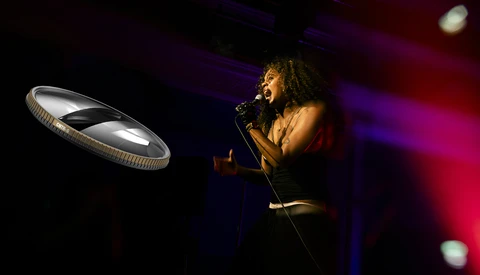
Dreamy Distortion: Creating Images with the PolarPro Center Split Filter
The PolarPro Center Split Filter is the latest in-camera optical tool designed for photographers and filmmakers who want to push their visuals beyond the ordinary. Rather than relying on digital effects during post-production, this filter creates a dreamy aesthetic during capture.
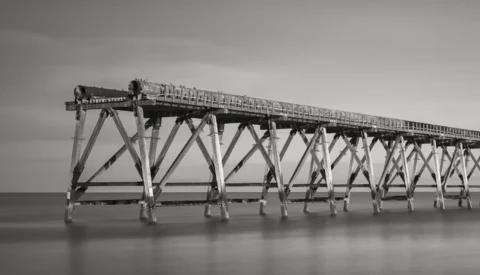
The Tide Was Wrong, the Sky Was Blank: How to Salvage the Photo Anyway
You can lose a morning at the coast even when the light looks promising, and the reasons are not always what you think. This video focuses on one pier shoot where timing, tide, and filters collide in ways that will feel uncomfortably familiar.
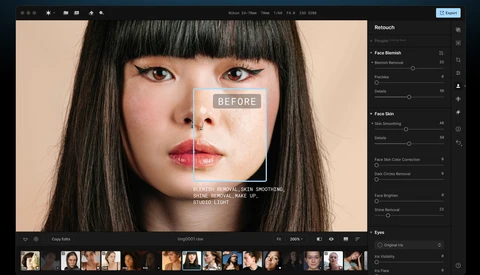
Aperty Has a New Update and Releases Its 2026 Roadmap
Aperty, professional portrait retouching software, has released a new update designed to integrate more seamlessly into photographers’ existing workflows. Here are the details from Aperty.
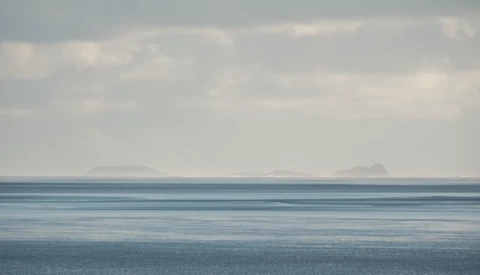
Why Slowing Down Gets You Better Landscape Photos Than Buying Another Lens
You can make a strong landscape photo with a basic kit, including a 16-50mm lens, if the rest of your process is solid. The video is a reality check on the habits that quietly decide whether you come home with a usable frame or just a memory card full of “almost.”
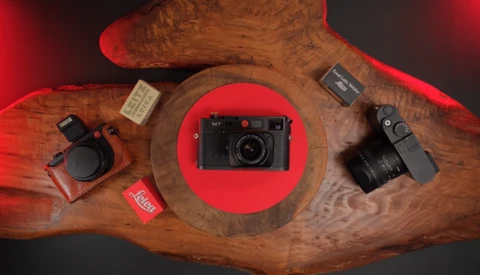
The Leica Q3 Monochrom: The 28mm Trap You Might Love
The Leica Q3 Monochrom is the kind of camera that forces a decision: commit to black and white at capture, or keep color as an escape hatch. If you care about low-light street work, high-ISO texture, and files that hold together when you push them, this one sits right on the fault line between “tool” and “habit.”
5 Weird Lenses That Will Cure Your Boredom
Bored of "perfect" sharpness? These five optical oddities force you to see the world differently.
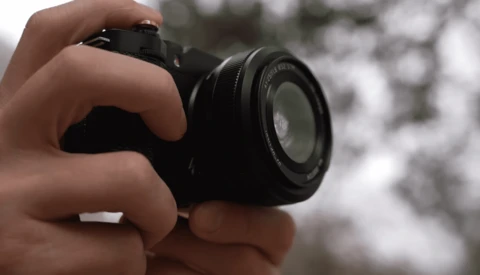
The Practical Camera Buying Advice the Internet Ignores
Buying a camera in 2026 can feel like getting cornered into more megapixels, more features, and more expense than your shooting actually demands. If your gear keeps getting bigger while your camera stays in the bag, the real cost is lost time and missed photos.
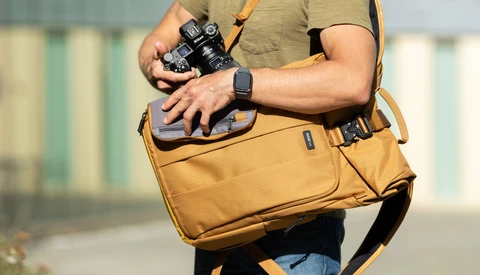
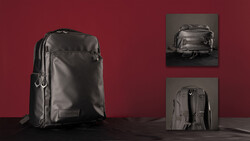
The Bag That Adapts: A Review of the Think Tank Photo FocusPoint 30L
Rugged yet refined, spacious yet sleek—the FocusPoint 30L RollTop is the camera backpack that keeps up with your photography, whether that’s on the road or at your favorite local coffee shop.
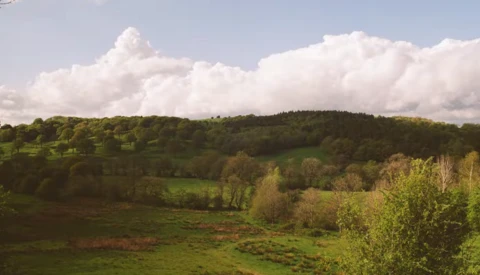
Great Photographers Miss Constantly: That’s the Point
You can own the same camera as your heroes and still come home with flat, forgettable frames, even on a trip that should have been a sure thing. The tension in this video is whether the real advantage has nothing to do with gear and everything to do with how you decide what a photo is supposed to say.

Sigma 35mm f/1.2 DG II | Art vs Sony 35mm f/1.4 GM: Sharpness Isn’t the Whole Story
A lens like the Sigma 35mm f/1.2 DG II | Art isn’t just about getting more light, it changes the way depth and perspective sit together in a single frame. If you shoot people, street, or any scene where the background needs to fall away without turning into mush, 35mm at f/1.2 can be the difference between a photo that feels ordinary and one that has bite.
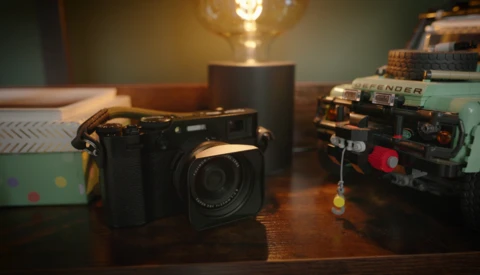
Upgrade Urge Test: When A New Camera Actually Helps
That itch to upgrade hits hardest when the camera on your desk is already “good,” but your photos still feel stuck. Using the Sony a7R V as a real example, tTom the emotional noise that makes a checkout button feel like a solution.

Five Fstoppers-Exclusive iOS Shortcuts Every Photographer Needs (And How to Use Them)
Your iPhone is more powerful than you think. Buried in iOS is an app called Shortcuts that most people ignore entirely, and those who do open it often close it immediately, overwhelmed by the programming-like interface. That's a mistake. Shortcuts can transform tedious, repetitive photography tasks into single-tap operations, and once you understand the basics, you'll wonder how you ever managed without them. I've made five useful Shortcuts exclusively for Fstoppers readers.

How to Get Buttery Smooth Backgrounds in Lightroom
Noise and messy detail can ruin an otherwise strong subject, especially in wildlife shots where the background turns into a crunchy distraction the moment you lift exposure. This video focuses on a Lightroom approach that gets the background looking smoother without turning the subject into plastic.
Top Ten Questions With Sam Abell
Sam Abell has pursued a career in documentary photography, spending 33 years with National Geographic. He concurrently taught and authored numerous books, including The Life of a Photograph, Seeing Gardens, and The Photographic Life. In 2024, Sam received the Lifetime Achievement Award from The Photo Society and was inducted into the International Photography Hall of Fame. Here, he explains why he shoots in an automatic mode, sticks with shorter lenses, and why Dorothea Lange is his North Star.
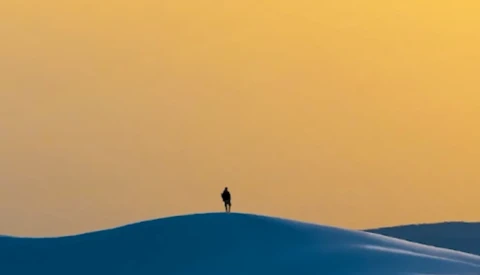
When a Wide Angle Lens Is a Mistake
A wide angle lens is a tempting choice at White Sands National Park, and it’s also an easy way to come home with files that look flatter than what you saw. The video tackles that gap between what feels dramatic in person and what actually reads well in a frame.